

If you are over 40, you have probably noticed your skin feels drier, looks less firm, or has more fine lines than it used to. That is completely normal, but it does not mean you have to just accept it. This article breaks down a simple, effective morning and night skincare routine built around hydration, sun protection, and ingredients that support collagen production and cell turnover.
Key Takeaways
- Apply a broad-spectrum sunscreen with SPF 30 or higher every single morning, even on cloudy days.
- Use a Vitamin C serum in your morning routine and a retinoid product like retinol at night.
- Moisturize generously both morning and night, and apply products to slightly damp skin for better absorption.
- Extend your skincare routine down to your neck and décolletage to prevent premature aging there.
- Be patient: consistent use typically shows visible improvements in 4 to 12 weeks.
Your Best Anti-Aging Skincare Routine Over 40
An effective anti-aging routine after 40 centers on hydration, sun protection, and ingredients that support collagen production and cell turnover. It starts with gentle cleansing, targeted serums, moisturizing, and diligent SPF in the morning. At night, you thoroughly cleanse, apply a treatment like retinol, and finish with a rich moisturizer. Consistency matters more than perfection, and your individual skin needs may call for small adjustments along the way.
Why Skin Changes After 40
Your skin changes after 40 because of what happens below the surface. Collagen production naturally declines starting in your mid-20s and accelerates after 40, which leads to reduced firmness. Elastin, the protein responsible for elasticity, also decreases with age, contributing to sagging. At the same time, your skin’s natural cell turnover rate slows down, leaving you with dullness and uneven texture.
The biggest factor you can control
Sun exposure is the leading cause of premature skin aging, accounting for up to 80% of visible signs. That makes daily sunscreen your most powerful anti-aging tool, no matter your age.
Essential Skincare Products for Your Routine
Building a targeted routine starts with the right products. Here is what you need and why each one matters.
- Gentle cream or hydrating cleanser: Removes impurities without stripping natural oils.
- Vitamin C serum: An antioxidant that protects against free radical damage and brightens skin.
- Hyaluronic acid serum: Holds up to 1000 times its weight in water for deep hydration.
- Broad-spectrum sunscreen (SPF 30+): Daily protection against sun damage, indoors and out.
- Retinol or retinoid cream/serum: Stimulates collagen production and accelerates cell turnover.
- Rich moisturizer (day and night): Hydrates and supports your skin barrier.
- Eye cream: A dedicated product for the delicate skin around your eyes.
- Exfoliating toner (AHAs/BHAs): Gently removes dead skin cells for improved texture.
Your Morning Anti-Aging Skincare Routine
- Cleanse gently: Wash your face with a hydrating cleanser to remove overnight impurities without stripping your skin.
- Apply Vitamin C serum: This antioxidant protects against environmental damage and helps brighten your complexion. Apply it to dry skin to minimize the risk of irritation.
- Follow with hyaluronic acid serum: Pat a few drops onto damp skin to lock in deep hydration.
- Moisturize generously: Use a rich moisturizer to seal in hydration and support your skin barrier.
- Finish with sunscreen: Apply a broad-spectrum SPF 30 or higher, and extend it down your neck and décolletage. Reapply if you will be outdoors for extended periods.
Morning Skincare Application
Morning Skincare Application
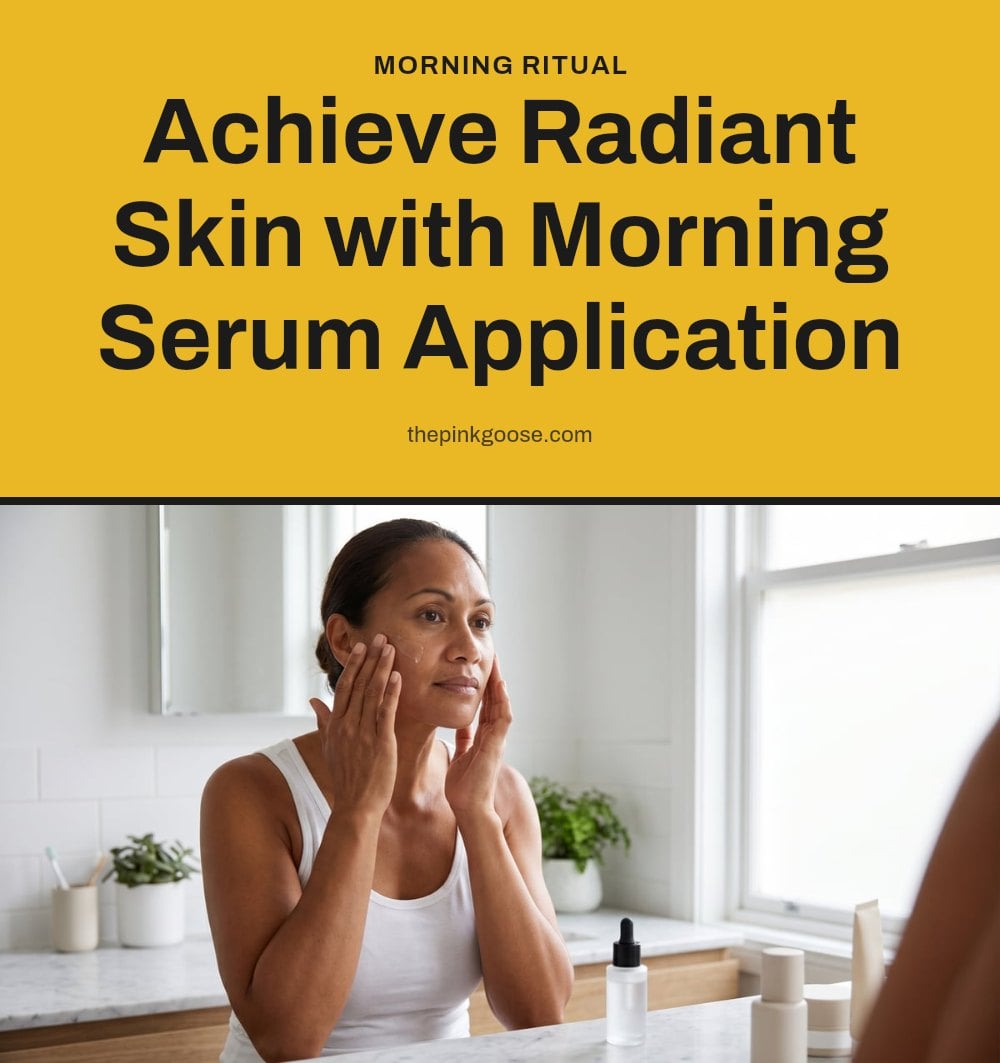
I start my morning routine right after brushing my teeth, when my skin is still slightly damp from washing. That dampness helps my Vitamin C serum spread evenly and absorb quickly. I pat it in gently, then follow immediately with a hyaluronic acid serum on top of the still-moist skin. A few drops are enough; I press them in rather than rubbing. Next comes a generous layer of moisturizer, which seals everything in. I finish with a broad-spectrum SPF 30+ sunscreen, making sure I cover my neck and the top of my chest. My tip: apply the sunscreen immediately after the moisturizer so the layers bond well together.
Your Evening Anti-Aging Skincare Routine
- Cleanse thoroughly: Start with a gentle oil-based cleanser if you wore makeup or sunscreen, then follow with your regular hydrating cleanser. Double cleansing ensures no residue is left behind, which can block your treatment products from working.
- Apply retinoid product: Use a pea-sized amount of retinol or prescription tretinoin. If you are new to retinoids, start with once or twice a week and gradually increase to every other night. Caution: Retinoids can cause dryness and sensitivity at first, so always follow with a rich moisturizer. My tip: consistency with retinoids truly makes a difference over time.
- Moisturize generously: Apply a rich, hydrating moisturizer all over your face and neck. This supports your skin barrier and counteracts any dryness the retinoid may cause. Look for formulas with ceramides to help lock in moisture.
- Apply eye cream: Gently tap a dedicated eye cream around your orbital bone using your ring finger. The skin there is thinner and more delicate, so a targeted product can help maintain hydration and reduce the appearance of fine lines.
Evening Skincare Application
Evening Skincare Application
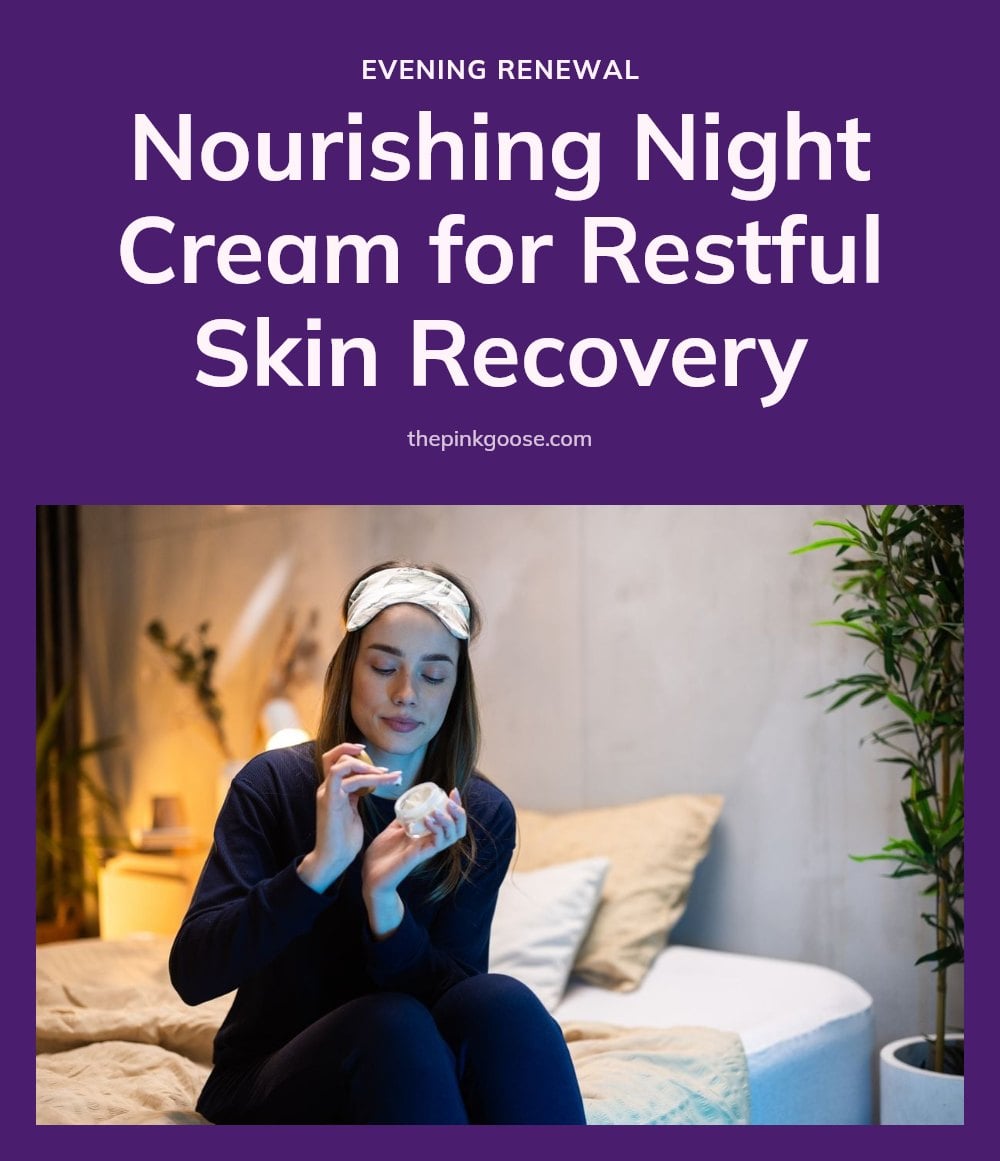
In the evening, I take a few extra minutes because this is when the real repair work happens. After double cleansing, I wait for my skin to be completely dry before applying retinol. Water on the skin can increase irritation with retinoids, so I pat dry with a clean towel. I use a pea-sized amount and smooth it over my face, avoiding the eye area and the corners of my nose. I follow immediately with my night moisturizer to counteract dryness and support the skin barrier. That step helps lock in hydration and reduces the chance of stinging. I finish by dotting eye cream under my eyes and along my brow bone, pressing it in gently.
Common Anti-Aging Skincare Mistakes to Avoid
Only using anti-aging products when visible signs appear: Start prevention early. It is never too early to protect your skin, even if you do not see wrinkles yet.
Not applying sunscreen daily or reapplying as needed: Sunscreen is your best defense. Apply every morning and reapply if you are outdoors for extended periods.
Using too many active ingredients at once: Introduce new products slowly. Patch test and build up tolerance to avoid irritation.
Neglecting the neck and chest area: Extend your routine. These areas show signs of aging just as much as your face.
Not cleansing thoroughly before applying treatment products: Clean skin is key. Ensure your skin is clean for optimal product absorption.
Expecting a single product to solve all aging concerns: It is a comprehensive approach. A combination of ingredients and consistent care yields the best results.
Expert Tips for Maximizing Your Routine
Apply products to damp skin: I always pat on my serums and moisturizer right after cleansing, while my face is still slightly damp. That extra moisture helps ingredients like hyaluronic acid penetrate better and lock in hydration.
Extend products to your neck and décolletage: These areas show aging just as much as your face, so I make sure my cleanser, serums, and sunscreen travel down to my collarbone. A little extra product goes a long way.
Be patient and consistent: Visible improvements typically appear within 4 to 12 weeks, with more significant changes after 6 months of daily use. Stick with your routine and don’t expect overnight results.
Consider gentle exfoliation: If your skin tolerates it, a gentle AHA or BHA toner a few times a week can remove dead skin cells and improve texture. Start with once a week to see how your skin responds.
Prioritize sleep: Adequate rest supports your skin’s natural repair and regeneration processes. Aim for 7 to 9 hours a night to help your anti-aging efforts work better.
When to Consult a Dermatologist
Persistent irritation or reactions: If you experience ongoing redness, stinging, or allergic reactions to products, stop using them and see a dermatologist. They can help identify the cause and recommend alternatives.
Specific skin conditions: For concerns like severe acne, rosacea, or hyperpigmentation, a dermatologist can provide targeted treatments that over-the-counter products may not address.
Prescription-strength treatments: If you are considering prescription retinoids or advanced procedures like chemical peels or laser treatments, professional guidance is essential for safety and effectiveness.
Suspicious skin changes: Any new moles or changes in existing moles should be evaluated by a dermatologist promptly. Early detection is key for skin health.
Frequently Asked Questions
How long does it take to see results from an anti-aging routine?
Most people start noticing improvements in skin texture and brightness within 4 to 12 weeks of consistent use. More significant changes, like improved firmness and reduced fine lines, usually take about 6 months or longer. Patience and daily consistency are key.
Can I use Vitamin C and Retinol together?
You can use both, but not at the same time. Vitamin C is best used in your morning routine because it protects against environmental damage. Retinol should be used only at night because it increases sun sensitivity. Using them separately avoids irritation and lets each ingredient work effectively.
What is the most important anti-aging product?
Broad-spectrum sunscreen with SPF 30 or higher is the most important product in any anti-aging routine. Sun exposure is responsible for up to 80 percent of visible signs of aging, so daily sun protection is your best defense against wrinkles, dark spots, and loss of firmness.
Should I use an eye cream?
Yes, using a dedicated eye cream can be helpful because the skin around your eyes is thinner and more delicate than the rest of your face. A gentle eye cream can provide extra hydration and target concerns like puffiness or fine lines without causing irritation.
How can I tell if a product is irritating my skin?
Signs of irritation include redness, stinging, burning, dryness, or peeling that persists beyond the first few uses. If you notice any of these, stop using the product and give your skin a break. When you try it again, start with a lower frequency, like once or twice a week, and always patch test first.
Is it too late to start an anti-aging routine at 50?
It is never too late to start caring for your skin. Even if you are 50 or older, a consistent routine with sunscreen, moisturizer, and targeted ingredients like retinoids can improve skin texture, hydration, and brightness. You may not reverse all existing signs of aging, but you can definitely support healthier skin going forward.
Final Thoughts
My recommendation is to start with the basics: a gentle cleanser, a Vitamin C serum for the morning, a good moisturizer, and a reliable sunscreen. Add a retinol product to your evening routine after a few weeks if your skin tolerates it. Realistically, you will not see dramatic changes overnight, but with consistent daily care, you can expect smoother texture and a brighter complexion within a few months. Stick with it, and your skin will thank you.
This article is for informational purposes only and does not constitute medical or professional skincare advice. Individual skin types and conditions vary, so always patch test new products and consult a dermatologist for persistent irritation, allergic reactions, or specific skin concerns.
