

You slather on SPF every morning, but are you actually getting the protection you think? Most of us make a few sneaky mistakes that leave our skin vulnerable to sun damage, from using too little sunscreen to forgetting to reapply. This article breaks down the most common SPF errors and shows you exactly how to fix them for real, reliable defense.
Key Takeaways
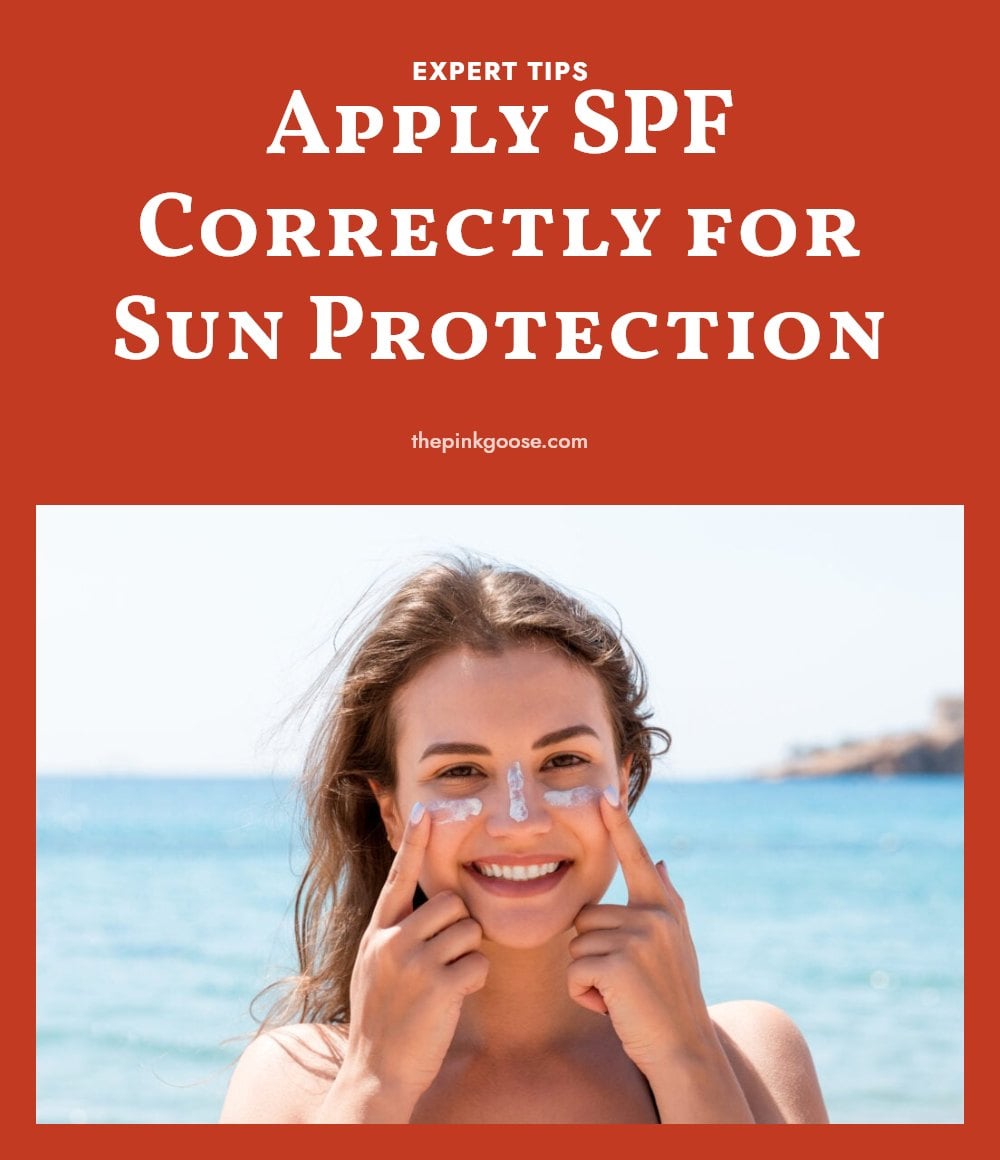
- Apply a nickel-sized dollop of sunscreen to your face and neck, and a shot glass full for your body.
- Reapply sunscreen every two hours, or more often if you are swimming or sweating.
- Choose a broad-spectrum sunscreen with SPF 30 or higher for daily protection.
- Do not rely on makeup with SPF as your primary sun protection.
- Wear sunscreen every day, even on cloudy days and when you are indoors near windows.
Understanding SPF: What It Really Means for Your Skin
SPF, or Sun Protection Factor, tells you how well a sunscreen guards against UVB rays, the kind that cause sunburn. But it doesn’t tell the whole story. A higher SPF, like 50 instead of 30, blocks only slightly more UVB (98% vs. 97%), and no sunscreen blocks 100% of UV rays. That’s why a higher number doesn’t mean you can skip reapplication or stay out longer. For full protection, you need a broad-spectrum sunscreen, which also shields you from UVA rays, the ones linked to premature aging and skin cancer risk.
Why Inadequate SPF Application Leaves You Vulnerable

Why Your SPF Might Not Be Working as Hard as You Think
The SPF number on your bottle is based on perfect application: a thick, even layer over every bit of exposed skin. Most people don’t come close. When you apply too little, you’re not getting the full SPF protection, so you might be getting, say, SPF 10 instead of 30. That’s a big difference in how much UVB reaches your skin.
Even with a good initial layer, sunscreen wears off. Sweat, swimming, and just rubbing against clothes or towels break it down. After two hours, the protection drops significantly, leaving you exposed to UV damage. And those missed spots, ears, neck, hands, feet, are often the first to burn because they’re easy to forget.
Remember, UV rays penetrate clouds, so a cloudy day doesn’t mean you’re safe. And while UVB burns, UVA ages, and both can increase skin cancer risk. That’s why broad-spectrum protection matters.
Your Essential Sun Protection Toolkit
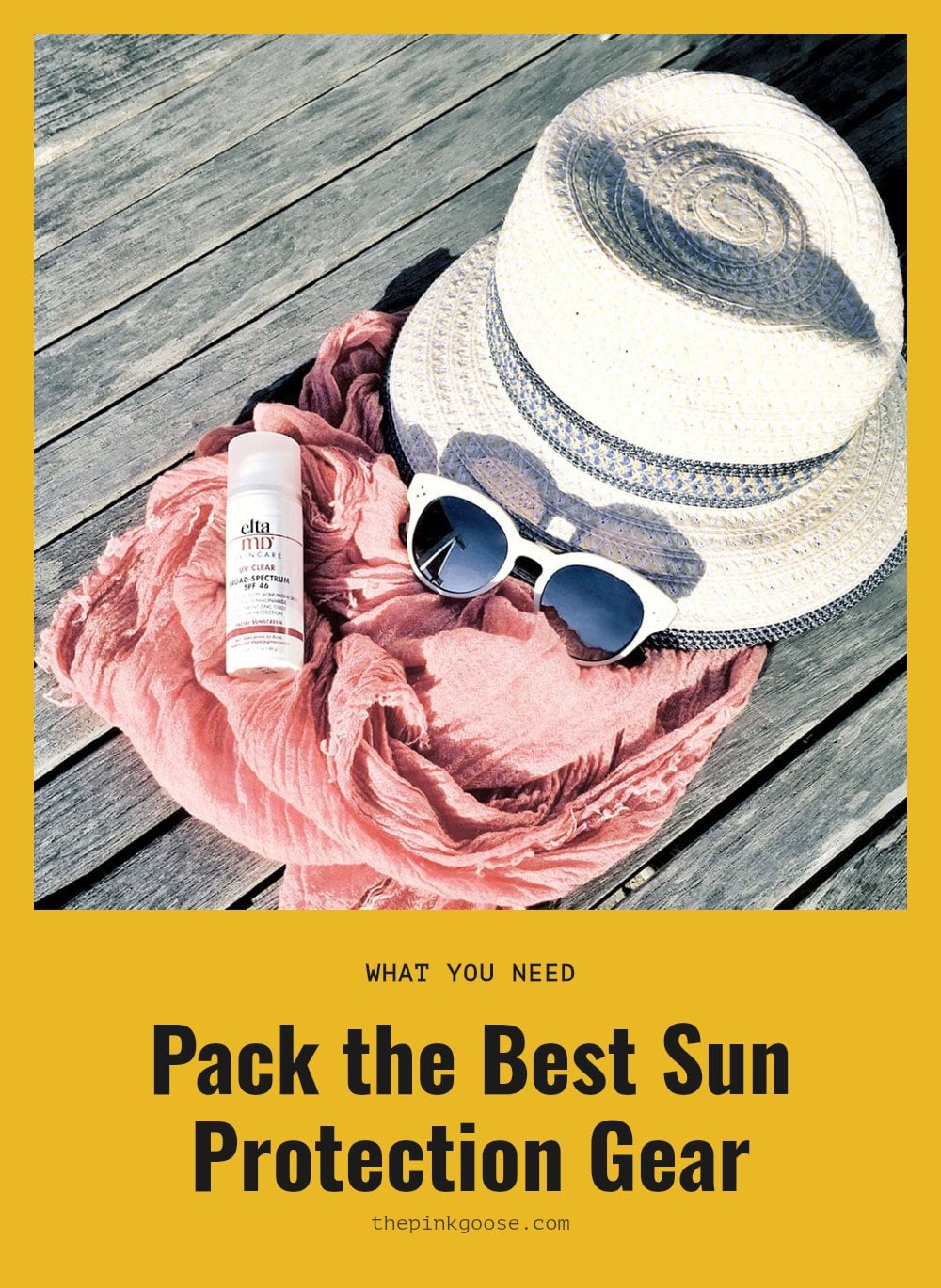
Building a solid sun protection routine starts with the right tools. Here’s what I keep on hand:
- Broad-spectrum sunscreen (SPF 30 or higher): Your first line of defense. Look for lotions, creams, sprays, or sticks, whichever you’ll actually use.
- SPF lip balm: Lips are delicate and often forgotten, but they need protection too.
- Protective clothing: Long sleeves, pants, and wide-brimmed hats block UV rays physically.
- Sunglasses: They shield your eyes and the sensitive skin around them.
Your Step-by-Step Guide to Flawless Sunscreen Application
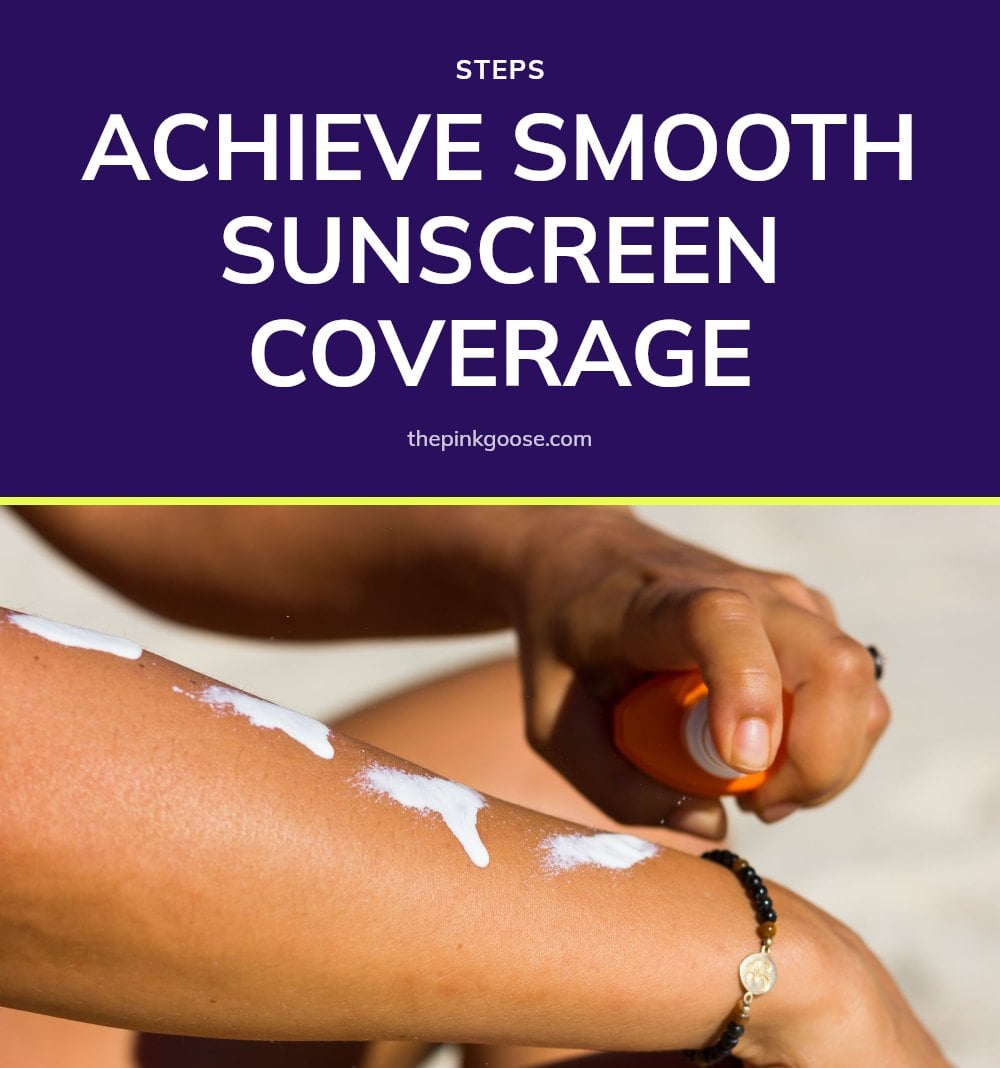
Getting sunscreen right isn’t complicated, but it does take a few deliberate steps. Here’s my routine for full coverage.
- Choose your sunscreen: Pick a broad-spectrum formula with SPF 30 or higher. If you’ll be swimming or sweating, grab a water-resistant one.
- Apply generously: Use about a nickel-sized dollop for your face and neck, and a shot glass full (about one ounce) for your whole body. That’s the amount needed to reach the stated SPF.
- Cover every exposed area: Don’t forget your ears, the back of your neck, hands, feet, and between your toes. I usually do my face first, then work my way down.
- Wait before going out: Apply at least 15 to 30 minutes before sun exposure. That gives the sunscreen time to bind to your skin and start working.
- Reapply every two hours: Set a timer on your phone if you need to. Reapply immediately after swimming, toweling off, or heavy sweating.
Common SPF Application Mistakes and How to Fix Them
The most common mistake I see is not using enough sunscreen. Most people apply only a quarter of the recommended amount. Use a nickel-sized dollop for your face and neck and a shot glass full for your body. Set a timer on your phone to reapply every two hours, or right after swimming or sweating. Missing spots like your ears, neck, hands, and feet leaves them vulnerable. Be thorough and check in a mirror. Relying on makeup with SPF isn’t enough; you need a dedicated sunscreen underneath. And always check the expiration date on your bottle. Expired sunscreen loses its effectiveness and should be replaced.
Smart Habits for Consistent Daily Sun Protection
Make sunscreen a non-negotiable part of your morning routine, even on cloudy days or when you plan to stay indoors. UV rays penetrate clouds and windows. Choose a broad-spectrum sunscreen with SPF 30 or higher for daily use. My tip: Keep a bottle by your toothbrush as a reminder. Protect your lips with an SPF lip balm, and combine sunscreen with physical barriers like long sleeves, a wide-brimmed hat, and sunglasses for extra defense. Check expiration dates regularly and replace any sunscreen that’s past its prime.
When to Consult a Dermatologist About Sun Protection
If you develop a rash, redness, or stinging after applying sunscreen, stop using it and consult a dermatologist. For infants under six months, avoid sunscreen altogether and ask your pediatrician about safe sun protection methods. If you notice new moles, changes in existing moles, or any signs of sun damage on your skin, see a dermatologist promptly. Sunscreen is a helpful tool, but it cannot replace professional medical advice for skin concerns.
Frequently Asked Questions
Can I use SPF 15 if I am only outside for a short time?
SPF 15 blocks about 93% of UVB rays, which is less than the 97% blocked by SPF 30. For any time outdoors, even short periods, a broad-spectrum sunscreen with SPF 30 or higher is recommended for adequate protection.
Does SPF in makeup offer enough protection?
Makeup with SPF rarely provides enough coverage on its own. Most people apply too little foundation or powder to reach the labeled SPF level. Use a dedicated broad-spectrum sunscreen underneath your makeup for reliable protection.
How does broad-spectrum sunscreen differ from regular SPF?
Regular SPF only measures protection against UVB rays, which cause sunburn. Broad-spectrum sunscreen also protects against UVA rays, which contribute to skin aging and can increase the risk of skin cancer. Always choose broad-spectrum for complete coverage.
Is sunscreen necessary on cloudy days?
Yes. Up to 80% of UV rays can penetrate clouds, so you can still get sun damage on overcast days. Make sunscreen a daily habit, regardless of the weather.
How do I know if my sunscreen is still good?
Check the expiration date on the bottle. If there is no date, or if the sunscreen has changed in color, consistency, or smell, it is likely expired and should be replaced. Expired sunscreen may not provide the labeled level of protection.
Final Thoughts
For solid daily protection, make a broad-spectrum SPF 30 sunscreen a non-negotiable part of your morning routine. Realistically, you will need to reapply every two hours if you are outside, so set a reminder on your phone. With the right habits, you can keep your skin safe from sun damage every single day.
This article is for general informational purposes only and does not constitute medical or dermatological advice. Sun protection needs vary by individual. If you have a persistent skin concern, experience a reaction to sunscreen, or have questions about your specific health situation, please consult a dermatologist or healthcare professional.
