

If you’re dealing with stubborn acne, rosacea redness, or dark spots that just won’t fade, azelaic acid might be the gentle multitasker your routine needs. In this article, I’ll walk you through exactly what it is, who can benefit most, and how to use it for the best results without irritation.
Key Takeaways
- Azelaic acid is a dicarboxylic acid found in grains that fights acne bacteria, reduces redness, and fades hyperpigmentation.
- Start with a 5-10% over-the-counter formula if you have sensitive skin or are new to the ingredient.
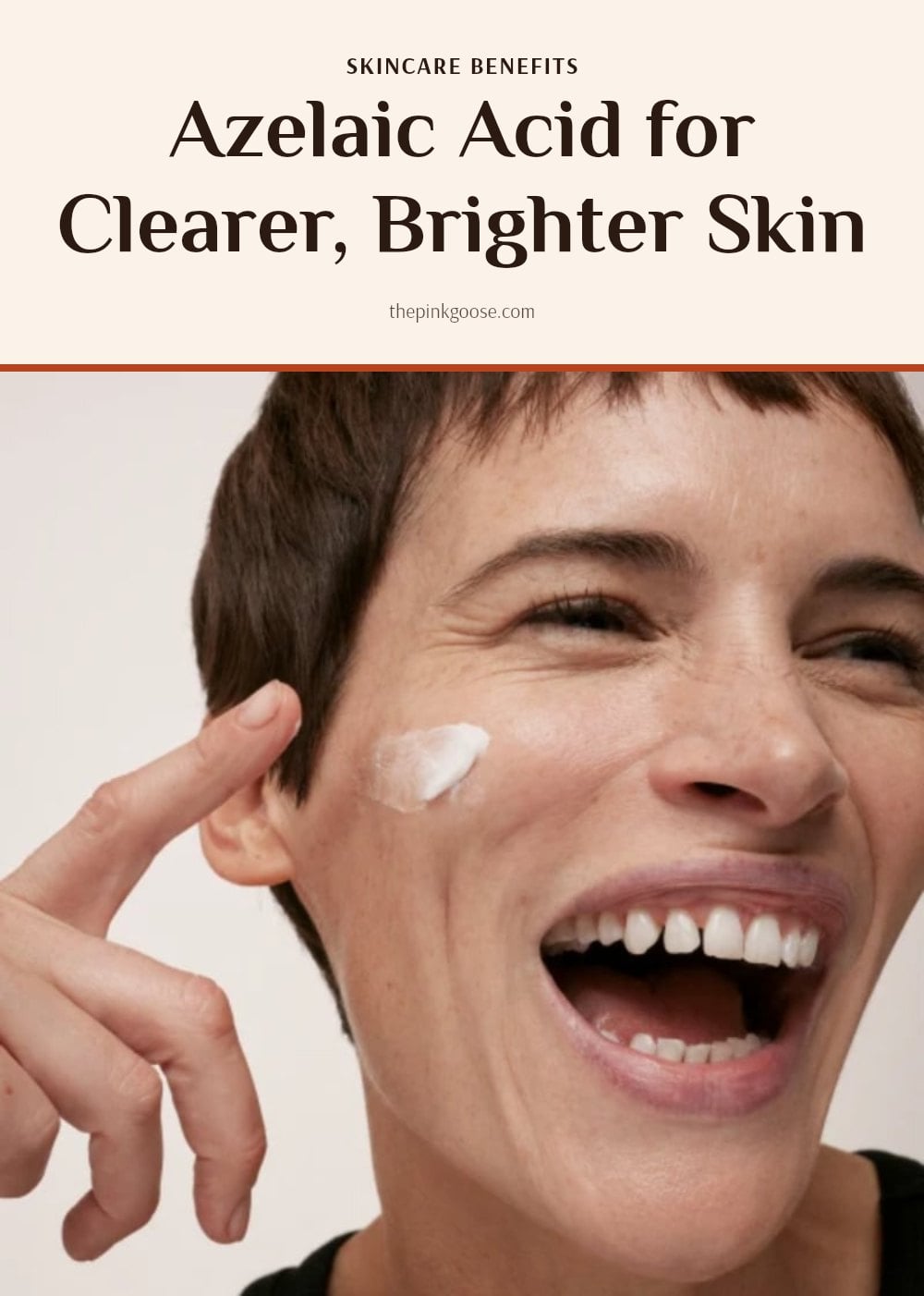
- Apply a pea-sized amount to clean, dry skin before moisturizer, and use sunscreen daily.
- Initial improvements may appear in 4-8 weeks, with full results taking 3-6 months of consistent use.
- It is safe during pregnancy and breastfeeding, unlike some other acne treatments.
What Is Azelaic Acid and How Does It Work?
Azelaic acid is a naturally occurring dicarboxylic acid found in grains like barley, wheat, and rye. It works by reducing inflammation, killing acne-causing bacteria, and promoting cell turnover. This makes it effective for treating acne, rosacea, and post-inflammatory hyperpigmentation. It’s available in both prescription and over-the-counter forms and is generally well-tolerated, even by sensitive skin.
Who Can Benefit From Using Azelaic Acid?
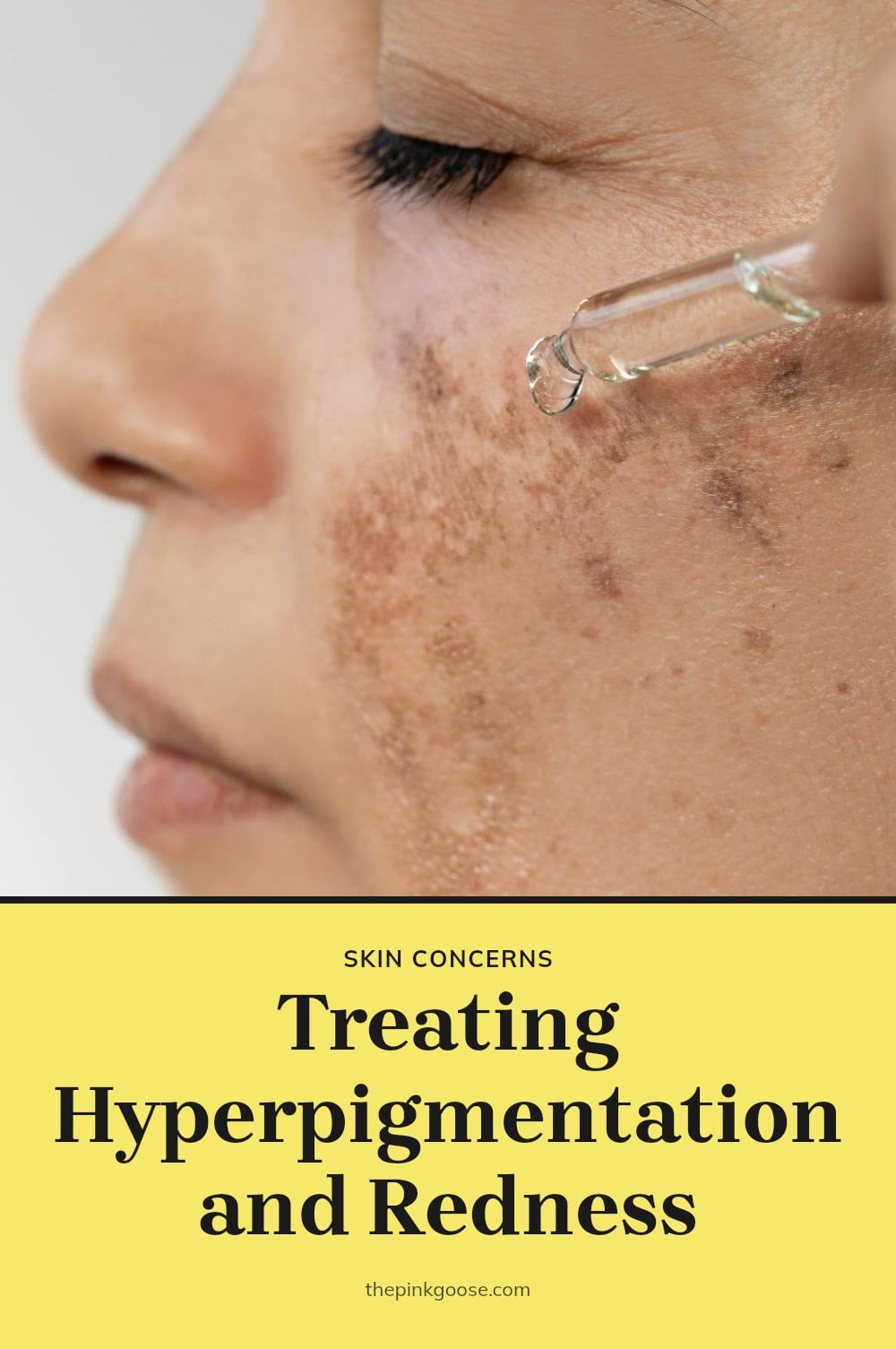
Azelaic acid is a versatile ingredient that can help several skin concerns.
Acne
- Its antibacterial and anti-inflammatory properties target inflammatory and cystic acne by reducing bacteria and redness.
Rosacea
- The anti-inflammatory effects help calm redness and bumps associated with rosacea.
Hyperpigmentation
- As a tyrosinase inhibitor, it can improve post-inflammatory hyperpigmentation (PIH) and melasma by slowing pigment production.
It is generally considered safe for use during pregnancy and breastfeeding, making it a suitable alternative to some other active ingredients.
How to Incorporate Azelaic Acid Into Your Skincare Routine
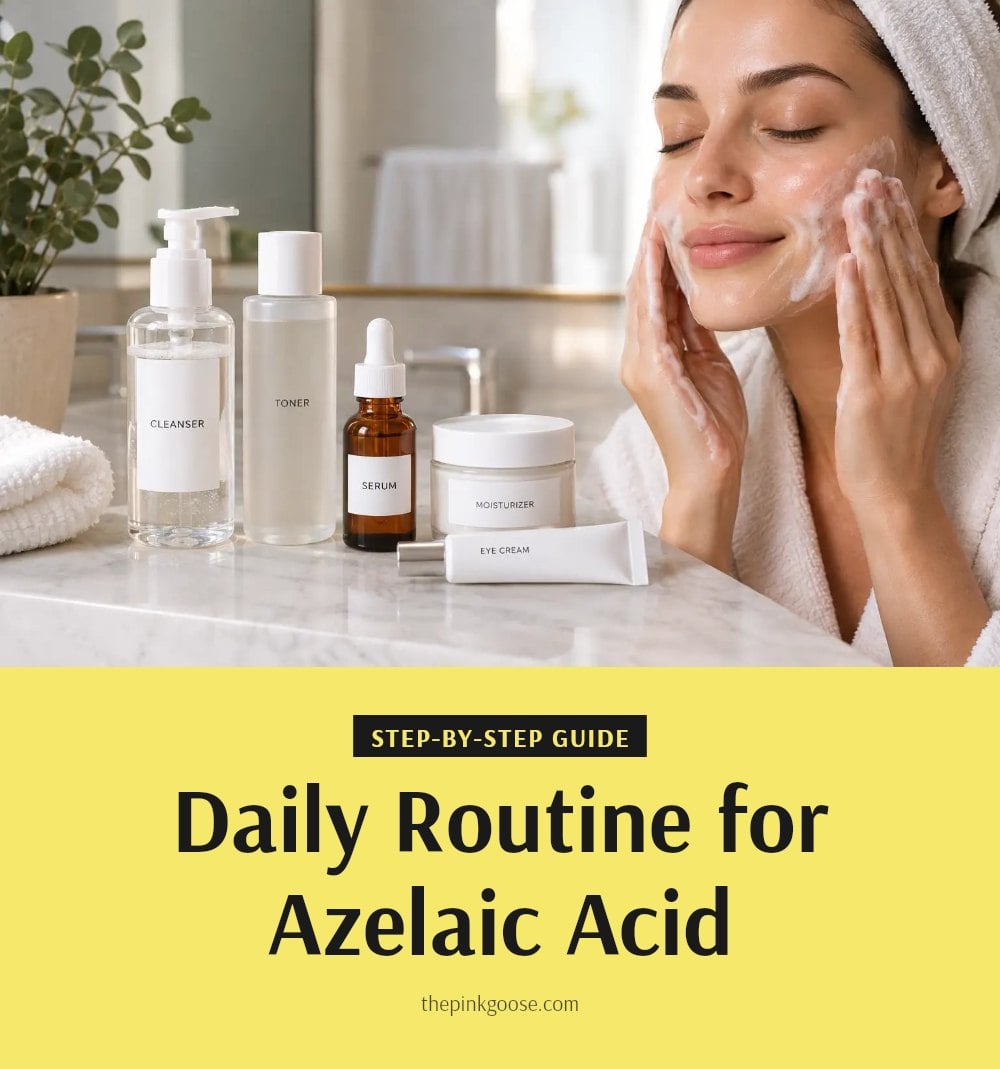
Adding azelaic acid to your routine is straightforward, but a few details make the difference between smooth sailing and irritation.
- Choose your concentration: If you have sensitive skin or this is your first time with azelaic acid, start with a 5-10% over-the-counter formula. Your skin needs time to build tolerance before you consider anything stronger.
- Cleanse and dry: Wash your face with a gentle cleanser and pat your skin completely dry. Azelaic acid absorbs best on clean, dry skin, and applying it to damp skin can increase stinging.
- Apply a thin layer: Use a pea-sized amount for your whole face, or a smaller dab for just the affected areas. Spread it evenly, then wait a minute or two for it to sink in before layering anything on top.
- Follow with moisturizer: Lock in hydration right after the azelaic acid dries. This helps minimize the dryness or flaking some people notice in the first few weeks.
- Start with once daily: Use it in the morning or evening, whichever fits your routine. If your skin tolerates it without redness or burning after a week or two, you can increase to twice daily.
- Add sunscreen every morning: Azelaic acid itself doesn’t make you photosensitive, but sun exposure darkens hyperpigmentation and undoes your progress. Use a broad-spectrum SPF 30 or higher daily, even on cloudy days.
When to Expect Results and How Often to Use It
Initial improvements may be visible within 4-8 weeks of consistent use. Full results for conditions like acne or hyperpigmentation can take 3-6 months. Consistency is key; don’t stop use too soon if you don’t see immediate changes. Over-the-counter formulations typically range from 5-10% concentration. Prescription-strength azelaic acid is usually 15-20% and requires a dermatologist’s consultation.
Common Mistakes to Avoid When Using Azelaic Acid
Even with a great ingredient, a few missteps can slow your progress. Here are the most common ones I see and how to avoid them.
- Applying too much product: A pea-sized amount is usually enough for your whole face. Using more won’t speed up results and can increase irritation.
- Stopping use too soon: Azelaic acid needs consistent, long-term use to show its full benefits. Don’t give up after a few weeks if you don’t see changes yet.
- Not using sunscreen: Sun exposure can worsen dark spots, especially when you’re treating hyperpigmentation. Daily broad-spectrum sunscreen is non-negotiable.
- Confusing it with AHAs or BHAs: While it has some exfoliating properties, azelaic acid works differently and is generally gentler. Don’t treat it like a strong acid peel.
- Assuming all products are the same: Concentrations and formulations vary widely. Check labels and talk to a dermatologist if you need a higher strength.
Tips for Maximizing Azelaic Acid’s Effectiveness

A few smart habits can make your azelaic acid routine even more effective.
- Patch test first: Always test a new active on a small area, especially if your skin is sensitive. Wait 24 hours to check for a reaction.
- Listen to your skin: If you notice significant irritation, cut back to every other day or switch to a lower concentration. Your skin will adapt.
- Combine with other actives carefully: Azelaic acid works well with retinoids, salicylic acid, and niacinamide. Introduce them one at a time to see how your skin responds.
- Moisturize well: It can cause dryness, especially at first. Follow up with a good moisturizer to keep your skin barrier happy.
- Avoid sensitive areas: Keep the product away from your eyes, mouth, and any broken skin to prevent stinging or irritation.
When to Consult a Dermatologist
Azelaic acid is generally well-tolerated, but sometimes professional guidance is necessary.
- If you experience severe irritation, burning, or itching that doesn’t go away, stop using it and see a dermatologist.
- If your acne, rosacea, or hyperpigmentation is severe or not improving with over-the-counter products, a doctor can help.
- For prescription-strength azelaic acid (15-20%), you need a dermatologist’s evaluation.
- If you have darker skin and are concerned about hypopigmentation (light patches), discuss this with a professional before starting.
- A dermatologist can also give you personalized advice on combining azelaic acid with other active ingredients in your routine.
Frequently Asked Questions
Is azelaic acid a retinoid?
No, azelaic acid is not a retinoid. Retinoids are vitamin A derivatives that work by speeding up cell turnover and regulating skin cell production. Azelaic acid is a dicarboxylic acid with antibacterial, anti-inflammatory, and tyrosinase-inhibiting properties. They can be used together in a routine, but introduce them one at a time.
Can I use azelaic acid with vitamin C?
Yes, azelaic acid and vitamin C can be used together, but be mindful of your skin’s tolerance. Many people apply vitamin C in the morning and azelaic acid at night. If you want to layer them, apply vitamin C first on clean skin, wait a few minutes, then follow with azelaic acid. Start slowly to avoid irritation.
Does azelaic acid cause purging?
Azelaic acid can cause a mild purging phase in some people, especially those with acne-prone skin, because it speeds up cell turnover. This usually looks like small breakouts in the first few weeks. True purging should subside within 4-6 weeks. If breakouts persist or worsen, it might be irritation rather than purging.
How long does a tube of azelaic acid last?
With a pea-sized amount used once daily, a standard 30-gram tube of azelaic acid cream or gel typically lasts about 2-3 months. If you use it twice a day, that drops to roughly 1-1.5 months. The exact duration depends on the product’s consistency and how much you apply.
Can azelaic acid be used on other parts of the body?
Yes, azelaic acid can be used on areas beyond the face, such as the chest, back, or shoulders, if you have breakouts or hyperpigmentation there. Apply a thin layer to clean, dry skin, and follow with a moisturizer. Avoid mucous membranes and broken skin, and use sunscreen on treated areas.
Final Thoughts
For most people, a 10% over-the-counter azelaic acid cream or gel used once daily is a solid starting point. Be patient and stick with it for at least three months before deciding if it’s working for you. With consistent use and daily sunscreen, you’ll likely see clearer, calmer, and more even-toned skin.
This article is for informational purposes only and does not constitute medical or dermatological advice. Individual skin reactions vary, and results are not guaranteed. If you have a persistent or severe skin condition, consult a board-certified dermatologist or healthcare professional.
