

You know that feeling when you walk into a room and wish you could radiate confidence without saying a word. Body language is the secret weapon that can instantly shift how others perceive you and, more importantly, how you see yourself. This article breaks down the key signals and simple adjustments you can make to project a more assured presence in any setting.

Key Takeaways
- Maintain an open posture with shoulders back and arms uncrossed to signal confidence.
- Walk with purpose and take your time to show control over the interaction.
- Use steady eye contact and avoid fidgeting to appear engaged and self-assured.
- Practice vocal cadence with strategic pauses to convey authority.
- Record yourself speaking to identify and correct non-verbal cues over weeks to months.
Mastering Body Language: Your Guide to Instant Confidence
Confident body language is a mix of open posture, purposeful movement, steady eye contact, and controlled vocal delivery. By consciously adjusting non-verbal cues like gestures and speech cadence, you can project greater assurance and capability. The goal is to convey self-command and preparedness, making a positive impact on both your interactions and self-perception. Small changes in how you hold yourself and move can shift how others perceive you and how you feel inside.
Step-by-Step: Projecting Confidence Through Body Language
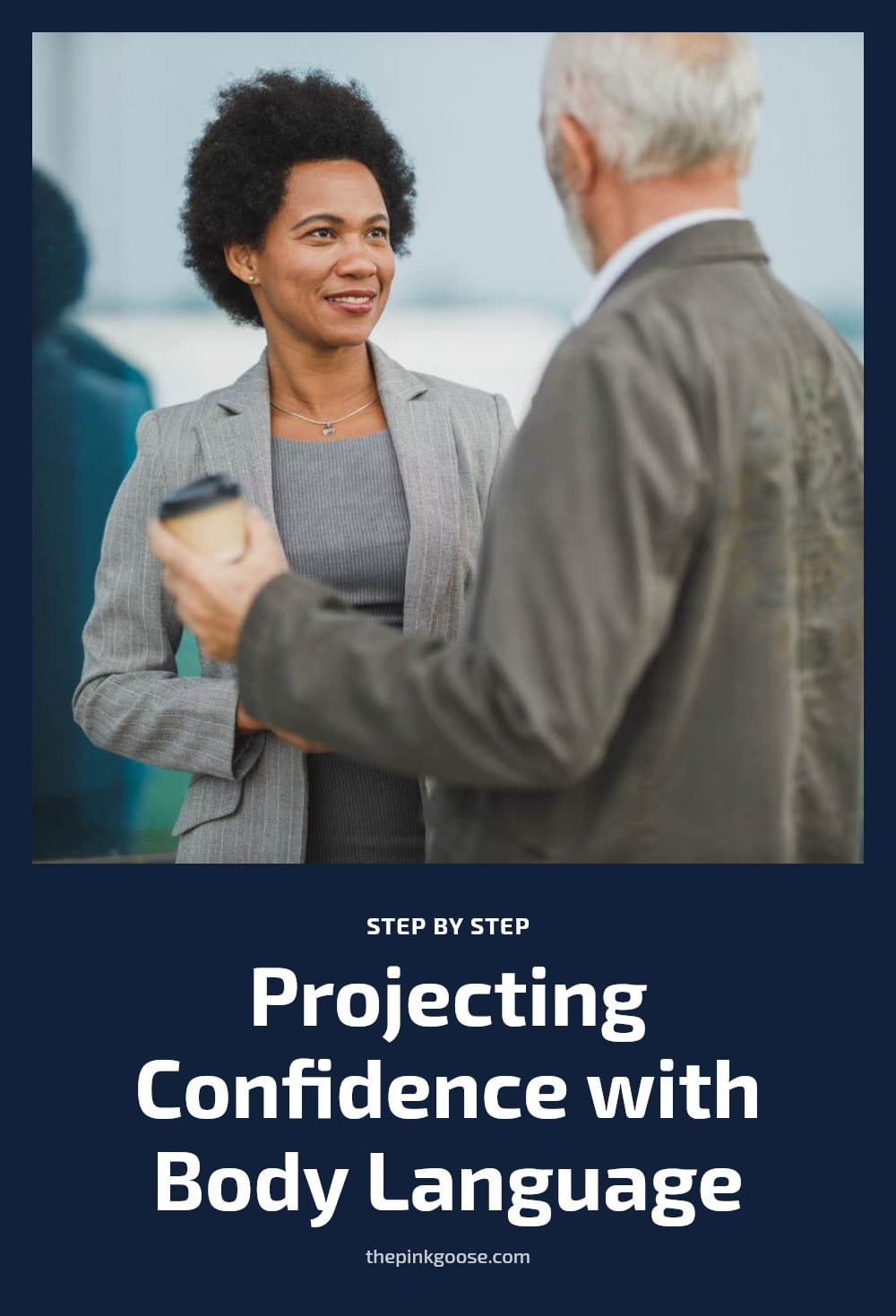
- Enter a room with comfort: Look around without hesitation and use smooth, broad gestures. This signals that you are at ease and in control of the space from the moment you walk in.
- Walk with purpose: Move as if you are on a mission to a specific destination or person. A steady pace and direct path convey confidence and intention.
- Maintain eye contact: Hold someone’s gaze for a few seconds, then look around the room. This shows engagement without staring, and it demonstrates you are comfortable with your surroundings.
- Take your time: Pause before speaking or moving. Demonstrating control over the temporal aspect of the interaction signals that you are in charge of the exchange.
- Model confident behaviors: Observe people you admire and note their vocabulary, gestures, and overall demeanor. Socialization plays a role in developing confidence, so borrow what works for you.
- Practice open hand gestures: Point with an open hand rather than a closed fist. This small change conveys a more positive and inclusive message.
- Try vocal exercises: Say the word “no” with increasing depth while spreading your fingers wider. This connects your voice to your body and builds a more commanding presence.
- Record yourself: Practice in front of a mirror or record your speech to identify non-verbal cues that need adjustment. Self-awareness is the first step to improvement.
- Eliminate uptalk: Avoid ending sentences with a rising intonation that sounds like a question. A flat or falling tone at the end of a statement projects authority.
- Use strategic pauses: Incorporate deliberate pauses in your speech to add emphasis and control the rhythm of your delivery. This technique makes people listen more closely without feeling rushed.
If you learn better by watching, this 14-minute video from WIRED shows every step. The how-to part starts at 1:02.
Top Tips for Effortless Confident Presence
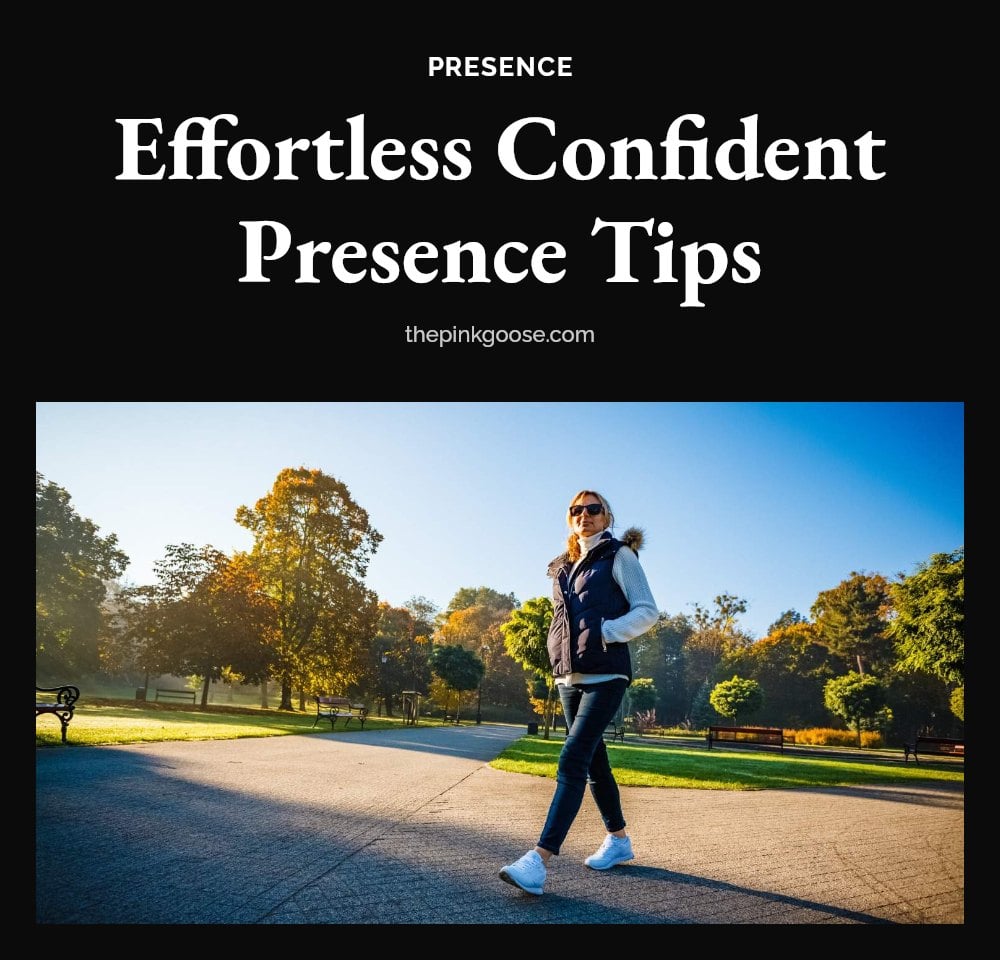
Confidence doesn’t always require theatrical displays of power. Quiet confidence can be just as effective. Confident people have a command of themselves, which naturally transmits outward to others.
- Quiet Confidence: Remember that confidence can be calm and self-assured. You don’t need to be loud to be taken seriously.
- Command of Self: When you have self-command, it shows in your posture and movements. This inner control radiates outward.
- Control Your Time: Being in charge means being in charge of time. Take your time to walk, answer questions, and speak at your chosen pace.
- Observe and Model: Socialization plays a role in developing confidence. Watch respected leaders and model their behaviors that align with your style.
- Open Hand Gestures: Small changes in gestures, like an open hand when pointing, can significantly alter perception and convey positivity.
- Strategic Pauses: Use cadence in your speech with strategic pauses. This makes people listen and conveys control over the conversation.
Common Body Language Mistakes to Avoid
Even with good intentions, certain body language habits can undermine your confidence. Here are common mistakes to watch for and avoid.
- Hesitant Eye Contact: Hesitating to look around a room or making little eye contact signals less confidence. Instead, scan the room naturally and hold gazes for a few seconds.
- Rushed Movements: Feeling rushed or making jittery, quick movements indicates a lack of control. Slow down your pace to project calm authority.
- Overly Theatrical Displays: Mistaking machismo or theatrical displays of power for genuine confidence can backfire. Real confidence is steady, not showy.
- Speaking Too Fast: “Machine-gunning” a statement makes people less likely to listen over time. Speak at a measured pace.
- Uptalking: Using uptalk, where you end sentences with a rising intonation, can make you sound less authoritative. Practice ending statements with a flat or falling tone.
- Repetitive Explanations: Trying to convince others by repeating information multiple times suggests uncertainty. Convey your point once with confidence.
- Fidgeting: Touching your hair or fiddling with jewelry can make you appear nervous or distracted. Keep your hands still and purposeful.
- Hidden Hands: Keeping your hands visible, rather than tucked in pockets or clasped behind your back, signals honesty and openness. Let them rest naturally at your sides or use controlled, deliberate gestures.
The Power of Posture and Presence

The Power of Posture and Presence
Your posture is the foundation of confident body language. An open posture, keeping arms uncrossed and shoulders back, signals openness and invites engagement rather than closing you off. When you stand or sit tall with shoulders relaxed and back straight, you project self-assurance and show you are comfortable in your space.
Facial expressions matter just as much. A genuine smile that reaches your eyes makes you appear approachable and confident, helping you build positive connections. And when the moment calls for it, a firm handshake (not bone-crushing, just solid) is a classic signal of confidence and professionalism that leaves a strong first impression.
Small adjustments in how you hold yourself can shift how others perceive you, and how you feel about yourself. Practice these cues until they feel natural, and you will notice the difference in your interactions.
How Long Does It Take to See Results?
How Long Does It Take to See Results?
Integrating confident body language into your daily interactions takes consistent practice and self-awareness. You will not change years of habit overnight, but you can often see noticeable improvements within weeks to months of dedicated effort.
My tip: Pick one or two cues to focus on at a time, such as keeping your shoulders back or eliminating uptalk. Once those feel natural, add another. Developing confident body language is an ongoing process of self-observation and adjustment. Be patient with yourself, every small change builds lasting confidence.
Frequently Asked Questions
Can body language really change how I feel?
Yes, adjusting your posture and gestures can influence your mindset. Standing tall and using open, expansive movements can make you feel more powerful and self-assured. This feedback loop between your body and brain is a well-documented phenomenon, so acting confident can help you actually become more confident.
Is mirroring body language always a good idea?
Mirroring can build rapport when done subtly, but overdoing it may seem disingenuous. The key is to naturally match the other person’s energy and gestures without being obvious. If you mimic too closely, you risk coming across as insincere or manipulative, so keep it light and occasional.
What if I naturally fidget when nervous?
Fidgeting, like touching your hair or fiddling with jewelry, can make you appear nervous or distracted. To manage it, practice keeping your hands visible and still, or use purposeful gestures instead. Over time, you can train yourself to replace fidgeting with controlled movements that signal calm confidence.
How do I make my voice sound more confident?
Focus on eliminating uptalk, which is ending sentences with a rising intonation that sounds like a question. Practice speaking with a steady, calm voice and incorporate strategic pauses to control the pace. Vocal exercises, like saying ‘no’ with increasing depth, can also help you develop a more commanding presence.
What are the most important body language signals for confidence?
The most impactful signals include an open, upright posture, steady eye contact, purposeful walking, and controlled gestures. A firm handshake and genuine smile also go a long way. Together, these cues convey self-assurance and make you appear more capable in both social and professional settings.
Final Thoughts
Start with one change, like entering a room and looking around without hesitation, and build from there. Real results take consistent practice, but you can expect noticeable improvements within weeks to months. Remember, confidence is about controlling your environment and transmitting preparedness, not just puffing out your chest or talking louder.
