

Getting smooth, glowing skin isn’t just about what you put on it. It’s also about what you take off. Body scrubbing is one of the most effective ways to slough away dead skin cells, unclog pores, and help your moisturizer sink in deeper. In this article, I’ll walk you through how to choose the right scrub, how often to exfoliate based on your skin type, and the simple steps to do it without causing irritation.

Key Takeaways
- Body scrubbing removes dead skin cells, unclogs pores, and helps moisturizers absorb better.
- Exfoliate 1 to 3 times per week, depending on your skin’s sensitivity and tolerance.
- Sugar scrubs are gentler for sensitive skin; salt scrubs work well for normal to oily skin.
- Always apply scrub to damp skin using gentle, circular motions to avoid micro-tears.
- Moisturize immediately after scrubbing to lock in hydration and protect the skin barrier.
What is Body Scrubbing and Why Does Your Skin Need It?
Body scrubbing is a physical exfoliation method that uses abrasive particles like sugar or salt to manually remove dead skin cells from the surface of your body. This simple step improves skin texture and brightness by revealing the fresh, new skin underneath. It also allows your moisturizer and other skincare products to absorb more effectively, so you get more benefits from everything you apply afterward. Regular scrubbing helps unclog pores, which can reduce body acne and ingrown hairs, leaving your skin smoother and more even-toned.
Your Essential Body Scrubbing Toolkit

To build your body scrubbing toolkit, you need a few essentials. Start with a scrub that suits your skin: sugar scrubs are gentle, salt scrubs are more invigorating, and coffee scrubs are great for rough areas. For tools, a loofah or exfoliating gloves help you apply the scrub evenly and reach your back. A body brush is useful for dry brushing before your shower if you want extra circulation. After scrubbing, a rich moisturizer is non-negotiable, it locks in the hydration your skin just absorbed and prevents dryness. Keep these in your shower caddy, and you are ready to go.
Choosing the Right Body Scrub for Your Skin Type
Choosing the right scrub depends on your skin type and concerns. Here is a quick comparison to help you decide.
| Scrub Type | Best For | Considerations |
|---|---|---|
| Sugar | Sensitive skin, gentle exfoliation | Dissolves quickly, less abrasive |
| Salt | Normal to oily skin, invigorating | Can sting on broken skin |
| Coffee | Rough areas, cellulite appearance | May be messy to rinse |
Sugar scrubs are your safest bet if you are prone to irritation. Salt scrubs offer a more stimulating feel but avoid them on freshly shaved legs. Coffee scrubs are excellent for elbows and knees, though they can leave a residue. Pick based on your skin’s tolerance and your desired effect.
Step-by-Step: Your Perfect Body Scrubbing Routine

Follow these steps for the best body scrubbing routine.
- Wet your skin: Start in the shower with damp skin. Warm water softens the skin and helps the scrub spread easily, reducing friction that can cause irritation.
- Apply the scrub: Scoop a generous amount into your palm or onto a loofah. Use gentle, circular motions, focusing on rough areas like elbows, knees, and feet. Avoid pressing too hard; let the granules do the work.
- Rinse thoroughly: Rinse with lukewarm water until every particle is gone. Leftover granules can cause irritation if they remain on your skin.
- Pat dry: Gently pat your skin with a towel, do not rub. This leaves a bit of moisture on the skin, which helps the moisturizer absorb better.
- Moisturize immediately: Within a few minutes of drying, apply a rich body lotion or cream. This locks in hydration and keeps your skin smooth. Focus on the areas you just scrubbed.
How Often Should You Scrub Your Body?
How often you scrub comes down to your skin type. For normal or oily skin, three times a week is usually fine. Sensitive or dry skin does better with once a week. Over-exfoliation strips natural oils and can leave your skin red and irritated. Stick to a consistent schedule, and you will likely notice smoother texture within a few weeks.
Common Body Scrubbing Mistakes to Avoid
Scrubbing too aggressively: Pressing hard or using fast motions damages the skin barrier. Use light pressure and let the scrub do the work. Using on dry or broken skin: Applying a scrub to dry skin creates friction and micro-tears. Always dampen your skin first, and skip any area with cuts or irritation. Over-exfoliating: Scrubbing daily strips natural oils and causes dryness. Limit to 1-3 times per week based on your skin’s tolerance. Skipping moisturizer: Exfoliation opens your skin up to hydration. Without a moisturizer, you lose that benefit and risk tightness. Using facial scrub on body (or vice versa): Facial skin is thinner and more delicate. A body scrub’s coarse grains can cause redness on your face, while a facial scrub is too fine to effectively exfoliate your body.
Pro Tips for a Healthier Body Scrubbing Experience
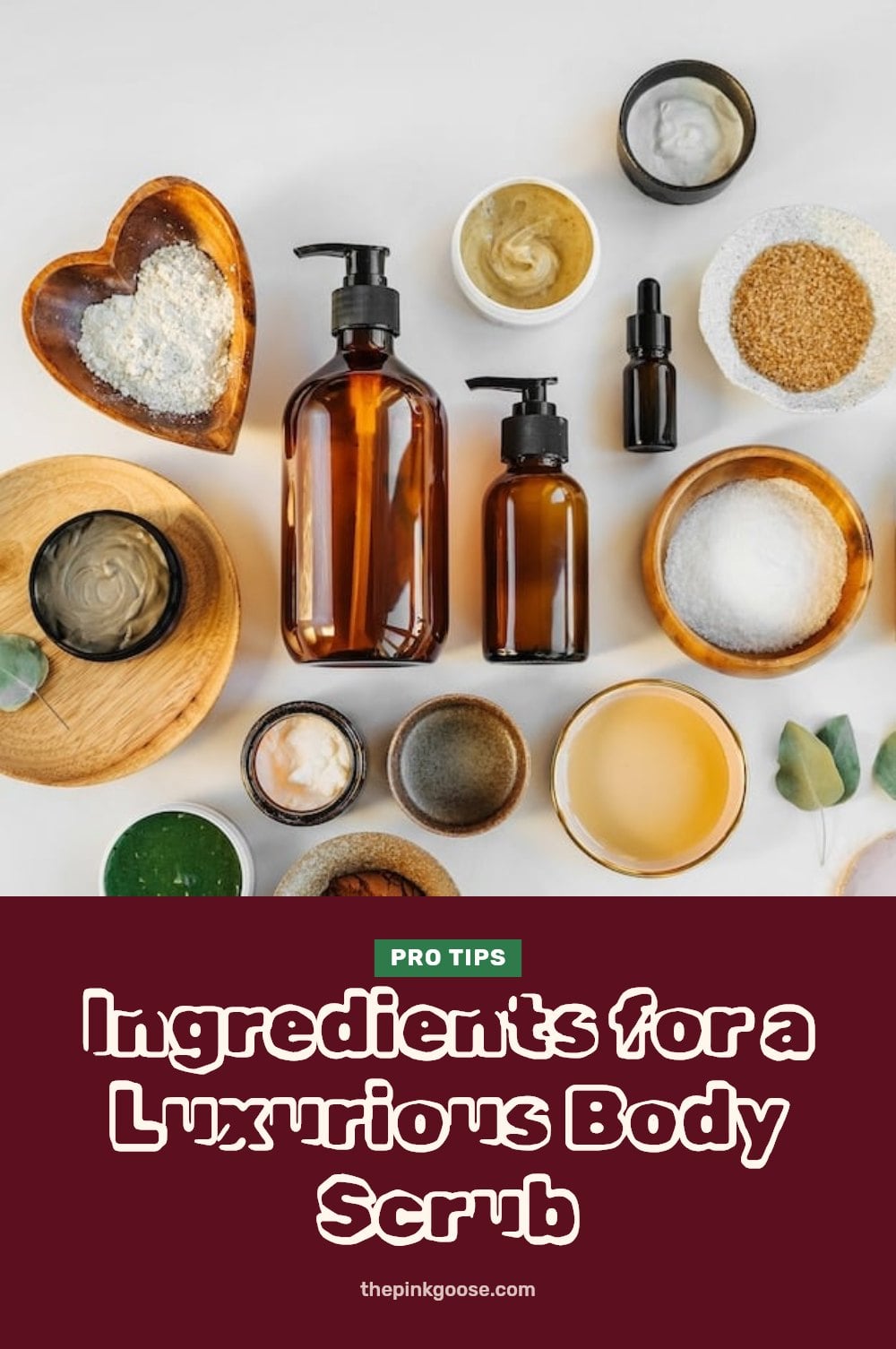
Patch Test: Before using a new scrub, test it on a small area of skin, especially if you have sensitivities. Wait 24 hours to check for a reaction. Listen to Your Skin: If your skin feels tight, red, or stings after scrubbing, reduce frequency or pressure. Your skin’s feedback is your best guide. Hydrate Internally: Drinking enough water supports your skin’s overall health and helps it recover after exfoliation. Choose Natural Ingredients: Scrubs with natural exfoliants like sugar or coffee grounds and nourishing oils are gentler on the skin than synthetic beads or harsh chemicals. Post-Shave Caution: Avoid scrubbing right after shaving. Your skin is more sensitive and prone to irritation. Wait at least 24 hours.
When to Consult a Dermatologist About Your Skin
See a dermatologist if you have persistent redness, burning, itching, or excessive dryness after scrubbing. Also consult a professional if you have active skin conditions like eczema, psoriasis, or severe acne, as exfoliation can worsen them. If you suspect an allergic reaction to a scrub ingredient, or if scrubbing consistently makes your skin issues worse, get medical advice.
Frequently Asked Questions
Can I use a body scrub on my face?
No, you should not use a body scrub on your face. Facial skin is much more delicate than the skin on your body, and the abrasive particles in body scrubs can cause micro-tears, irritation, and damage. Stick to a gentle facial exfoliant designed specifically for your face.
What should I do if my skin feels irritated after scrubbing?
If your skin feels red, tight, or stings after scrubbing, stop using the scrub immediately. Apply a gentle, fragrance-free moisturizer to soothe the skin, and avoid exfoliating until the irritation completely resolves. Next time, choose a gentler scrub or reduce how often you exfoliate.
Can body scrubbing help with ingrown hairs?
Yes, body scrubbing can help reduce ingrown hairs by exfoliating dead skin cells that trap hairs beneath the surface. Use a gentle scrub 2 to 3 times per week on areas prone to ingrowns, like the legs or bikini line. Avoid scrubbing on freshly shaved or irritated skin.
Is it better to scrub in the morning or at night?
Either time works, but morning scrubbing can give your skin a refreshed, energized feel and help wake you up. Nighttime scrubbing allows you to follow up with a rich moisturizer before bed. Choose the time that fits best into your routine and stick with it consistently.
How do I choose between a sugar and a salt scrub?
Sugar scrubs have finer, gentler granules that dissolve quickly, making them ideal for sensitive or dry skin. Salt scrubs are coarser and more invigorating, and they often contain minerals, but they can sting on broken or freshly shaved skin. Pick based on your skin’s sensitivity and your preference for gentleness versus intensity.
Final Thoughts
My tip: start with once a week if you have sensitive or dry skin, and work up to two or three times if your skin handles it well. You’ll likely notice smoother, brighter skin within a few weeks of consistent use. Stick with a routine that feels good, and your skin will thank you.
