

You’re in the middle of a stressful workday, your shoulders are tight, and your mind is racing. The good news is that you can calm your nervous system in just a few minutes without leaving your desk. Breathing exercises are simple, effective techniques that slow your heart rate and lower blood pressure, helping you reset quickly. This article covers five easy breathing methods you can do right where you sit, along with tips to make them a lasting habit.
Key Takeaways
- Slow, deep breathing activates your parasympathetic nervous system for a calm state.
- Diaphragmatic breathing involves expanding your belly, not your chest.
- Box breathing uses a 4-count inhale, hold, exhale, and hold pattern.
- Practice daily for several weeks to see cumulative benefits like improved focus.
- Stop immediately if you feel dizzy or lightheaded during any exercise.
Why Breathing Exercises Are Your Secret Weapon Against Desk Stress
Breathing exercises are simple techniques that can shift your body from a stressed state to a calm one in just a few minutes. By slowing your heart rate and activating your relaxation response, they help you reset during a hectic workday. Regular practice does more than offer quick relief: it builds better focus, steadier energy, and a stronger sense of well-being over time. My tip: keep a mental or physical note of how you feel before and after a session to see the difference yourself.
How Breathing Exercises Calm Your Body and Mind
How Breathing Exercises Calm Your Body and Mind
Slow, deep breathing stimulates the vagus nerve, which runs from your brainstem to your abdomen. This signal activates your parasympathetic nervous system, the branch responsible for “rest and digest.” As a result, your heart rate drops, muscles relax, and your body shifts away from fight-or-flight mode.
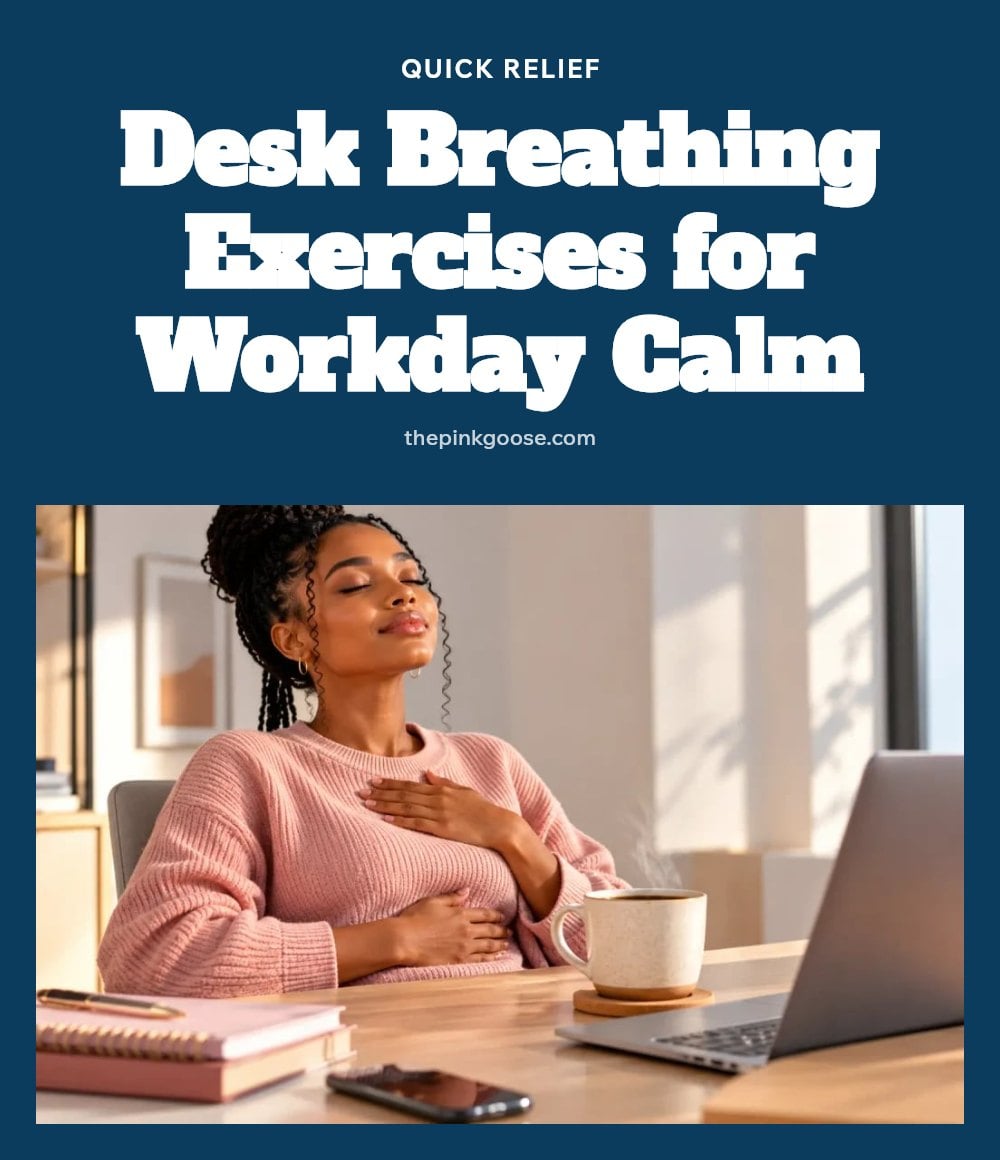
Engaging your diaphragm is key. Belly breathing, where your abdomen expands on the inhale, is far more effective than shallow chest breaths. Diaphragmatic breathing draws air deeper into your lungs, maximizing oxygen exchange and triggering a stronger relaxation response.
Regular practice also helps reduce cortisol, your body’s primary stress hormone. Lower cortisol levels mean less tension, better mood regulation, and improved resilience during a demanding workday.
What You Need to Start Your Breathing Practice
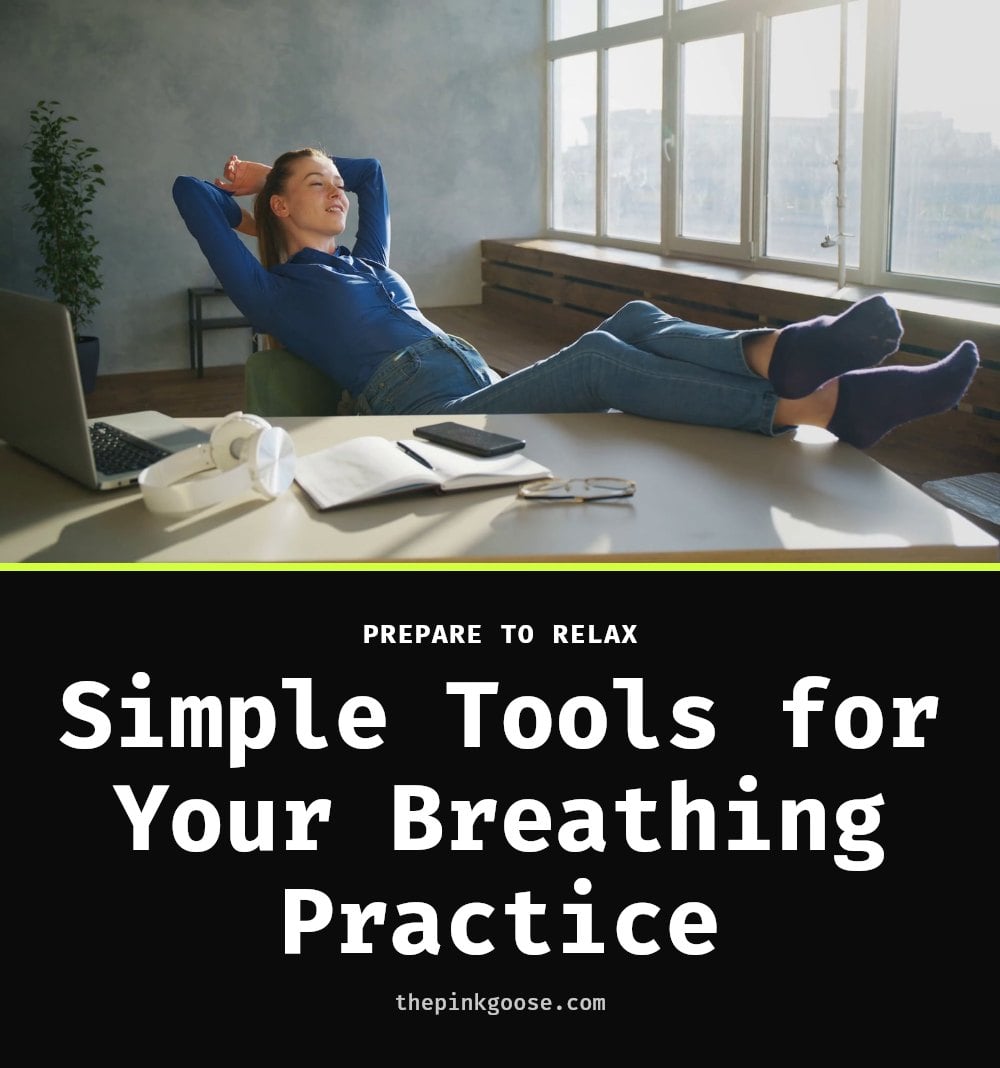
You need almost nothing to start. A comfortable chair that lets you sit upright with your feet flat on the floor is ideal. A quiet space helps, but if your office is noisy, you can mentally create a calm environment by closing your eyes or softening your gaze. That’s it, no equipment, no app, no special clothing required.
Effective Breathing Techniques You Can Do at Your Desk
Try these five techniques right at your desk. Each one takes two to five minutes.
Diaphragmatic Breathing
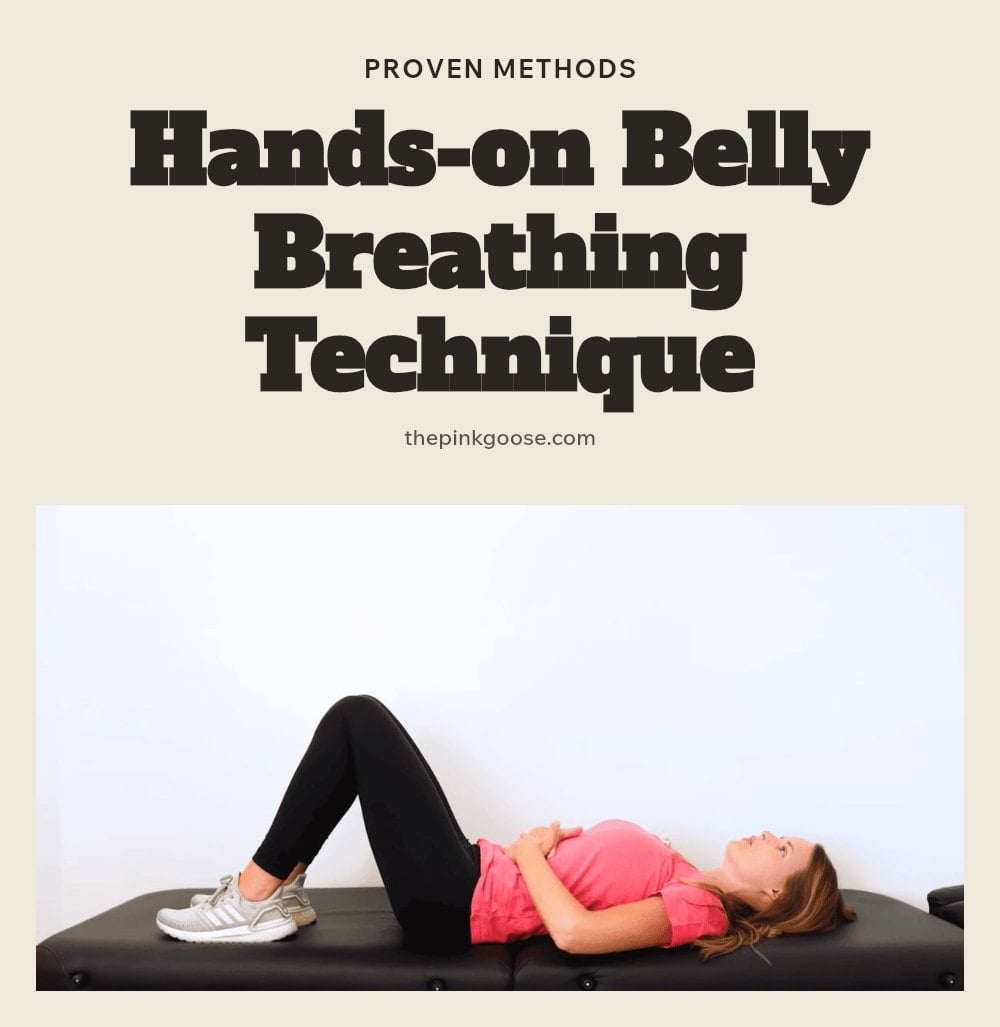
Sit upright, place one hand on your chest and the other on your belly. Inhale slowly through your nose, letting your belly rise. Your chest should stay mostly still. Exhale through your mouth, feeling your belly fall. Repeat for 1-2 minutes. My tip: practice this first until belly breathing feels natural. It’s the foundation for the others.
4-7-8 Breathing
Inhale through your nose for 4 counts. Hold your breath for 7 counts. Exhale completely through your mouth for 8 counts. That’s one cycle. Repeat 3-5 times. Caution: if holding for 7 feels uncomfortable, reduce the hold to 5 counts and adjust the exhale to 6.
Box Breathing
Inhale for 4 counts, hold for 4 counts, exhale for 4 counts, hold for 4 counts. Visualize tracing a square with your breath. Continue for 1-2 minutes. This equal-count pattern builds focus and steadiness.
Mindful Breathing
Close your eyes or soften your gaze. Simply observe your natural breath, the sensation of air moving in and out of your nostrils, the rise and fall of your chest. Don’t try to change it. When your mind wanders (it will), gently bring attention back to the breath. Do this for 2-3 minutes.
Coherent Breathing
Inhale for 6 counts, then exhale for 6 counts. Aim for about five full breaths per minute. This slow, rhythmic pattern synchronizes your heart rate and breathing rhythm, promoting a calm, steady state. Continue for 2-5 minutes.
Common Mistakes to Avoid When Practicing Breathing Exercises
Breathing shallowly from the chest: This is the most common mistake. Instead of letting your belly expand, you lift your shoulders and take short breaths. Place one hand on your chest and one on your belly; only the belly hand should rise.
Rushing through the exercise: Breathing exercises work because they slow you down. If you rush the inhales and exhales, you miss the vagus nerve activation. Count deliberately, even if that means a shorter total session.
Getting frustrated when your mind wanders: A wandering mind is normal. The moment you notice it, gently bring your attention back to your breath. No judgment needed.
Expecting profound relaxation every time: Some sessions feel deeply calming; others do not. That is fine. The cumulative benefit comes from consistency, not perfection.
Not practicing consistently: Sporadic sessions give sporadic results. A few minutes daily builds the habit and the long-term stress resilience.
Pro Tips for Making Breathing Exercises a Daily Habit
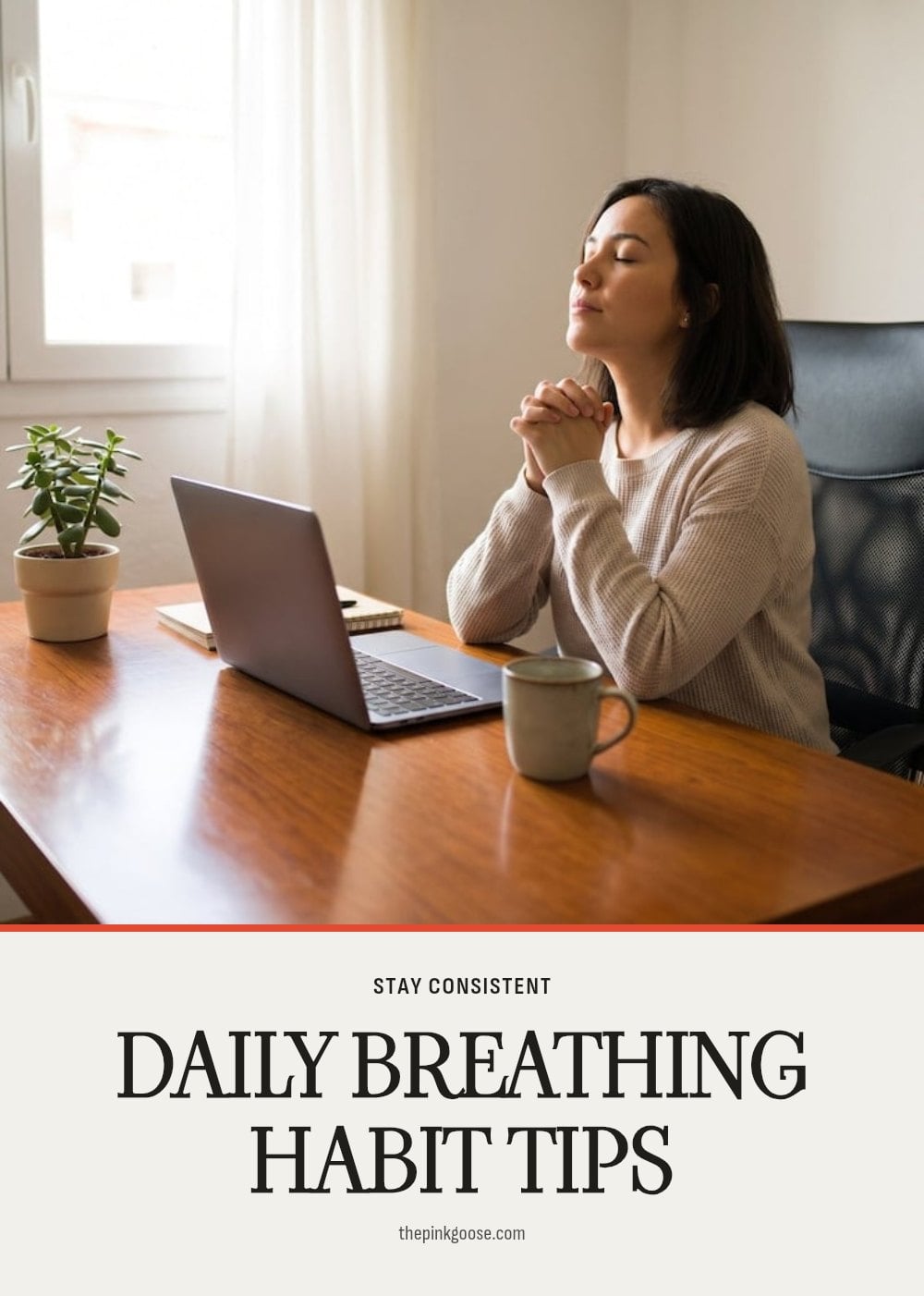
Find an upright posture: Sit with your feet flat on the floor and your spine straight. Slouching compresses your diaphragm and makes deep breathing harder.
Close your eyes or soften your gaze: This reduces visual distractions and helps you turn your attention inward.
Focus solely on your breath: Notice the air moving in and out, the rise and fall of your belly. When thoughts intrude, return to that sensation.
Practice regularly, even for short periods: Two minutes three times a day is more effective than ten minutes once a week. Consistency builds the habit.
Start with shorter durations: Begin with one to two minutes and add time as it feels comfortable. Forcing a long session can create frustration.
Try different techniques: Diaphragmatic breathing, 4-7-8, box breathing, or mindful breathing. Find the one that fits your mood and schedule.
Hum during exhalation: A soft hum on the exhale can further stimulate the vagus nerve, deepening the relaxation response.
How Long Until You Feel the Benefits and How Often to Practice
You can feel short-term relief from stress immediately after a single session. Your heart rate slows, your muscles relax, and your mind quiets. For lasting changes in your overall well-being, practice daily for several weeks or months. Cumulative benefits include improved focus, lower baseline anxiety, and better sleep.
You do not need a long session. Even two to five minutes, several times a day, is enough. There is no cost involved, no equipment to buy, and no subscription required.
When to Talk to a Professional About Stress and Breathing
If you feel lightheaded, dizzy, or experience any discomfort during a breathing exercise, stop immediately and return to your normal breathing pattern. These exercises are generally safe, but they are not a substitute for medical treatment.
If you have a respiratory or cardiovascular condition, consult your doctor before starting any new breathing practice. Similarly, if your stress or anxiety feels persistent, overwhelming, or interferes with daily life, seek professional medical advice. Breathing exercises can be a helpful complementary tool, but they should not replace therapy or medication when needed.
Frequently Asked Questions
How quickly do breathing exercises work?
You can feel short-term relief from stress immediately after a single session. Your heart rate slows, your muscles relax, and your mind quiets. For lasting changes in overall well-being, practice daily for several weeks or months.
Can breathing exercises help with panic attacks?
Breathing exercises can be a complementary practice for managing anxiety and panic attacks. They may help calm your nervous system during an episode. However, they are not a substitute for medical treatment. If you have a diagnosed condition, consult your doctor for a comprehensive plan.
How often should I practice breathing exercises?
Practice daily, even for short periods, to build consistency. A few minutes each day is enough to start. For cumulative benefits like improved focus and lower baseline anxiety, aim for consistent daily practice over several weeks or months.
Is it okay to do breathing exercises with my eyes open?
Yes, you can do breathing exercises with your eyes open. If closing your eyes is not comfortable or practical at your desk, soften your gaze by looking at a neutral spot in front of you. This reduces visual distractions while keeping you aware of your surroundings.
What if I feel dizzy during a breathing exercise?
If you feel lightheaded, dizzy, or experience any discomfort, stop the exercise immediately and return to your normal breathing pattern. This is a sign to ease up on the pace or depth of your breaths. If symptoms persist, consult a doctor, especially if you have a respiratory or cardiovascular condition.
Final Thoughts
For the best results, pick one technique and practice it for two to five minutes each day at your desk. You’ll feel short-term relief after a single session, but the real changes in your baseline anxiety and focus come with consistent daily practice over several weeks or months. Start with diaphragmatic breathing or box breathing, and let your breath be your reset button.
This article is for general informational purposes only and does not constitute medical advice. Breathing exercises are not a substitute for professional treatment for anxiety, depression, or any health condition. If you have a respiratory or cardiovascular condition or experience persistent symptoms, consult a doctor or qualified healthcare provider.
