

We all face tough times, but resilience isn’t about never feeling the weight of them. It’s about learning how to navigate stress, setbacks, and change so you come through stronger. This article covers practical, research-backed strategies you can start using today to build your mental strength and bounce back more effectively.
Key Takeaways
- Resilience is a learned skill, not a fixed trait. You can build it over time.
- Strong social connections and regular self-care (sleep, nutrition, exercise) are foundational.
- Practicing mindfulness and reframing negative thoughts help regulate emotions.
- Break big goals into small steps and celebrate each victory along the way.
- View challenges as opportunities for growth to build lasting mental strength.
What is Resilience and Why Does it Matter?
Resilience is your ability to bounce back from life’s challenges, not avoid them. It’s a learned skill that helps you navigate stress and grow stronger. Developing resilience means building self-awareness, coping strategies, and strong support systems. With practice, you can handle setbacks more effectively and come through them with greater confidence.
1. Cultivate Strong Social Connections
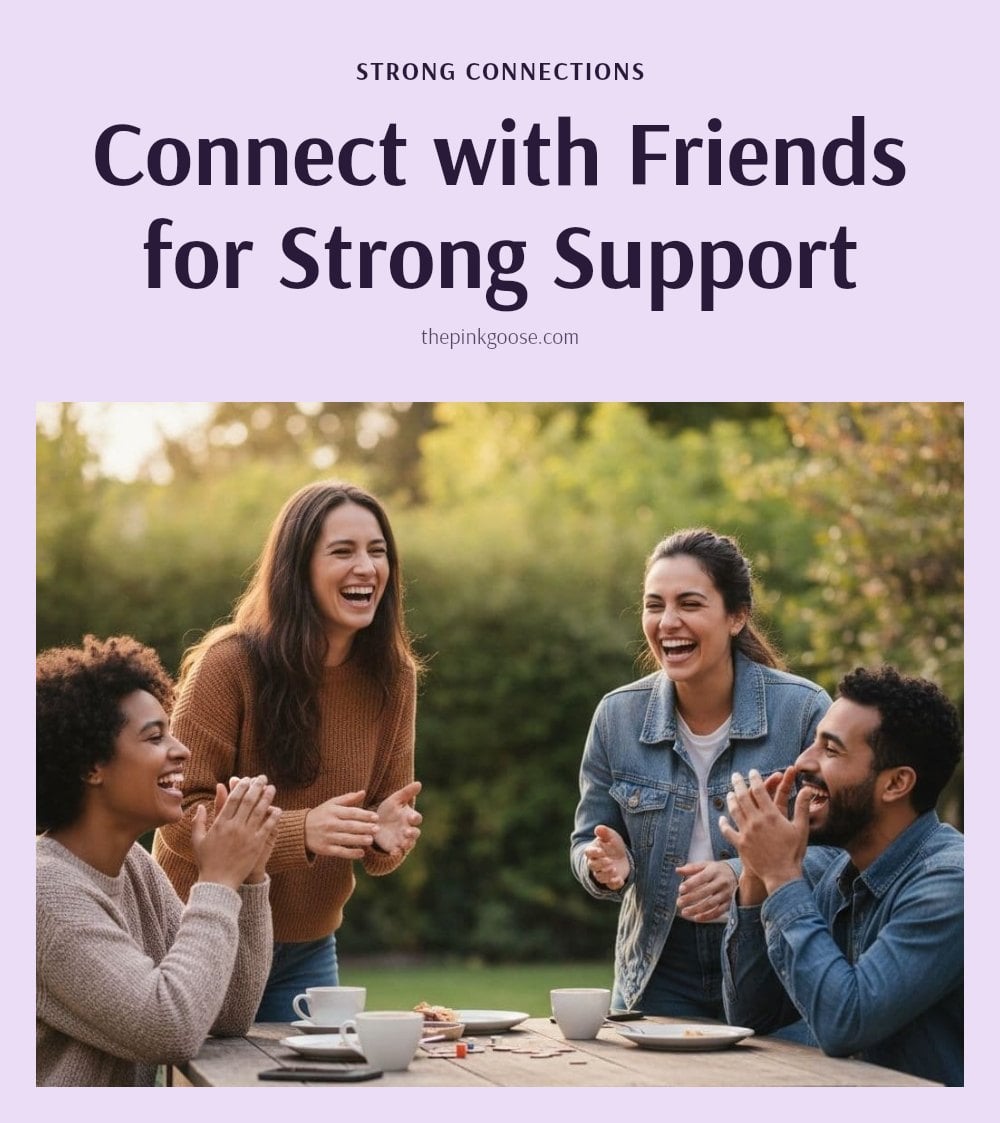
Reach out to friends and family regularly. Strong social bonds are a cornerstone of resilience because they provide emotional support and practical help when you need it.
Actively participate in community groups or hobbies to expand your support network. This gives you more people to turn to and a sense of belonging.
My tip: Schedule regular check-ins with loved ones, even if it’s just a quick call or text. It makes a huge difference in staying connected and feeling supported.
2. Prioritize Self-Care and Physical Health

Prioritize your physical health to support your mental resilience. Ensure you get adequate sleep (7-9 hours) as it’s foundational for emotional well-being. Eat a balanced diet to fuel your body and mind; what you eat directly impacts your mood and energy.
Engage in regular physical activity, even a short walk can reduce stress and boost your mood. These habits build the physical stamina you need to cope with challenges.
3. Practice Mindfulness and Meditation
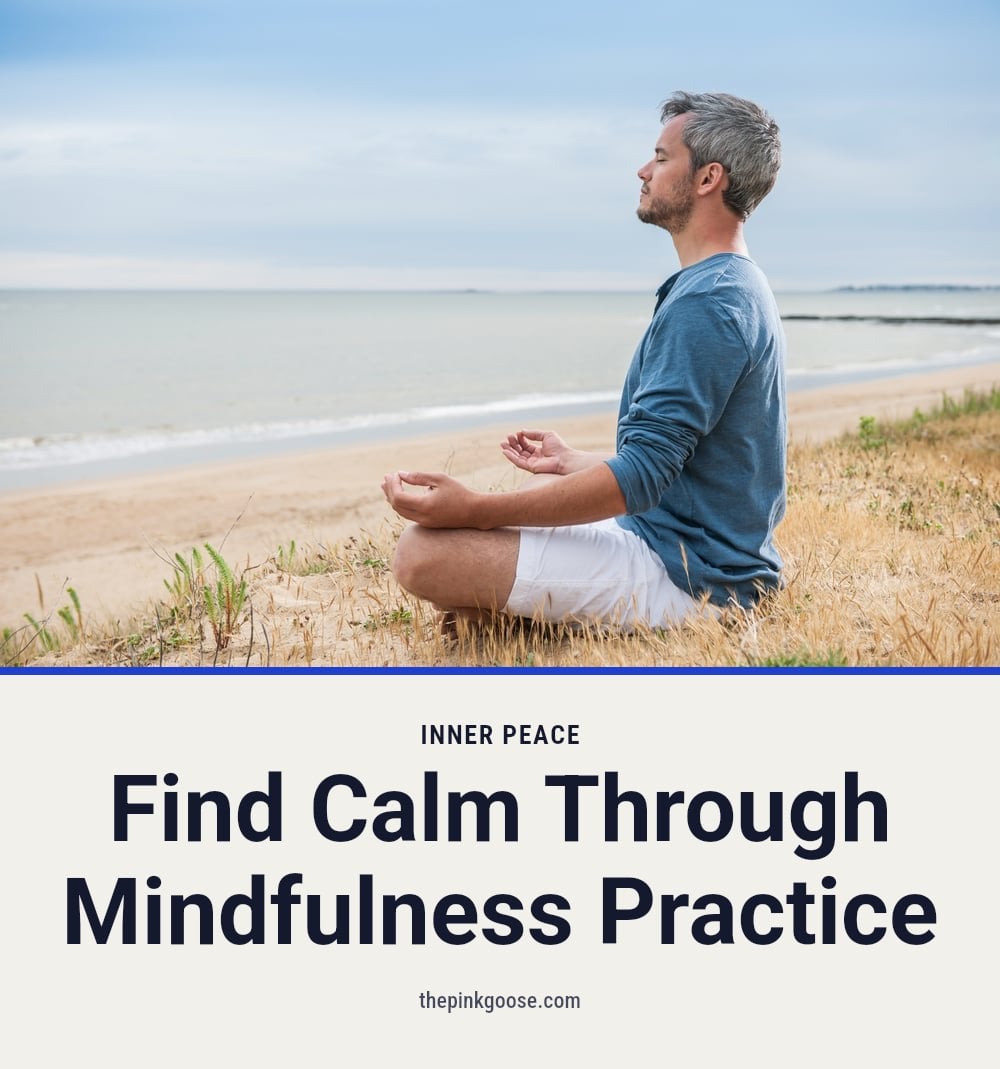
Practice mindfulness to stay present and observe thoughts without judgment. This enhances emotional regulation, helping you respond to stress more calmly. Start with short meditation sessions (5-10 minutes) using guided apps to reduce stress.
My tip: Try a body scan meditation to become more aware of physical sensations and release tension. It’s a simple way to reconnect with your body and calm your mind.
4. Set Realistic Goals and Take Small Steps
Break down larger goals into manageable, actionable steps. When a big goal feels overwhelming, dividing it into smaller tasks makes each one feel doable and builds a sense of accomplishment. Celebrate small victories along the way, whether it’s finishing a task or sticking to a habit for a week. This reinforces your self-efficacy and keeps motivation high.
Tip: Focus on one small, achievable goal each week. Completing it builds momentum and confidence for the next one.
5. Reframe Negative Thoughts
Challenge unhelpful thought patterns by asking if they are truly accurate or just one perspective. When a negative thought arises, pause and ask yourself: ‘Is there another way to look at this?’ This simple shift helps you see a situation more objectively. Focus on what you can control in the moment, rather than dwelling on what you can’t. That small shift in attention reduces feelings of helplessness and opens up solutions.
Good to know: When a negative thought arises, try to find an alternative, more balanced perspective. ‘Is there another way to look at this?’
6. Learn from Past Experiences
Reflect on past challenges and identify the strengths and strategies you used to overcome them. Every setback offers an opportunity for growth and new learning, even if it doesn’t feel that way at first. Recognizing what worked before builds confidence that you can handle future difficulties.
Pro move: Keep a ‘resilience journal’ where you note down tough times and how you navigated them. It’s a powerful reminder of your inner strength and the skills you’ve already developed.
7. Develop Problem-Solving Skills
When faced with a challenge, brainstorm multiple solutions before settling on one. Generating several options prevents you from getting stuck on a single, possibly flawed approach. Break down complex problems into smaller, more manageable parts to tackle them systematically. This step-by-step method makes even big problems feel solvable.
Quick tip: Don’t be afraid to ask for input from trusted friends or mentors when you’re stuck on a problem. A fresh perspective can reveal solutions you hadn’t considered.
8. Cultivate a Sense of Purpose
Engage in activities that align with your values and bring you meaning. When your actions reflect what truly matters to you, daily challenges feel more manageable because they’re part of a bigger picture. Helping others can provide a strong sense of purpose and perspective, shifting focus away from personal struggles.
Tip: Volunteer for a cause you care about. It’s incredibly rewarding and can boost your own well-being while strengthening your resilience.
9. Maintain a Hopeful and Optimistic Outlook
Consciously choose to focus on possibilities and positive outcomes without ignoring reality. This doesn’t mean pretending everything is fine; it means looking for what you can learn or gain from a situation. Practicing gratitude daily by noting things you are thankful for can shift your perspective and build optimism.
Good to know: Start or end your day by listing three things you’re grateful for, no matter how small. This simple habit trains your brain to notice the good.
10. Embrace Self-Compassion
Treat yourself with the same kindness and understanding you would offer a good friend during difficult times. Many people are much harder on themselves than they would ever be on someone else. Recognizing that imperfection is part of the human experience makes it easier to accept struggles without self-criticism.
Pro move: When you’re feeling down, try a self-compassion break: acknowledge your suffering, remember it’s part of being human, and offer yourself kindness. This practice builds emotional resilience by reducing the impact of negative self-talk.
11. Seek Opportunities for Personal Growth
View challenges as opportunities to learn new skills or deepen your understanding of yourself. When you frame setbacks as chances to grow, they become less intimidating and more manageable. Stepping outside your comfort zone occasionally builds confidence and adaptability, making you more resilient over time.
Quick tip: Take a class, learn a new hobby, or read books on topics that interest you. Continuous learning fuels growth and keeps your mind flexible when facing new difficulties.
Common Mistakes When Building Resilience
Believing resilience means never feeling pain: Resilience isn’t about avoiding distress, but about navigating it effectively. It’s okay to feel your emotions. Suppressing them can actually make it harder to bounce back.
Trying to cope with everything alone: Isolating yourself during tough times can hinder your progress. Reach out to your support network. Even a short conversation can lighten the load.
Ignoring physical health: Neglecting sleep, nutrition, and exercise undermines your mental and emotional capacity to cope. Your body and mind are connected, so caring for one supports the other.
Expecting immediate results: Building resilience is an ongoing process. Be patient with yourself and celebrate small, consistent efforts. Each step forward counts, even if progress feels slow.
Frequently Asked Questions
How long does it take to build resilience?
Resilience isn’t built overnight. It’s a gradual process that unfolds over weeks and months as you consistently practice coping strategies, self-care, and reflection. Many people start noticing small shifts in how they handle stress after a few weeks of focused effort, but lasting change comes with continued practice.
Can resilience be learned at any age?
Yes, resilience can be developed at any stage of life. While early experiences can shape coping habits, the brain remains capable of learning new patterns and skills well into adulthood. Whether you’re a teenager or in your later years, you can strengthen your resilience through intentional practice and support.
What is the difference between resilience and toughness?
Toughness often implies suppressing emotions or pushing through pain without showing vulnerability. Resilience, on the other hand, involves acknowledging your feelings, seeking support, and adapting flexibly to challenges. Resilient people allow themselves to feel distress while still moving forward, which is healthier and more sustainable in the long run.
Is it normal to have bad days when building resilience?
Absolutely. Building resilience is not about being positive or strong every single day. Having bad days is a normal part of the process and doesn’t mean you’re failing. What matters is that you recognize the setback, practice self-compassion, and get back to your coping strategies when you’re ready.
How do I know if I’m making progress in building resilience?
Progress often shows up in small ways: you recover from a setback a little faster than before, you reach out for help instead of isolating, or you notice a negative thought and can reframe it. Keeping a journal to track how you handle challenges over time can help you see the gradual improvements that might otherwise go unnoticed.
Final Thoughts
Building resilience is an ongoing process that takes consistent effort, but small daily practices add up. Start with one strategy that feels manageable, like reaching out to a friend or a five-minute mindfulness session, and build from there. You don’t have to do it all at once, and it’s okay to have setbacks. Over time, you’ll notice you’re handling life’s ups and downs with more ease and confidence.
This article is for informational purposes only and does not constitute medical or mental health advice. If you are experiencing persistent feelings of hopelessness, anxiety, depression, or thoughts of self-harm, please consult a qualified mental health professional or contact a crisis hotline immediately.
