

Rough, thickened patches on the soles of your feet can be frustrating, especially when they make walking uncomfortable or feel unsightly. Calluses are your skin’s natural way of protecting itself from repeated friction, but that doesn’t mean you have to live with them. This article covers gentle, effective at-home care and prevention tips to help you soften calluses, reduce their thickness, and keep them from coming back.
Key Takeaways
- Soak feet in warm water for 10-20 minutes before gentle filing with a pumice stone.
- Moisturize daily with a cream containing urea or salicylic acid to keep skin soft.
- Wear properly fitting shoes with a wide toe box and adequate cushioning.
- Never cut or shave calluses at home to avoid injury and infection.
- Consult a podiatrist if you have diabetes, poor circulation, or persistent pain.
What Are Calluses and Why Do They Form?
Calluses are areas of thickened, hardened skin that form as a protective response to repeated friction or pressure. They commonly appear on the soles of the feet, especially under the balls of the feet, on the heels, or on the palms of the hands. Unlike corns, calluses are generally broader, flatter, and lack a distinct central core. They develop to shield the skin from irritation, so they’re not inherently harmful, but they can become uncomfortable if left untreated.
1. Soak Your Feet in Warm Water
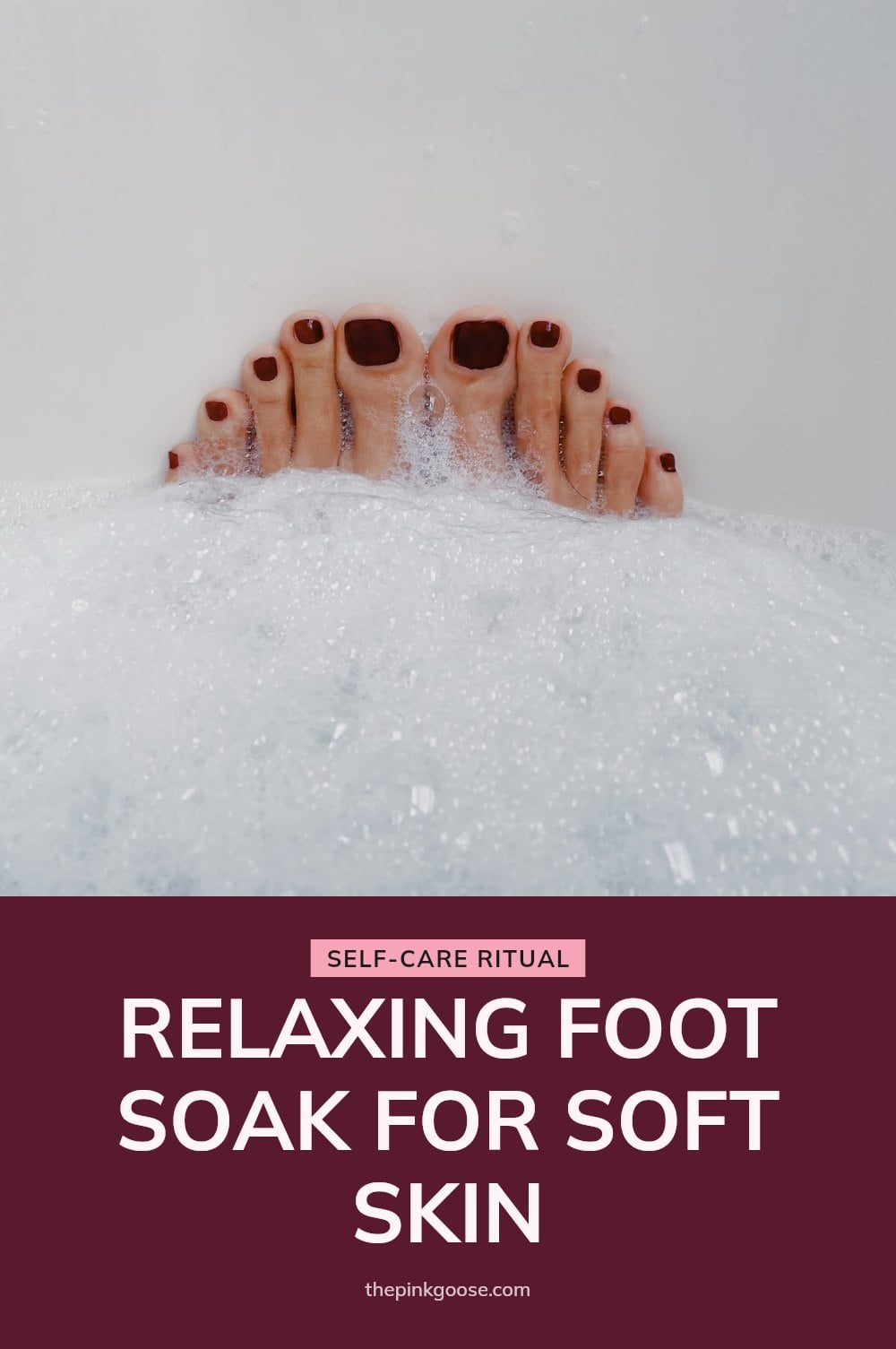
Soak your feet in warm water for 10-20 minutes to soften the hardened skin, making it much easier to address. The warmth helps loosen the tough outer layer, so you can gently work on it afterward without excessive force.
- Use comfortably warm water, not hot, to avoid burning.
- Add a few drops of essential oil like lavender for a relaxing experience, but avoid anything that could irritate your skin.
- Pat your feet dry with a clean towel before moving to the next step.
2. Gently File with a Pumice Stone

After soaking, gently rub the callused area with a pumice stone or foot file in a circular motion to reduce thickness. This helps slough off dead skin cells, but the key is to be gentle.
- Keep the stone or file moving in small circles for a few seconds per area.
- Rinse the tool frequently to remove skin debris.
- Stop if you feel any pain, and never scrub aggressively, as this can irritate the skin and potentially make the callus worse.
3. Moisturize Daily with Rich Creams
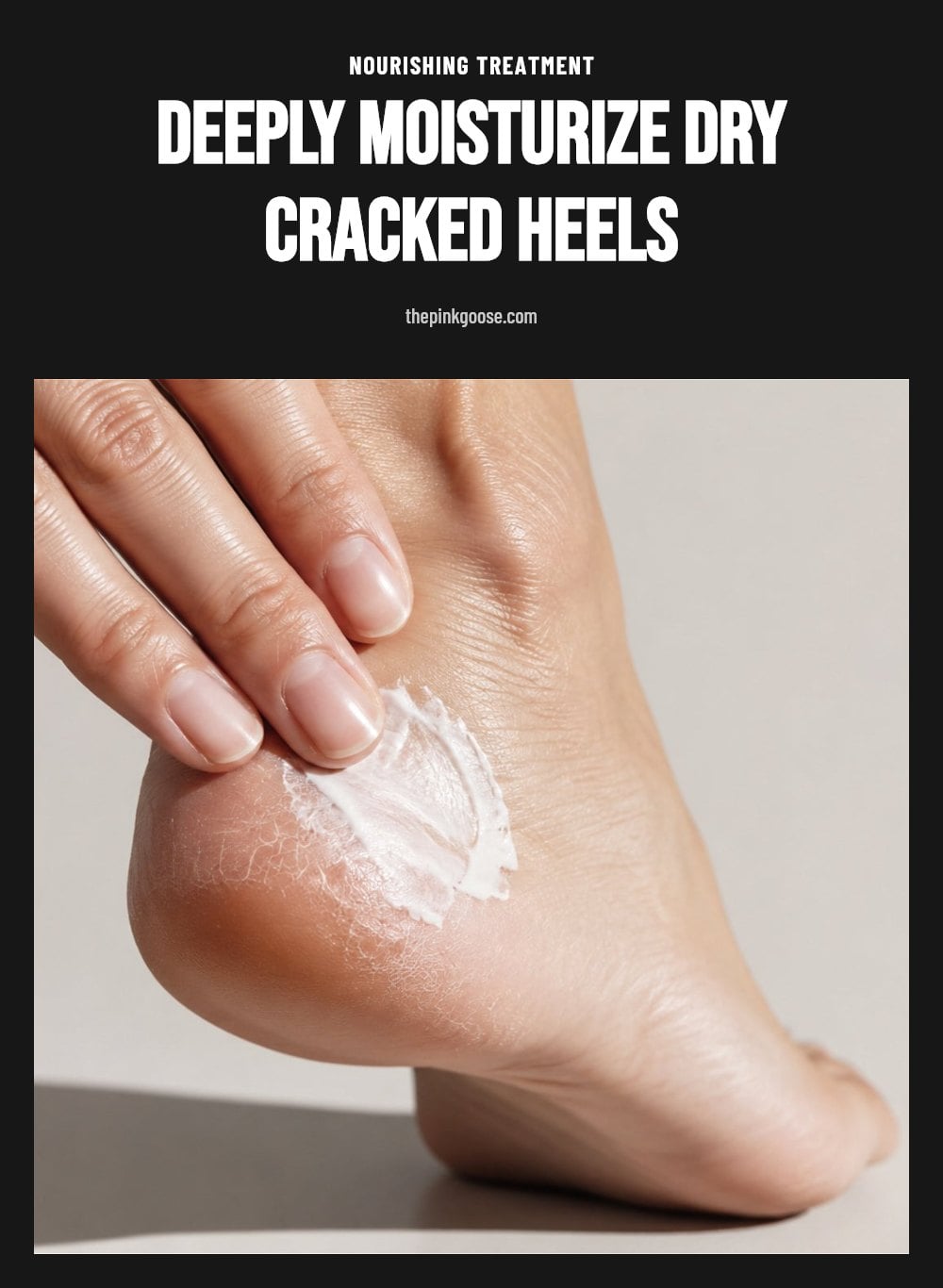
Regularly applying a rich moisturizer or foot cream, especially after bathing, helps keep skin soft and prevents calluses from hardening. The best time is right after you pat your feet dry, while the skin is still slightly damp.
- Look for ingredients like urea or salicylic acid, which are excellent for softening tough skin. I’ve found these make a real difference.
- Massage the cream into the callused area for a minute to boost absorption.
- For extra overnight care, apply a thick layer and wear cotton socks to lock in moisture.
4. Use Over-the-Counter Callus Removers
Over-the-counter callus removers typically contain salicylic acid, which works by dissolving the keratin protein that makes calluses hard and thick. This helps the dead skin peel away gradually over several days.
My tip: Read and follow the product instructions exactly. Apply the remover only to the callus itself and avoid the surrounding healthy skin, which can become red or irritated from the acid. Stop use if you notice any stinging or burning on normal skin.
5. Wear Properly Fitting Shoes
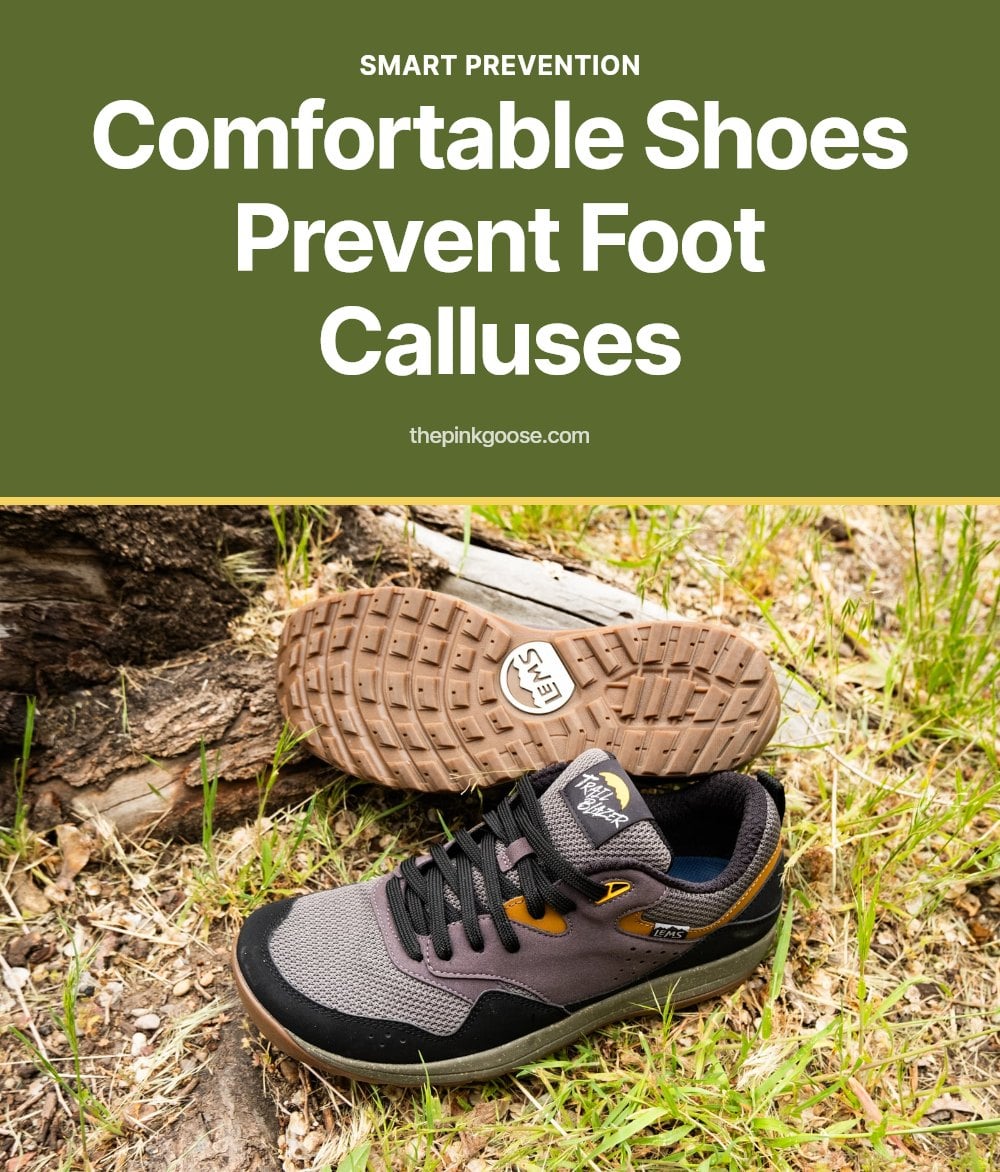
Ill-fitting shoes are a common culprit for calluses. When your toes are cramped or your heel slides, friction increases and pressure concentrates on specific spots. Opt for comfortable, well-fitting shoes with a wide toe box and adequate cushioning.
- Look for styles that allow your toes to move freely without rubbing against the top or sides.
- Choose shoes with good arch support and a cushioned sole to absorb impact.
- This reduces friction and pressure on your feet, which is crucial for preventing new calluses from forming and existing ones from worsening.
6. Utilize Protective Pads and Inserts
Protective pads and orthotics cushion the pressure points on your feet, distributing weight more evenly across the sole. This reduces the concentrated friction that triggers callus formation.
If you have a foot deformity like a bunion or hammertoe, or if you run or stand for long hours, a gel pad or custom insert can make a big difference. Place the pad directly over the callus or inside your shoe at the pressure point. Tip: Look for non-medicated pads to avoid irritating the surrounding skin.
7. Address Underlying Causes
Identify the source: Look at what your feet touch most, your shoes, the ground when you walk barefoot, or equipment you use for hobbies like running or weightlifting. That repeated friction is what triggers the callus to form in the first place.
If you file and moisturize but keep wearing the same tight shoes or walking barefoot on hard surfaces, the callus will come right back. Change the habit, and you stop the cycle at its root.
8. Maintain Foot Hygiene
Keeping your feet clean and dry is a simple step that supports overall foot health. Wash them daily with mild soap and dry thoroughly between the toes. This habit helps prevent infections, especially if the skin around a callus is cracked or irritated.
9. Avoid Cutting or Shaving Calluses
Never cut or shave calluses: Using razors, scissors, or other sharp tools at home carries a high risk of injury and infection. Even if you’re careful, cutting can damage deeper skin layers and stimulate more callus growth, making the problem worse. Stick to gentle filing and moisturizing instead.
10. Be Patient and Consistent
Treating calluses takes time and consistent effort. You won’t see results overnight, but with regular soaking, gentle filing, and daily moisturizing, you can notice improvement in a few weeks. Ongoing maintenance is key to keeping your feet soft and preventing calluses from returning.
11. Know When to See a Professional
If you have diabetes, poor circulation, or nerve damage, consult a podiatrist before any at-home callus treatment. Also see a professional for persistent pain, signs of infection like redness or swelling, or if calluses don’t improve with home care. Self-treatment can be risky in these cases.
Frequently Asked Questions
What’s the difference between a callus and a corn?
Calluses are broader, flatter patches of thickened skin without a distinct core, while corns are smaller and have a hard central core. Corns tend to form on the tops and sides of toes, where pressure is more concentrated, whereas calluses develop on weight-bearing areas like the soles and heels.
Can calluses go away on their own?
If you remove the source of friction or pressure, a callus may gradually shrink or disappear on its own as the skin sheds naturally. However, this can take weeks or months, and most people prefer to speed the process along with gentle soaking, filing, and moisturizing.
How long does it take to get rid of a callus?
With consistent care, you can typically see improvement in a few weeks. Daily moisturizing and weekly gentle filing help soften and reduce the callus, but ongoing maintenance is usually needed to prevent it from returning, especially if the underlying cause isn’t addressed.
Are callus removers safe to use?
Over-the-counter callus removers containing salicylic acid are generally safe when used exactly as directed. Apply them only to the callus, avoiding healthy surrounding skin, and stop use if you experience irritation, redness, or pain. People with diabetes or poor circulation should consult a doctor first.
Can diet affect calluses?
There is no strong evidence that diet directly causes or cures calluses. However, staying hydrated and eating a balanced diet supports overall skin health, which may help your skin stay more resilient. The primary triggers for calluses are mechanical, like friction and pressure from shoes or activities.
Final Thoughts
For most people, a consistent routine of weekly soaking and gentle filing, plus daily moisturizing, can show noticeable improvement in a few weeks. The real key is addressing the source of friction, whether that means switching shoes, adding protective pads, or modifying an activity. Stick with it, and your feet will thank you.
This article is for general informational purposes only and does not constitute medical advice. If you have diabetes, poor circulation, nerve damage, or a persistent foot problem, consult a podiatrist or healthcare professional before starting any at-home treatment.