

If running feels like a chore or leaves your joints aching, you are not alone. Many women skip cardio altogether because they think running is the only way to get their heart pumping. The truth is, you can build a strong, healthy heart with activities that actually feel fun. This article covers the best alternatives to running, from dancing to swimming to hiking, so you can find a cardio routine you will look forward to.

Key Takeaways
- Brisk walking at a pace where you can talk but not sing counts as effective moderate-intensity cardio.
- Swimming and cycling are excellent low-impact options that protect your joints while building endurance.
- Dancing, hiking, and rowing keep workouts varied and work different muscle groups.
- The American Heart Association recommends 150 minutes of moderate or 75 minutes of vigorous cardio per week.
- Starting slowly and warming up for 5-10 minutes helps prevent injury and burnout.
Effective Cardio Without Running
Cardiovascular exercise strengthens your heart and lungs, improving your overall health and energy levels. But if running isn’t your thing, you’re not out of luck. There are many effective and enjoyable alternatives, including swimming, cycling, dancing, and brisk walking. My tip: The key is finding an activity you genuinely enjoy, which makes it much easier to stick with consistently and see real results.
1. Brisk Walking or Power Walking
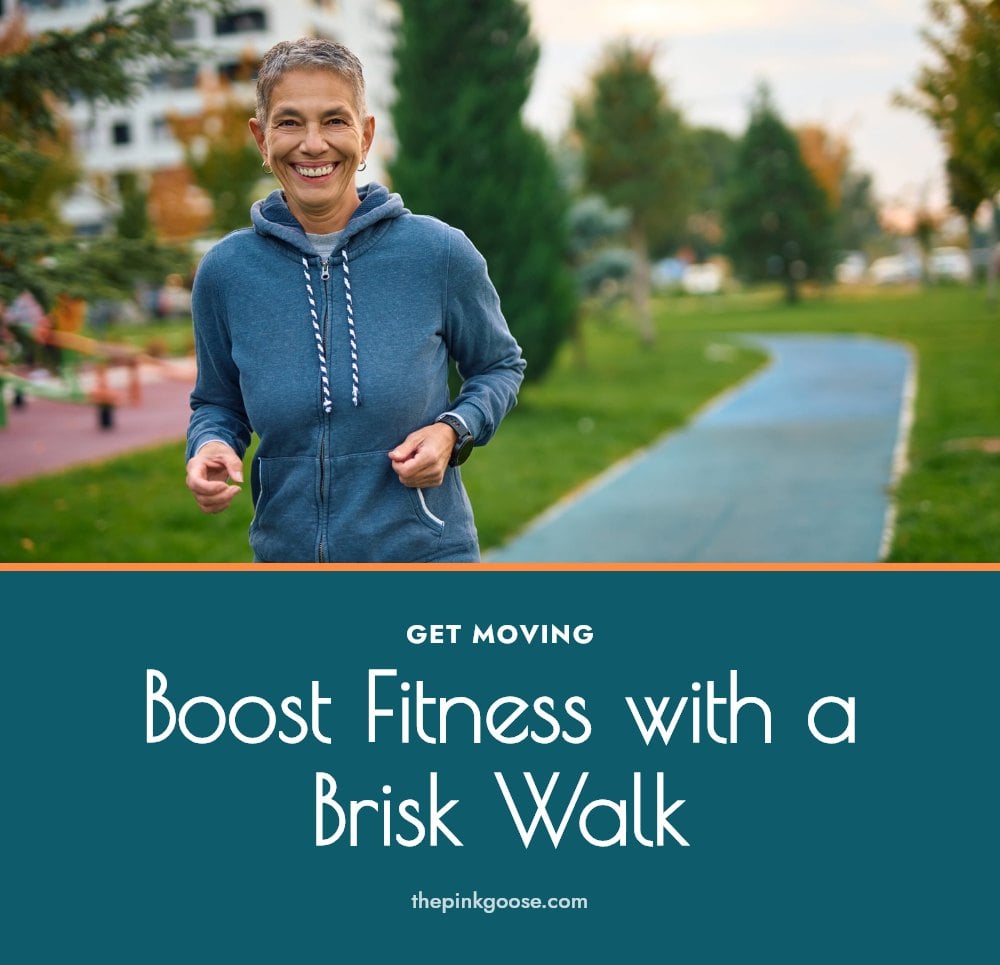
Brisk walking is one of the most accessible ways to get your heart rate up without the high impact of running. Aim for a pace where you can talk but not sing, which puts you in the moderate-intensity zone.
- Time: Start with 30 minutes, 3-5 times a week, then gradually increase duration or add inclines for a greater challenge.
- Form cue: Keep your head up, shoulders back, and swing your arms naturally to engage your upper body.
- Make it easier or harder: Slow your pace or take a flat route to ease up; add hills, stairs, or a weighted vest to push yourself.
2. Cycling (Indoor or Outdoor)

Cycling, whether on a stationary bike or outdoors, is a low-impact exercise that builds leg strength and cardiovascular endurance. You can easily vary the resistance or speed to challenge yourself and keep workouts interesting.
- Time: Aim for 30-60 minutes, 2-4 times a week, adjusting based on your fitness level.
- Form cue: Keep your knees tracking over your toes and maintain a slight bend in your elbows to absorb road vibration.
- Make it easier or harder: Lower resistance and maintain a steady pace for an easier ride; increase resistance or add short sprints for intensity.
3. Swimming or Water Aerobics

Swimming and water aerobics provide a full-body, zero-impact workout that’s gentle on joints while engaging multiple muscle groups and improving lung capacity. The water’s resistance makes every movement work your muscles without the stress of impact.
- Time: Try swimming laps for 30 minutes or join a water aerobics class 2-3 times a week.
- Form cue: Keep your core engaged and breathe rhythmically, exhaling fully underwater to improve efficiency.
- Make it easier or harder: Use a kickboard or float belt to reduce intensity; increase speed, use hand paddles, or try interval sprints for a tougher workout.
4. Dancing (Zumba, Aerobics, or Freeform)
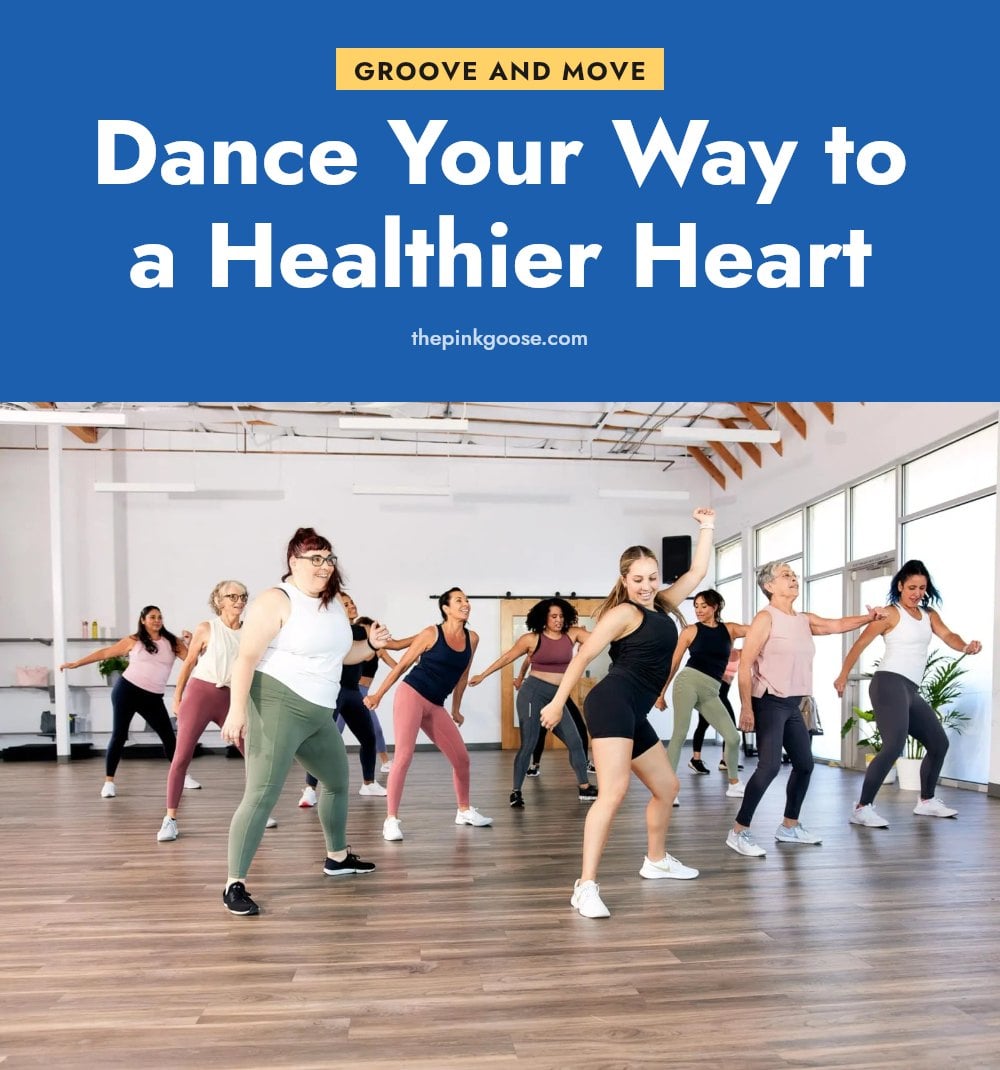
Dancing is a fun, high-energy way to get your heart rate up while improving coordination and mood. You can join a class like Zumba or aerobics, or just dance at home to your favorite playlist for 30-45 minutes, 2-3 times a week.
- Time: 30-45 minutes per session, 2-3 times a week
- Form cue: Keep your core engaged and arms moving to maximize calorie burn
- Make it easier or harder: Lower intensity by sticking to basic steps; increase intensity by adding jumps or faster arm movements
5. Hiking

Hiking combines cardio with nature and varying terrain, engaging different leg muscles and improving balance. Start with shorter, flatter trails and gradually increase difficulty, aiming for 1-2 hikes a week for a refreshing outdoor workout.
- Time: 30-60 minutes per hike, 1-2 times a week
- Form cue: Maintain a steady pace and use your arms for balance on uneven ground
- Make it easier or harder: Choose flat, paved paths for easier hikes; add steep inclines or longer distances for more challenge
6. Rowing
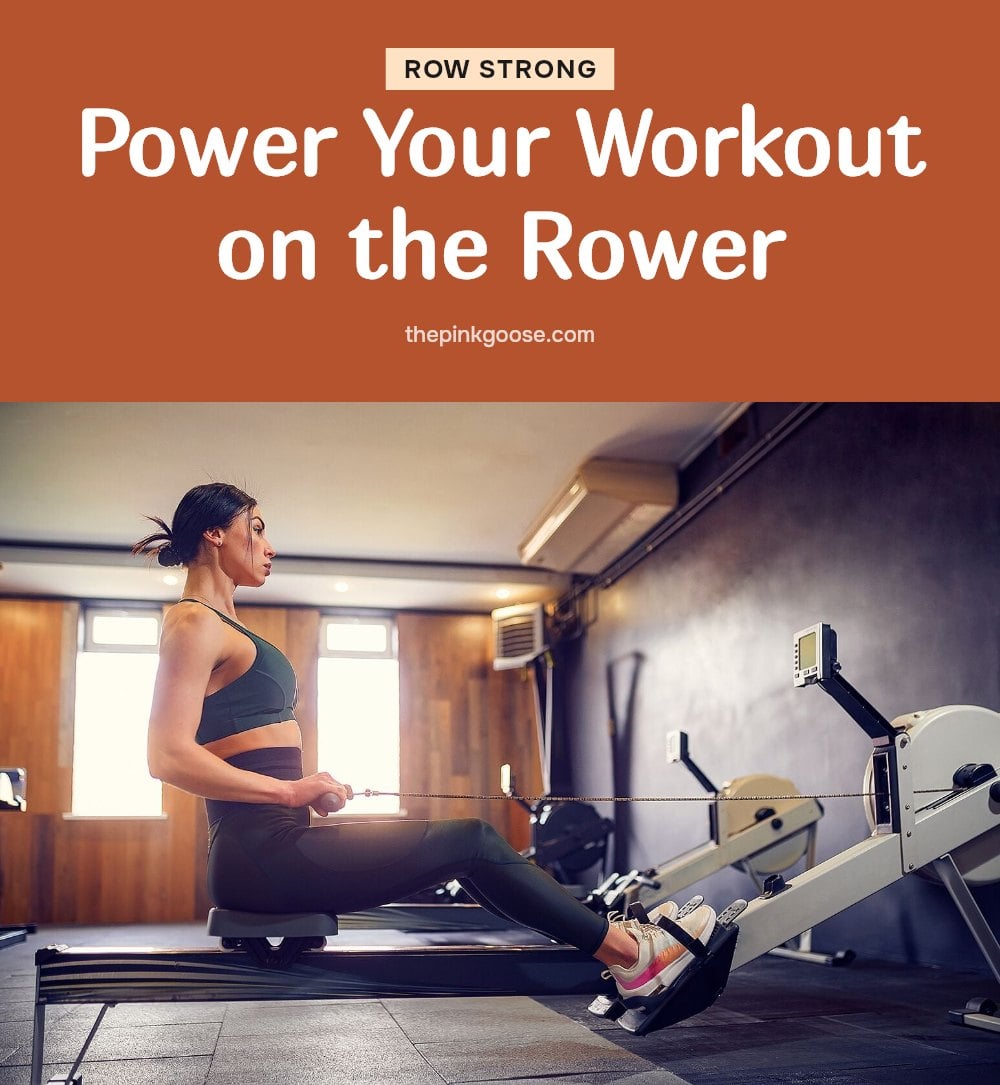
Rowing is a full-body, low-impact workout that strengthens your legs, core, and upper body simultaneously. Focus on proper form: drive with your legs, then pull with your arms, and aim for 20-30 minutes, 2-3 times a week.
- Time: 20-30 minutes per session, 2-3 times a week
- Form cue: Keep your back straight and push through your heels on the drive
- Make it easier or harder: Reduce resistance for an easier row; increase stroke rate or resistance for more intensity
7. Jumping Rope
Jumping rope is a high-intensity, portable cardio option that improves coordination and agility. Start with 1-2 minute intervals of jumping, then rest for 30-60 seconds, and repeat for 10-15 minutes total, 3-4 times a week.
- Time: 10-15 minutes total, 3-4 times a week
- Form cue: Land softly on the balls of your feet and keep your elbows close to your body
- Make it easier or harder: Slow down your pace or take longer rests for an easier workout; add double-unders or faster jumps for more intensity
Sample Weekly Cardio Schedule
Here’s a sample weekly schedule that mixes up the activities so you don’t get bored and work different muscle groups. Each session includes a 5-10 minute warm-up (like light walking or arm circles) and a 5-10 minute cool-down (like slow walking and stretching). Adjust the times and intensity based on how you feel that day.
| Day | Activity | Duration |
|---|---|---|
| Monday | Brisk walking or power walking | 30 minutes |
| Tuesday | Swimming or water aerobics | 30 minutes |
| Wednesday | Cycling (indoor or outdoor) | 30 minutes |
| Thursday | Dancing (class or at home) | 30-45 minutes |
| Friday | Rowing intervals | 20-30 minutes |
| Saturday | Hiking (or a longer walk) | 45-60 minutes |
| Sunday | Rest or gentle stretching | Rest day |
My tip: If a day feels too long, split it into two shorter sessions, like a 15-minute walk in the morning and a 15-minute dance break in the evening.
Common Cardio Mistakes to Avoid
Even with a solid plan, a few common mistakes can slow your progress or lead to injury. Here’s what to watch for.
- Believing running is the only effective cardio: Many alternatives, like cycling, swimming, or dancing, offer similar or better benefits without the impact on your joints.
- Skipping warm-up and cool-down: These 5-10 minutes are essential for injury prevention and muscle recovery. Don’t skip them.
- Ignoring pain: Sharp or persistent pain is a signal to stop or modify the activity. Listen to your body.
- Doing the same routine daily: This leads to boredom and plateaus. Vary your activities to keep things interesting and challenge different muscles.
- Underestimating moderate-intensity activities: Brisk walking or dancing are highly effective when done consistently. You don’t need to be breathless to get results.
Frequently Asked Questions
How much cardio do I need each week?
The American Heart Association recommends at least 150 minutes of moderate-intensity aerobic activity or 75 minutes of vigorous-intensity activity per week. That breaks down to about 30 minutes of moderate cardio most days of the week, or shorter bursts of vigorous exercise.
What is moderate-intensity cardio?
Moderate-intensity cardio means your heart rate is elevated and you are breathing harder than usual, but you can still hold a conversation. A simple test: you can talk but not sing during the activity. Brisk walking, easy cycling, and water aerobics are common examples.
Can I do cardio every day?
You can do some form of light cardio daily, such as a brisk walk or gentle cycling, but it is important to include rest days or lower-intensity days to allow your body to recover. High-intensity sessions like jumping rope or interval training should be spaced out with at least one rest day in between.
Is walking good enough for cardio?
Yes, brisk walking is an excellent form of moderate-intensity cardio when done at a pace where you can talk but not sing. It is low-impact, accessible, and can improve heart health, mood, and endurance. For best results, aim for 30 minutes most days of the week.
What is interval training?
Interval training alternates between short bursts of high-intensity exercise and periods of lower intensity or rest. For example, you might sprint for 30 seconds, then walk for 60 seconds, and repeat. It is an effective way to boost cardiovascular fitness in a shorter amount of time.
Final Thoughts
My tip: Pick one or two activities from this list that genuinely excite you and try them for a couple of weeks. You will likely notice improvements in your energy and stamina within a few weeks to months of consistent effort. The best cardio is the one you enjoy enough to keep doing, so give yourself permission to ditch the running shoes and find your own rhythm.
This article is for general informational purposes only and does not constitute medical or fitness advice. Always consult a doctor before starting a new exercise program, especially if you have pre-existing health conditions, are pregnant, or have been inactive for a long time. Stop immediately if you experience chest pain, dizziness, or severe shortness of breath.
