

You’ve probably heard about the carnivore diet and wondered what a day of eating actually looks like. It’s an extremely restrictive plan that only allows animal products like meat, fish, eggs, and some dairy, while cutting out all plant-based foods. This article breaks down the core principles, a sample daily menu, and the key things to know before considering it.

Key Takeaways
- The carnivore diet permits only animal products: meat, fish, eggs, and some dairy.
- All plant-based foods, including fruits, vegetables, grains, and legumes, are strictly excluded.
- Organ meats like liver are recommended at least once a week to help prevent nutrient gaps.
- Consult a doctor or registered dietitian before starting, especially with pre-existing health conditions.
- Long-term safety and effects of the carnivore diet are not well-studied.
What is the Carnivore Diet?
The carnivore diet is an extremely restrictive eating plan that focuses exclusively on animal products. It eliminates all plant-based foods, including fruits, vegetables, grains, and legumes. Proponents suggest benefits like weight loss and reduced inflammation, but scientific research on the diet is limited. Due to potential nutrient deficiencies and health risks, it is essential to consult a healthcare professional before starting.
The Core Principles of Carnivore Eating
The Core Principles of Carnivore Eating
The carnivore diet centers on consuming only animal-derived foods. This means every meal comes from meat, fish, eggs, or certain dairy products. All plant-based foods are strictly eliminated, including fruits, vegetables, grains, legumes, nuts, and seeds. Even spices are often limited to just salt and pepper, since most seasonings come from plants.
Hydration with water is key on this diet. Coffee and tea are generally allowed, though some strict adherents may limit them due to their plant origins. The emphasis is on nutrient-dense animal foods to try to compensate for the exclusion of plants. Organ meats like liver are especially valued for their high vitamin and mineral content.
Tip: Focus on fatty cuts of meat and include fish like salmon for omega-3s. This helps maintain energy levels and nutrient intake when carbohydrates are removed.
A Typical Day on the Carnivore Diet
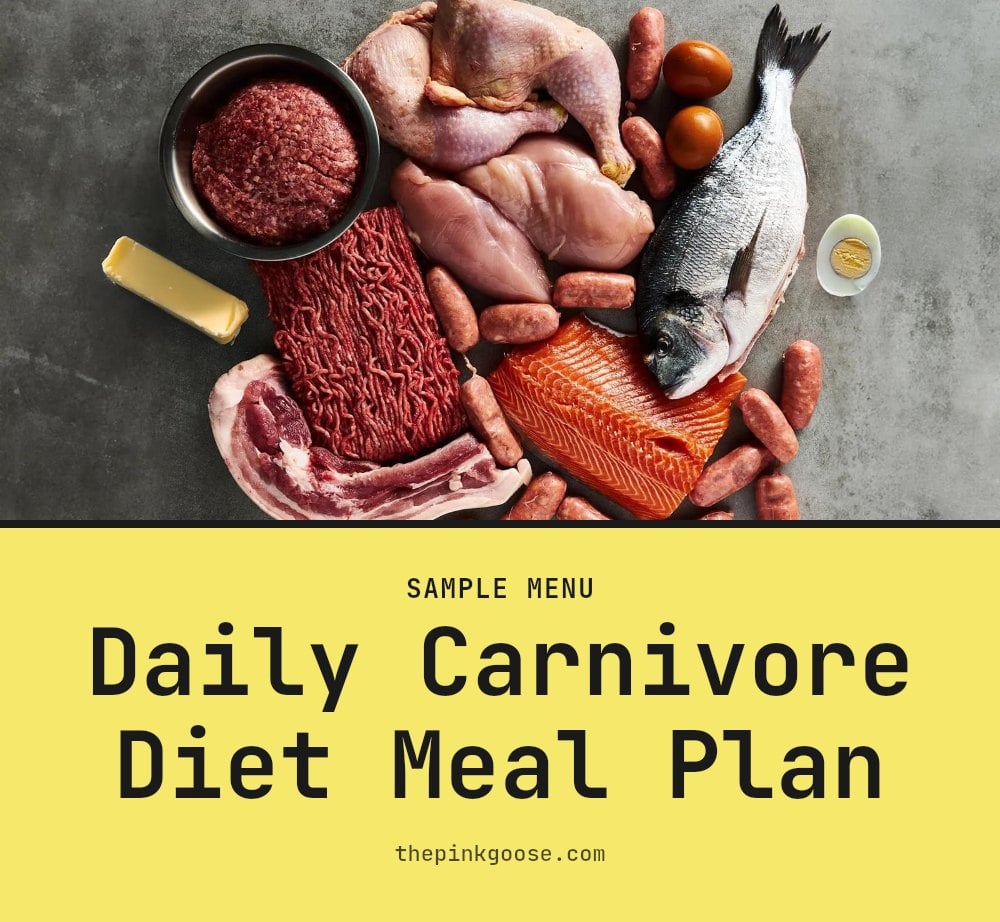
A day on the carnivore diet revolves around animal-based meals with no plant foods. Water is the main drink, though black coffee or unsweetened tea are often included. Here is a sample day to show how meals can vary.
| Meal | Food Examples | Notes |
|---|---|---|
| Breakfast | 3 eggs fried in butter, 4 strips of bacon | Eggs provide protein and fat; bacon adds flavor and satiety. |
| Lunch | 8 oz grilled salmon with a side of sardines | Fatty fish offers omega-3s; sardines are a quick, nutrient-dense option. |
| Dinner | 12 oz ribeye steak cooked in tallow, with a pat of butter | Red meat is a core source of iron and B vitamins; butter adds richness. |
| Snack (optional) | Beef jerky (plain, salt only), or a few slices of hard cheese if tolerated | Jerky must have no added sugar or seasonings. Cheese is optional and some strict followers avoid all dairy. |
| Beverages | Water throughout the day, black coffee in the morning (optional) | Hydration is key, especially when carb intake is very low. Coffee is generally allowed but some strict adherents limit it due to its plant origin. |
Tip: Rotate your protein sources across the week. Include pork chops, chicken thighs, lamb, or organ meats like liver to cover more nutrients. If you include dairy, choose hard cheeses or heavy cream over milk to keep lactose low.
Essential Foods for Your Carnivore Pantry

Stocking your pantry for the carnivore diet means focusing on animal foods. Here is what to include.
- Meats: Beef, pork, chicken, and lamb in various cuts.
- Fish and seafood: Salmon, cod, tuna, and sardines for essential fatty acids.
- Eggs: A versatile, nutrient-rich staple from chicken or duck.
- Organ meats: Liver, heart, and kidney are crucial for preventing nutrient deficiencies.
- Dairy: If including dairy, choose low-lactose options like hard cheeses, butter, and heavy cream.
Common Mistakes to Avoid on the Carnivore Diet
Many people jump into the carnivore diet without enough variety, sticking to just ground beef and eggs. That can lead to nutrient gaps, especially in vitamin C and B vitamins. My tip: include organ meats like liver at least once a week and rotate between beef, pork, lamb, and fish.
Hydration is another common pitfall. When you cut carbs, your body flushes out more water and electrolytes, so you need to drink more water than usual. Failing to do so can cause headaches, fatigue, and muscle cramps.
Digestive upset often happens in the first few weeks, but ignoring persistent symptoms like constipation or diarrhea is risky. Your body may need time to adjust, but if issues continue, check in with a professional.
Not all dairy is created equal on this diet. Hard cheeses, butter, and heavy cream are low in lactose and usually fine, but milk and soft cheeses contain more lactose and can cause bloating or digestive distress.
Starting without consulting a healthcare professional is the biggest mistake. This diet is extremely restrictive and may not be safe for everyone, especially if you have a pre-existing condition.
Tips for Successfully Navigating the Carnivore Diet

To make the carnivore diet work for you, prioritize nutrient-dense animal foods. Organ meats like liver, heart, and kidney are packed with vitamins and minerals that muscle meats lack. My tip: start with chicken liver pate if you are new to organ meats.
Stay well-hydrated throughout the day. Water is your primary beverage, and you may need more than usual due to reduced carbohydrate intake. Listen to your body and drink when thirsty.
Track your food intake for the first week or two. This helps you see if you are getting enough calories and protein, which can be harder to gauge when you are not eating plants. Use a simple app or a notebook.
Experiment with different cooking methods to keep meals interesting. Try grilling, pan-searing, slow-cooking, or baking. Varying the cuts and seasonings (salt and pepper are fine) prevents boredom.
Monitor how you feel. If you notice fatigue, mood changes, or digestive issues, adjust your food choices or consult a professional. Your body will give you signals, so pay attention.
Potential Benefits and Concerns of the Carnivore Diet
Potential Benefits
Proponents of the carnivore diet often report weight loss, improved digestion, and reduced inflammation. Some people with autoimmune conditions say they experience fewer symptoms. These reports are anecdotal, and individual results vary widely.
Significant Concerns
The diet eliminates all plant foods, which are the primary sources of fiber, vitamin C, and many other micronutrients. This raises a real risk of deficiencies over time. Without fiber, bowel movements often change, and constipation or diarrhea can occur.
A high intake of saturated fat and cholesterol is common on this diet. For some individuals, this may impact cardiovascular health, though the long-term effects are not well understood.
There is very limited long-term scientific research on the carnivore diet. Most evidence comes from short-term studies or personal stories. That makes it hard to know the full picture of risks and benefits.
When to Consult a Healthcare Professional
Always talk to a doctor or registered dietitian before starting the carnivore diet, especially if you have a pre-existing health condition like diabetes, heart disease, or kidney issues. This diet is not suitable for everyone.
Seek medical advice if you experience constipation, diarrhea, fatigue, muscle cramps, or changes in mood after starting. These could be signs of nutrient imbalances or other health problems.
Individuals with kidney disease or other chronic conditions should strictly avoid this diet due to the potential strain on organs. Pregnant or breastfeeding women, children, and anyone with a history of eating disorders should not attempt it.
Frequently Asked Questions
Can I drink coffee on the carnivore diet?
Yes, black coffee and unsweetened tea are generally allowed on the carnivore diet. However, some strict adherents may choose to limit them because they come from plants. Water is the main recommended beverage.
How much meat should I eat on the carnivore diet?
There is no set amount, as it depends on your individual calorie needs and goals. A common approach is to eat until you feel satisfied, focusing on fatty cuts of meat to meet energy requirements. Tracking your intake initially can help ensure you’re getting enough protein and calories.
Is the carnivore diet safe for long-term use?
There is limited long-term scientific research on the safety and effects of the carnivore diet. Concerns include potential nutrient deficiencies, high saturated fat intake, and impacts on cardiovascular health. It is not recommended to follow this diet long-term without professional medical supervision.
What are the common side effects of starting the carnivore diet?
Common side effects can include constipation, diarrhea, fatigue, muscle cramps, and changes in mood, especially in the first few weeks. These often relate to the lack of dietary fiber and the body adapting to a low-carbohydrate state. If symptoms persist, seek medical advice.
Can I lose weight on the carnivore diet?
Some people do report weight loss on the carnivore diet, likely due to its restrictive nature and high protein content. However, individual results vary, and the diet’s long-term effectiveness for weight management is not well-studied. Weight loss should not be the only reason to try this diet without professional guidance.
Final Thoughts
If you’re considering the carnivore diet, my tip is to prioritize nutrient-dense animal foods like organ meats and rotate between different meats and fish to reduce the risk of deficiencies. Realistically, any results or side effects can appear within days to weeks, but long-term effects are not well-studied. Always talk to a healthcare professional before making such a significant dietary change.
This article provides general information about the carnivore diet and is not a substitute for professional medical advice. Dietary changes can affect individuals differently, and this diet carries potential health risks. Always consult a doctor or registered dietitian before starting any restrictive eating plan, especially if you have a pre-existing health condition.
