

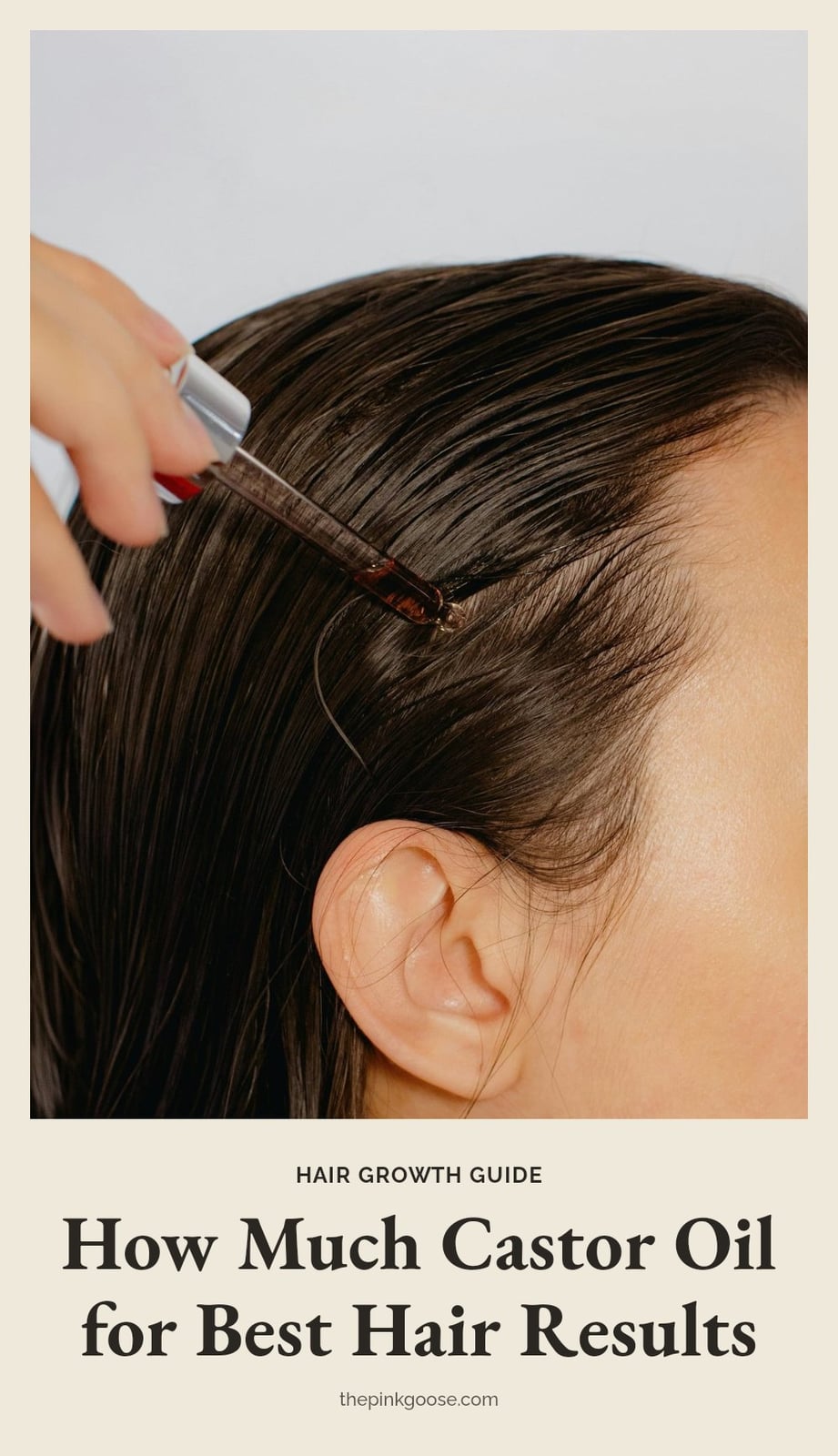
If you’ve been searching for a natural way to make your hair shinier, stronger, and less prone to breakage, castor oil might be the answer you’re looking for. This thick, nutrient-rich oil has been a go-to in natural hair care for ages, but knowing how much to use and how often is key to getting the benefits without the grease. In this article, I’ll walk you through exactly how to apply castor oil for the best results, from the right amount to the ideal frequency.
Key Takeaways
- Use a dime-sized amount of diluted castor oil to avoid greasiness.
- Always mix castor oil with a lighter carrier oil for easier application.
- Apply castor oil 1-2 times per week for conditioning benefits.
- For potential hair growth, consistent use over several months is recommended.
- Perform a patch test 24 hours before your first full application.
Is Castor Oil Good for Your Hair?
Castor oil is a thick vegetable oil rich in ricinoleic acid, which gives it strong emollient and moisturizing properties. This makes it an excellent conditioner for both your hair and scalp, helping to reduce breakage and add noticeable shine so your hair appears smoother and stronger. While many people believe it promotes hair growth, scientific evidence for that claim is limited, though anecdotal reports exist. For conditioning and overall hair health, it is a solid choice.
Essential Tools for Your Castor Oil Hair Treatment
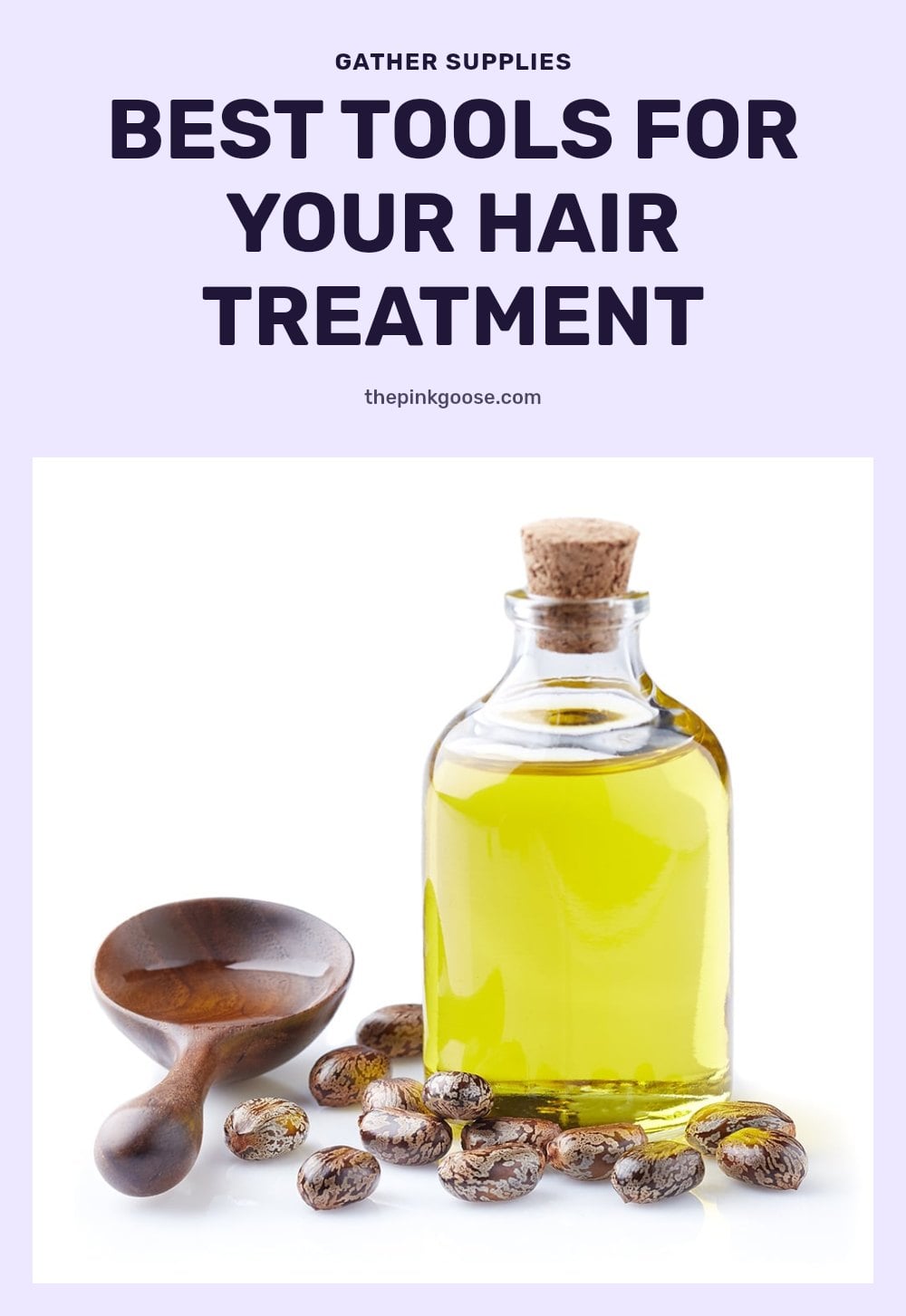
To set up a successful castor oil treatment, gather these items before you start:
- Castor oil: Cold-pressed or Jamaican black castor oil works well as the main ingredient.
- Carrier oil: A lighter oil like jojoba, almond, coconut, or argan oil for dilution.
- Applicator bottle or dropper: For precise application to your scalp and hair.
- Small bowl: For mixing your oils together.
- Hair ties or clips: To section your hair for even coverage.
- Towel: To protect your clothing from oil stains.
- Mild shampoo and conditioner: For washing the oil out thoroughly after treatment.
Step-by-Step: Applying Castor Oil to Your Hair and Scalp
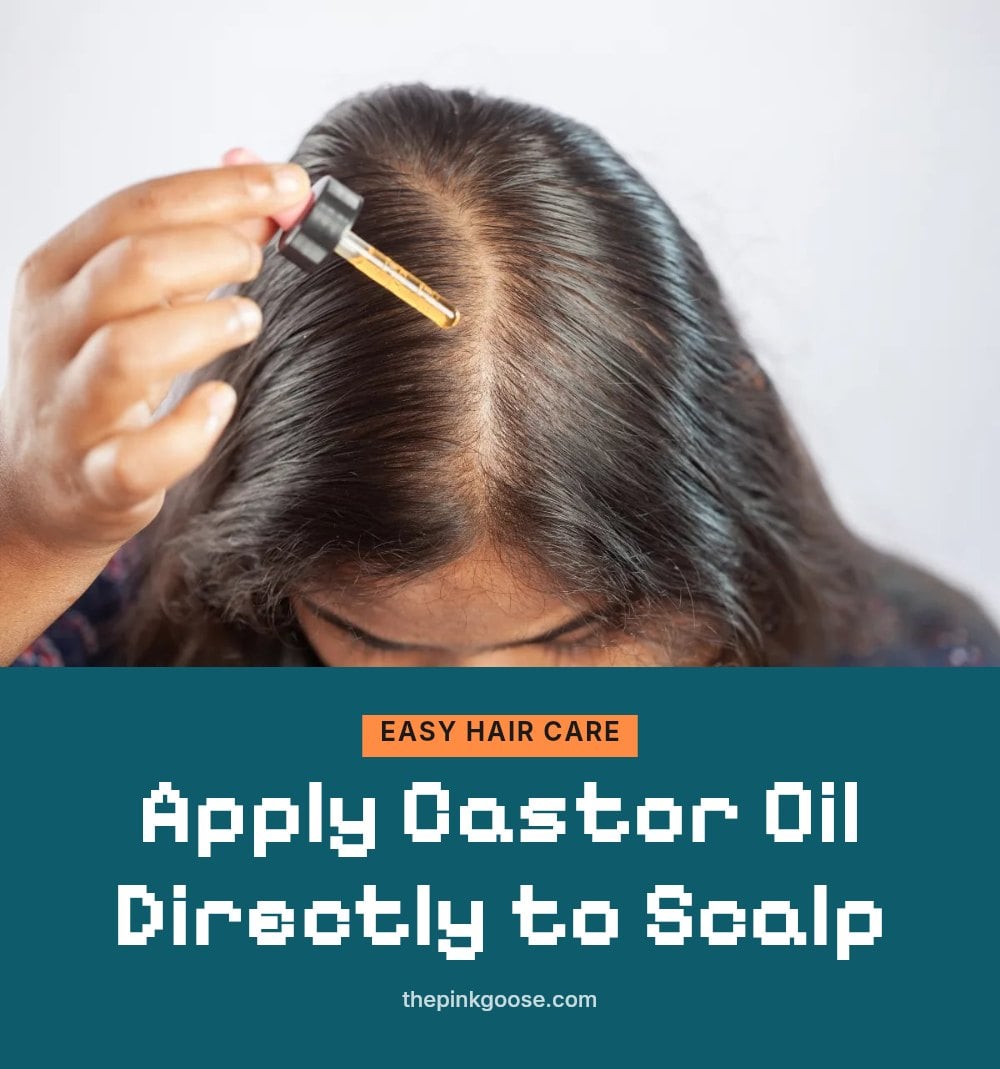
Follow these steps for a safe and effective castor oil hair treatment.
- Perform a patch test: Apply a small amount of diluted castor oil to a patch of skin behind your ear or on your inner arm. Wait 24 hours to check for any redness, itching, or irritation before using it on your scalp.
- Dilute the castor oil: Mix one part castor oil with two to three parts of a lighter carrier oil, such as jojoba or almond oil. This makes the thick oil easier to spread and less greasy.
- Apply to damp hair: Dampen your hair slightly with water, then use the applicator bottle or dropper to apply a small amount of the oil mixture directly to your scalp and through your hair strands.
- Massage gently: Use your fingertips to massage the oil into your scalp for a few minutes. This helps stimulate blood circulation and ensures even distribution.
- Leave on and wash: Let the oil sit for 30 minutes to a few hours. Wash thoroughly with a mild shampoo, repeating if needed to remove all residue, then follow with conditioner.
Pro Tips for Maximizing Your Castor Oil Hair Treatment
To get the most out of your castor oil treatment, keep these tips in mind.
- Start small: Use only a dime-sized amount of diluted oil to avoid greasiness, especially if you have fine hair.
- Apply to damp hair: Damp hair absorbs the oil better and helps it spread more evenly than dry hair.
- Use a warm towel wrap: After applying the oil, wrap your hair in a warm, damp towel. Leave the wrap on for the first 15-20 minutes of your total treatment time to help the oil penetrate deeper into the hair shaft.
- Target problem areas: Focus extra oil on ends that are dry or brittle, or on thinning spots where you want more conditioning.
- Be consistent: For best results, apply the treatment 1-2 times per week over several weeks or months. Natural remedies require regular use.
Common Mistakes to Avoid When Using Castor Oil
Using too much oil: A dime-sized amount of diluted castor oil is enough. More than that leaves hair greasy and hard to wash out.
Not diluting the oil: Castor oil is very thick on its own. Always mix it with a lighter carrier oil like jojoba or almond so it spreads evenly and doesn’t feel heavy.
Expecting instant results: Conditioning takes weeks, and any potential growth benefit may take months of consistent use. Patience matters more than any single application.
Applying to dirty hair: Oil traps dirt and product buildup on the scalp. Apply only to clean or damp hair to avoid clogging pores.
Skipping a patch test: Allergic reactions are possible. Test diluted oil on a small skin area 24 hours before your first full treatment.
How Often and How Long to Use Castor Oil
Frequency for Conditioning: Use castor oil 1-2 times per week. Leave it on for 30 minutes to a few hours before washing out.
Frequency for Potential Growth: If you are using it for possible hair growth, consistent application over several months is typically suggested before noticing any changes.
Cost: A quality bottle of castor oil usually costs between $8 and $20, making it an affordable addition to your hair care routine.
Patience is Key: Natural remedies require regular effort. Don’t expect dramatic results after one or two treatments.
When to Consult a Professional About Hair Concerns
Stop using castor oil if you develop persistent scalp irritation, redness, itching, or swelling. If you notice significant hair loss or thinning, see a doctor, as it may signal an underlying health issue. Consult a dermatologist before using castor oil if you have a known scalp condition like eczema or psoriasis. If you are pregnant or breastfeeding, talk to your doctor before introducing any new topical treatment.
Frequently Asked Questions
Can I leave castor oil in my hair overnight?
Yes, you can leave castor oil in your hair overnight as a deep conditioning treatment, but it’s best to do so only if you’ve diluted it with a carrier oil. Apply it to damp hair, cover with a towel or shower cap, and wash it out thoroughly in the morning. Avoid this if you have a sensitive scalp, as the prolonged contact could cause irritation.
Does castor oil work for all hair types?
Castor oil can work for most hair types, but the key is adjusting how you use it. For fine or straight hair, use a very small amount and focus on the ends rather than the scalp to avoid weighing it down. For thick, curly, or coily hair, you may use a bit more and apply it from roots to tips. A patch test is always a good idea to see how your hair responds.
How long does it take to see results from castor oil?
For conditioning and shine, you may notice smoother, shinier hair after just one or two treatments. For potential hair growth or thickness, consistent use over several months is typically suggested before you might see any changes. Patience is key, and results vary from person to person.
What is the difference between regular and Jamaican black castor oil?
Jamaican black castor oil is made by roasting the castor beans before pressing, which gives it a darker color, a smoky scent, and a slightly different nutrient profile. Both types are rich in ricinoleic acid and offer similar moisturizing and conditioning benefits. The choice between them is mostly a matter of personal preference.
Can castor oil cause hair loss?
Castor oil itself does not cause hair loss. In fact, it’s often used to strengthen hair and reduce breakage. However, if you have an allergic reaction or irritation from the oil, it could lead to temporary shedding. Always do a patch test and discontinue use if you notice any redness, itching, or swelling. If you’re experiencing significant hair loss, consult a doctor.
Final Thoughts
My tip for getting the most out of castor oil is to start with a small, diluted amount and stick with a routine of 1-2 times per week for conditioning. If you’re hoping for growth benefits, be patient and consistent for several months before expecting any changes. Remember, castor oil is a wonderful moisturizer and strengthener, but it’s not a quick fix for hair loss, if you have serious concerns, it’s best to talk to a professional.
This article is for informational purposes only and does not constitute medical advice. Castor oil may not be suitable for everyone, and results can vary. If you have a scalp condition, are pregnant or breastfeeding, or experience persistent hair loss or irritation, please consult a dermatologist or healthcare professional before use.