

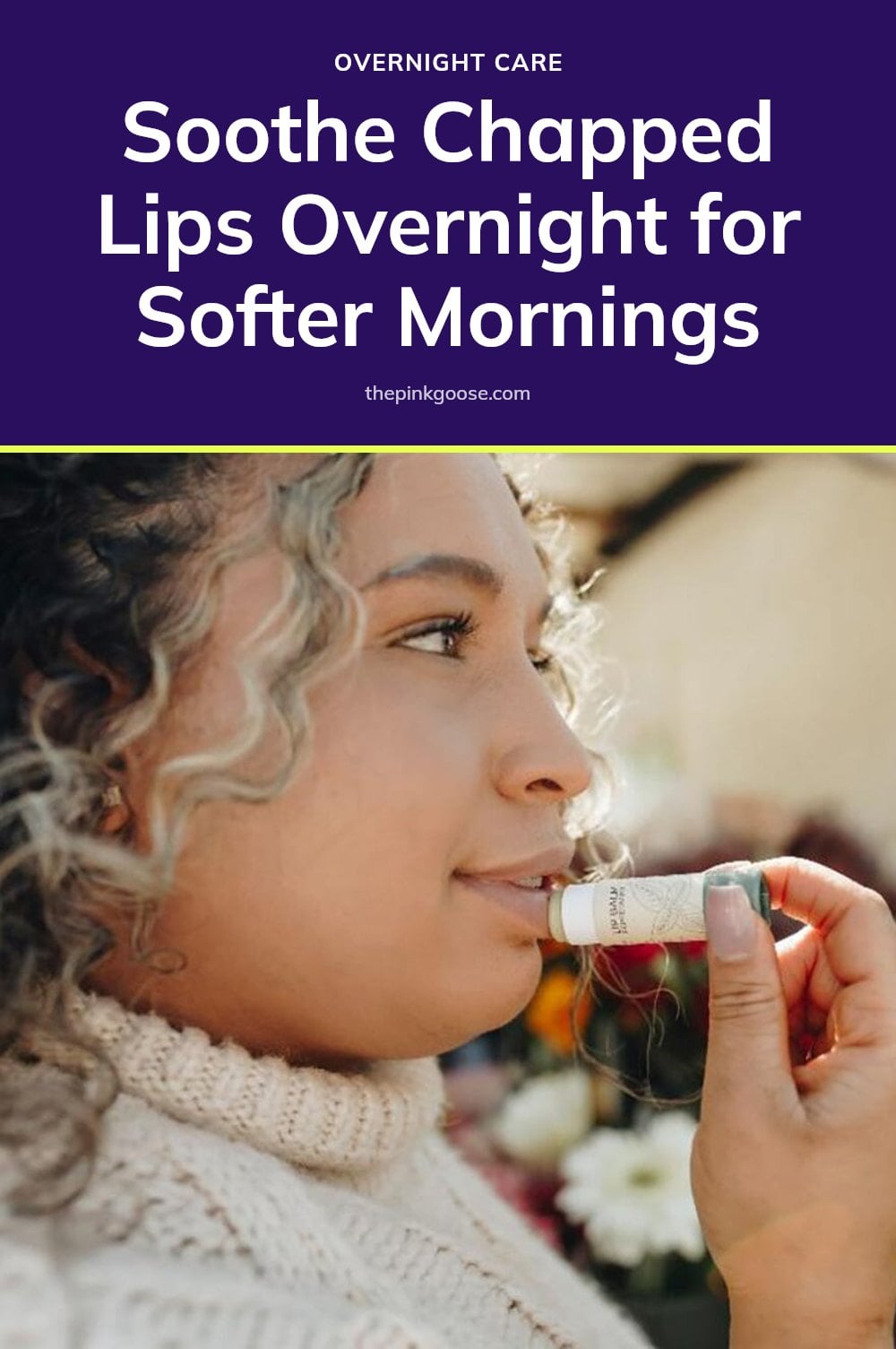
Waking up with dry, flaky lips is frustrating, but you can turn it around with a simple overnight routine. The key is to gently remove dead skin and then lock in moisture with a thick balm while you sleep. This article walks you through the exact steps, common mistakes to avoid, and daily habits that keep your lips soft long-term.
Key Takeaways
- Exfoliate lips gently once or twice a week, not every night, to avoid irritation.
- Apply a thick occlusive balm with petrolatum, lanolin, shea butter, or beeswax before bed.
- Use a humidifier in your bedroom during dry seasons to add moisture to the air.
- Drink plenty of water throughout the day to hydrate your lips from the inside out.
- Wear lip balm with SPF 30 or higher every morning, even in winter, to prevent sun damage.
Heal Chapped Lips Overnight with This Simple Routine
Heal chapped lips overnight with a simple routine: gently exfoliate, then seal in moisture with a thick occlusive balm. The goal is to restore softness and prevent recurrence by morning. Consistency is key for lasting results, so make this a nightly habit when your lips feel dry.
Why Your Lips Get Chapped and Dry
Why Your Lips Get Chapped and Dry
The skin on your lips is thinner and more delicate than the rest of your face. It also lacks sebaceous (oil) glands, so it cannot produce its own moisturizing oils. This makes lips prone to moisture loss.
Environmental factors such as cold, dry air, wind, and sun exposure are primary causes. Dehydration from not drinking enough water can contribute, and frequent lip licking makes things worse because saliva evaporates and removes natural oils. Some lip product ingredients like menthol, camphor, and salicylic acid can irritate and dry out lips further.
Essential Tools for Your Overnight Lip Repair
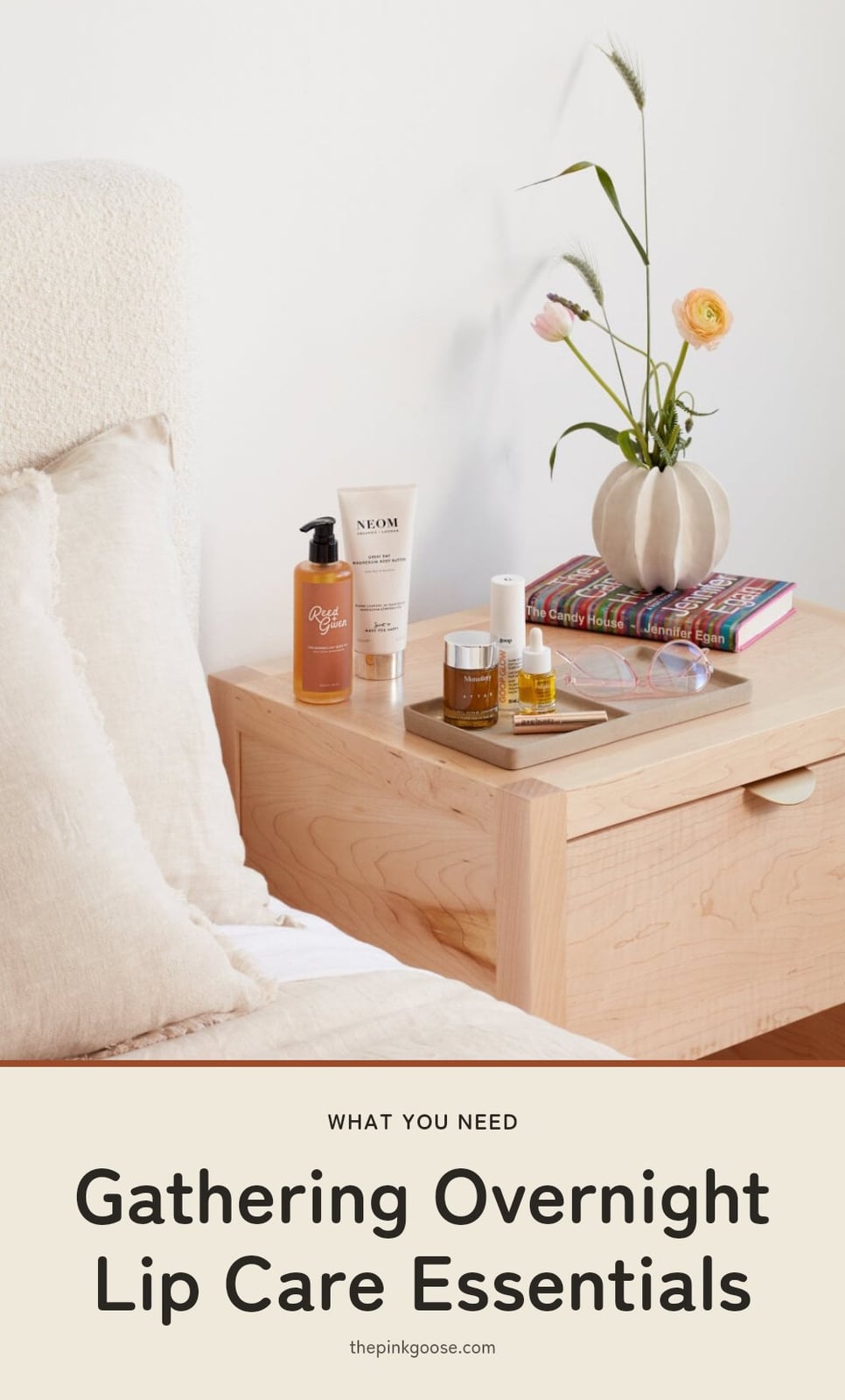
For an effective overnight lip repair, you need a few key tools:
- Gentle lip scrub: A sugar-based or enzyme-based scrub removes dead skin without damaging the delicate lip surface.
- Thick emollient balm: Look for occlusive ingredients like petrolatum, lanolin, shea butter, or beeswax to seal in moisture.
- Humidifier: Adding moisture to dry indoor air helps prevent overnight moisture loss.
- Water bottle: Staying hydrated throughout the day supports lip health from the inside.
Your Step-by-Step Overnight Lip Healing Routine

Start by gently exfoliating your lips to remove dead, flaky skin. Use a sugar-based or enzyme-based lip scrub and massage in small circular motions for about 30 seconds. Rinse with lukewarm water and pat dry. Caution: Exfoliate only once or twice a week to avoid irritation.
- Apply a hydrating serum: If you have one, pat a thin layer of a lip serum containing hyaluronic acid or glycerin onto your lips. These humectants draw moisture into the skin.
- Layer an occlusive balm: Generously coat your lips with a thick, emollient balm made with petrolatum, lanolin, shea butter, or beeswax. This seals in the moisture from the serum and prevents water loss overnight.
- Use a humidifier: Place a humidifier in your bedroom and run it while you sleep. Adding moisture to the air helps prevent your lips from drying out further, especially during cold or dry seasons.
Follow these steps consistently for a few nights, and you should notice softer, smoother lips by morning. The key is the order: exfoliate, hydrate, then lock everything in with an occlusive layer.
Common Mistakes That Worsen Chapped Lips
Licking your lips might feel soothing in the moment, but it actually makes chapping worse. Saliva evaporates quickly, taking your lips’ natural oils with it and leaving them drier than before. Many lip balms contain ingredients like menthol, camphor, or salicylic acid, which can irritate sensitive skin and perpetuate the dryness cycle.
Not drinking enough water throughout the day neglects internal hydration, which shows on your lips first. Over-exfoliating or using harsh scrubs can damage the delicate lip skin, causing micro-tears and increased irritation. And skipping sun protection leaves lips vulnerable to UV damage, which contributes to chapping year-round.
Keep Your Lips Soft: Daily Habits for Long-Term Health
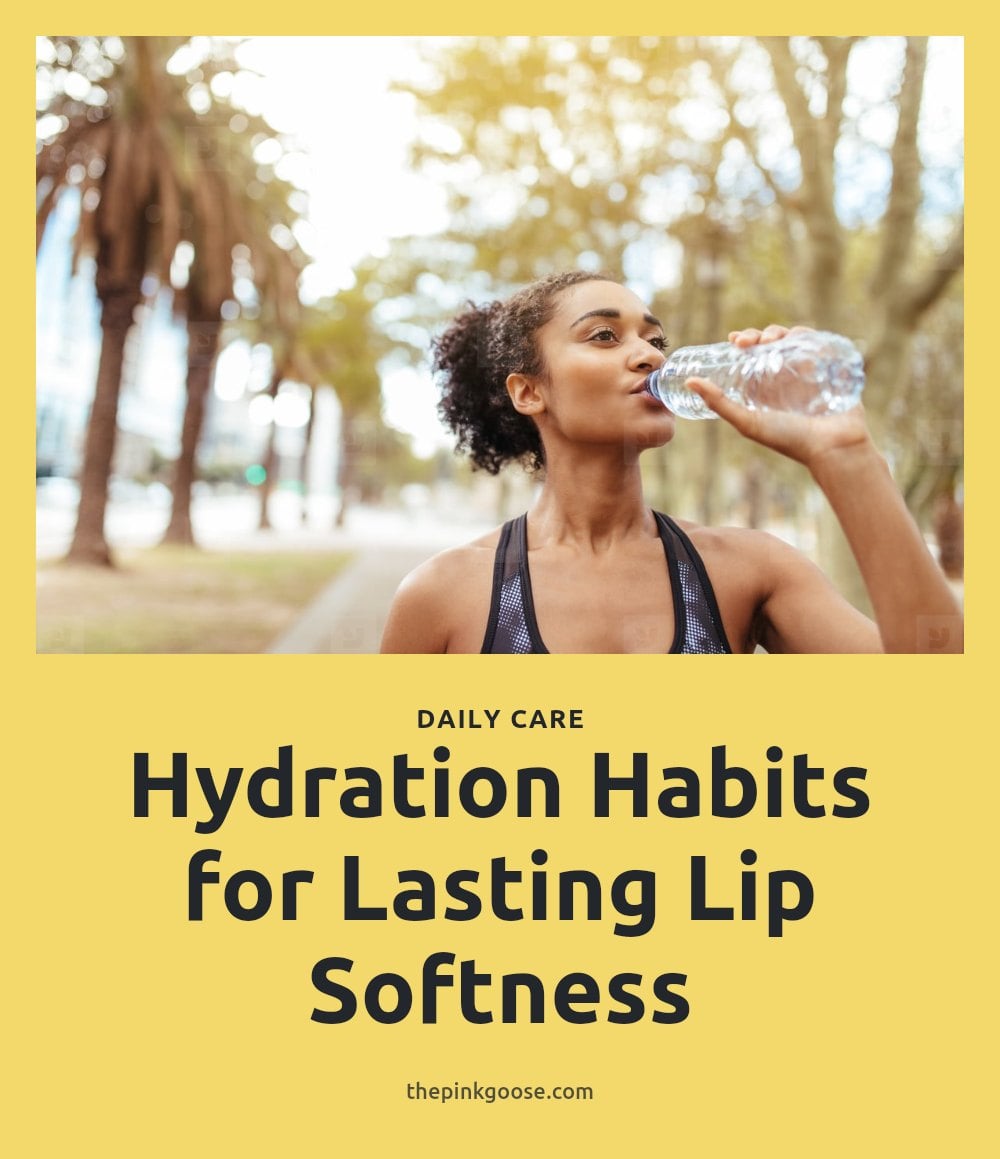
Preventing chapped lips starts with staying hydrated. Drink plenty of water throughout the day to support skin moisture from the inside out. Apply a lip balm with SPF 30 or higher every morning, even in winter, and reapply frequently after eating, drinking, or wiping your mouth.
Use a humidifier in your bedroom during dry seasons to add moisture to the air and prevent overnight moisture loss. Caution: Avoid picking or peeling flaky skin from your lips, as this can cause bleeding and delay healing. Instead, let a gentle exfoliation or a thick balm do the work.
When to Consult a Doctor About Your Lips
Most chapped lips improve with consistent home care, but some situations require a doctor’s input. If your lips are severely cracked, bleeding, or do not get better after a week of gentle treatment, a healthcare professional can check for an underlying condition or infection.
Also see a doctor if you notice increased irritation, redness, or swelling after using a new lip product. This may indicate an allergic reaction, and a dermatologist can help identify the trigger and recommend safe alternatives.
Frequently Asked Questions
How long does it take to heal severely chapped lips?
With consistent overnight care, you can often see improvement by the next morning, and significant softening within a few days. Severely chapped lips may take a week or more to fully heal, especially if you address underlying causes like dehydration or dry air.
Can stress cause chapped lips?
Stress itself isn’t a direct cause, but it can lead to habits that worsen chapping, such as licking your lips more often or not drinking enough water. Managing stress may help you stick to a consistent lip care routine.
Is it bad to pick at chapped lips?
Yes, picking or peeling flaky skin can cause further irritation, bleeding, and even infection. Instead, gently exfoliate once or twice a week with a sugar-based or enzyme-based scrub to remove dead skin safely.
What ingredients should I avoid in lip balms?
Avoid lip balms with menthol, camphor, or salicylic acid if your lips are sensitive, as these can be irritating and worsen dryness. Stick to occlusive ingredients like petrolatum, lanolin, shea butter, or beeswax instead.
Can certain foods or drinks make chapped lips worse?
Spicy foods and acidic drinks may cause temporary irritation if your lips are already chapped. Salty snacks can also draw moisture from the lips. Staying hydrated with water is your best bet for supporting lip health.
Final Thoughts
Stick with this overnight routine for a few days, and you’ll likely see softer lips by morning. For lasting results, make hydration and SPF part of your daily habits. If your lips are severely cracked or don’t improve after a week, see a doctor to rule out an underlying issue.
This article is for general informational purposes only and does not constitute medical advice. If you have severe, bleeding, or persistent chapped lips that do not improve with home care, consult a doctor or dermatologist for a proper evaluation.