

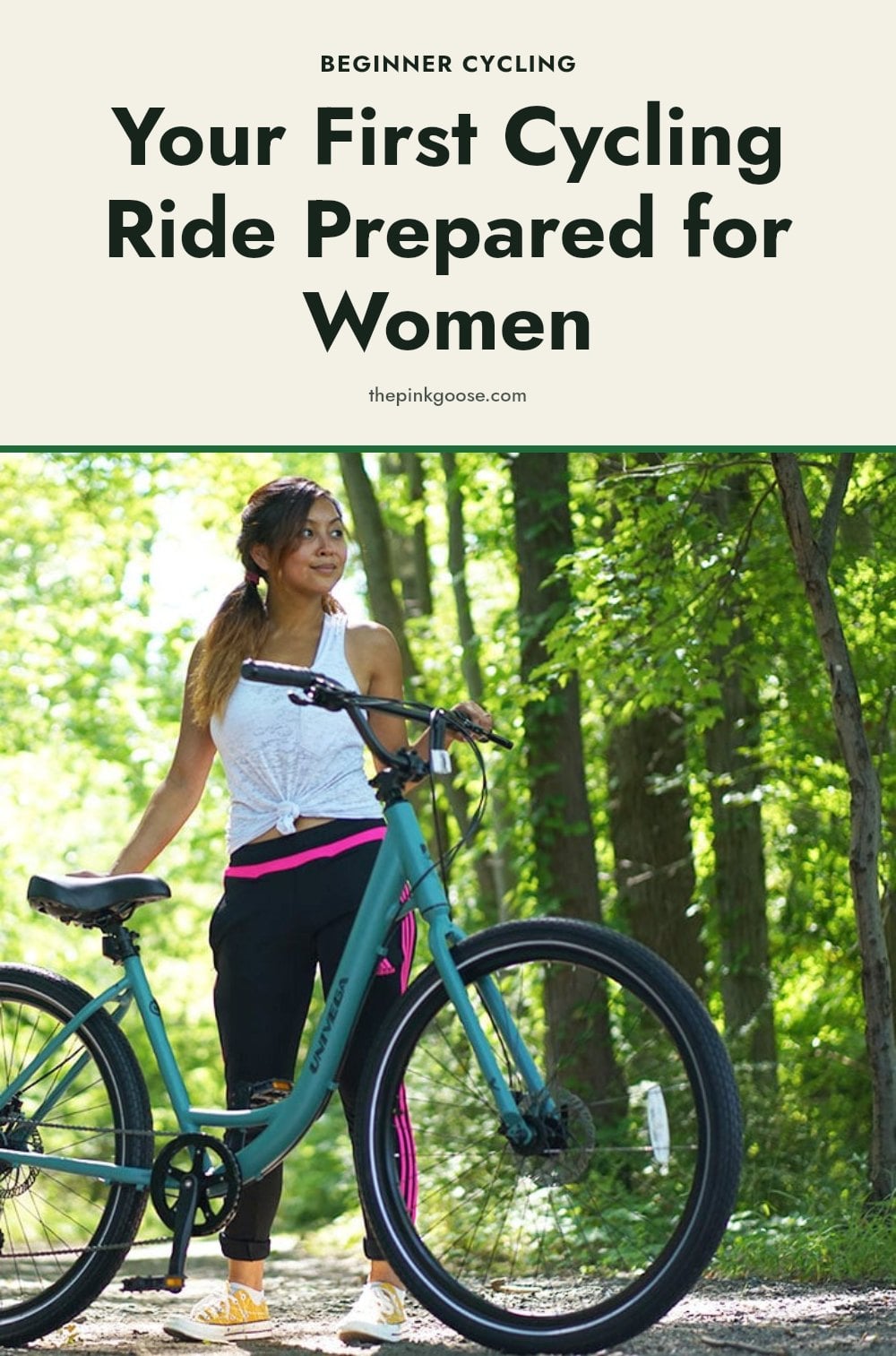
Thinking about hopping on a bike for the first time? You’re not alone. Cycling is a fantastic low-impact exercise that’s easy on your joints and great for your heart, muscles, and mental well-being. This article covers everything you need to know before your first ride, from choosing the right bike and essential gear to basic safety and building stamina.
Key Takeaways
- Always wear a properly fitted helmet; it’s legally required in some states and essential for safety.
- Start with 20- to 30-minute rides, 2-3 times a week, and gradually increase duration.
- Learn and use hand signals for left and right turns and stops to communicate with drivers.
- Check tire pressure, brakes, and chain before every ride to avoid breakdowns.
- Choose a bike suited to your main terrain, hybrid, road, or cruiser for paved paths.
Starting Your Cycling Journey: The Essentials
Cycling is a low-impact aerobic exercise that works your heart, lungs, and muscles without pounding your joints. For beginners, the key is starting with the right bike, basic safety habits, and a gradual approach to building endurance. Essential gear includes a properly fitted helmet and comfortable, moisture-wicking clothing. Begin with shorter, flatter rides and listen to your body to keep the experience positive and sustainable.
Essential Gear for Your First Cycling Adventures
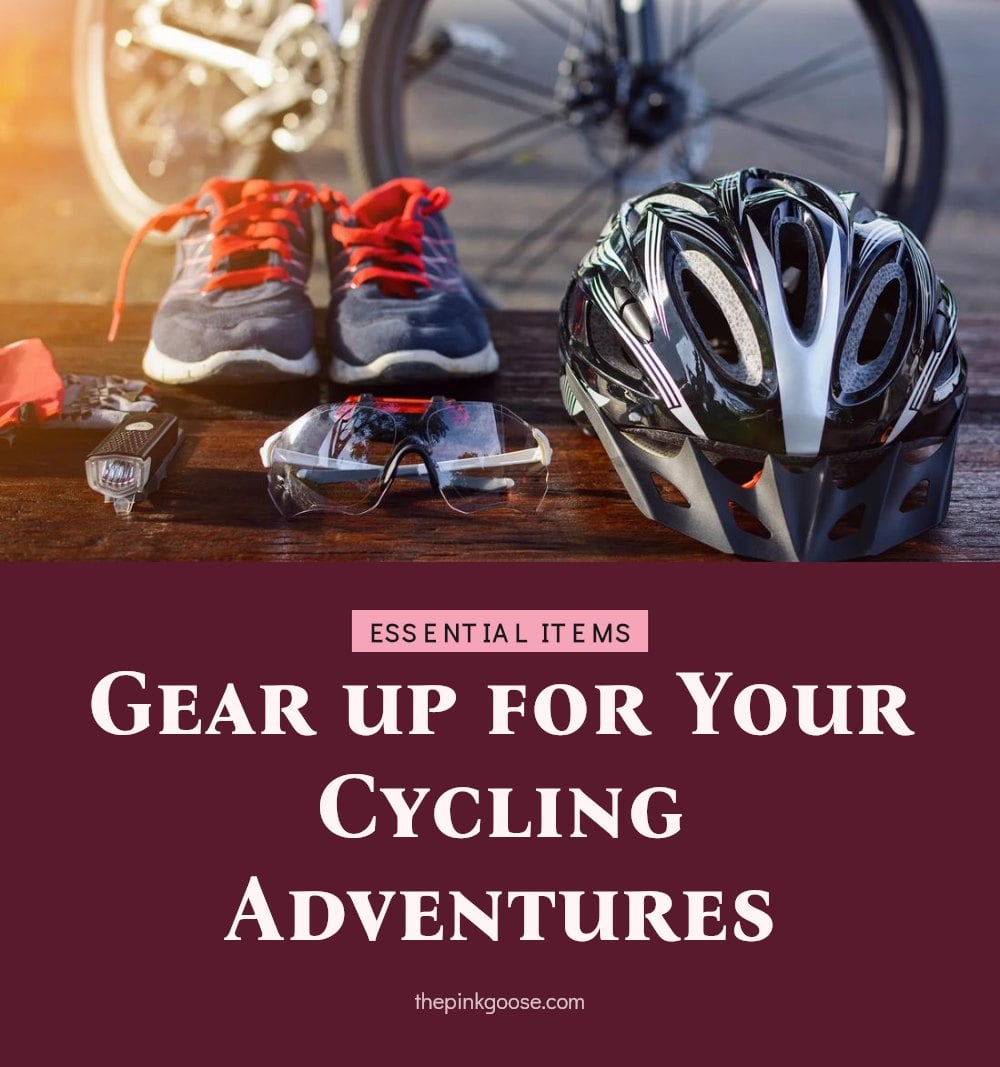
Before your first ride, gather these essentials to stay safe and comfortable:
- Bicycle suited to your riding style: Choose a bike designed for the terrain you’ll ride most, road, hybrid, or cruiser for paved paths, mountain for trails.
- Properly fitted helmet: A helmet that sits level and snug on your head protects against head injuries. It’s required by law in some US states.
- Moisture-wicking clothing and padded shorts: Breathable fabrics keep you dry, and padded shorts reduce saddle discomfort on longer rides.
- Water bottle and cage: Staying hydrated is crucial, especially on warm days or rides over 30 minutes.
- Bike lights (front and rear): Essential for visibility in low light, dawn, dusk, or at night.
- Basic maintenance tools: A mini pump, tire levers, and a patch kit let you handle minor issues on the road.
Choosing Your First Bike: Which Type is Right for You?
Different bike types are designed for different terrains and riding styles. Here is a quick comparison to help you choose your first bike:
| Bike Type | Best For | Key Feature |
|---|---|---|
| Road | Speed on paved roads | Light frame, narrow tires |
| Mountain | Off-road trails | Suspension, wide knobby tires |
| Hybrid | Paved roads and light trails | Versatile, comfortable geometry |
| Cruiser | Casual, flat paved paths | Upright seating, wide tires |
If you plan to ride mostly on paved bike paths and roads, a hybrid or cruiser offers comfort and ease. For longer road rides, a road bike is efficient. For dirt trails, a mountain bike is the right choice.
Your First Rides: A Step-by-Step Guide to Getting Started
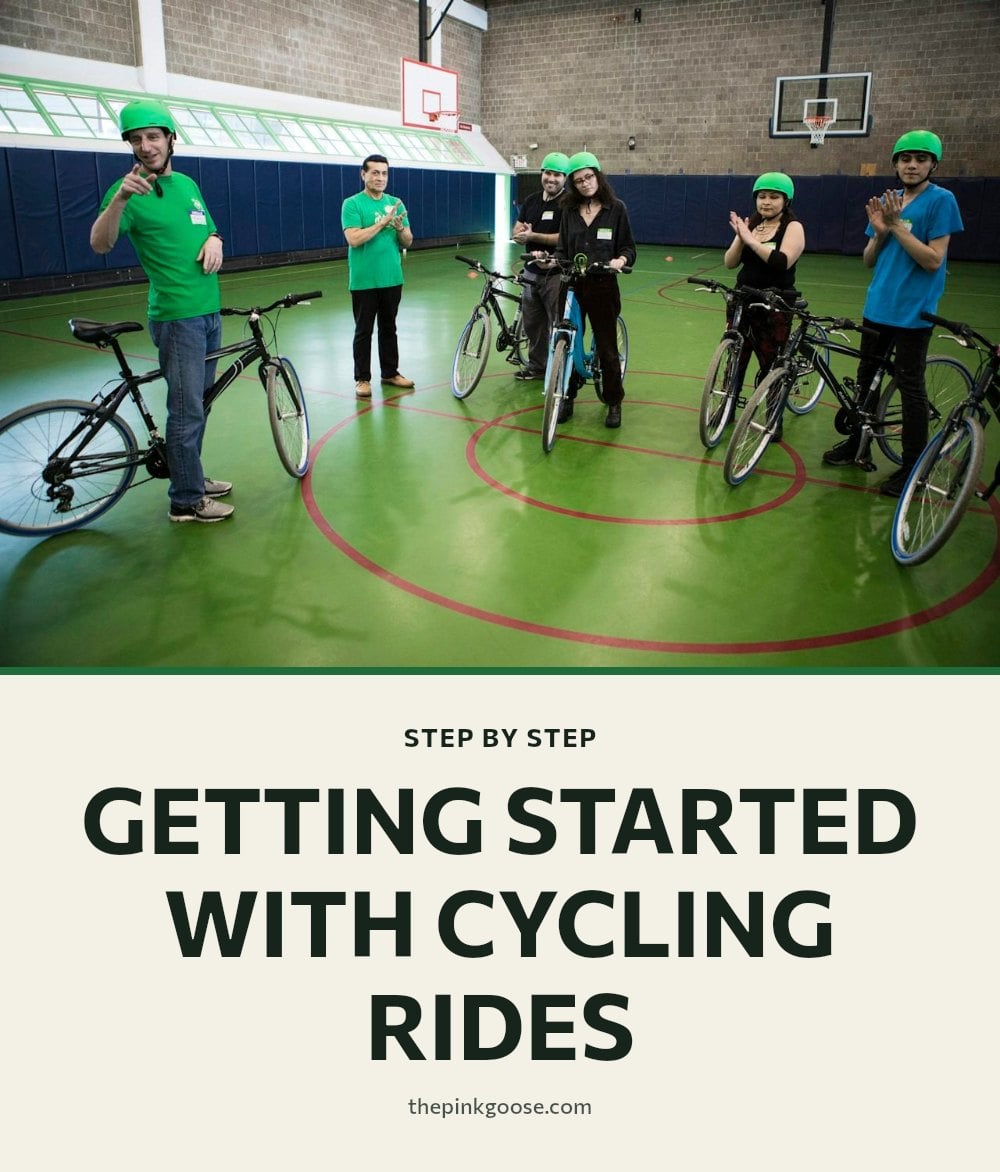
Follow these steps to make your first rides safe and enjoyable:
- Fit your bike to your body: Adjust the saddle height so your leg is almost fully extended at the bottom of the pedal stroke. Your handlebars should be at a comfortable reach without straining your back or arms.
- Wear your helmet and do a pre-ride check: Always fasten your helmet snugly. Before each ride, squeeze your brakes to confirm they engage, spin the wheels to check for wobbles, and squeeze your tires to verify they are firm.
- Start with short, flat routes: Choose a flat paved path or quiet neighborhood street for your first few rides. Aim for 20-30 minutes, 2-3 times per week.
- Learn and use hand signals: Extend your left arm straight out for a left turn, bend it up at the elbow for a right turn, and point it down with your palm back to signal a stop. This communicates your intentions to drivers and other cyclists.
- Stay hydrated: Drink water before you head out, and sip regularly during your ride, especially on warm days or rides longer than 30 minutes.
- Gradually increase duration and difficulty: As your stamina improves, add 5-10 minutes to your rides or try a slightly hillier route. Listen to your body and rest if you feel pain or excessive fatigue.
Understanding Basic Bike Maintenance and Safety Checks
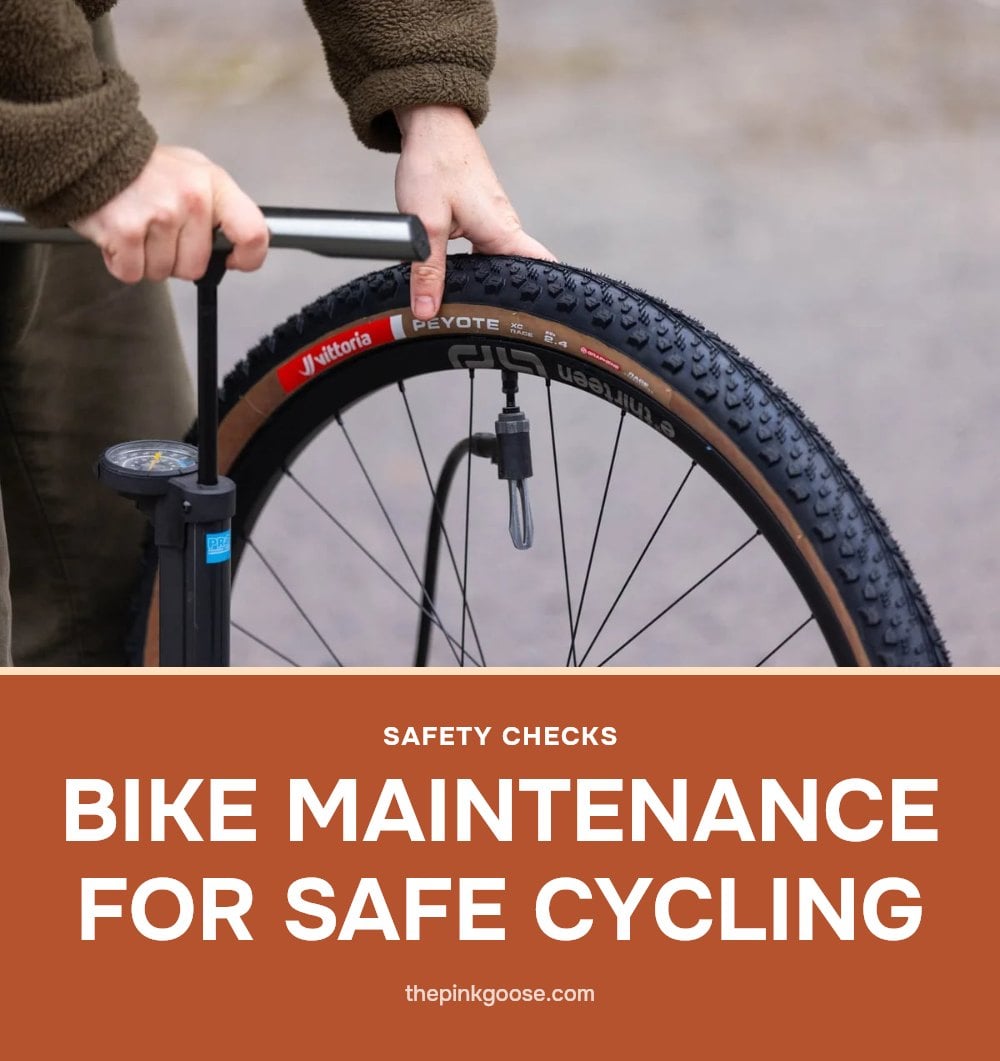
A few minutes of basic maintenance before each ride can save you from a breakdown or accident. Check your tire pressure first: tires should feel firm when you squeeze them. Underinflated tires make pedaling harder and increase the risk of a flat.
Test your brakes by squeezing the levers while walking the bike forward. They should engage smoothly and stop the wheel from turning. If they feel spongy or don’t grab, adjust or replace the pads before riding.
Lubricate your chain every few rides, especially after riding in wet or dusty conditions. Apply a drop of bike-specific lube to each link, then wipe off the excess to prevent grime buildup.
Finally, stay alert to road hazards like potholes, gravel, and drain grates. Ride predictably with traffic, obey stop signs and lights, and use hand signals for turns. Knowing your local traffic laws keeps you and others safe.
Common Cycling Mistakes Beginners Make (and How to Avoid Them)
Riding an improperly sized bike: A frame that is too large or too small puts strain on your knees, back, and neck. Your saddle height should let your leg extend almost fully at the bottom of the pedal stroke.
Skipping the helmet or wearing it wrong: A helmet only protects if it fits snugly and sits level on your head, not tilted back. The straps should form a V under your ears.
Ignoring basic maintenance: A dry chain or low tire pressure can cause a crash or leave you stranded. A quick pre-ride check takes two minutes.
Attempting too much too soon: Starting with a long or hilly ride leads to exhaustion and soreness. Build stamina with short, flat rides first.
Not knowing traffic laws: Cyclists must follow the same rules as drivers. Ride with traffic, use hand signals, and stop at red lights.
Top Tips for a Confident and Enjoyable Ride
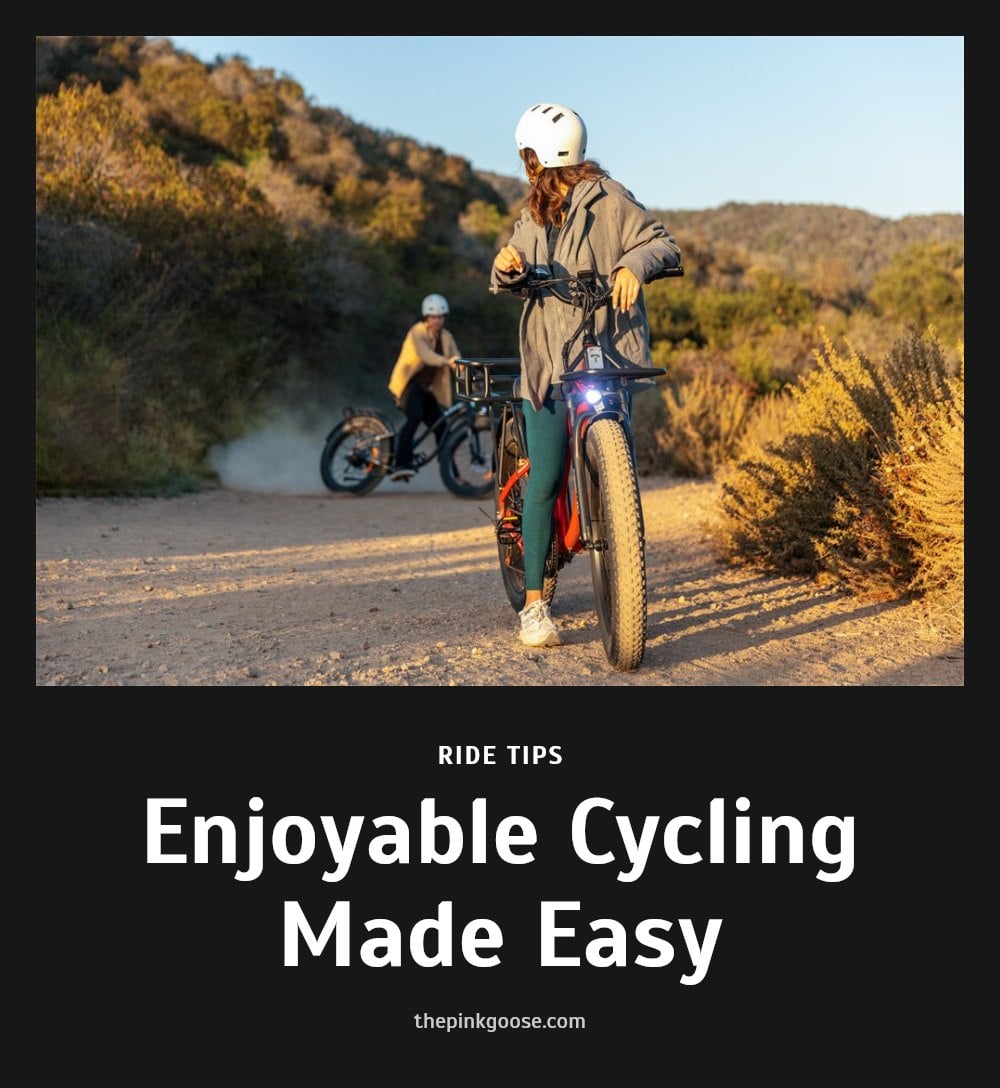
Wear bright clothing: Neon or reflective gear makes you visible to drivers from a distance, especially at dawn, dusk, or night. Avoid dark colors on low-light rides.
Use hand signals: Signal left turns with your left arm straight out, right turns with your right arm straight out, and stops with your left arm bent down and palm facing backward. This tells drivers and other cyclists your intentions clearly.
Stay hydrated: Drink water before you feel thirsty. On rides longer than 30 minutes, carry a bottle or plan a water stop.
Stretch before and after: A few minutes of gentle leg and back stretches reduces muscle stiffness and helps you recover faster.
Ride with a buddy or take a course: An experienced cyclist can show you safe routes and riding techniques. A local bike shop or community center often offers beginner safety courses.
Setting Realistic Expectations: Time and Progress in Cycling
Start with 20- to 30-minute rides, two to three times a week. This builds a foundation without overwhelming your muscles or joints. As your stamina improves, add 5 to 10 minutes per ride or increase frequency to four times a week.
Most beginners notice better cardiovascular endurance and leg strength within a few weeks. Consistency matters more than distance or speed.
Bike prices range from a few hundred to several thousand dollars depending on type, components, and brand. Essential gear like a helmet, lights, and a lock is an upfront cost that pays off in safety and comfort every time you ride.
When to Consult a Professional for Your Cycling Journey
If you experience persistent pain in your knees, back, or neck during or after cycling, stop riding and have a professional evaluate your bike fit. An expert can adjust saddle height, handlebar position, and frame size to prevent discomfort and injury. Consult a doctor for any new or worsening health concerns before continuing. For advanced maintenance or repairs beyond basic checks, seek advice from a local bike shop.
Frequently Asked Questions
How often should a beginner cycle?
Start with 20- to 30-minute rides, two to three times per week. This gives your body time to adapt without overdoing it. As your stamina builds, you can increase the frequency or duration gradually.
Is cycling good for weight loss?
Cycling can support weight loss as part of an overall active lifestyle. It burns calories, builds muscle, and improves cardiovascular health. For best results, combine regular rides with a balanced diet and other forms of exercise.
What kind of bike is best for beginners?
For most beginners, a hybrid bike is a great choice. It offers a comfortable upright riding position, medium-width tires for stability, and works well on paved paths and light gravel. Cruisers are also good for flat, short rides, while road bikes suit longer paved routes.
How do I prevent knee pain when cycling?
Knee pain often comes from an improper bike fit. Make sure your saddle height allows your leg to extend almost fully at the bottom of the pedal stroke. If pain persists, have a professional adjust your bike fit or consult a doctor.
Can I cycle if I have back problems?
Many people with back issues find cycling helpful because it is low-impact. A properly fitted bike with an upright riding position (like a hybrid or cruiser) can reduce strain. If you have persistent back pain, talk to a doctor or physical therapist before starting.
Final Thoughts
My tip: start with short, flat routes to build confidence and stamina without pushing too hard. Most beginners notice better cardiovascular fitness and muscle tone within a few weeks of consistent riding. Remember, the best bike is one that fits you well and feels comfortable, so take your time choosing and adjusting it. Enjoy the ride!
This article is for general informational purposes only and does not constitute medical or professional advice. Always consult a doctor or qualified healthcare provider before starting any new exercise program, especially if you have a pre-existing condition or experience persistent pain.