

If your scalp feels tight, itchy, or leaves small white flakes on your shoulders, you might be dealing with dry scalp, not dandruff. It’s a common mix-up, but using the wrong treatment can actually make things worse. This article breaks down the difference between dry scalp and dandruff, explains what causes each, and gives you simple, effective remedies so you can finally get relief.
Key Takeaways
- Dry scalp flakes are small, white, and dry; dandruff flakes are larger, yellowish, and oily.
- Use a gentle, sulfate-free shampoo and lukewarm water to treat a dry scalp.
- Dandruff requires an anti-fungal shampoo with ingredients like zinc pyrithione or ketoconazole.
- You can have both dry scalp and dandruff at the same time, so choose treatments carefully.
- See a dermatologist if irritation, redness, or flaking persists despite home care.
The Key Difference Between Dry Scalp and Dandruff
The main difference comes down to what is causing the flakes. Dry scalp happens when your scalp lacks moisture, which leads to small, white, dry flakes and a feeling of tightness or itchiness. Dandruff, on the other hand, is caused by an overgrowth of yeast, resulting in larger, yellowish, oily flakes that also itch. Knowing which one you have matters because the treatment is different: you need hydration for a dry scalp and an anti-fungal approach for dandruff.
Dry Scalp vs. Dandruff: A Quick Comparison
Here is a clear breakdown of the differences so you can identify what you are dealing with.
| Characteristic | Dry Scalp | Dandruff |
|---|---|---|
| Flake Type | Small, white, dry | Larger, yellowish, oily |
| Cause | Lack of moisture | Yeast overgrowth |
| Itchiness | Mild to moderate | Moderate to severe |
| Scalp Appearance | Dry, tight | Oily, sometimes red |
Identifying your flake type correctly is the first step to effective treatment.
Why Your Scalp Might Be Dry
Environmental Factors
Cold, dry weather and low humidity pull moisture from your scalp. Running the heat indoors during winter makes it worse.
Hair Care Habits
Harsh shampoos with sulfates or alcohol strip natural oils. Washing with very hot water does the same. Over-washing removes protective oils, while infrequent washing can allow dead skin and product buildup to dry on the scalp.
Product Choices
Styling products with alcohol dry out the scalp. Even some conditioners, if applied directly to the roots, can leave a drying residue.
Effective Remedies for a Dry Scalp
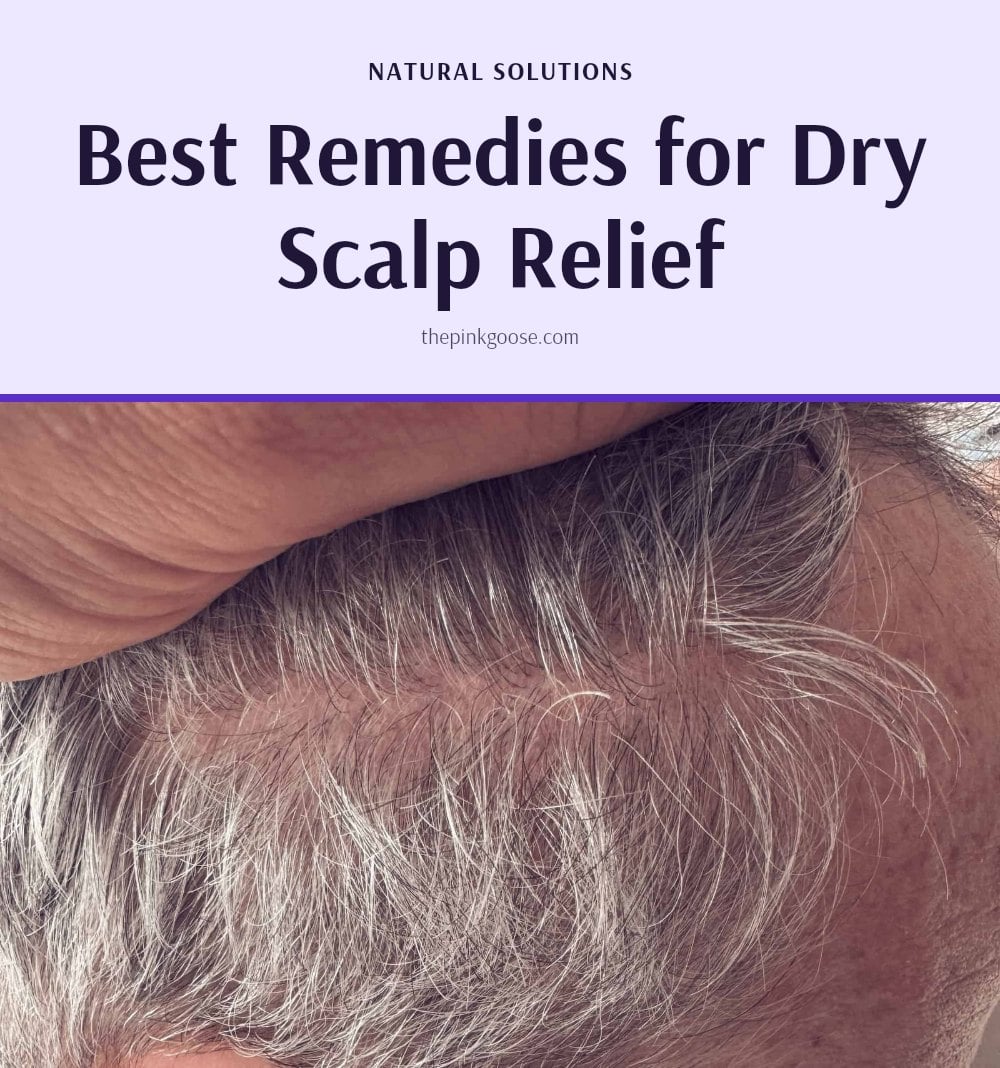
Start by swapping your regular shampoo for a gentle, sulfate-free formula. Sulfates strip natural oils, which is the last thing a dry scalp needs. Look for labels that say “moisturizing” or “hydrating” and wash with lukewarm water, hot water pulls moisture out of the skin. My tip: apply conditioner only to the mid-lengths and ends, not the scalp, so you don’t weigh down the roots or clog pores.
Adding a moisturizing scalp oil is one of the fastest ways to soothe tightness and flaking. Jojoba and argan oils closely mimic the scalp’s natural sebum, so they absorb well without feeling greasy. Massage a few drops into your scalp 15-20 minutes before you shower, then shampoo as usual. For maintenance, do this two to three times per week. Caution: always dilute essential oils like tea tree or peppermint with a carrier oil (jojoba or coconut) and do a patch test on your inner arm first.
If you live in a dry climate or run the heater often, a humidifier in your bedroom can help. Low humidity pulls moisture from your skin and scalp while you sleep. Running a humidifier at night adds moisture back into the air, which can reduce morning itchiness. Good to know: aim for indoor humidity around 40-50 percent, too high can encourage mold.
Finally, don’t skip hydration from the inside. Drinking enough water supports your skin’s moisture barrier, which includes your scalp. Pair that with a diet rich in omega-3s (salmon, walnuts, flaxseeds) and B vitamins (eggs, leafy greens, whole grains) to give your scalp the nutrients it needs to stay supple.
Addressing Dandruff: What Works
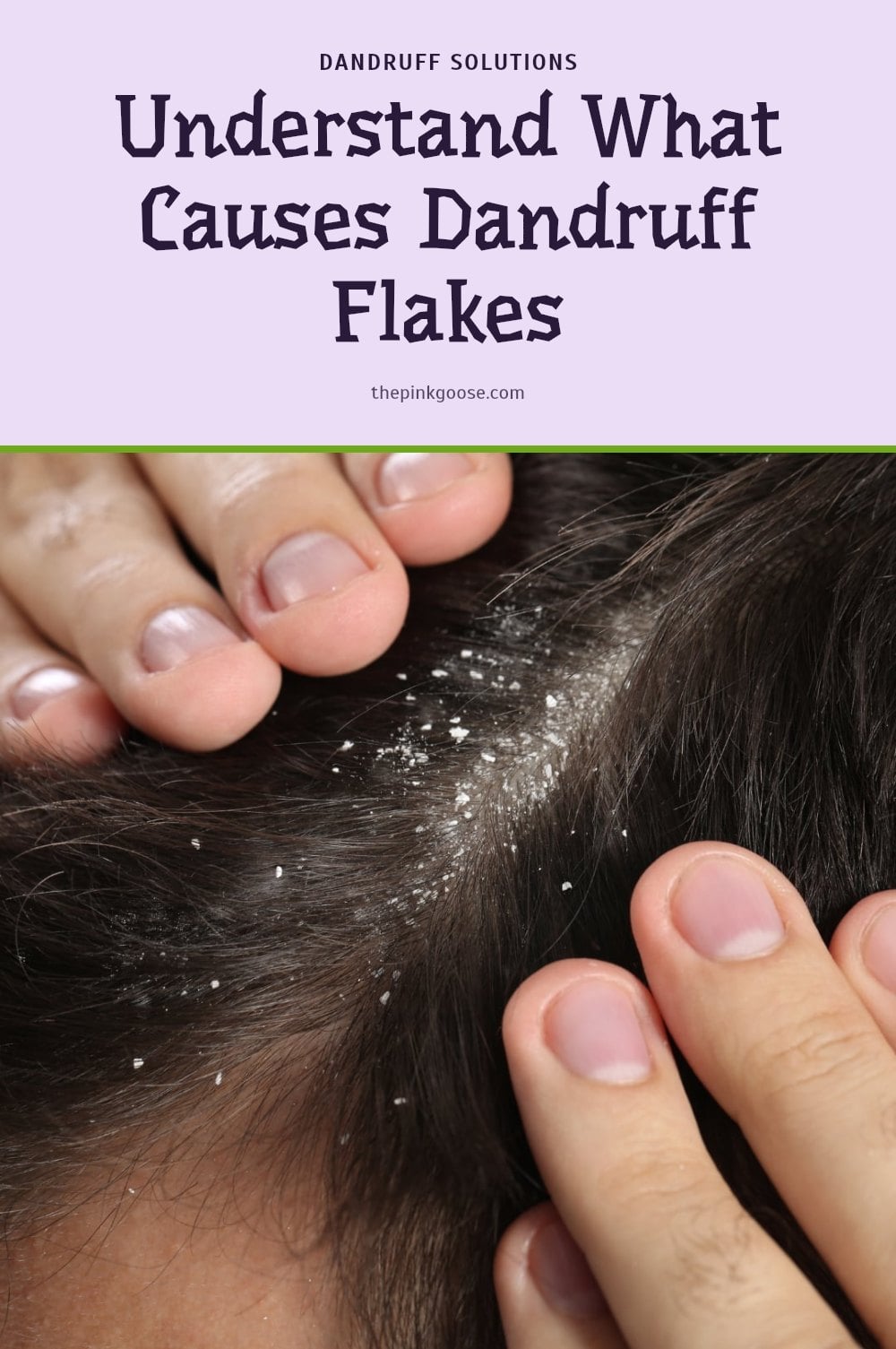
Dandruff is a different beast from dry scalp because it is caused by an overgrowth of yeast, not a lack of moisture. That means moisturizing alone will not fix it. You need an anti-fungal treatment to get the yeast back under control.
The most effective option is a medicated anti-dandruff shampoo. Look for active ingredients like zinc pyrithione, selenium sulfide, ketoconazole, or salicylic acid on the label. Each works a bit differently, but they all target the yeast or the buildup it creates.
My tip: Do not just lather and rinse. For an anti-dandruff shampoo to work, you need to leave it on your scalp for 3-5 minutes so the active ingredients have time to penetrate. Use it twice a week at first, then once a week for maintenance. If you wash too often, you can dry out your scalp; if you wash too rarely, the yeast builds up again.
Under-washing is a common trigger for dandruff. When you go too long between washes, sebum and yeast accumulate on the scalp, making symptoms worse. Try washing at least every other day until the flakes calm down.
Caution: Medicated shampoos can be irritating if you overuse them or leave them on too long. Start with the frequency on the bottle and reduce it once your scalp improves. If you have a dry scalp but use an anti-dandruff shampoo too often, you can actually make the dryness worse.
Common Mistakes When Treating Scalp Flakes
Mistake 1: Confusing dry scalp with dandruff and using the wrong treatment. If you treat a moisture issue with anti-fungal shampoo, you will only worsen the dryness. If you treat a yeast overgrowth with moisturizing oils alone, the flakes will persist.
Mistake 2: Over-shampooing, especially with harsh detergents. Washing daily with a strong shampoo strips your scalp of natural oils, which triggers more dryness and irritation. Stick to 2-3 times a week with a gentle formula.
Mistake 3: Applying heavy conditioners directly to the scalp. Conditioners are designed for the hair shaft, not the scalp. Putting them on your roots can clog pores and cause buildup, making flakes look worse.
Mistake 4: Assuming every flake is dandruff. Product buildup, contact dermatitis from styling products, or even a reaction to a new hair dye can look like flakes. If you are not sure, see a dermatologist.
Mistake 5: Using anti-dandruff shampoos too frequently when the issue is purely dry scalp. These medicated formulas can be harsh and drying. If you have dry scalp, use them no more than once a week or switch to a moisturizing routine.
Keeping Your Scalp Healthy and Flake-Free
Drinking enough water throughout the day supports your scalp’s moisture levels from the inside out. A diet rich in omega-3 fatty acids, found in foods like salmon, walnuts, and flaxseeds, along with B vitamins from leafy greens and eggs, can help maintain a healthy scalp environment.
Gentle hair brushing with a soft-bristle brush helps distribute your scalp’s natural oils down the hair shaft, which keeps both scalp and hair hydrated. Avoid styling products that list alcohol as one of the first ingredients, as they can quickly dry out your scalp.
Tip: In dry or heated indoor air, run a humidifier in your bedroom while you sleep. It adds moisture back into the air, which can prevent your scalp from feeling tight and flaky the next morning.
When to Expect Results and Treatment Costs
Relief for dry scalp often shows up within a few days to a week if you moisturize consistently. Dandruff takes longer, usually 2 to 4 weeks of regular medicated shampoo use before you see significant improvement. For products, drugstore options are budget-friendly and effective for most people. Salon or specialty lines cost more but may include higher concentrations of active ingredients or gentler formulas. Start with the affordable route and upgrade only if your scalp doesn’t respond.
When to See a Dermatologist
If your scalp irritation, redness, or flaking continues or gets worse after trying home remedies, it is time to see a dermatologist. Seek professional help if symptoms are severe or you notice pain or open sores. A dermatologist can accurately diagnose underlying conditions like seborrheic dermatitis, psoriasis, or contact dermatitis and recommend a treatment plan tailored to your specific situation.
Frequently Asked Questions
Can stress cause dry scalp?
Stress is more commonly linked to dandruff than to dry scalp, because it can trigger or worsen the yeast overgrowth that causes dandruff. While stress alone doesn’t directly cause a lack of moisture on the scalp, managing stress through relaxation techniques may help improve overall scalp health.
How often should I wash my hair if I have a dry scalp?
If you have a dry scalp, washing every other day or two to three times a week is usually enough. Over-washing strips natural oils and can make dryness worse. Use a gentle, sulfate-free shampoo and lukewarm water to avoid further irritation.
Are there specific foods that can help with scalp health?
A diet rich in omega-3 fatty acids (from salmon, walnuts, or flaxseeds) and B vitamins (from leafy greens and eggs) may support a healthy scalp. Staying hydrated by drinking enough water also helps maintain moisture levels from the inside out.
What’s the difference between a scalp serum and a scalp oil?
A scalp serum is usually a lightweight, water-based product designed to deliver active ingredients like niacinamide or peptides without greasiness. A scalp oil, such as jojoba or argan oil, is heavier and works by moisturizing and soothing the skin directly. For a dry scalp, oils are often more effective, while serums may target other concerns like sensitivity or hair growth.
Is it possible to have both dry scalp and dandruff at the same time?
Yes, it is possible to have both conditions simultaneously. You might have a dry, tight scalp with small flakes while also experiencing larger, oily flakes from dandruff. In that case, you may need to alternate between a moisturizing shampoo and a medicated anti-dandruff shampoo, or use a product designed for combination scalps.
Final Thoughts
My tip: Start by identifying your flake type and cause before grabbing any product. If the flakes are small and white, focus on moisture with a gentle shampoo and a scalp oil. If they’re oily and yellowish, go for a medicated anti-dandruff shampoo. Relief for dry scalp can come within a week, while dandruff may take a few weeks of consistent use. Either way, paying attention to your scalp’s signals and adjusting your routine is the key to long-term comfort.
This article is for informational purposes only and does not constitute medical or professional advice. If you have persistent or severe scalp irritation, pain, or flaking, please consult a dermatologist or healthcare provider for a proper diagnosis and treatment plan.
