

You pick up a pair of dumbbells, ready to get stronger, but are you sure your form is doing you favors? Many women unknowingly make small mistakes that can reduce results and increase the risk of injury. This article covers the most common dumbbell workout mistakes and gives you simple, practical fixes to make every rep count safely.
Key Takeaways
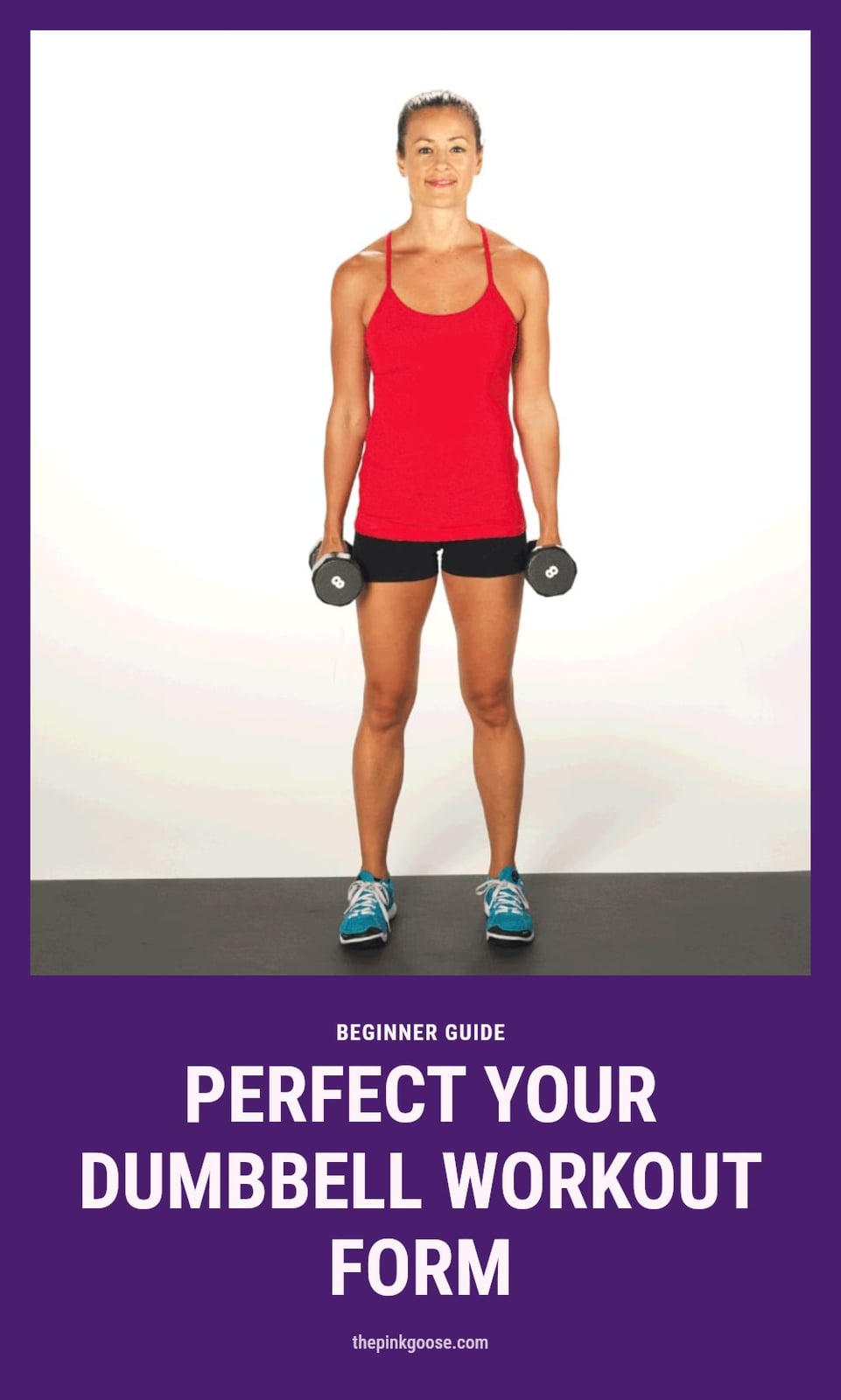
- Keep your spine neutral and core engaged during every dumbbell exercise.
- Choose a weight you can control through the full range of motion.
- Slow down the lowering phase to increase muscle activation.
- Never lock your elbows or knees at the top of a movement.
- Warm up dynamically and cool down with static stretches each session.
1. Dynamic Warm-Up: Arm Circles
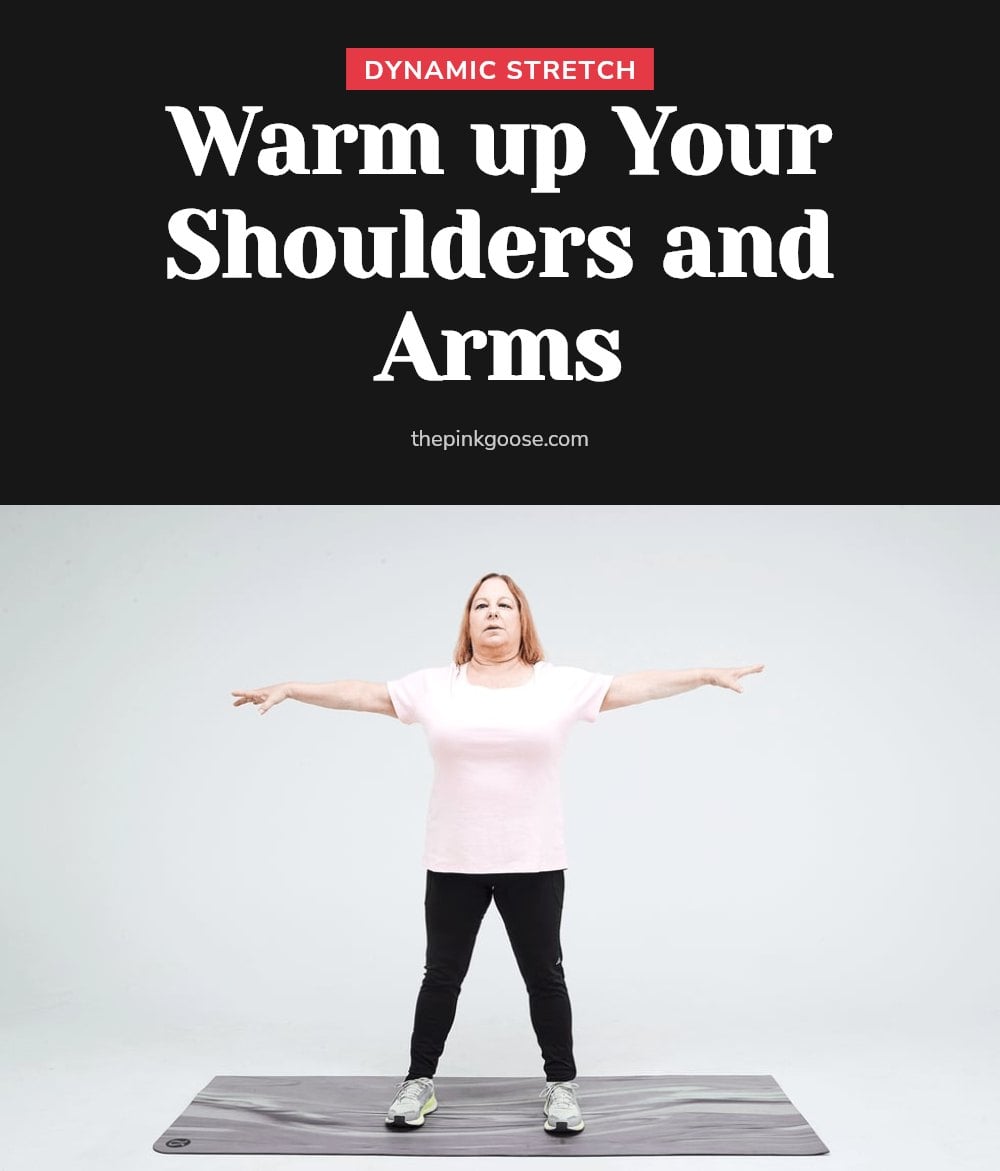
Stand tall with your feet shoulder-width apart and extend your arms straight out to the sides. Perform 10 to 15 small circles forward, then 10 to 15 backward, gradually increasing the size of the circles. Keep your core engaged and focus on controlled, smooth movement to prepare your shoulders and upper body.
- Time: 30-45 seconds total
- Form cue: Keep your shoulders relaxed, not shrugged up toward your ears.
- Make it easier or harder: Start with tiny circles and slowly make them bigger as you warm up.
2. Dumbbell Squat
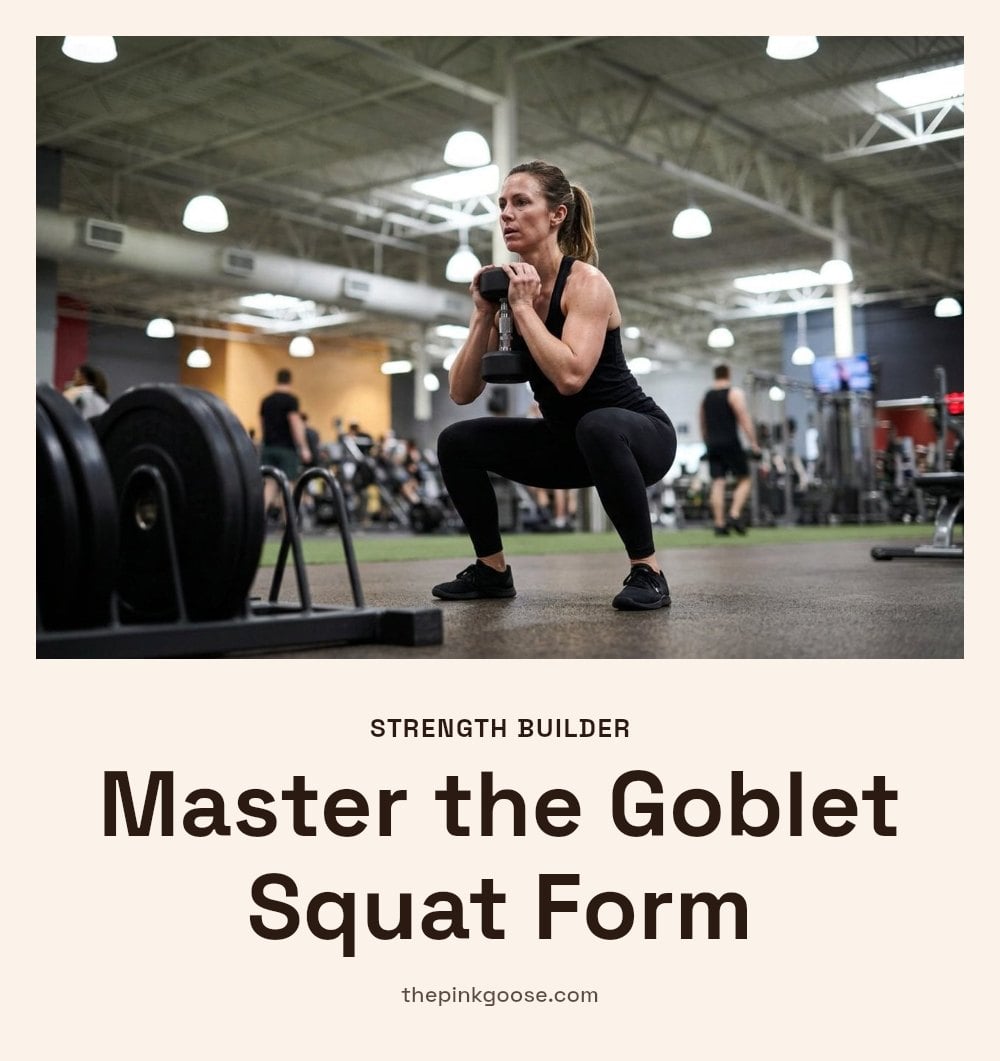
Hold a dumbbell in each hand, either resting them on your shoulders or letting them hang by your sides. Stand with feet shoulder-width apart and toes turned slightly outward. Lower your body as if sitting back into a chair, keeping your chest lifted and back straight. Make sure your knees track over your toes and don’t collapse inward.
- Sets and reps: 3 sets of 10-12 reps
- Form cue: Imagine you’re sitting back into a low chair, not dropping straight down.
- Make it easier or harder: Use lighter dumbbells to master form first, then increase weight.
3. Dumbbell Bent-Over Row
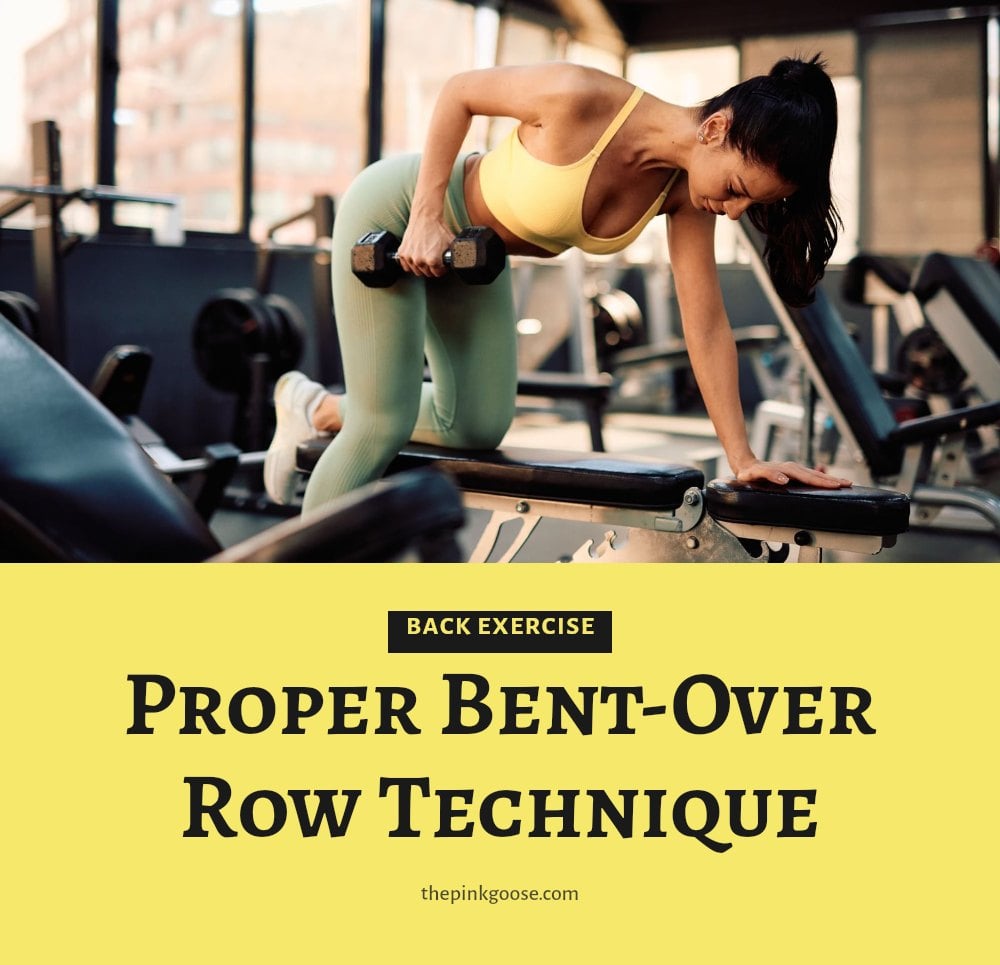
Hold a dumbbell in each hand with palms facing each other. Hinge at your hips, keeping your back flat and core tight, until your torso is nearly parallel to the floor. Pull the dumbbells toward your chest, squeezing your shoulder blades together, then lower with control.
- Sets and reps: 3 sets of 8-10 reps
- Form cue: Imagine trying to pinch a pencil between your shoulder blades at the top of the movement.
- Make it easier or harder: Start with lighter weights to maintain a flat back; increase weight only when you can keep your torso stable.
4. Dumbbell Chest Press
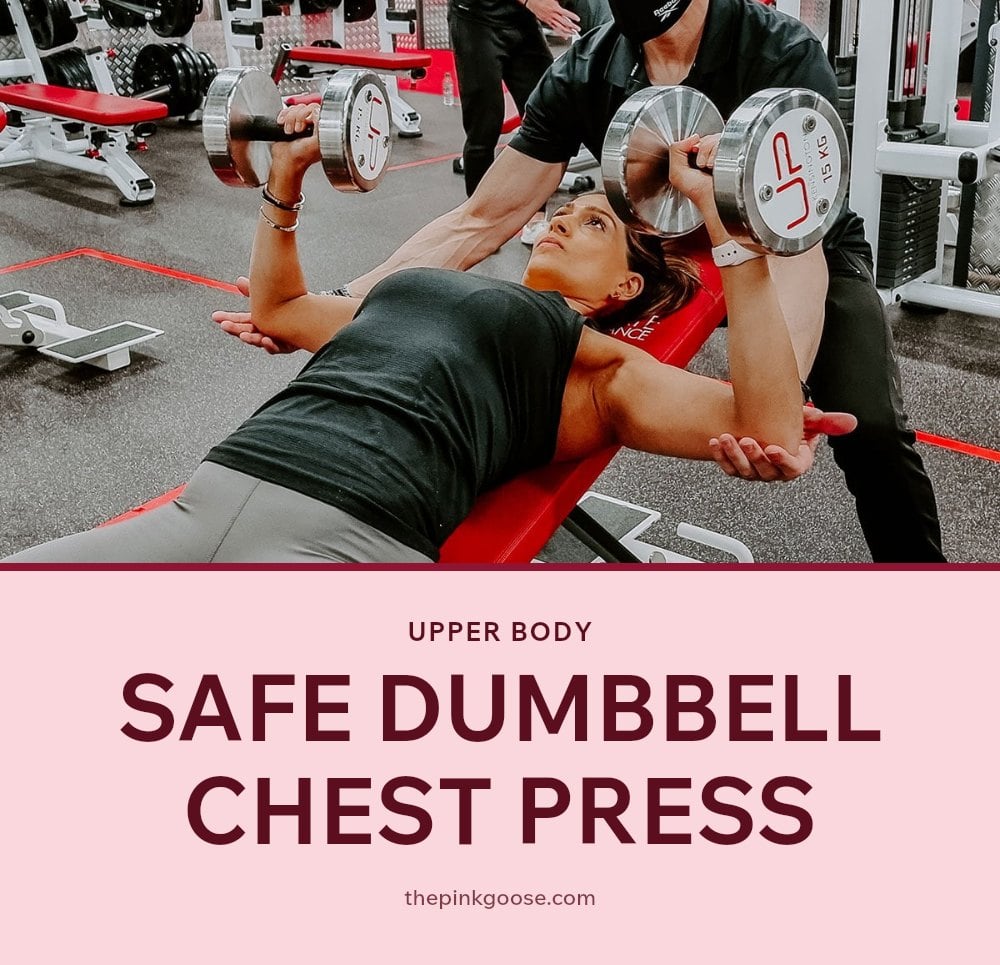
Lie on a flat bench or the floor, holding a dumbbell in each hand with palms facing forward. Start with the dumbbells at chest level, elbows slightly bent and tucked close to your body. Press the dumbbells straight up until your arms are extended but not locked, then lower slowly with control.
- Sets and reps: 3 sets of 10-12 reps
- Form cue: Keep a slight bend in your elbows at the top to protect your shoulder joints.
- Make it easier or harder: Use the floor for a shorter range of motion if you’re a beginner; add a bench for more depth as you progress.
5. Dumbbell Lunge
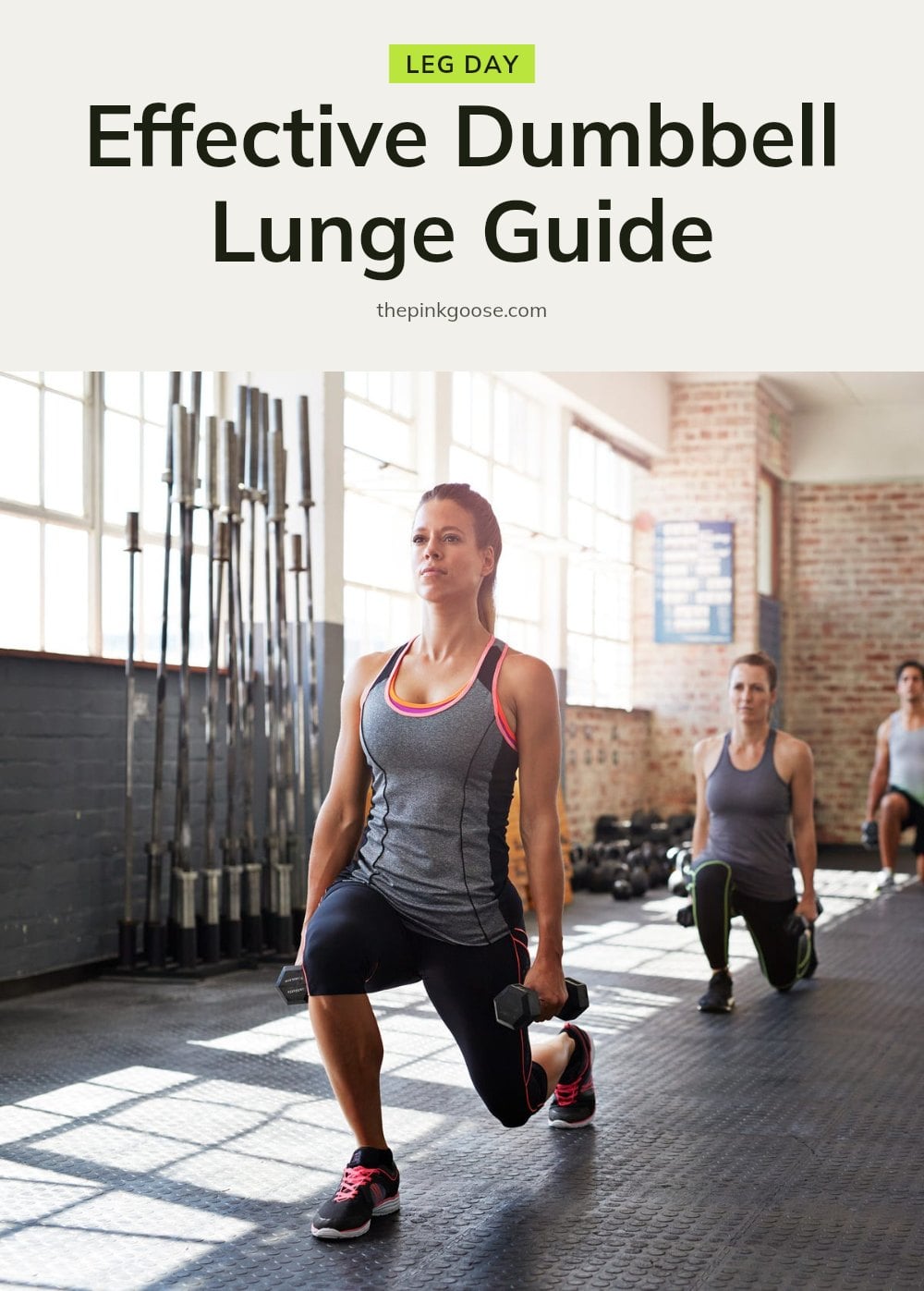
Hold a dumbbell in each hand by your sides. Step forward with one leg, lowering your hips until both knees are bent at about 90 degrees. Your front knee should be directly over your ankle, and your back knee should hover just above the floor. Push off your front foot to return to the start.
- Sets and reps: 3 sets of 8-10 repetitions per leg.
- Form cue: Keep your front knee tracking over your toes, not beyond them.
- Make it easier or harder: Use lighter dumbbells for balance; try walking lunges for a challenge.
6. Dumbbell Overhead Press
Stand or sit with a dumbbell in each hand at shoulder height, palms facing forward. Engage your core and press the dumbbells straight overhead until your arms are fully extended but not locked. Lower the weights slowly back to shoulder height.
- Sets and reps: 3 sets of 8-10 repetitions.
- Form cue: Keep your core tight to prevent arching your lower back.
- Make it easier or harder: Perform seated to reduce momentum; increase weight gradually.
7. Dumbbell Bicep Curl
Stand tall, holding a dumbbell in each hand with palms facing forward. Keeping your elbows tucked close to your body, curl the dumbbells up toward your shoulders. Squeeze your biceps at the top, then slowly lower the weights back down with control.
- Sets and reps: 3 sets of 10-12 repetitions.
- Form cue: Avoid swinging your body; use a slow, controlled lowering phase.
- Make it easier or harder: Use lighter weights to isolate the bicep; try alternating arms for more focus.
8. Dumbbell Triceps Extension (Overhead)
Hold one dumbbell with both hands, gripping one end, and extend it overhead. Keep your elbows close to your head and slowly lower the dumbbell behind you by bending your elbows. Extend your arms to return to the start, feeling the triceps work.
- Sets and reps: 3 sets of 10-12 repetitions.
- Form cue: Don’t let your elbows flare out; keep them pointing forward.
- Make it easier or harder: Use a lighter dumbbell for control; perform one arm at a time for more focus.
Your Weekly Dumbbell Workout Plan
This plan builds strength through consistency while giving your muscles time to recover. Aim for three dumbbell sessions per week, with at least one rest day between them.
| Day | Workout Focus | Sets x Reps |
|---|---|---|
| Monday | Full body (squat, chest press, row) | 3 x 10-12 |
| Wednesday | Full body (lunge, overhead press, bicep curl) | 3 x 8-12 |
| Friday | Full body (triceps extension, squat, row) | 3 x 10-12 |
Adjust the weights as needed so you can complete every rep with controlled form. If you feel sore or tired on a scheduled day, swap it for active recovery like walking or stretching. Listen to your body and prioritize quality over quantity.
Common Dumbbell Workout Mistakes and How to Fix Them
Using Momentum Instead of Muscle: This is a big one. Instead of swinging the weights, slow down your movements, especially on the lowering (eccentric) phase. This forces your muscles to do the work, not gravity or inertia.
Rounding Your Back: Especially in exercises like deadlifts or bent-over rows, a rounded back can lead to injury. Focus on maintaining a neutral spine by engaging your core and imagining a straight line from your head to your tailbone.
Locking Out Joints: Fully extending and locking your elbows or knees at the top of a press or extension puts unnecessary stress on your joints. Always keep a slight bend in your joints to protect them.
Choosing Weights That Are Too Heavy: If you can’t complete reps with good form, your weights are too heavy. It’s better to lift lighter with perfect form than heavier with poor form. My tip: If you can’t control the weight through the full range of motion, it’s too much.
Neglecting Core Engagement: Your core acts as a stabilizer for almost every exercise. Actively brace your abs (imagine bracing for a punch) to protect your lower back and improve overall stability.
Holding Your Breath: Proper breathing is vital. Exhale on exertion (when you’re lifting or pushing) and inhale on the release (when you’re lowering the weight). This helps maintain core stability and oxygenates your muscles.
Frequently Asked Questions
How often should I do dumbbell workouts?
Aim for two to four dumbbell sessions per week, with at least one rest day between sessions to allow your muscles to recover. Consistency matters more than frequency, so choose a schedule you can stick with long term.
What’s the best way to choose the right dumbbell weight?
Start with a weight that lets you perform all reps with controlled movement and good form. If you can’t complete the last few reps without swinging or straining, the weight is too heavy. You should feel challenged but not compromised.
Can I build muscle with just dumbbells?
Yes, dumbbells are highly effective for building strength and muscle, especially when you progressively increase the weight over time. They allow for a wide range of exercises that target all major muscle groups, making them a versatile tool for home or gym workouts.
How long does it take to see results from dumbbell training?
Visible strength improvements often appear within four to eight weeks of consistent training. Muscle growth may take longer, but you’ll likely notice increased endurance and ease with daily activities sooner. Patience and consistency are key.
Is it okay to feel muscle soreness after a dumbbell workout?
Mild soreness a day or two after exercise is normal and usually indicates your muscles are adapting. However, if you feel sharp pain during a movement or soreness that limits your daily activities, it’s best to rest and consult a professional if it persists.
Final Thoughts
Focus on mastering form with lighter weights before you increase the load. Aim for three dumbbell sessions per week with at least one rest day between them, and you can expect to see strength improvements within four to eight weeks. Listen to your body, stop if anything feels sharp or painful, and enjoy the process of getting stronger and safer with every workout.
This article is for general informational purposes only and is not a substitute for professional medical or fitness advice. Always consult a doctor or certified trainer before starting a new exercise program, especially if you have pre-existing health conditions. If you experience pain, dizziness, or unusual symptoms, stop and seek professional guidance.
