

Dealing with facial redness can feel like a constant battle, especially when your skin reacts to things you can’t always control. Whether it’s a flush after a spicy meal or persistent redness that won’t fade, the right approach makes a real difference. This article breaks down the common causes of facial redness and walks you through a gentle, effective skincare routine to calm irritation and strengthen your skin barrier.

Key Takeaways
- Identify and avoid personal triggers like sun exposure, spicy foods, and stress.
- Use a gentle cleanser, soothing moisturizer, and broad-spectrum SPF 30+ daily.
- Incorporate barrier-supporting ingredients such as ceramides, niacinamide, and centella asiatica.
- Patch test new products and introduce only one active ingredient at a time.
- Consult a dermatologist for persistent, severe, or worsening redness.
How to Calm Facial Redness and Soothe Your Skin
Facial redness can be managed by identifying your personal triggers and sticking to a consistent, gentle skincare routine. Focus on soothing inflammation, strengthening your skin barrier, and protecting your skin from environmental factors. Avoid harsh ingredients like alcohol and strong fragrances, and make daily sun protection with SPF 30+ a non-negotiable step. This approach helps reduce current redness and prevents future flare-ups.
Why Your Face Might Be Red: Common Causes
Why Your Face Might Be Red: Common Causes
Facial redness often stems from underlying skin conditions such as rosacea, eczema, or contact dermatitis. Rosacea, for example, is a chronic inflammatory condition that can cause persistent redness, visible blood vessels, and bumps. A compromised skin barrier also plays a key role, when the barrier is weakened, irritants penetrate more easily and moisture escapes, leading to increased sensitivity and redness.
Common triggers that can exacerbate redness include:
- Sun exposure and extreme temperatures (hot or cold)
- Spicy foods, alcohol, and hot beverages
- Stress and certain skincare ingredients like fragrances or dyes
Identifying your specific triggers through a diary can help you avoid them and reduce flare-ups.
Essential Products for a Redness-Reducing Routine
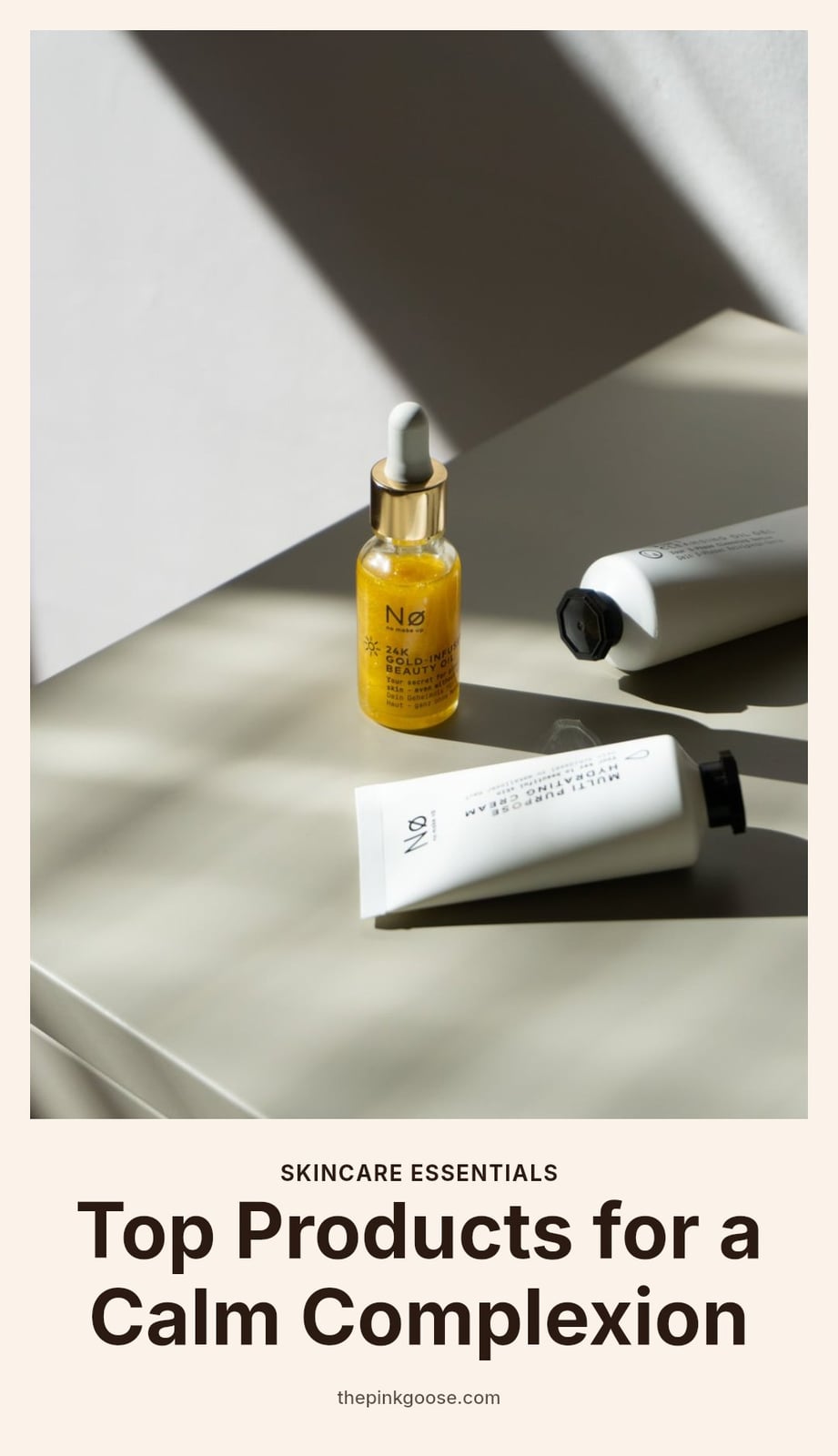
Essential Products for a Redness-Reducing Routine
Building a redness-friendly routine starts with the right products. Look for:
- Gentle cleanser: A cream or gel formula cleanses without stripping your skin.
- Soothing moisturizer: Supports the skin barrier and locks in hydration.
- Broad-spectrum sunscreen: SPF 30+ is non-negotiable for daily protection against UV-induced redness.
- Targeted serums: Ingredients like niacinamide, ceramides, and hyaluronic acid help soothe and strengthen the barrier.
Choose fragrance-free and alcohol-free options to minimize irritation.
Your Gentle Skincare Routine to Reduce Redness

Your Gentle Skincare Routine to Reduce Redness
Consistency and a light touch are key. Here’s a step-by-step routine to follow daily.
Cleanse gently: Use lukewarm water and a gentle cream or gel cleanser. Apply with clean hands using a soft, patting motion, no scrubbing. Rinse with lukewarm water and pat dry with a soft towel.
Apply serums: If you use a soothing serum with niacinamide or ceramides, apply it to slightly damp skin. Use a gentle patting motion with your fingertips, not rubbing.
Moisturize: Follow with a fragrance-free moisturizer to lock in hydration and support your skin barrier. Apply in upward, gentle strokes or pats.
Protect with sunscreen: Every morning, finish with a broad-spectrum SPF 30+ sunscreen. Reapply every two hours if you’re outdoors or near windows.
Introduce new products slowly: Patch test any new product on a small area of skin (like behind your ear) for a few days before using it on your whole face. Add only one new product at a time so you can identify what works.
Be patient: Visible improvements in redness may take several weeks to months. Stick with your routine and avoid switching products too quickly.
Common Mistakes That Worsen Facial Redness
Many people accidentally worsen their redness without realizing it. Using too many active ingredients at once can overwhelm sensitive skin and trigger more inflammation. Tip: Introduce only one new active product at a time and give it at least four weeks before adding another. When that new product is an exfoliant, follow the same rule of introducing it alone.
Over-exfoliating is another common misstep. Harsh scrubs or frequent acid peels strip the skin’s natural barrier, leaving it vulnerable and red. Limit exfoliation to once a week with a gentle formula, and avoid using other active ingredients on the same night.
Skipping sunscreen, even on cloudy days, leaves skin exposed to UV damage that can intensify redness. Apply a broad-spectrum SPF 30+ every morning. Also, don’t give up on a product too soon; visible improvements in redness may take several weeks to months of consistent use.
Preventing Redness Flare-Ups: Daily Habits and Triggers

Preventing redness flare-ups starts with understanding your personal triggers. Keep a diary to track foods, weather, stress, and products that seem to cause a reaction. Once you spot a pattern, you can avoid that trigger.
Choose fragrance-free and alcohol-free skincare products to minimize irritation. Moisturize regularly to maintain a strong, healthy skin barrier that resists redness. My tip: Look for moisturizers with ceramides or niacinamide for extra barrier support.
Incorporate antioxidants into your routine to protect skin from environmental damage. Vitamin C or green tea extracts can help reduce redness over time when used consistently.
When to Consult a Dermatologist for Facial Redness
If your facial redness is persistent, severe, or worsening, it’s time to see a dermatologist. A professional diagnosis is essential for conditions like rosacea, which require specific medical management. Seek medical attention immediately if redness is accompanied by pain, swelling, pus, or fever. Don’t ignore these signs; early treatment can prevent complications and improve your skin’s health.
Frequently Asked Questions
What ingredients should I avoid if I have facial redness?
Stay away from harsh ingredients that can irritate sensitive skin, including strong fragrances, alcohol, dyes, and essential oils. Physical exfoliants and abrasive scrubs are also a no-go. My tip: always check labels for these potential irritants before buying a new product.
How long does it take to see improvements in facial redness?
With a consistent gentle routine, you may start noticing improvements in a few weeks, but it can take several months for significant changes. Chronic conditions like rosacea require ongoing management, so patience is key. Stick with your routine and give products at least two weeks before judging them.
Can diet affect facial redness?
Yes, certain foods and drinks can trigger flare-ups for some people. Common dietary triggers include spicy foods, alcohol, and hot beverages. Keeping a diary to track what you eat and how your skin reacts can help you identify your personal triggers and avoid them.
What’s the difference between sensitive skin and rosacea?
Sensitive skin is a general term for skin that reacts easily to products or environmental factors, often with stinging or redness. Rosacea is a specific chronic inflammatory condition that causes persistent redness, visible blood vessels, and sometimes bumps. A dermatologist can provide a proper diagnosis.
Is facial redness a sign of aging?
Facial redness is not a direct sign of aging, though sun damage over time can contribute to persistent redness and broken capillaries. More often, redness is linked to conditions like rosacea, eczema, or a compromised skin barrier. Protecting your skin with daily sunscreen can help prevent UV-related redness.
Final Thoughts
My tip: start with the basics and give your skin time to adjust. A consistent routine with gentle cleansing, moisturizing, and daily sunscreen is the foundation for reducing redness. Realistic expectations are key; visible improvements often take several weeks to months, and ongoing management is usually needed for chronic conditions like rosacea. Stick with it, and your skin will thank you.
This article is for general informational purposes only and does not constitute medical or professional advice. Facial redness can be a symptom of an underlying condition. Always consult a dermatologist or healthcare provider for a proper diagnosis and treatment plan, especially if your redness is persistent, severe, or accompanied by pain or swelling.