

Dark spots can feel like stubborn little guests that refuse to leave, but the good news is you can fade them with the right routine and a bit of patience. I’ve sorted through the science so you don’t have to, and in this article I’ll walk you through the ingredients that really work, how to build a simple daily plan, and what to expect along the way.
Key Takeaways
- Consistent daily use of broad-spectrum SPF 30+ is non-negotiable for preventing and fading dark spots.
- Ingredients like vitamin C, niacinamide, and retinoids target melanin production or speed cell turnover.
- Visible lightening typically takes 8 to 12 weeks, with full results in 6 to 12 months.
- Introduce one new active at a time and always patch test to avoid irritation.
How to Effectively Reduce Dark Spots on Your Skin
Dark spots, or hyperpigmentation, can be significantly reduced with a consistent skincare routine focused on specific active ingredients and diligent sun protection. The key is to use ingredients that inhibit melanin production and promote cell turnover, combined with unwavering commitment to sunscreen to prevent recurrence. My tip: start with one active ingredient and build up slowly to avoid irritation.
Understanding Why Dark Spots Appear
Understanding Why Dark Spots Appear
Dark spots are caused by an overproduction of melanin, the pigment that gives skin its color. This overproduction is often triggered by sun exposure, inflammation, or hormonal changes.
Different types of hyperpigmentation include:
- Sunspots: Also called solar lentigines, these develop from cumulative UV exposure.
- Post-inflammatory hyperpigmentation (PIH): Occurs after skin injury or inflammation, such as acne breakouts, cuts, or eczema.
- Melasma: Linked to hormonal shifts, like those during pregnancy or with oral contraceptive use, and worsened by sun exposure.
Topical Ingredients to Target Dark Spots
Topical Ingredients to Target Dark Spots
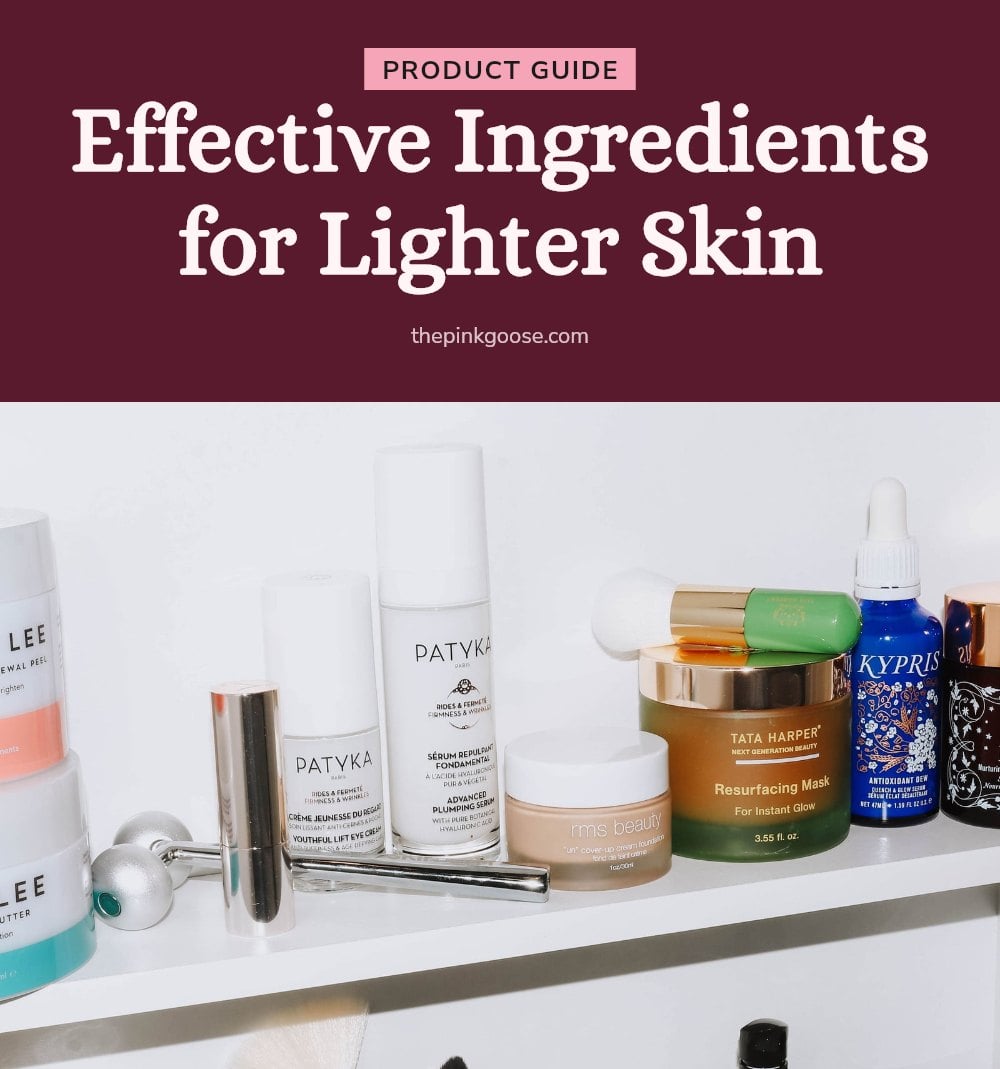
Several active ingredients can help lighten dark spots by targeting melanin production or speeding up cell turnover. Here’s how they work:
- Hydroquinone: A highly effective ingredient that inhibits melanin production. It is often regulated or available by prescription due to potential side effects with long-term, high-concentration use. Use it under a dermatologist’s guidance.
- Retinoids (retinol, tretinoin): These accelerate cell turnover, helping shed pigmented cells and revealing fresher skin. They can increase sun sensitivity, so sunscreen is non-negotiable.
- Vitamin C (L-ascorbic acid): An antioxidant that brightens skin and inhibits melanin production. Apply it in the morning for added protection against environmental damage.
- Niacinamide (Vitamin B3): Helps prevent the transfer of melanin to skin cells, reducing the appearance of dark spots over time.
- Alpha hydroxy acids (AHAs): Glycolic acid and lactic acid exfoliate the surface layer of skin, removing pigmented cells. Start with a lower concentration to avoid irritation.
Caution: Introduce only one new active at a time and patch test first. Using too many strong ingredients at once can cause irritation and worsen hyperpigmentation.
Building Your Daily Dark Spot Skincare Routine
Building Your Daily Dark Spot Skincare Routine
A consistent routine is essential for progress. Follow these steps every morning and evening:
- Cleanse: Start with a gentle cleanser to remove dirt and oil without stripping your skin barrier.
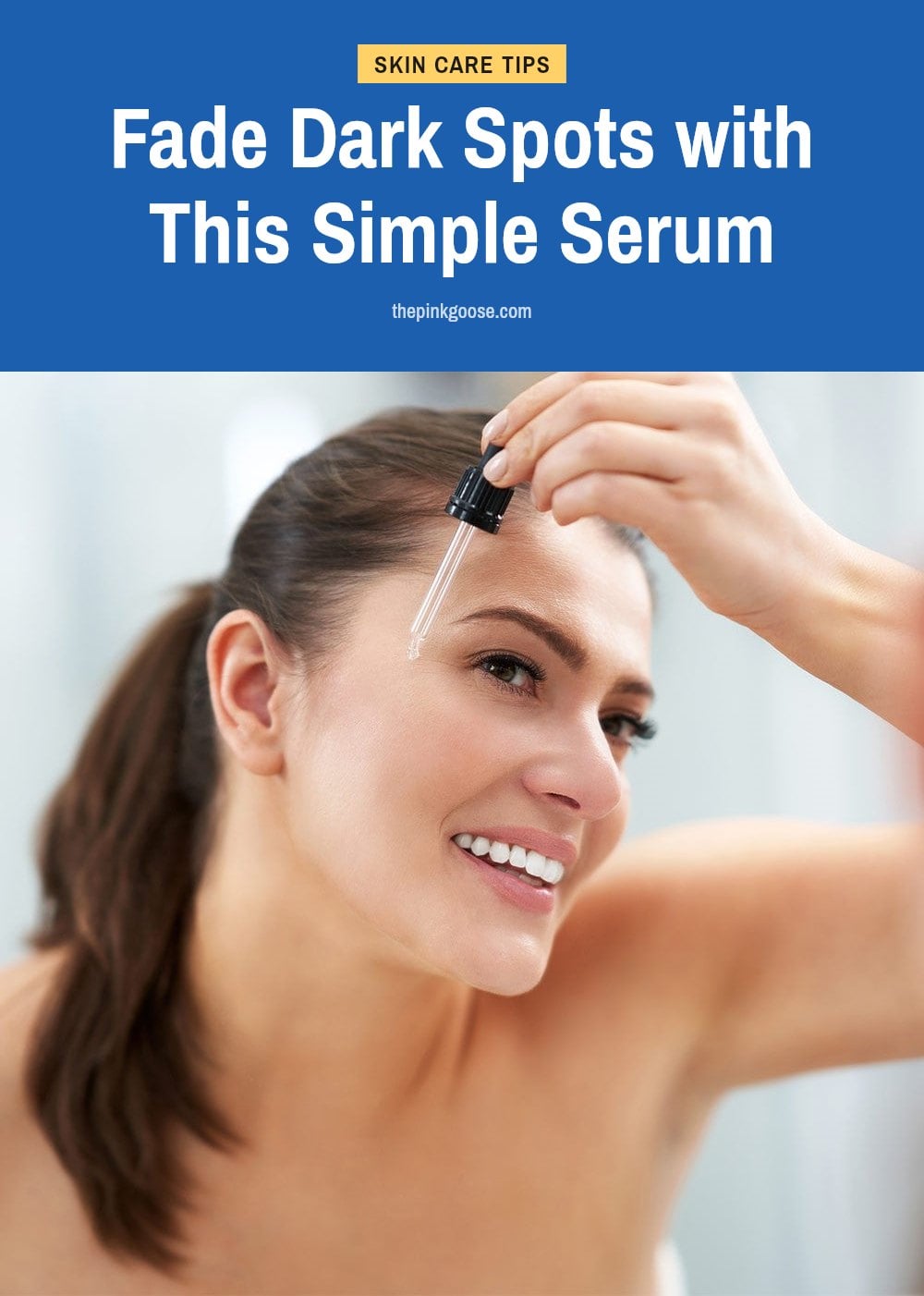
- Apply targeted serum: Use a dark spot serum containing one active ingredient, such as vitamin C in the morning or a retinoid at night. Wait a few minutes for it to absorb.
- Moisturize: Follow with a moisturizer to support your skin barrier and reduce potential irritation from active ingredients.
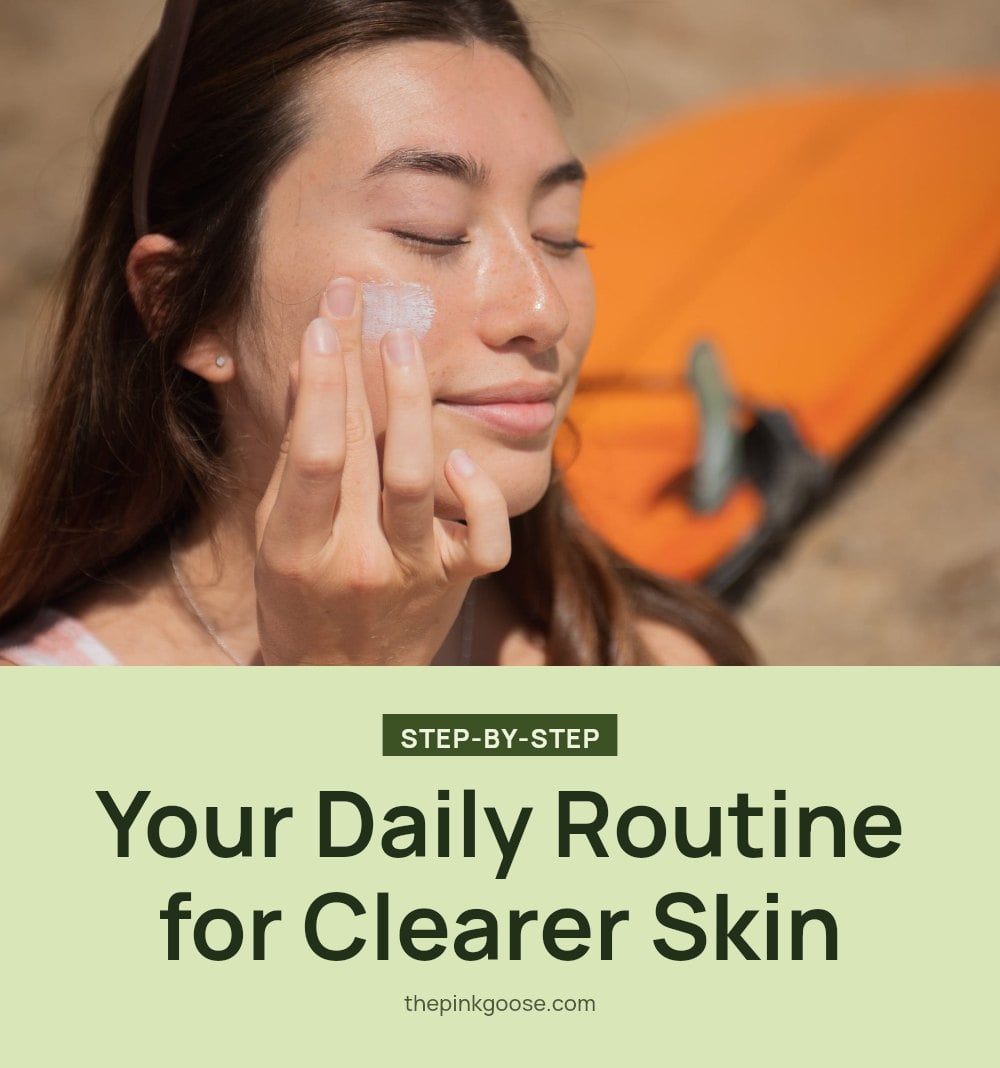
- Finish with sunscreen (morning only): Apply a broad-spectrum SPF 30+ sunscreen every morning, rain or shine. This prevents new spots and protects your progress.
Tip: If you’re new to retinoids or AHAs, start by using them 2-3 times a week, then gradually increase frequency as your skin adjusts.
Common Mistakes When Treating Dark Spots
Skipping sunscreen is the fastest way to undo all your hard work. Even on cloudy days or indoors near windows, UV rays reach your skin and can darken existing spots and trigger new ones. My tip: apply a broad-spectrum SPF 30+ every single morning as the final step in your routine.
Expecting fast results is another common trap. Dark spots fade gradually, and visible improvement typically takes 8-12 weeks of consistent product use. Pushing for quicker results by over-exfoliating or layering multiple strong actives can backfire, causing irritation that actually worsens hyperpigmentation. Stick with one or two targeted ingredients and give them time.
Picking at blemishes directly creates new post-inflammatory hyperpigmentation. Every squeeze or scratch risks leaving a mark that takes months to fade, so keep your hands off your face.
What to Expect: Timeline and Professional Options
With consistent daily use of sunscreen and targeted ingredients, you can expect to see some lightening in 8-12 weeks. Full results, especially for deeper or older spots, may take 6-12 months or longer. Patience and sticking with the routine are key.
For stubborn spots that don’t respond to topical treatments, professional options like chemical peels, laser therapy, and microdermabrasion can speed up results. These procedures should always be performed by a qualified dermatologist or licensed professional.
When to Consult a Dermatologist
See a dermatologist if your dark spots are persistent despite consistent care, or if they change in size, shape, or color. Any spot that looks different from others warrants a professional check to rule out skin cancer.
For severe hyperpigmentation, especially melasma, a dermatologist can prescribe stronger ingredients like prescription-strength hydroquinone or tretinoin, and recommend in-office procedures. Caution: always consult a doctor if you experience severe irritation, allergic reactions, or unexpected skin changes from any product.
Frequently Asked Questions
How long does it take to see results from dark spot treatments?
With consistent daily use of sunscreen and your chosen ingredients, you can expect some lightening in 8 to 12 weeks. Full results, especially for older or deeper spots, may take 6 to 12 months or longer. Patience and routine are key.
Can I prevent new dark spots from forming?
Yes, you can reduce your risk by wearing broad-spectrum SPF 30+ every day, even indoors near windows, and by avoiding picking at blemishes. A consistent routine with antioxidants like vitamin C also helps protect against future discoloration.
Is it safe to use multiple active ingredients at once?
It can be safe if you introduce them slowly and avoid mixing too many strong actives without guidance. For example, layering vitamin C and niacinamide is generally fine, but combining retinoids and AHAs may cause irritation. When in doubt, consult a dermatologist.
What is the difference between sunspots and melasma?
Sunspots (solar lentigines) are triggered by sun exposure and tend to appear as small, flat brown patches on sun-exposed areas. Melasma is often linked to hormonal changes, such as pregnancy or birth control, and can appear in larger, more diffuse patches on the face. Both are worsened by UV light.
Final Thoughts
If you’re just starting, my tip is to pick one targeted serum (like vitamin C in the morning or a retinoid at night) and pair it with a gentle moisturizer and daily SPF. Realistic expectation: you’ll likely notice a difference after about two months, but deeper spots can take a year. Stick with it, protect your skin from the sun, and trust the process.
The information in this article is for general informational purposes only and does not constitute medical or dermatological advice. Skincare products and routines affect individuals differently. If you have a persistent skin concern, are pregnant or nursing, or notice changes in a spot, please consult a qualified dermatologist or healthcare professional.
