

Have you ever wondered what makes someone truly empathetic? It’s more than just being a good listener or offering a shoulder to cry on. Empathy is the ability to step into someone else’s shoes and share their emotional experience, and it comes in several forms. In this article, I’ll walk you through 11 clear signs of an empathetic person, so you can recognize these traits in yourself or others, and learn how to cultivate them.
Key Takeaways
- Empathy includes three types: cognitive, emotional, and compassionate.
- Empathetic people are excellent listeners who focus on verbal and non-verbal cues.
- They feel others’ emotions deeply, which can sometimes lead to emotional burnout.
- Empathy is a skill that can be developed with practice and self-reflection.
- Setting boundaries is essential to avoid empathic distress from excessive emotional empathy.
What is Empathy?
Empathy is the ability to understand and share the feelings of another person by stepping into their shoes to grasp their perspective and emotions. It goes deeper than sympathy, which is simply feeling pity or concern. Empathy creates a shared emotional experience that builds strong connections. The good news is that empathy is a skill you can develop and strengthen over time with practice.
1. They Are Excellent Listeners
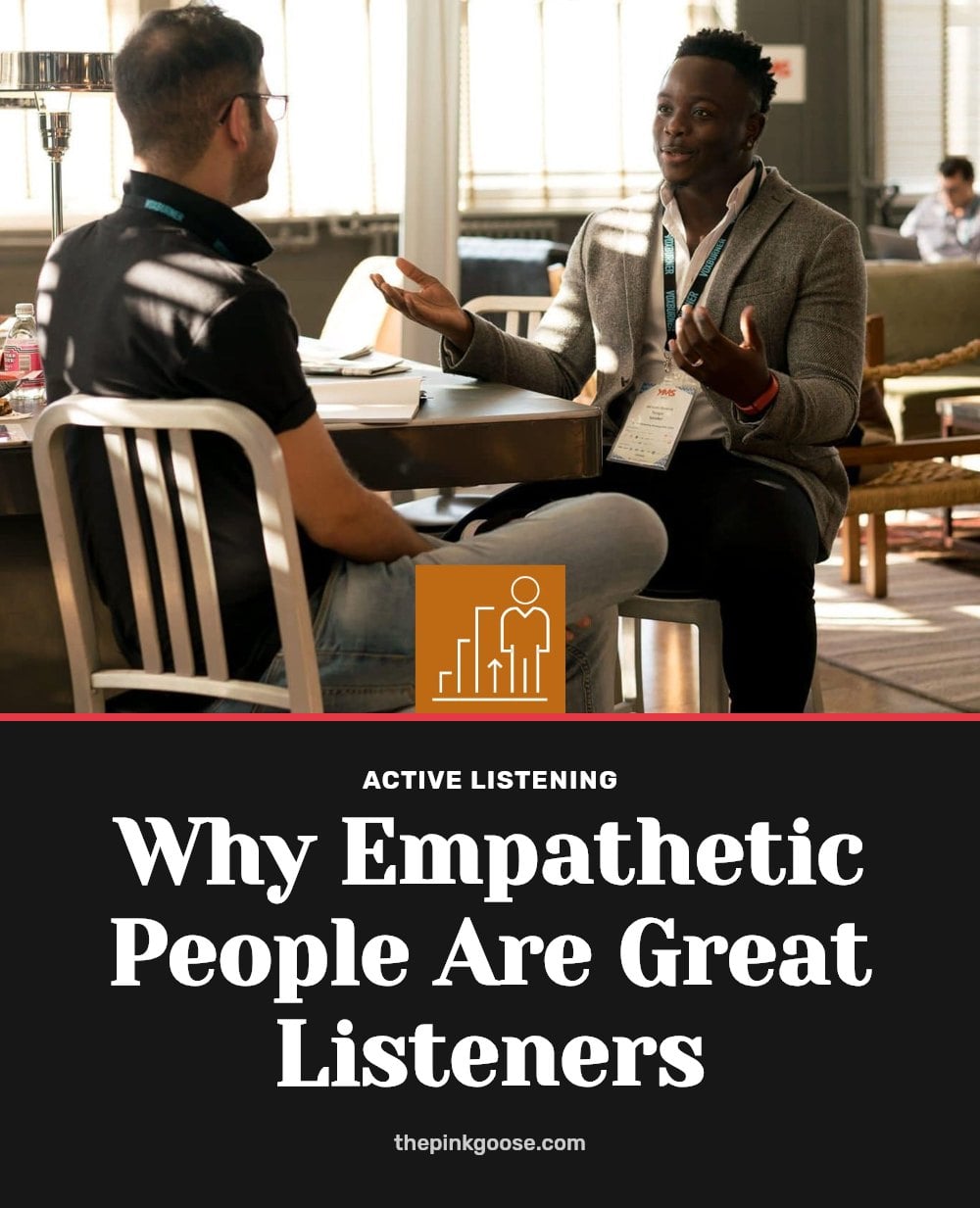
Empathetic people give their full attention, absorbing both verbal and non-verbal cues. They don’t interrupt or formulate their response while you’re speaking. They are truly present in the moment.
- My tip: Practice active listening by focusing entirely on what the other person is saying, without planning your reply. This means setting aside your phone and making eye contact.
2. They Understand Different Perspectives
This is cognitive empathy in action. Empathetic individuals can mentally step into someone else’s situation and grasp why that person might feel or act a certain way, even if it’s different from their own. They are skilled at ‘perspective-taking’, seeing the world through another’s eyes.
- Try this: When someone shares a problem, ask yourself what you would feel in their exact circumstances before responding.
3. They Feel What Others Feel
This is emotional empathy, also known as ‘affective empathy’ or ’emotional contagion’. Empathetic people genuinely experience a resonance with another person’s emotions, whether joy or sadness. They feel what others feel on a deep level.
- My tip: While this can be powerful, remember to set boundaries to prevent emotional exhaustion. Take breaks and practice self-care after intense conversations.
4. They Want to Help and Support

This is compassionate empathy: understanding and feeling, then being moved to act. Empathetic people don’t stop at feeling for you. They offer practical or emotional support when it’s appropriate, whether that means running an errand, sitting with you in silence, or simply saying ‘I’m here.’
- They don’t just sympathize from a distance. They want to be there for you.
- Their drive to help comes from a genuine desire to alleviate suffering, not from obligation.
5. They Read Non-Verbal Cues
Empathetic individuals pick up on body language and facial expressions that others miss. They notice the subtle shifts in tone, posture, or eye contact that reveal true feelings, even when words say something different.
Tip: Pay attention to tone of voice, posture, and gestures. They tell a story that words alone often hide.
6. They Are Non-Judgmental
They approach others with an open mind, even when faced with differing opinions or experiences. They understand that everyone has their own journey and struggles, so they don’t impose their own values or rush to judgment.
Good to know: Validate others’ feelings by acknowledging them, even if you don’t agree with their actions. This builds trust and keeps the conversation open.
7. They Ask Open-Ended Questions
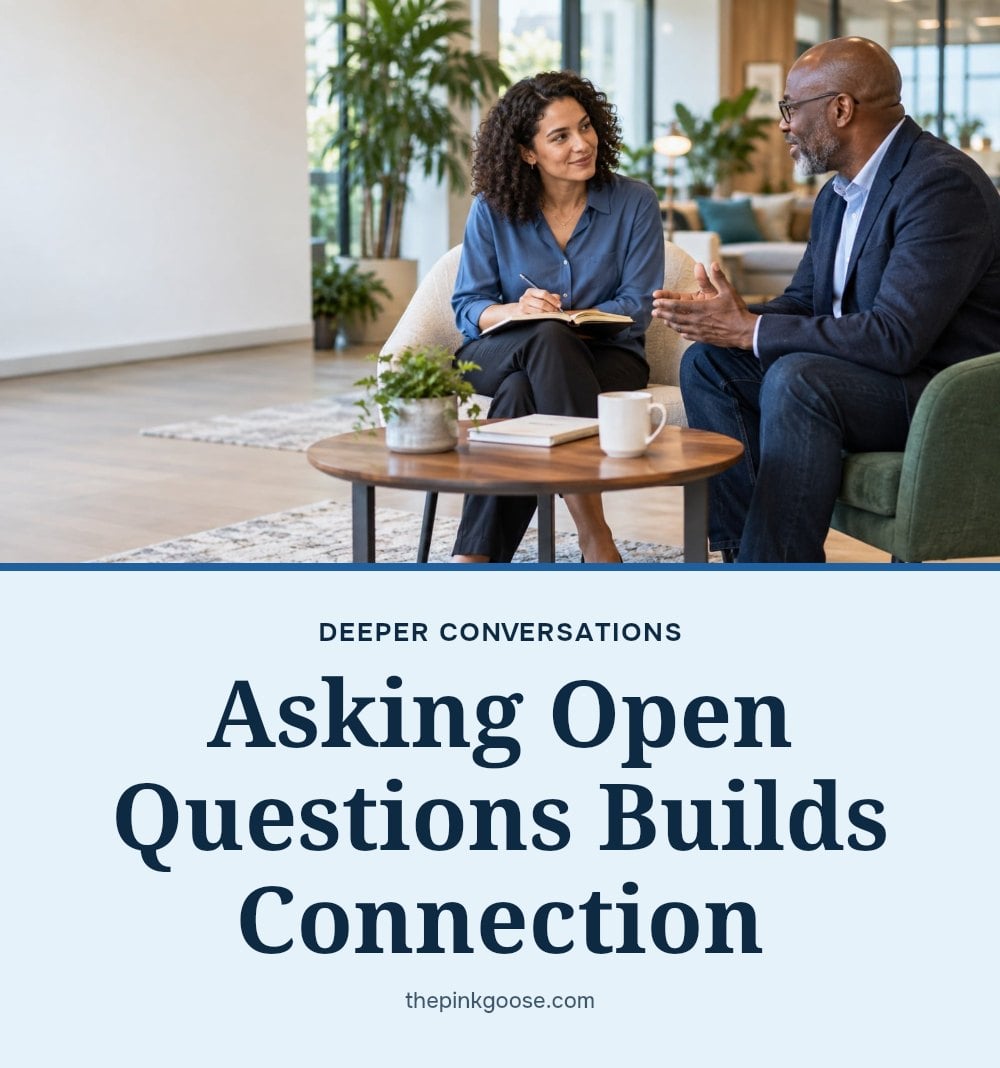
Empathetic people encourage others to share more by asking questions that require more than a ‘yes’ or ‘no’ answer. This shows genuine curiosity and a desire to understand deeper experiences.
For example, instead of ‘Are you okay?’ they might ask ‘How are you truly feeling about this?’ The shift invites real conversation rather than a quick dismissal.
8. They Are Curious About Others’ Lives
Empathetic people have a strong, authentic interest in learning about others’ experiences and perspectives. This isn’t intrusive curiosity; it’s a genuine desire to connect and understand the human experience. They ask about your passions, your challenges, and your dreams because they want to know what makes you you.
Pro move: Cultivate your own curiosity by asking people about what lights them up or what they’ve been working through. The goal isn’t to gather information but to build a bridge of understanding.
9. They Are Good at Conflict Resolution
Because they can see multiple sides of an issue, empathetic people excel at mediating disputes. They naturally pick up on what each person is feeling and why, which helps them articulate each perspective in a way that fosters understanding. Quick tip: When you find yourself in a mediator role, focus on helping each party feel heard and understood first. That alone often reduces tension more than jumping straight to a solution. Empathetic mediators don’t take sides; they create space for everyone’s viewpoint to exist, which makes compromise possible.
10. They Offer Comfort and Validation
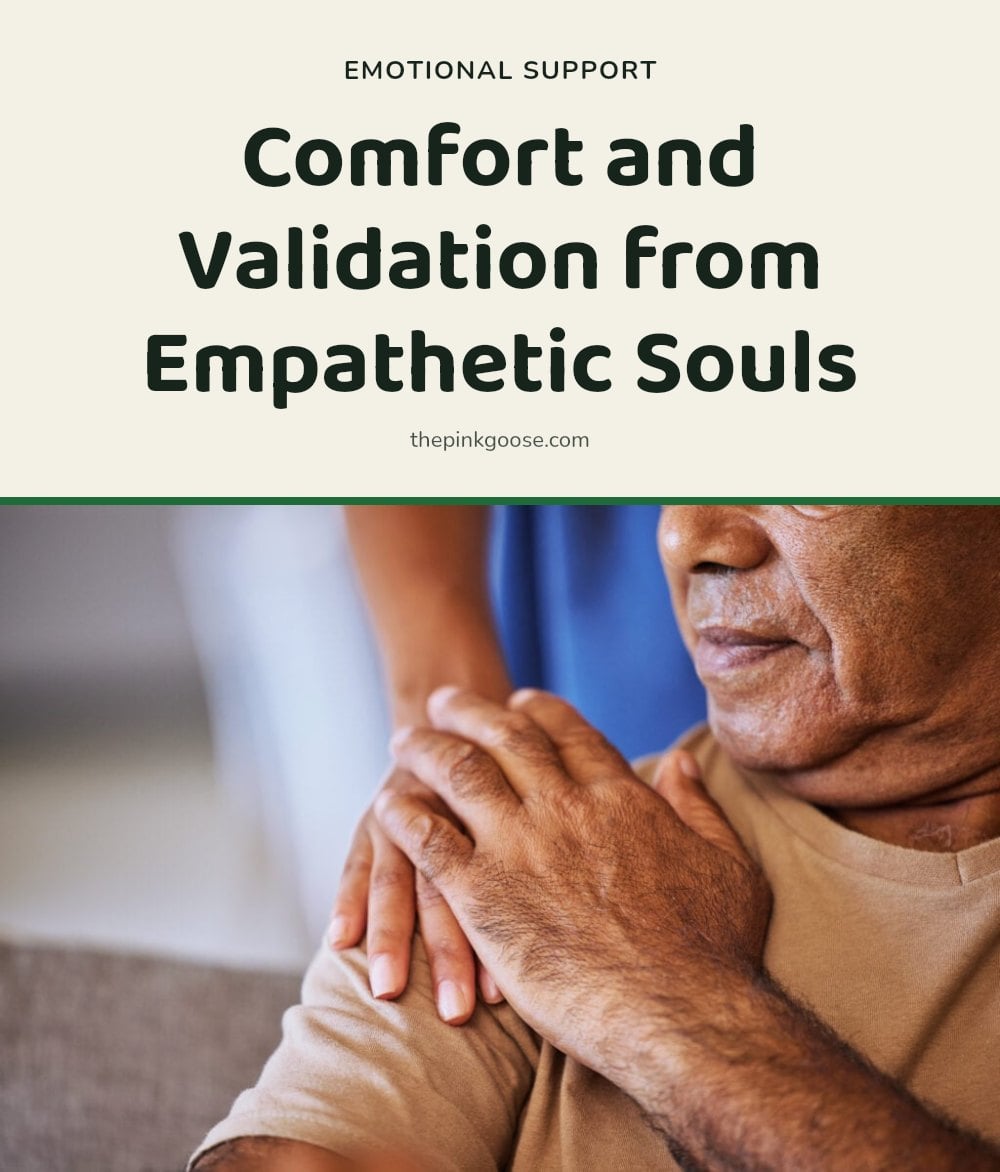
When someone is in distress, empathetic people instinctively offer comfort, whether it’s a soft word, a listening ear, or a simple presence. They don’t rush to solve the problem or hand out advice. Instead, they acknowledge the emotion directly: “That sounds really hard” or “I can see why you’re upset.” This validation makes the other person feel seen and heard, which is often exactly what they need.
- Comfort first: Offer reassurance before any suggestions.
- Validate feelings: Name the emotion you observe to show you understand.
- Hold back fixes: Resist the urge to solve unless asked.
Empathetic people know that sometimes people just need to be heard, not ‘fixed’. The act of being fully present is the support itself.
11. They Can Experience Emotional Burnout
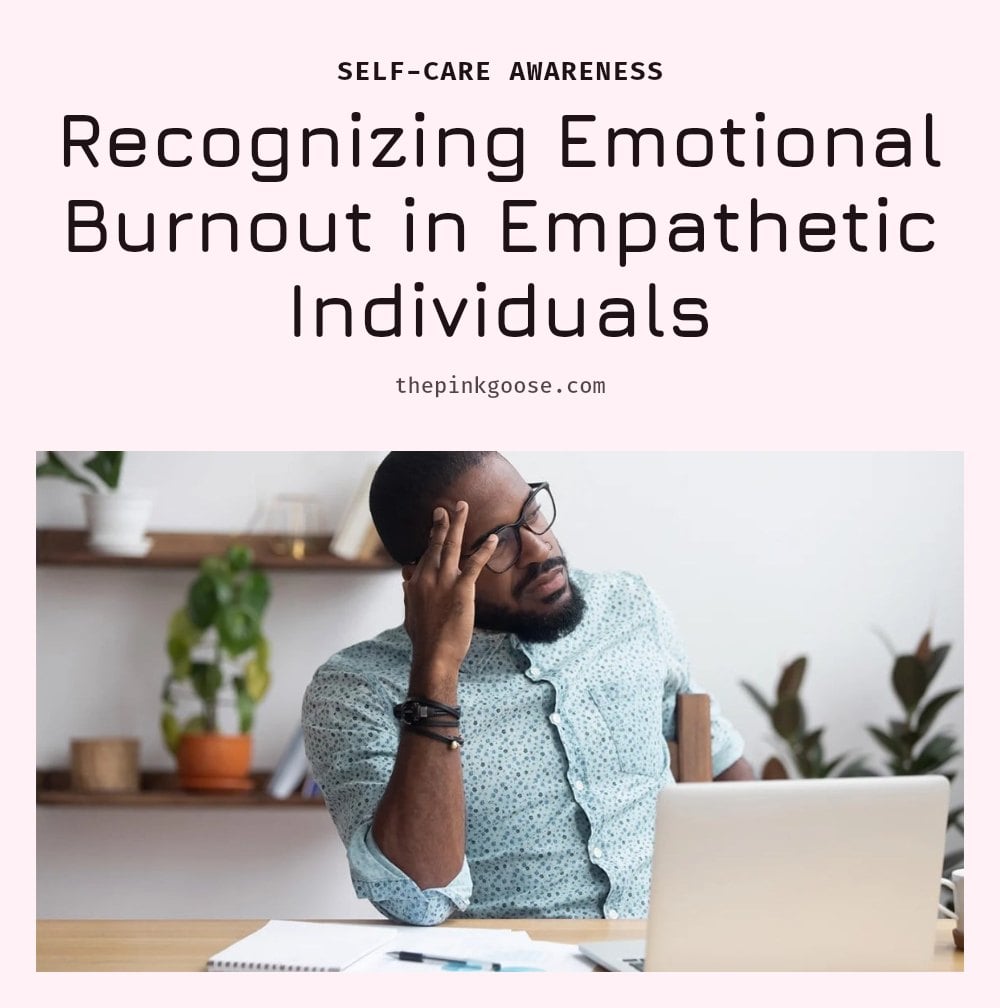
Empathetic individuals often feel deeply affected by the emotions of those around them. Without proper boundaries and self-care, this can lead to emotional exhaustion or ’empathic distress’. You absorb others’ pain as if it were your own, which can drain your emotional reserves over time.
Tip: Regularly practice self-care and learn to set healthy boundaries to protect your own emotional well-being. Start by noticing when you feel drained after social interactions. Schedule time to recharge alone or with activities that restore you. Remember, you can’t support others effectively if your own cup is empty.
- Set a mental ‘time limit’ for heavy conversations
- Use grounding techniques like deep breathing after listening
- Say no to emotional labor when you’re already depleted
Common Empathy Mistakes to Avoid
Confusing empathy with agreement is a common trap. You don’t have to endorse someone’s actions to understand their feelings. Empathy is about grasping their perspective, not signing off on it.
Minimizing feelings shuts down connection fast. Phrases like ‘it’s not a big deal’ or ‘you’ll get over it’ dismiss their experience and make them feel invisible. Instead, acknowledge the emotion directly.
Offering unsolicited advice can backfire. When someone shares a struggle, they often just need to be heard. Jumping in to ‘fix’ things makes them feel judged and unheard.
Comparing experiences shifts focus away from them. Saying ‘I know exactly how you feel because…’ centers the conversation on you, not their unique situation. Let their story stand on its own.
Caution: Ignoring self-care leads to emotional exhaustion. You can’t pour from an empty cup. Set boundaries and recharge regularly so your empathy stays sustainable.
Frequently Asked Questions
What is the difference between empathy and sympathy?
Sympathy is feeling pity or concern for someone from a distance, while empathy involves stepping into their shoes and sharing their emotional experience. Empathy creates a deeper, more connected understanding, whereas sympathy stays more at the surface level.
Can empathy be learned or is it innate?
Empathy is a skill that can be developed and strengthened over time through conscious effort and practice. While some people may have a natural inclination, anyone can improve their ability to understand and share others’ feelings by practicing active listening, perspective-taking, and self-reflection.
How can I practice active listening to improve empathy?
To practice active listening, give the speaker your full attention without interrupting or planning your response. Focus on their words, tone, and body language, and ask open-ended questions like ‘How are you truly feeling?’ to encourage them to share more deeply.
Is it possible to be too empathetic?
Yes, excessive emotional empathy without boundaries can lead to emotional exhaustion or ’empathic distress.’ If you often feel overwhelmed by others’ emotions, it’s important to practice self-care and set limits to protect your own well-being.
What are the key characteristics of an empathetic person?
Empathetic people are excellent listeners, non-judgmental, curious about others’ lives, and skilled at reading body language and facial expressions. They also offer support and comfort, can see multiple sides of an issue, and may feel deeply affected by others’ emotions.
Final Thoughts
My recommendation is to start small: practice active listening in one conversation each day, giving the other person your full attention without planning your reply. Realistically, developing deeper empathy takes time and consistent effort, so don’t expect overnight changes. The key is to stay curious, non-judgmental, and compassionate with yourself as you grow.
This article is for general informational purposes only and is not a substitute for professional medical or mental health advice. If you consistently feel overwhelmed by others’ emotions or suspect you may need support, please consult a qualified mental health professional.
