

You’ve been doing crunches for weeks, but your stomach still feels puffy and bloated. That’s because a flat stomach isn’t built in the gym alone. It starts with what you eat, how you sleep, and even how you stand. In this article, I’ll walk you through the real habits that reduce bloating and help your midsection look and feel its best, no endless sit-ups required.

Key Takeaways
- Focus on whole foods and hydration to reduce bloating from sodium and water retention.
- Good posture instantly makes your stomach appear flatter by engaging your core.
- Aim for 7-9 hours of quality sleep each night to support metabolism and reduce belly fat.
- Manage stress to prevent digestive issues like bloating and constipation.
- Eat slowly and chew thoroughly to minimize swallowed air and gas.
Beyond Crunches: Achieving a Flatter Stomach
A flatter stomach isn’t about endless crunches. It’s a holistic approach that targets bloating and digestion through diet, hydration, and daily habits. Sleep, stress, and posture all change how your midsection looks and feels. Focus on these factors, and your efforts will show real results.
1. Prioritize Whole, Unprocessed Foods

Whole, unprocessed foods cut out the sodium and unhealthy fats that cause water retention and bloating. Fill your plate with fresh fruits, vegetables, lean proteins, and whole grains. These support digestion and reduce inflammatory responses that make your stomach feel puffy.
My tip: Read labels carefully. Hidden sugars and artificial ingredients can upset your gut, even in foods that seem healthy. Stick to single-ingredient items when you can.
2. Stay Well-Hydrated Daily

Drinking enough water helps your body maintain fluid balance, which actually prevents water retention and reduces bloating. Hydration also supports digestion by moving food smoothly through your system. Less water doesn’t mean less retention; dehydration can make your body hold onto fluids.
My tip: Carry a water bottle with you throughout the day. Sip regularly, not just when you feel thirsty, to keep your system running well.
3. Practice Good Posture
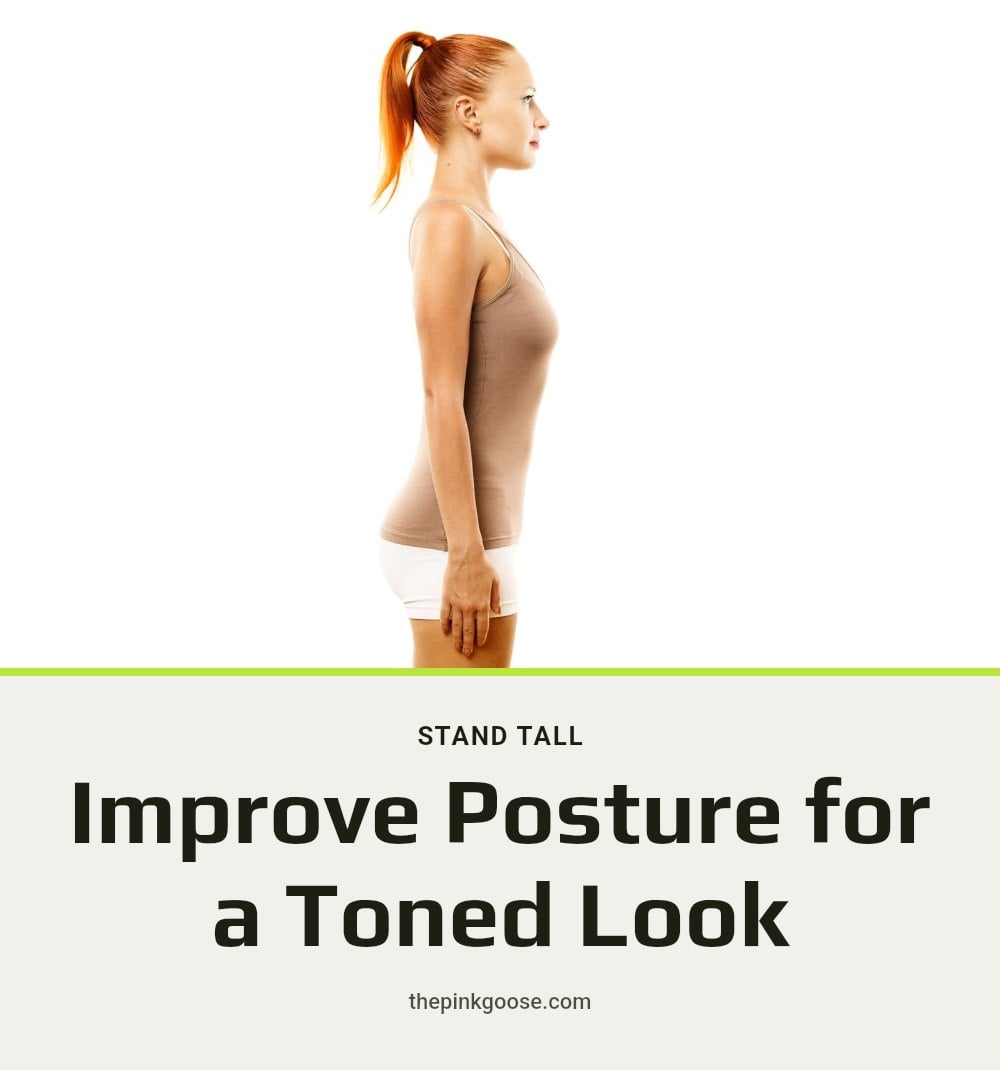
Good posture makes your stomach appear flatter by engaging your core muscles and aligning your spine. Slouching lets those muscles relax and bulge, making your midsection look more prominent. You don’t need a workout for this change.
Tip: Regularly check your posture when sitting and standing. Imagine a string pulling you upward from the top of your head. This simple mental cue keeps your core engaged and your stomach looking leaner.
4. Prioritize Quality Sleep
Lack of sleep disrupts the hormones that regulate appetite and metabolism, which can contribute to weight gain around the midsection. Aim for 7-9 hours of quality sleep each night to support your body’s overall function and lower stress levels.
Good to know: Create a consistent bedtime routine to signal to your body that it is time to wind down. A cool, dark room and a set wind-down time help your internal clock stay on track.
5. Manage Stress Effectively

Stress directly impacts digestion, often causing bloating, constipation, and abdominal discomfort through the gut-brain connection. When you are stressed, your body diverts energy away from digestion, leading to these symptoms.
Incorporate stress-reducing techniques like meditation, yoga, or deep breathing into your daily routine. Pro move: Even 10-15 minutes of quiet time can make a significant difference in how your body responds to stress. Try it right after work or before bed.
6. Incorporate Regular Movement

Regular physical activity, even moderate walking, stimulates digestion and can significantly reduce bloating. Movement helps move gas through your digestive tract and prevents constipation, which keeps your stomach feeling flatter.
Quick tip: Aim for at least 30 minutes of brisk walking most days of the week. You do not need intense workouts; consistent gentle movement is what makes the difference.
7. Eat Slowly and Chew Thoroughly
Eating slowly and chewing your food thoroughly reduces the amount of air you swallow, which directly minimizes gas and bloating. It also gives your body enough time to register fullness, helping you avoid overeating.
Tip: Put your fork down between bites to encourage a slower pace. Aim to chew each mouthful 20-30 times, but remember that visible results depend on other factors too, like stress levels and what you eat, so don’t expect an instant change.
8. Include Probiotic-Rich Foods
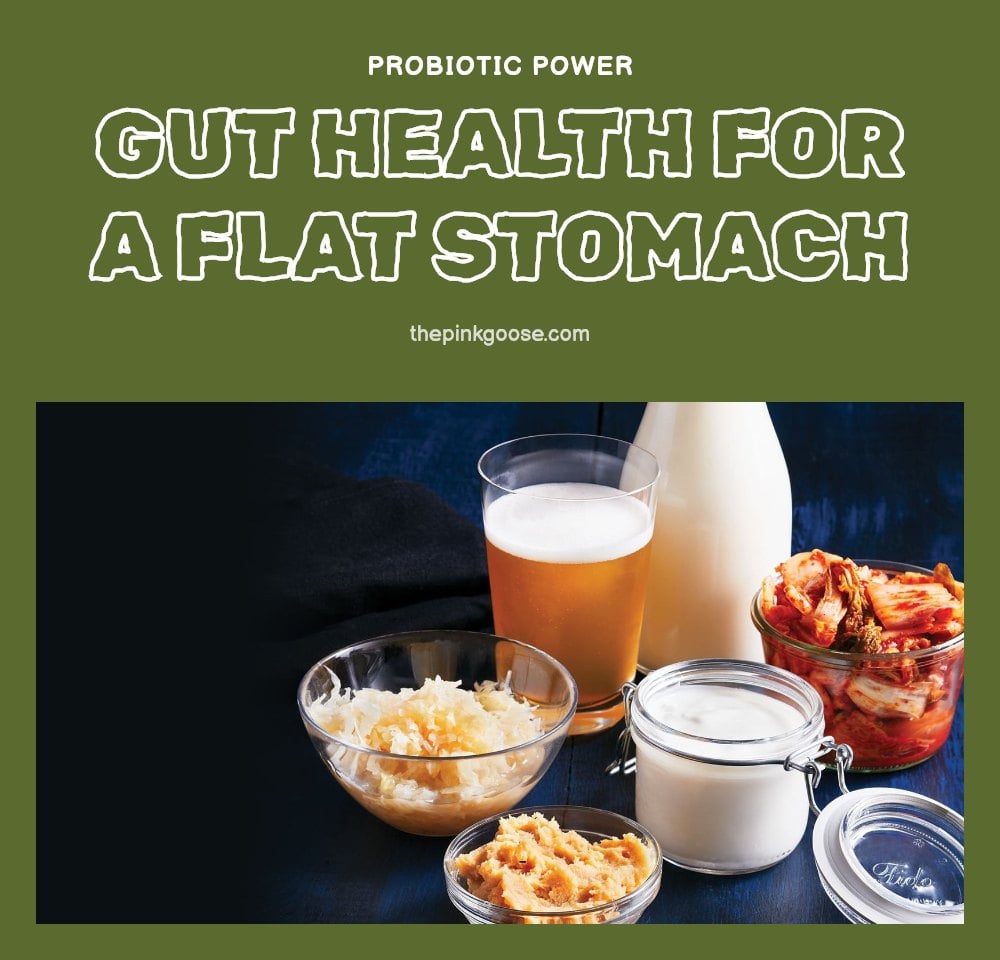
Probiotic-rich foods like yogurt, kefir, sauerkraut, and kimchi may support a healthy gut microbiome. A balanced gut can improve digestion and reduce symptoms like bloating and gas.
Good to know: Introduce these foods gradually to avoid temporary digestive upset. Start with a small serving once a day and increase slowly over a week or two.
9. Identify Trigger Foods
Certain foods, such as cruciferous vegetables (broccoli, cabbage) and legumes, can cause gas and bloating in some individuals. Artificial sweeteners can also cause digestive upset and bloating in sensitive people.
Pro move: Keep a food diary to identify patterns between what you eat and how your stomach feels. Note the time, food, and any symptoms to spot triggers.
10. Mindful Eating Habits
Avoid going to bed immediately after a large meal, as this can impede digestion and lead to discomfort. Give your body a few hours to digest before lying down for sleep.
Quick tip: Plan your meals so your last substantial meal is a few hours before bedtime. Aim for a gap of at least 2-3 hours.
11. Balance Fiber Intake
Fiber is essential for digestive health, but a sudden increase can lead to temporary bloating and gas. Introduce high-fiber foods gradually to allow your digestive system to adjust.
Tip: Ensure you’re drinking enough water when increasing fiber to help it move through your system. Aim for a glass of water with each high-fiber meal.
Common Mistakes to Avoid
Relying solely on crunches: Ab exercises strengthen muscles but don’t directly reduce fat or bloating. A holistic approach that includes diet and lifestyle habits is what actually changes your midsection.
Ignoring diet: What you eat has a bigger impact on bloating and abdominal appearance than any number of sit-ups. Processed foods high in sodium and unhealthy fats cause water retention and puffiness.
Underestimating sleep and stress: Both affect hormones and digestion, directly influencing your stomach. Poor sleep and high stress can lead to bloating and weight gain around the middle.
Not drinking enough water: Skipping water thinking it prevents water retention is a myth. Dehydration can actually cause your body to hold onto fluids, making bloating worse. Drinking enough water helps maintain fluid balance and supports digestion.
Eating too quickly: This makes you swallow air, leading to gas and indigestion. Your stomach feels and looks bloated as a result.
Frequently Asked Questions
How quickly can I see results for a flatter stomach?
Many people notice reduced bloating and a flatter appearance within days to a couple of weeks after improving hydration, eating whole foods, and managing stress. More significant changes in abdominal appearance, like reduced fat, typically take several weeks to months of consistent healthy habits.
Can certain foods make my stomach look flatter?
Yes, foods that are low in sodium and rich in potassium, such as bananas, avocados, and leafy greens, can help reduce water retention and bloating. Whole grains and lean proteins also support steady digestion, which keeps your stomach from feeling puffy.
Is bloating always a sign of fat?
No, bloating is usually caused by gas, fluid retention, or digestive issues, not fat. It can make your stomach appear larger temporarily. If bloating is persistent or accompanied by pain, weight loss, or changes in bowel habits, see a healthcare professional.
What exercises are best for a flat stomach?
While crunches strengthen muscles, they don’t directly reduce bloating or belly fat. Walking, swimming, and cycling stimulate digestion and help reduce bloating. Core-strengthening moves like planks and bridges improve posture, which makes your stomach look flatter.
How does stress affect my stomach appearance?
Stress triggers the gut-brain connection, often slowing digestion and causing bloating, constipation, or discomfort. Managing stress through techniques like meditation or deep breathing can help your stomach feel and look less puffy within days.
Final Thoughts
If you take one thing from this, let it be this: stop relying on crunches alone. Start with drinking more water and checking your posture throughout the day. You’ll likely notice less bloating within a week or two, and your stomach will look flatter without a single sit-up. Pair that with whole foods and consistent sleep, and you’re on your way to real, lasting results.
This article is for general informational purposes only and does not constitute medical or professional advice. If you have persistent digestive discomfort, severe bloating, or other concerning symptoms, please consult a healthcare professional or a registered dietitian for personalized guidance.
