

You already know that strong glutes are about more than just looks. They power your squats, protect your lower back, and keep your hips stable all day long. But with so much advice out there, it is easy to get lost in the noise. This article breaks down the three glute muscles, the best exercises for each, and a simple weekly schedule to get you started. I will also cover common mistakes and how to avoid them, so you can train smart and see real results.
Key Takeaways
- Train glutes 2-3 times weekly with at least one rest day between sessions.
- Include compound moves like squats and isolation moves like clamshells.
- Prioritize proper form over heavy weights to prevent injury.
- Increase weight, reps, or sets gradually for progressive overload.
- Expect noticeable strength and shape changes within 8-12 weeks.
Unlock Your Glute Potential: A Comprehensive Approach
To effectively train your glutes, you need to target all three muscles: the gluteus maximus, medius, and minimus. A balanced mix of compound exercises like squats and isolation moves like clamshells will hit each one. Consistency is non-negotiable, and proper form always comes before heavy weight. Use progressive overload by gradually adding weight, reps, or sets to keep making gains. Pair your workouts with adequate protein and rest days for the best results.
Essential Equipment for Your Glute Workouts
You don’t need a gym full of gear, but a few basics make a big difference. Here is what I usually keep on hand:
- Dumbbells: Offer versatile resistance for lunges, step-ups, and single-leg work.
- Barbells: Essential for heavy compound lifts like squats and deadlifts.
- Resistance bands: Great for activating glutes before a workout and adding variable resistance to moves like clamshells.
- Kettlebells: Perfect for dynamic exercises like swings that build power and strength.
- Weight bench or step: Allows for an increased range of motion on hip thrusts and Bulgarian split squats.
- Yoga mat: Provides cushion and grip for floor exercises like glute bridges and kickbacks.
Understanding Your Glute Muscles
The Three Glute Muscles and What They Do
Your glutes are not one single muscle but three distinct ones, each with a specific job. The gluteus maximus is the largest and most powerful. It handles hip extension (moving your leg backward) and external rotation. The gluteus medius and gluteus minimus are smaller but just as important. They control hip abduction (moving your leg out to the side) and keep your pelvis stable when you walk or stand on one leg.
If you only train your maximus with squats and hip thrusts, you miss the stability work of the medius and minimus. A well-rounded routine includes exercises that target all three. This builds balanced strength, improves your posture, and helps prevent knee and lower back issues.
Your Weekly Glute Training Schedule (Weeks 1-4)
This 4-week plan schedules three glute-focused workouts per week with at least one rest day between them. On other days, you can do light cardio or active recovery like walking. Always warm up for 5-10 minutes with dynamic stretches such as leg swings and bodyweight squats. Cool down with static stretches afterward.
| Day | Exercises | Sets x Reps |
|---|---|---|
| Workout A | Barbell Hip Thrusts, Goblet Squats, Glute Kickbacks (band), Clamshells | 3 x 8-10, 3 x 10-12, 3 x 12-15 per side, 3 x 15 per side |
| Workout B | Deadlifts, Bulgarian Split Squats, Lateral Band Walks, Glute Bridges | 3 x 8-10, 3 x 10-12 per side, 3 x 12-15 per side, 3 x 15 |
| Workout C | Sumo Squats, Step-Ups, Cable Pull-Throughs, Fire Hydrants | 3 x 8-10, 3 x 10-12 per side, 3 x 12-15, 3 x 15 per side |
Tip: In weeks 1-2, focus on mastering form with moderate weight. In weeks 3-4, increase the weight or add one extra set to each exercise. Rest 60-90 seconds between sets. Listen to your body and adjust if you feel joint pain.
1. Hip Thrusts: The Glute Builder
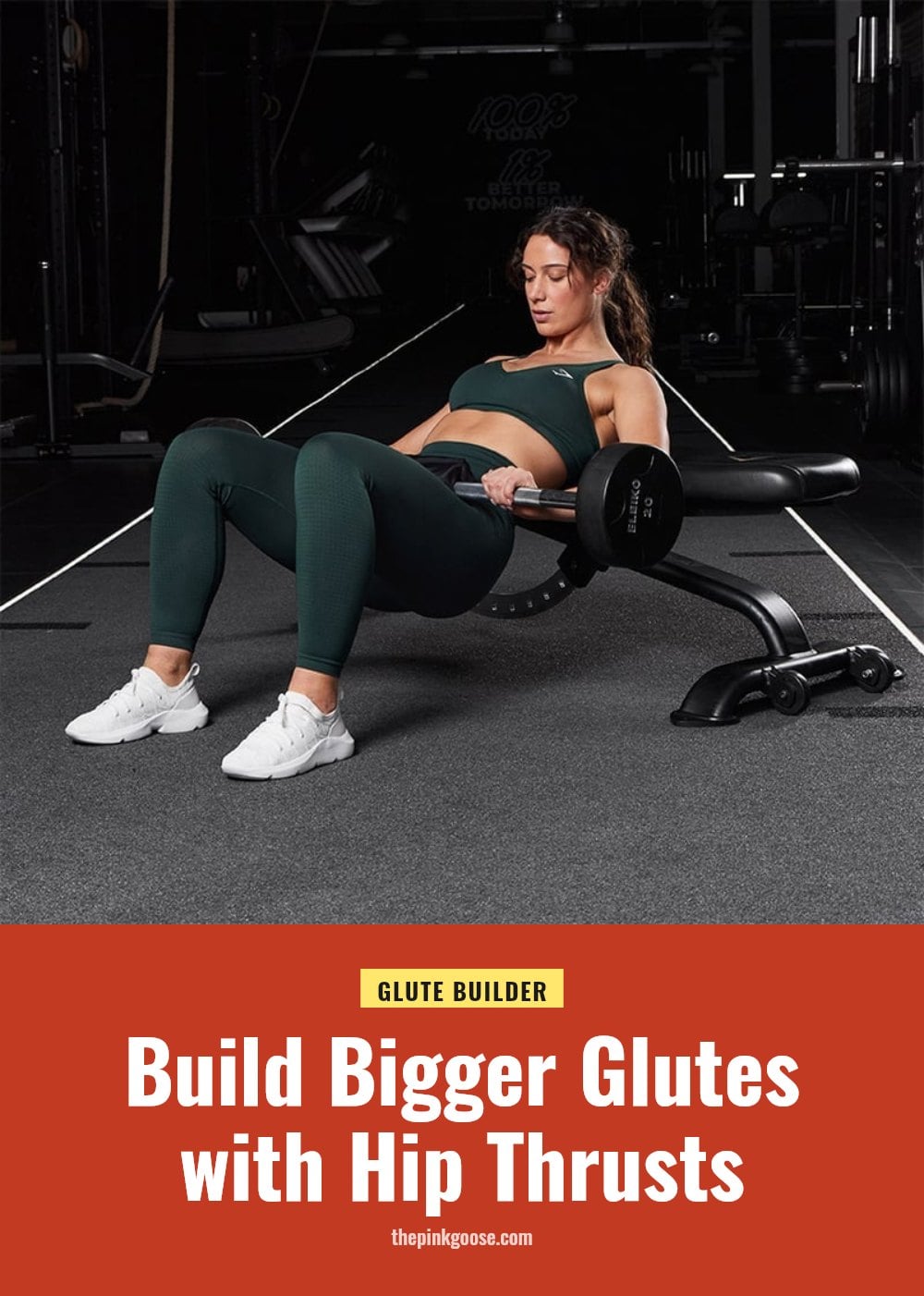
Hip thrusts directly target the gluteus maximus, making them a go-to for building strength and shape. Set your upper back against a bench, roll a barbell over your hips, and drive through your heels to lift. Squeeze your glutes hard at the top for a full second before lowering. My tip: Place a pad or folded towel under the barbell to protect your hip bones, especially as the weight increases.
2. Squats: Compound Powerhouse
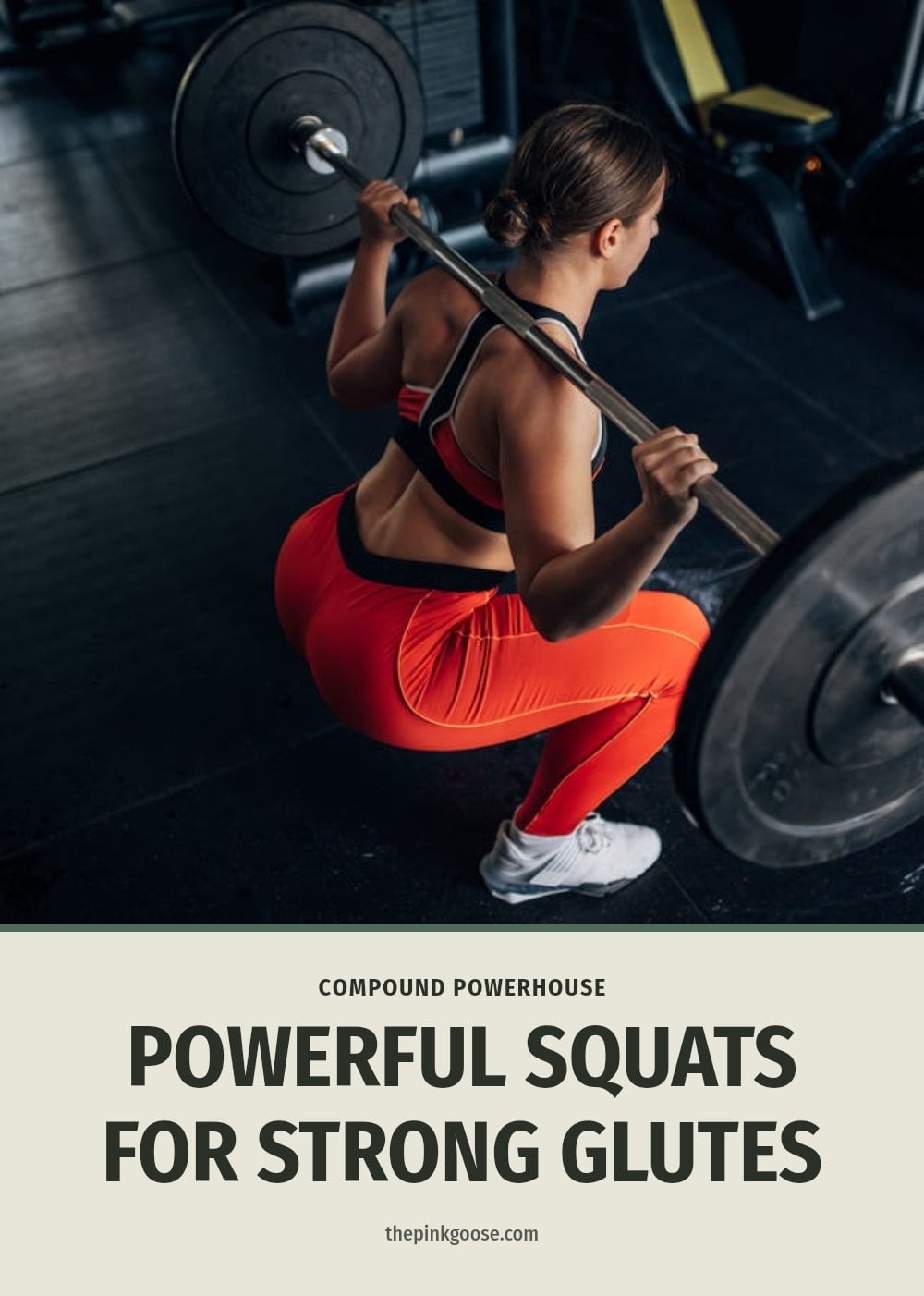
Squats work your glutes, quads, and hamstrings together, making them an efficient compound lift. Keep your chest up, knees tracking over your toes, and descend until your thighs are at least parallel to the floor, only go deeper if your lower back stays neutral. My tip: As you stand up, imagine pushing the floor away from you. This cue shifts more load into your glutes rather than your quads.
3. Glute Kickbacks: Isolation for Definition
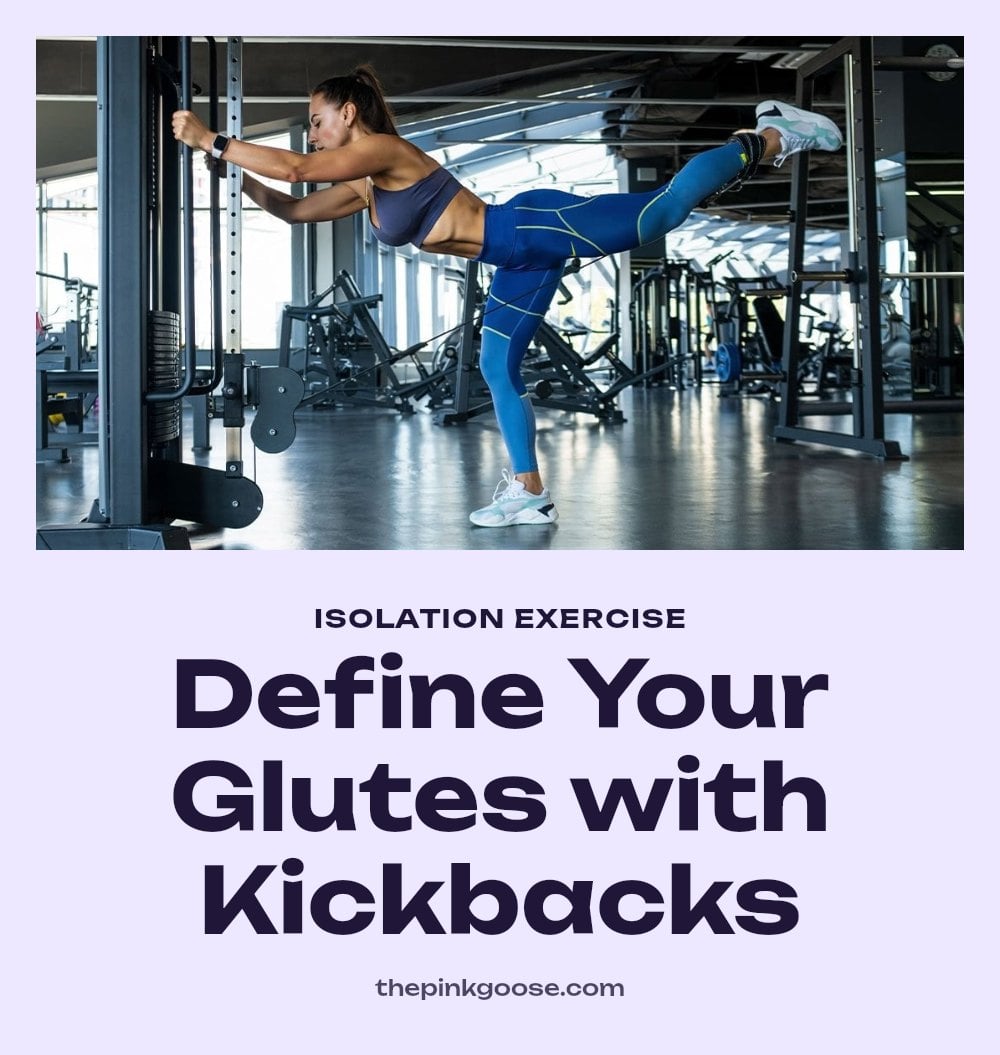
Glute kickbacks isolate the gluteus maximus with minimal help from other muscles, so you feel the burn fast. Use a cable machine with an ankle strap or a looped resistance band around your ankles for constant tension through the full range. Tip: Brace your core and keep your spine still throughout the movement. Arching your back takes work away from your glutes and can strain your lower back.
4. Clamshells: Targeting Medius and Minimus
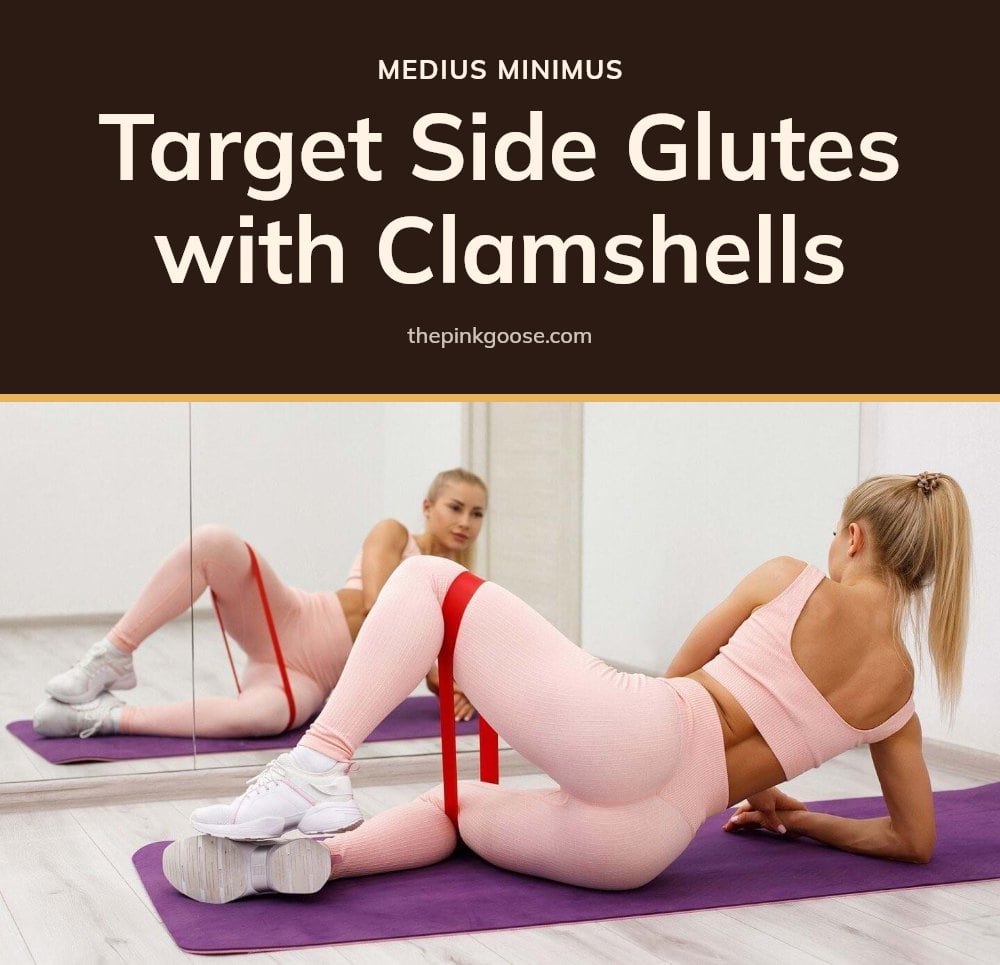
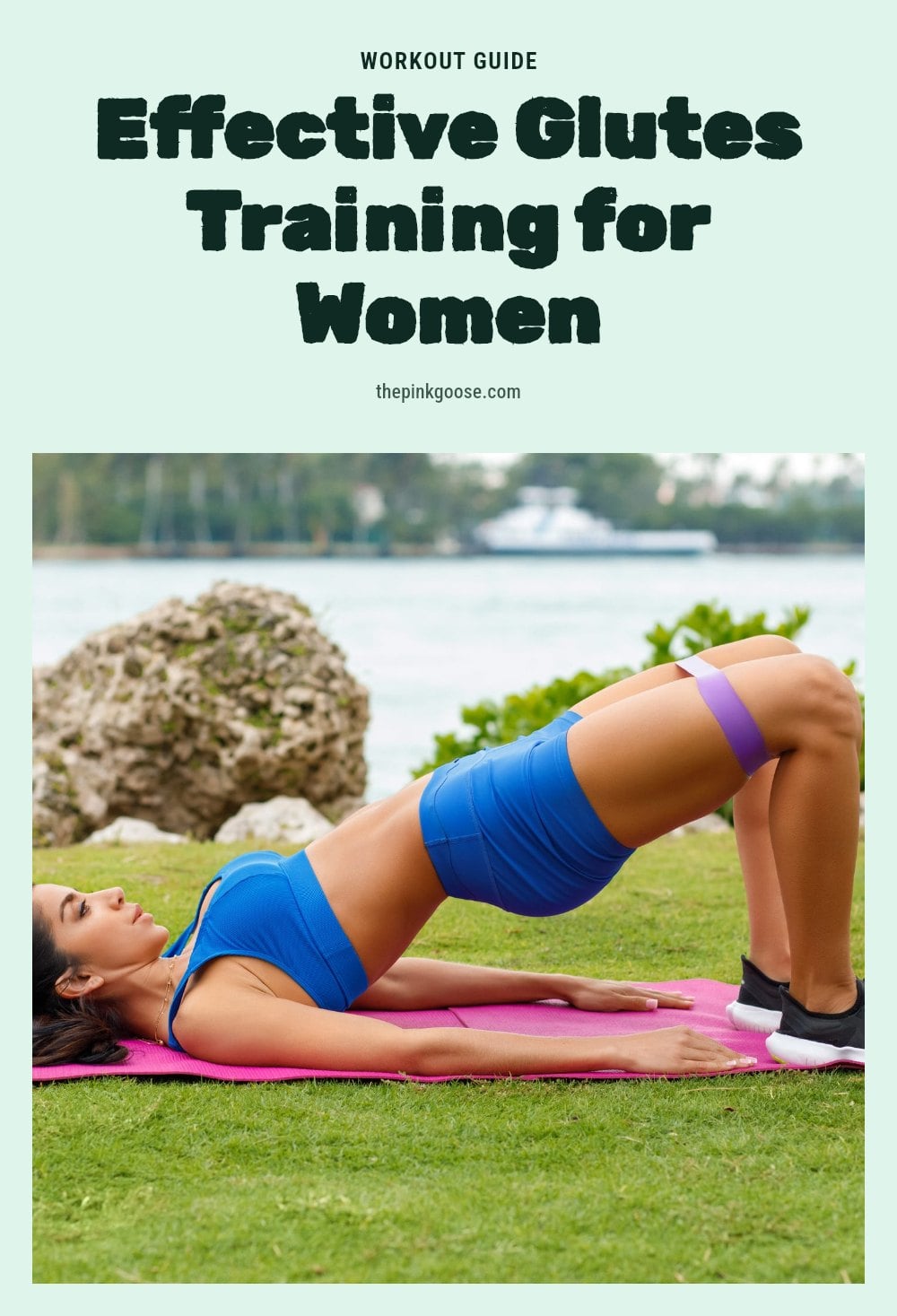
Clamshells wake up the gluteus medius and minimus, two muscles that keep your hips stable during walking and running. Lie on your side with knees bent at a 45-degree angle, feet together, and lift your top knee while keeping your pelvis still. Lower slowly and repeat. Good to know: Place a resistance band just above your knees. The added tension forces your glutes to work harder through the entire motion.
Common Glute Training Mistakes to Avoid
Neglecting Glute Medius and Minimus: Don’t just focus on the gluteus maximus. Incorporate exercises like clamshells and lateral band walks to build balanced glutes and improve stability.
Using Momentum Over Muscle: Avoid swinging through movements. Focus on a strong mind-muscle connection to ensure your glutes are doing the work, not just momentum.
Skipping Progressive Overload: To see continuous growth, you must gradually increase the challenge. This means adding weight, reps, sets, or decreasing rest time over weeks.
Poor Form: Incorrect form can lead to injury and ineffective muscle targeting. Always prioritize proper technique over lifting heavy. If in doubt, record yourself or ask a professional.
Insufficient Protein Intake: Your muscles need protein to repair and grow. Ensure your diet includes adequate protein to support your training efforts.
When to Consult a Professional
If you experience sharp or persistent pain during or after exercise, stop immediately and consult a doctor or physical therapist. If you have pre-existing injuries or health conditions, it’s always best to get clearance from a healthcare professional before starting a new exercise program. Consider working with a certified personal trainer if you’re unsure about proper form or need a personalized workout plan to achieve specific goals.
Frequently Asked Questions
How often should I train my glutes for best results?
Most people see the best results with 2 to 3 glute sessions per week. This gives your muscles enough stimulus to grow while allowing at least one full rest day between workouts for recovery. If you are just starting out, begin with two sessions and add a third once your body adapts.
Can I get strong glutes without heavy weights?
Yes, you can. Bodyweight exercises like glute bridges and clamshells are effective, especially for beginners. To keep progressing, you can increase reps, slow down the tempo, or use resistance bands. Heavy weights are not required, but you do need to challenge your muscles over time.
What is the best exercise to target the gluteus medius?
Clamshells and lateral band walks are two of the most effective moves for the gluteus medius. They isolate hip abduction, which is the main job of this muscle. Perform them slowly and with control, and you will feel the burn along the side of your hip.
How long does it take to see results from glute training?
With consistent training 2 to 3 times per week and proper nutrition, you may notice improved strength within 4 to 6 weeks. Visible changes in muscle tone and shape typically appear around 8 to 12 weeks. Remember that individual results vary based on genetics, diet, and effort.
Why are my glutes not growing despite consistent workouts?
If your glutes are not growing, you may be missing one of three things: progressive overload, variety, or enough protein. Make sure you are gradually increasing resistance or reps, and include exercises that target all three glute muscles. Also, check that you are eating enough protein to support muscle repair.
Final Thoughts
My tip: pick one compound lift and one isolation move for each glute muscle, and build your workout around those. Stick to the 4-week schedule, increase resistance every couple of weeks, and eat enough protein to support recovery. Realistic results take time, so aim for consistency over perfection. In 8 to 12 weeks, you should feel stronger and see more definition, and that is worth the effort.
This article is for general informational purposes only and does not constitute medical or professional advice. Always consult a doctor or physical therapist before starting a new exercise program, especially if you have pre-existing conditions or injuries. If you experience sharp or persistent pain, stop and seek professional guidance.
