

You’ve noticed those first silver strands, and you’re wondering if it’s time to stop coloring and let your natural hair shine through. The decision to go gray is personal, and the transition can be managed in several ways, from a bold chop to a gradual blend with highlights. This guide covers the methods, products, and care routines that help you embrace your silver hair with confidence.
Key Takeaways
- Genetics determine when you go gray, not age or health.
- Transition methods include cold turkey, highlights, lowlights, or a big chop.
- Purple shampoo used weekly neutralizes yellow tones from sun and pollution.
- Gray hair is drier and coarser, so use sulfate-free, moisturizing products.
- Regular trims prevent split ends and keep your silver hair looking intentional.
Embracing Your Gray: A Guide to Silver Hair Transition
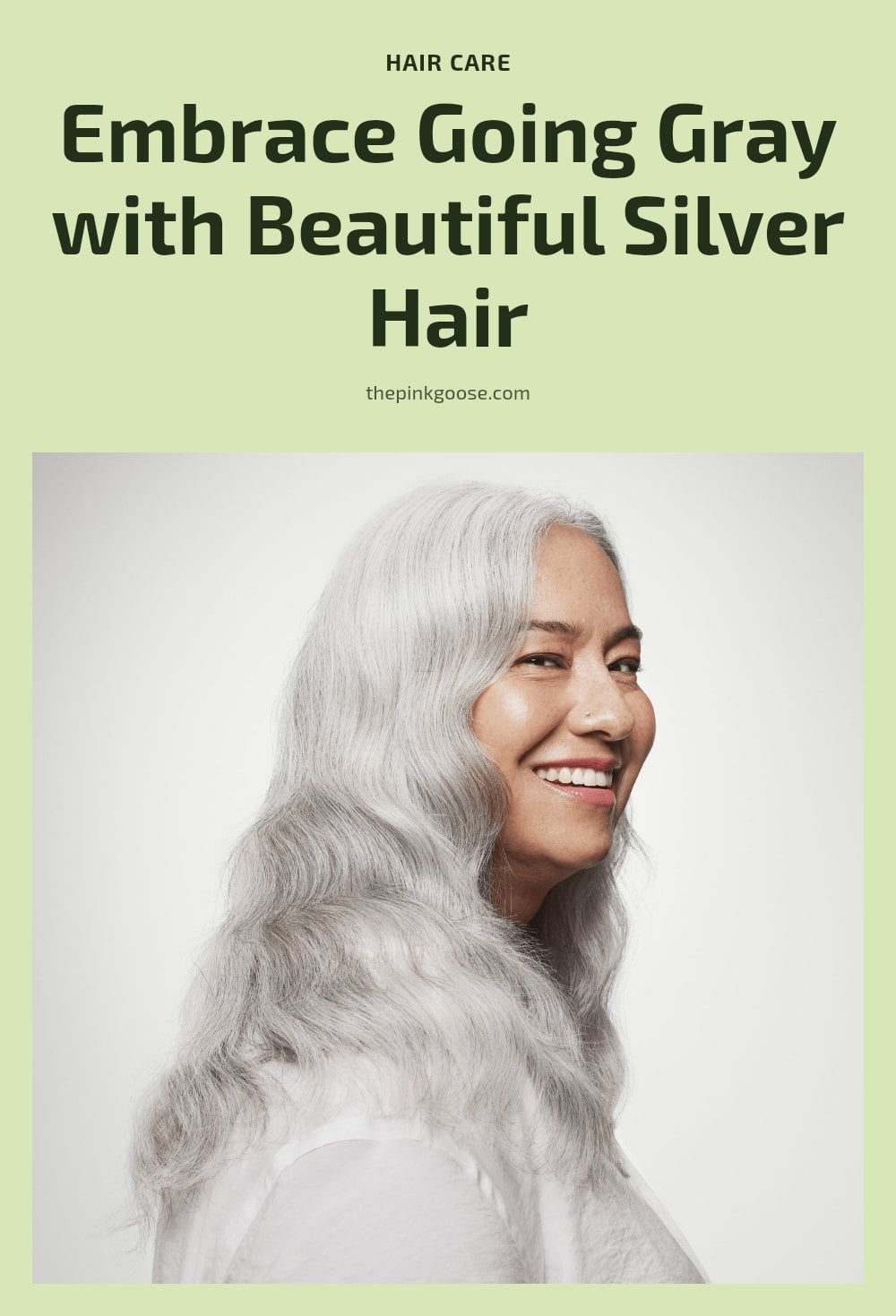
Going gray is a natural process that many women choose to embrace in their 40s and beyond. The transition can be managed through various methods, from a ‘big chop’ to gradual blending with highlights. Gray hair requires specific care, including proper cuts, toning, and moisturizing, to maintain its health and vibrancy. With the right routine, your silver strands can look intentional and beautiful.
Choosing Your Transition Method to Gray Hair
Choosing Your Transition Method to Gray Hair
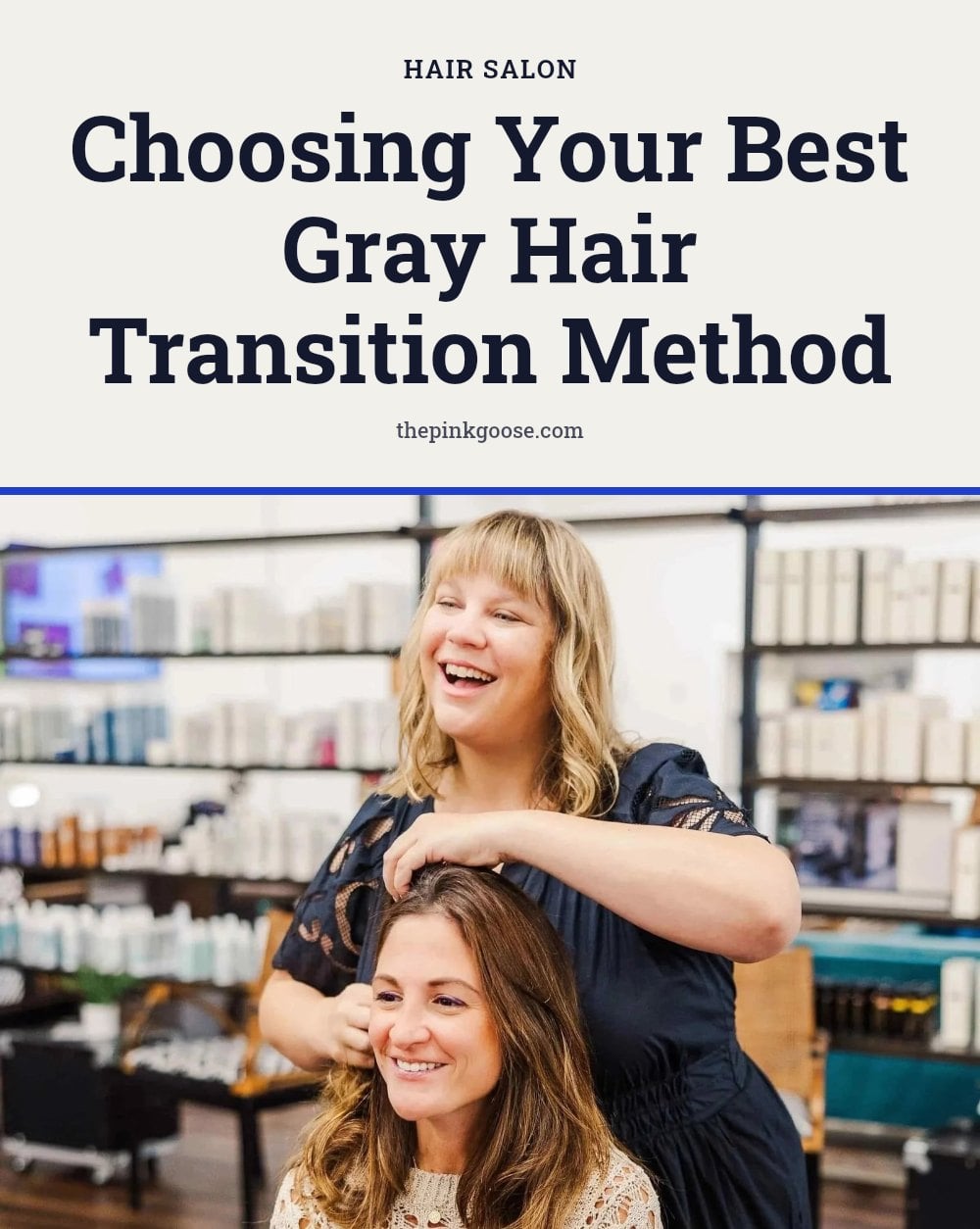
There are several effective ways to transition to gray hair, each with its own timeline and commitment. Here are the main approaches.
- Cold turkey: Let your roots grow out completely without any color. This method requires patience, as the two-tone look can last months or years depending on your hair length. My tip: start with a shorter cut to speed up the process and make the contrast less stark.
- Highlights and lowlights: A stylist can blend the demarcation line between dyed and natural hair by adding lighter and darker strands. This creates a softer, more gradual transition that looks intentional from the start.
- Big chop: Cut off all dyed hair at once. This is the fastest way to embrace gray, especially for shorter styles like a pixie or bob. It removes the old color immediately and lets you start fresh with your natural silver.
Each method has different maintenance needs. A big chop requires minimal upkeep, while highlights need regular salon visits to keep the blend seamless. Consider your lifestyle and how much time you want to spend on touch-ups.
Essential Products for Your Gray Hair Journey

Gray hair often has a different texture and porosity, requiring specialized products. Here is what you need for a smooth transition.
- Sulfate-free shampoo and conditioner: These are vital for preventing dryness. Sulfates strip natural oils, and gray hair already produces less oil.
- Purple toning products: Purple shampoo and conditioner neutralize yellow tones that can make gray hair look dull. Use them once a week or as needed.
- Deep conditioning mask: Provides essential moisture to combat the dryness common in gray strands. My tip: apply a mask once a week and leave it on for 5-10 minutes for best results.
Caring for Your Beautiful Silver Strands
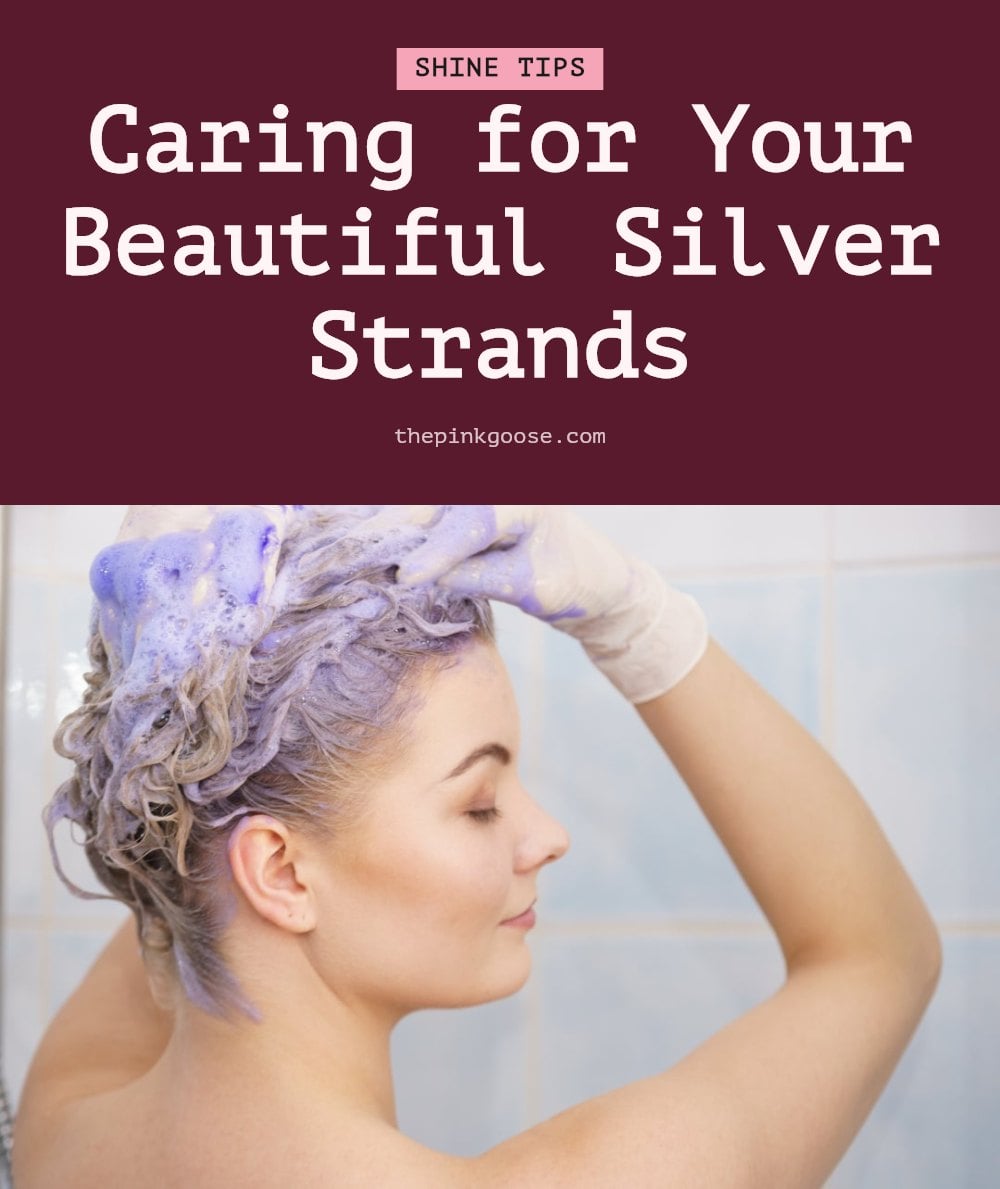
Gray hair requires a dedicated routine to maintain its health and vibrancy. Follow these steps for beautiful silver strands.
- Use purple shampoo weekly: Apply it to wet hair, leave it on for 2-3 minutes, then rinse. This neutralizes yellowing from sun exposure and pollution. Caution: do not leave it on longer or use it daily, as it can leave a purple tint.
- Deep condition regularly: Gray hair tends to be drier due to reduced oil production from the scalp. Apply a deep conditioning mask once a week, focusing on the ends, to restore moisture and softness.
- Protect from the sun: Environmental factors like UV rays can cause yellowing and dryness. Wear a hat or use a UV-protective hair spray when spending time outdoors.
- Get regular trims: Gray hair is prone to split ends and brittleness. Schedule a trim every 6-8 weeks to keep your shape neat and remove dry, damaged ends. My tip: ask your stylist for a cut that complements your natural texture, as gray hair often develops a unique wave or curl.
- Limit heat styling: Heat can contribute to dryness and yellowing. When you do use hot tools, always apply a heat protectant spray first.
Understanding Why Hair Goes Gray and Changes Texture
Understanding Why Hair Goes Gray and Changes Texture
That first gray strand isn’t actually gray. It’s hair that has lost its pigment (melanin) and appears white, mixing with your remaining pigmented strands to create the illusion of gray. Genetics largely determine when this process starts, so your timeline is unique to you.
Gray hair often feels coarser, drier, or more wiry. This happens because the hair follicle changes over time, and your scalp produces less oil. Less natural moisture means the hair shaft becomes more brittle and prone to roughness. Understanding these changes helps you adjust your care routine accordingly.
Common Mistakes When Going Gray and How to Avoid Them
Common Mistakes When Going Gray and How to Avoid Them
- Expecting it to be maintenance-free: Gray hair needs specific care to look its best. Invest in products designed for silver strands.
- Ignoring texture changes: Your old products may not work for coarser, drier hair. Switch to sulfate-free, moisturizing formulas.
- Not addressing yellowing: Sun and pollution can dull gray hair. Use a purple shampoo once a week to keep it bright.
- Growing it out without a plan: A two-toned look can feel awkward. Consult a stylist about highlights or a strategic cut.
- Underestimating a good haircut: A sharp shape makes gray hair look intentional and polished, not neglected.
When to Consult a Professional About Your Gray Hair
When to Consult a Professional About Your Gray Hair
A professional stylist can help you plan the best transition strategy for your hair type and desired look, whether that’s a gradual blend or a big chop. If you experience sudden, rapid graying accompanied by other symptoms, consult a doctor. This could indicate an underlying health issue that needs attention.
Frequently Asked Questions
Does gray hair mean I’m old?
No. Gray hair is primarily determined by genetics, not age. Some people see their first grays in their 20s or 30s, while others don’t until much later. It’s a natural change in pigment, not a sign of aging or health.
Can I go gray if I have very long hair?
Yes, but the transition will take longer. Growing out dyed ends on long hair can take several years. You can speed up the process by gradually cutting off colored sections, or use highlights or lowlights to blend the line of demarcation while you grow it out.
What causes gray hair to turn yellow?
Gray hair can yellow from environmental factors like sun exposure, pollution, and some hair products. Hard water minerals and heat styling can also contribute. Using a purple toning shampoo once a week helps neutralize those yellow tones.
How often should I use purple shampoo?
Use purple shampoo once a week, or as needed if you notice yellowing. Leave it on wet hair for 2-3 minutes, then rinse. Overuse can leave a purple tint, so start with once a week and adjust based on your hair’s response.
Will my gray hair be the same texture as my old hair?
Not usually. Gray hair often feels coarser, drier, or more wiry than your pigmented hair. It can also be more porous, which means it absorbs and loses moisture differently. Adjust your hair care routine to address these changes.
Is it normal for gray hair to feel dry?
Yes. Gray hair tends to be drier because the scalp produces less oil as you age. The loss of melanin also affects the hair’s structure, making it more prone to dryness. Use a sulfate-free shampoo and a deep conditioning mask regularly to add moisture.
Final Thoughts
My tip: start by consulting a stylist to pick a transition method that fits your lifestyle and hair length. Expect the process to take a few months to a couple of years, depending on your hair growth and chosen approach. Embrace the unique texture and color of your natural silver, and enjoy a low-maintenance routine that highlights your authentic beauty.
This article provides general information about transitioning to gray hair and is not a substitute for professional medical or hair care advice. If you experience sudden, rapid graying with other symptoms, or have concerns about your scalp or hair health, consult a doctor or a licensed stylist.
