

If your hair feels dry, frizzy, or just lacks that healthy glow, hair oiling might be the simple, natural ritual you’ve been missing. Rooted in ancient Ayurvedic traditions, this practice involves massaging nourishing oils into your scalp and strands to boost strength, shine, and manageability. It’s all about choosing the right oil and applying it correctly, typically before washing. In this guide, I’ll walk you through the step-by-step method, the best oils for your hair type, and the common mistakes to avoid so you can get the most out of your oiling routine.
Key Takeaways
- Oil your hair 1-2 times per week, leaving it on for 1 to 8 hours.
- Always detangle with a wide-tooth comb before applying oil.
- Warm the oil in hot water for one minute before use.
- Massage your scalp gently for at least five minutes.
- Shampoo thoroughly, possibly twice, to remove all oil residue.
What is Hair Oiling and Why Should You Try It?
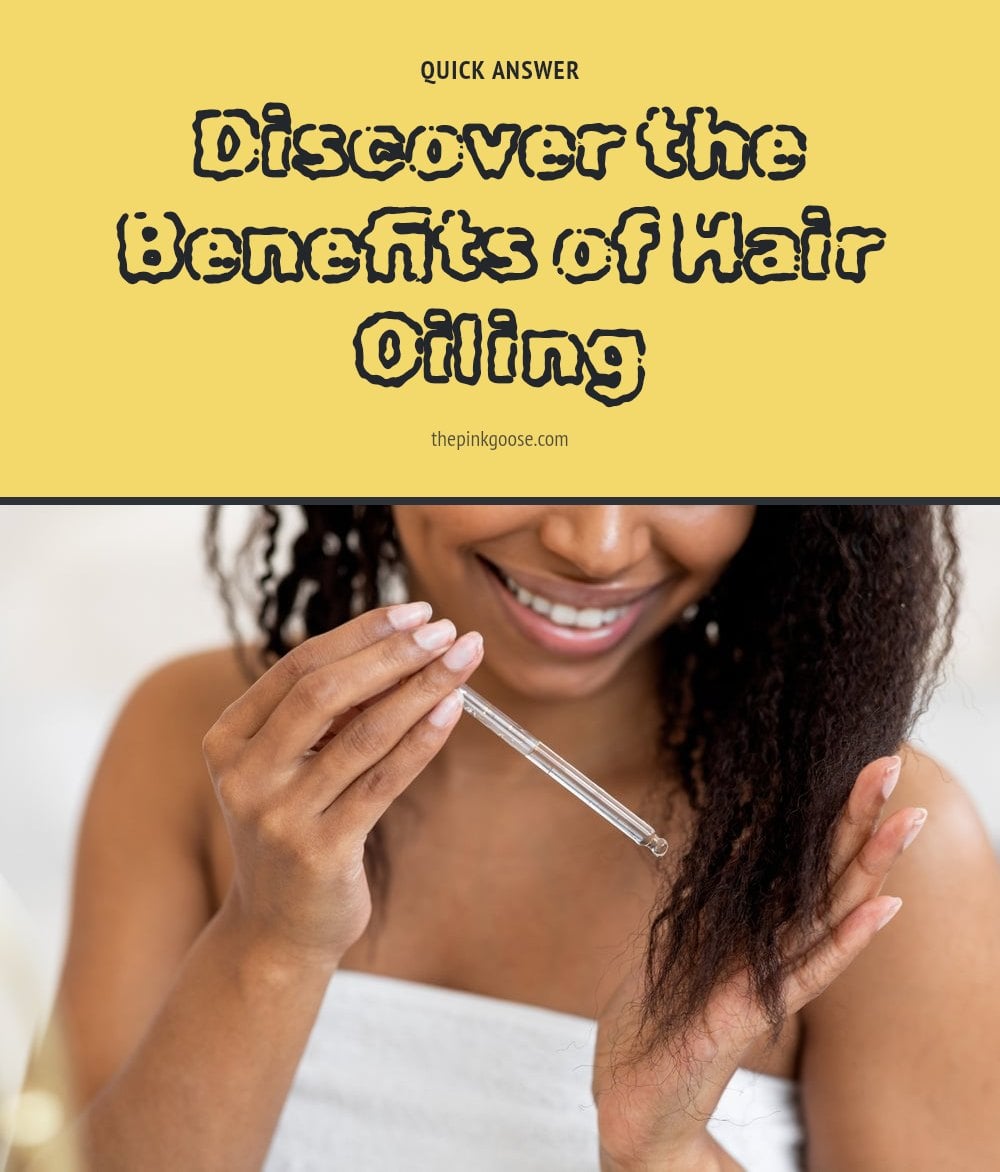
Hair oiling is an ancient practice, rooted in Ayurvedic traditions, where oil is massaged into the scalp and smoothed through the strands. This simple ritual nourishes, conditions, and protects your hair, improving its strength, shine, and manageability. The massage also stimulates blood circulation to the scalp, which may support overall hair health. The key to success lies in selecting the right oil for your hair type and specific concerns, so you get the benefits without the greasiness.
Your Hair Oiling Essentials
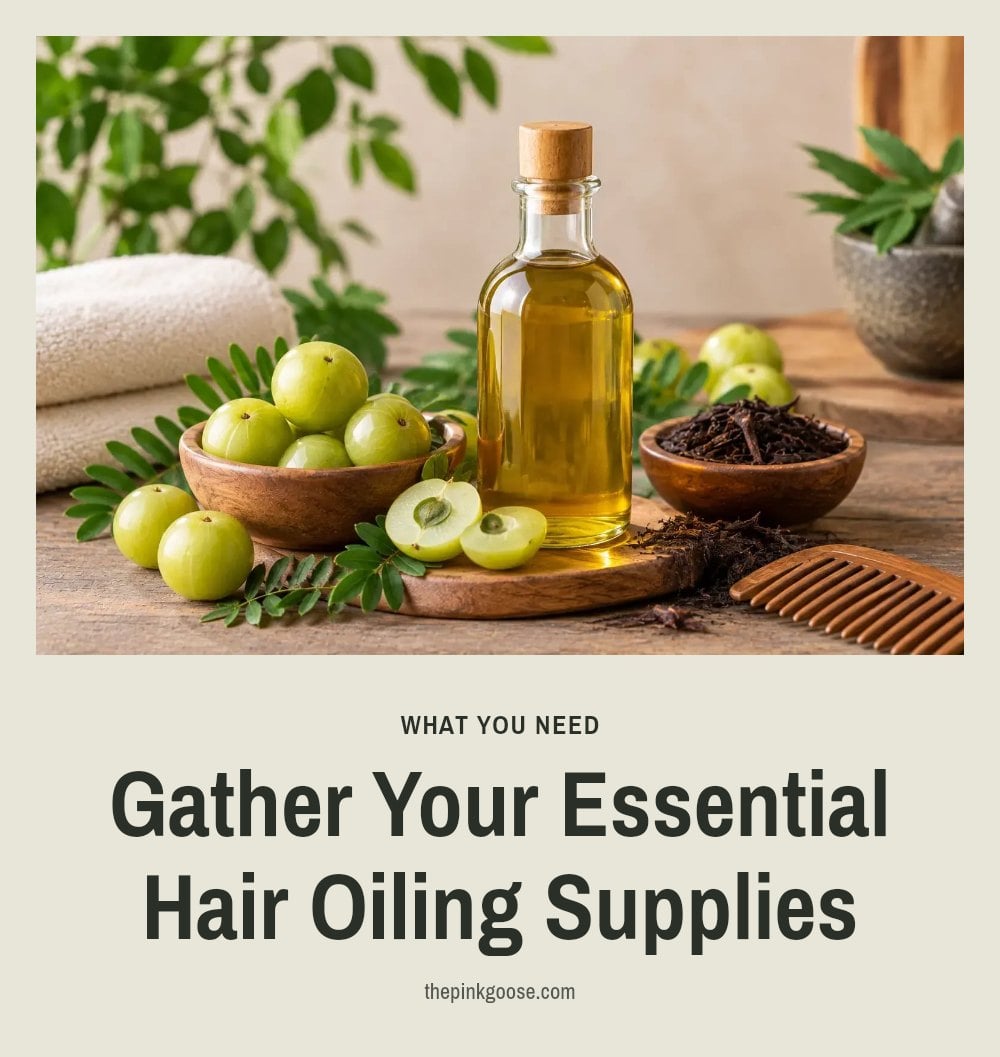
Before you start, gather the right supplies. Your choice of oil matters most. Look for cold-pressed, organic carrier oils, as they retain more nutrients. Essential oils, always diluted, can add targeted benefits like scalp stimulation. You will also need a few simple tools to make the process easier.
- Carrier oil: Choose one suited to your hair type, such as coconut, argan, or jojoba.
- Essential oil (optional): Rosemary or lavender, diluted with a carrier oil.
- Q-tip: For precise application to your scalp.
- Shower cap: To keep the oil contained and enhance absorption.
- Mild shampoo: To remove the oil without stripping your hair’s natural moisture.
Choosing the Right Oil for Your Hair Type
Different oils suit different hair types and porosity levels. Lightweight oils are best for fine or oily hair, while heavier oils work well for thick, dry, or damaged strands. Coconut oil is a popular choice for most, but skip it if you have low porosity hair, as it can sit on the surface. Rosemary oil, always diluted, targets scalp stimulation and growth.
| Oil | Best For | Notes |
|---|---|---|
| Coconut | Most hair types | Avoid if you have low porosity hair. |
| Argan | Dry, damaged, frizzy hair | Moisturizes and reduces frizz. |
| Jojoba | Oily scalps, fine hair | Mimics natural sebum, balances oil. |
| Almond | Most hair types | Adds shine and softness. |
| Olive | Very dry, thick, damaged hair | Heavy and deeply nourishing. |
| Rosemary | Scalp stimulation, growth | Always dilute with a carrier oil. |
| Castor | Thickness and growth | Very thick; mix with a lighter oil. |
| Grapeseed | Fine or oily hair | Lightweight, conditions without grease. |
Step-by-Step: How to Properly Oil Your Hair
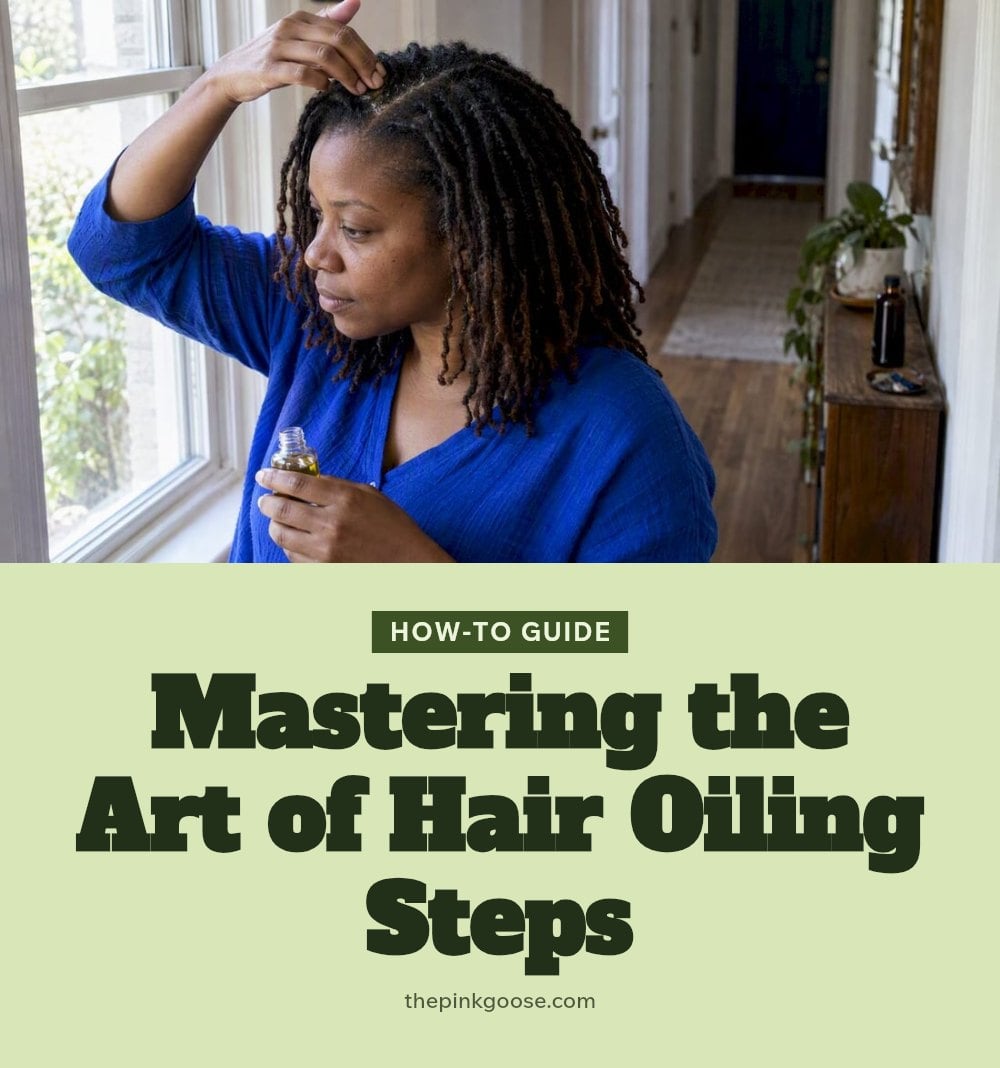
Follow these steps to oil your hair effectively, starting with a clean, dry, detangled mane.
- Detangle your hair: Use a wide-tooth comb from ends to roots to remove knots and prevent breakage during oiling.
- Warm the oil: Place the oil container in hot water for one minute. Warm oil penetrates deeper and stimulates circulation.
- Apply to scalp: Dip a Q-tip in the warm oil and part your hair to expose the scalp. Apply the oil directly to your scalp in sections for even coverage.
- Work through lengths: Section your hair and apply a light layer of oil from roots to ends using your hands. Less is more to avoid oversaturation.
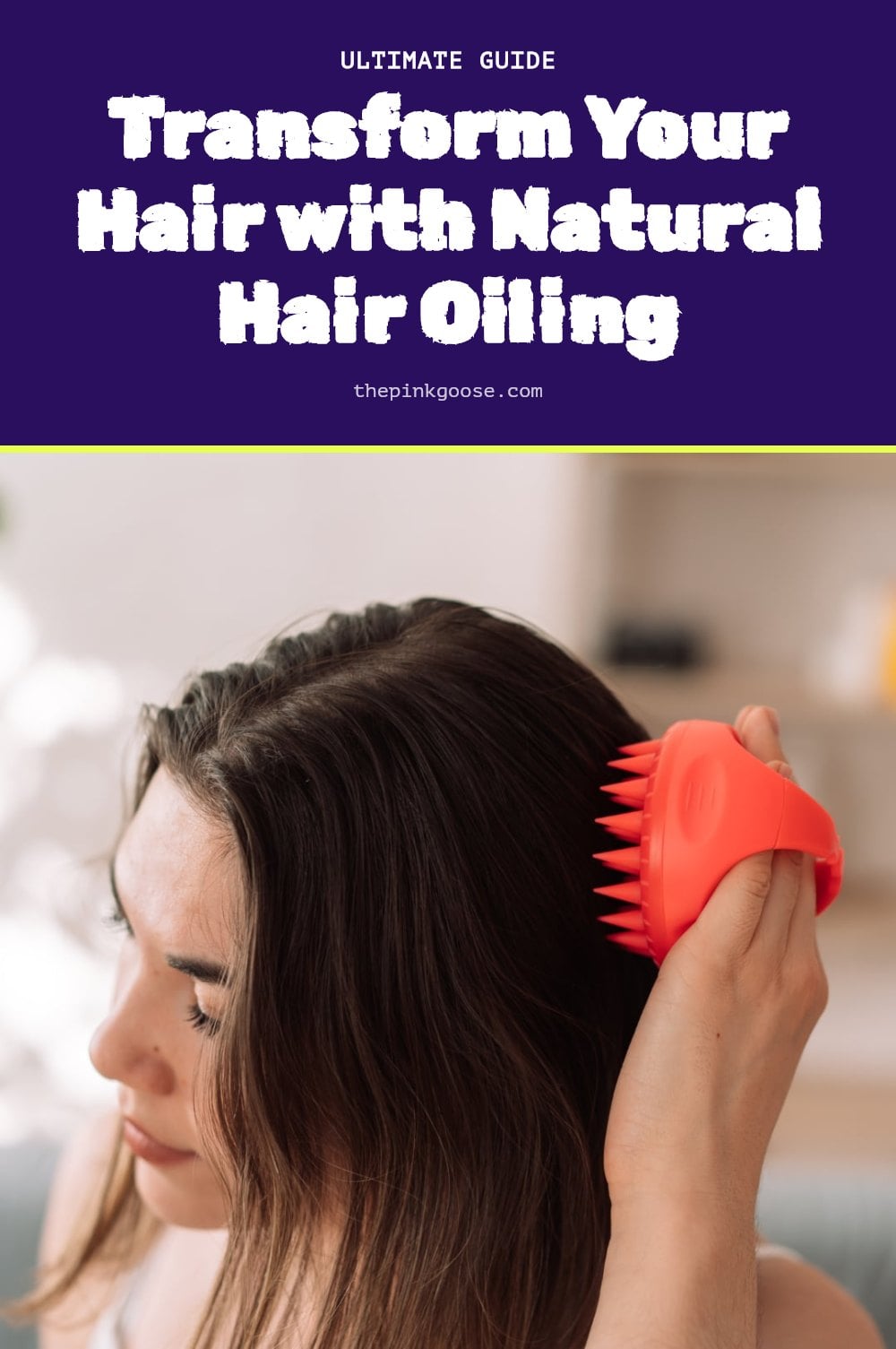
- Massage: Use your fingertips or a scalp massager in circular motions for at least five minutes. This boosts blood flow and promotes growth. Be gentle to avoid damaging follicles.
- Cover and add heat: Put on a shower cap to protect your hair and enhance absorption. For low porosity hair, use a heat cap or wrap a warm (not hot) towel around your head.
- Wait: Leave the oil on for a minimum of one hour and a maximum of eight. For overnight treatments, rinse first thing in the morning.
- Rinse and shampoo: Soak your hair in warm water for one minute, then apply a quarter-sized amount of mild shampoo. Emulsify it and gently cleanse for three minutes to break down the oil without stripping natural oils. Rinse thoroughly.
If you learn better by watching, this 10-minute video from Doro Cubillo shows every step. The how-to part starts at 0:21.
Common Hair Oiling Mistakes to Avoid
Even with the best intentions, a few missteps can undo your results. Combing your hair right after applying oil is a common one: oiled hair is more fragile and prone to breakage, so always detangle before you start. Using the wrong oil for your hair type is another mistake. Heavy oils like olive or coconut can weigh down fine hair, while lightweight oils like grapeseed may not provide enough moisture for thick, dry strands.
Skipping the step of warming your oil limits its ability to penetrate the hair shaft, reducing the treatment’s effectiveness. Applying too much oil is a frequent error, as it forces you to use extra shampoo to wash it out, which strips your hair’s natural moisture. A rough scalp massage or skipping it entirely diminishes circulation benefits, and tying your hair too tightly after oiling can cause breakage and split ends. For low porosity hair, not using heat (like a warm towel or heat cap) prevents the oil from absorbing properly. Finally, leaving the oil on for less than an hour reduces its impact, while leaving it on longer than a day can lead to product buildup, dandruff, and clogged follicles.
Top Tips for Best Hair Oiling Results
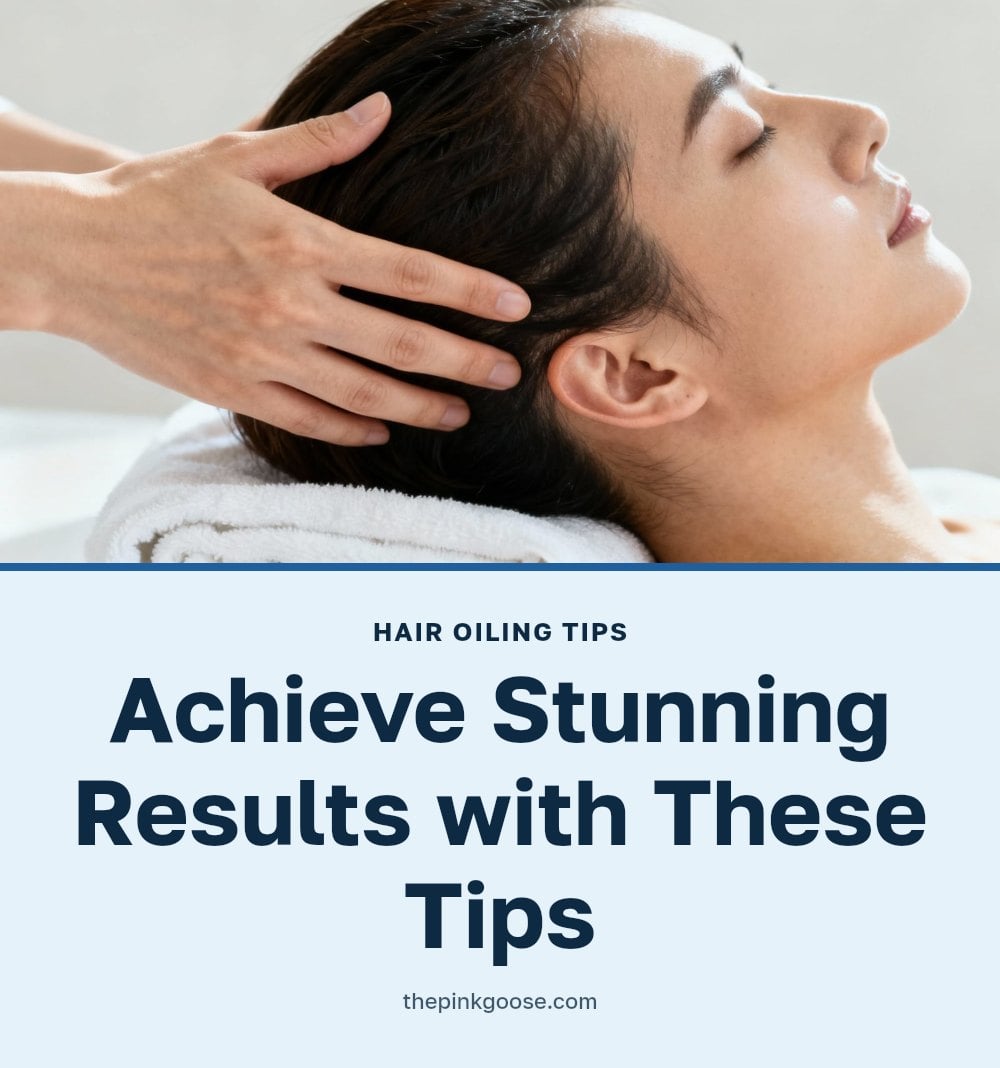
My tip: stick with it. Aim to oil your hair 1-2 times per week, and you’ll likely notice improvements in texture and shine within a few weeks. Before trying a new oil, perform a patch test on a small area of skin to rule out an allergic reaction. Always dilute essential oils like rosemary or lavender with a carrier oil before applying them to your scalp.
Start with a small amount of oil and add more only if needed. Less truly is more here. When it’s time to wash, use a mild shampoo to remove the oil without stripping your natural oils. For overnight treatments, rinse thoroughly first thing in the morning to avoid buildup.
After Your Oiling Treatment: What’s Next?
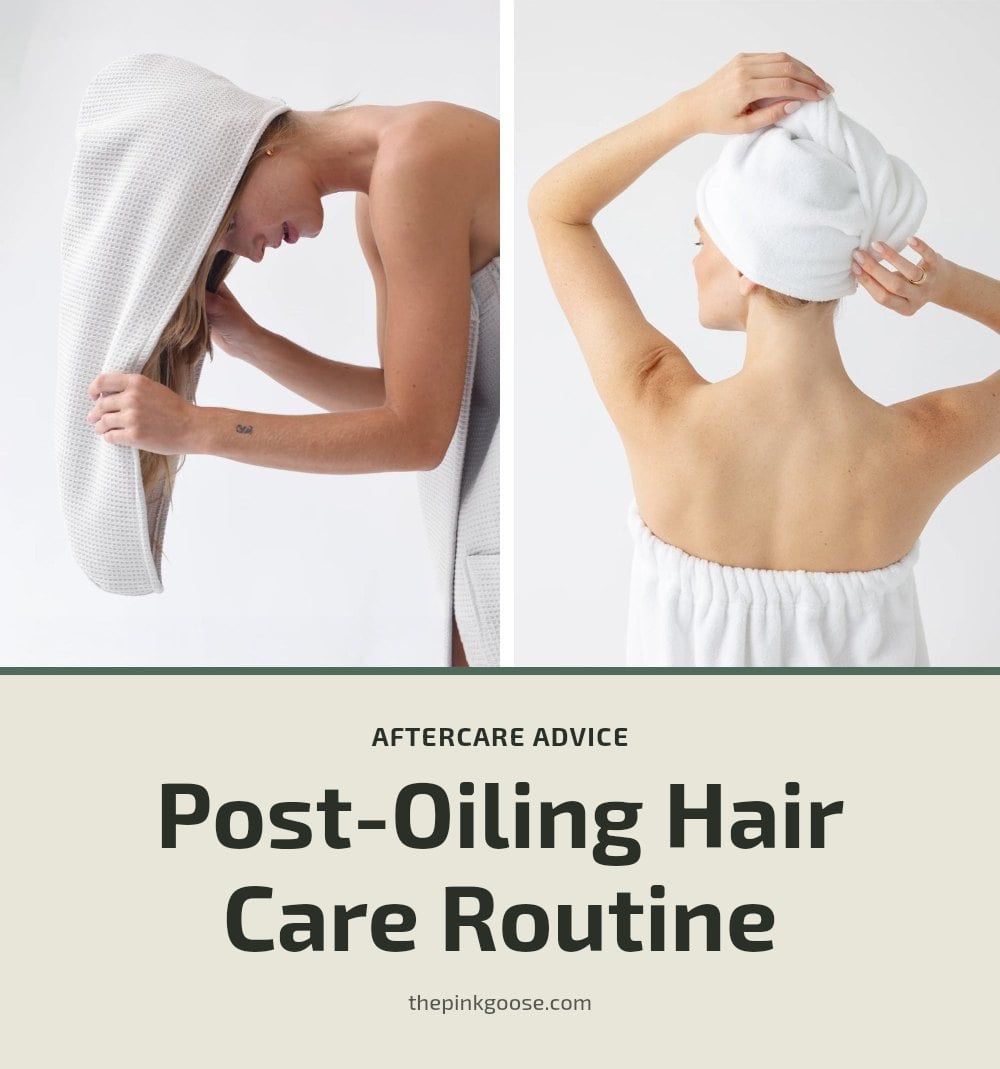
After rinsing out the oil, shampoo your hair thoroughly. You may need to shampoo twice to remove all residue. Follow with your usual conditioner, concentrating on the ends to restore moisture.
Gently squeeze out excess water with a towel instead of rubbing, which can cause damage. Avoid heat styling immediately after your treatment; let your hair air-dry or use low heat so the oil can fully benefit your strands. Pay attention to how your hair feels and adjust your oiling routine accordingly. If it feels dry, leave the oil on longer or try a heavier oil. If it feels greasy, use less oil or switch to a lighter option.
When to Consult a Professional
While hair oiling is safe for most, it’s not for everyone. If you experience persistent scalp irritation, redness, or itching after oiling, stop using the product and consult a dermatologist. If you have an existing scalp condition like psoriasis or eczema, oiling may worsen it, so professional guidance is key.
See a doctor if you notice unusual hair loss or changes in hair texture that don’t improve with a consistent routine. If you’re unsure which oil to use for a specific scalp or hair issue, a trichologist or dermatologist can help. Finally, if you suspect an allergic reaction to any oil, discontinue use immediately and seek medical advice.
Frequently Asked Questions
How often should I oil my hair?
Aim to oil your hair 1-2 times per week for best results. Over-oiling can lead to buildup and greasiness, so listen to your hair: if it feels heavy or oily, reduce frequency. Consistency is more important than frequency, so find a schedule that fits your lifestyle.
Can hair oiling cause hair loss?
Hair oiling itself does not cause hair loss, but certain practices might. Aggressive rubbing or pulling during application, or leaving oil on for too long (over a day), can lead to breakage or clogged follicles. Always be gentle and wash the oil out within the recommended time frame.
What is the best oil for hair growth?
Rosemary oil, when diluted with a carrier oil, is often used to support scalp stimulation and hair growth. However, no single oil guarantees growth. For most hair types, coconut oil is a solid choice for overall health. Choose an oil that suits your hair’s needs and be consistent.
Can I leave hair oil on for days?
No, leaving oil on for more than a day is not recommended. The video method specifies a maximum of 8 hours. Leaving it longer can cause product buildup, dandruff, and clogged hair follicles. Always rinse it off in the morning if you do an overnight treatment.
How do I know my hair porosity?
Hair porosity refers to how well your hair absorbs and retains moisture. A simple test: place a clean strand of hair in a glass of water. If it floats, you have low porosity; if it sinks slowly, medium; if it sinks quickly, high porosity. Low porosity hair benefits from lighter oils and warm coverings to aid absorption.
Will hair oiling make my hair greasy?
It can if you use too much oil or choose a heavy oil for fine hair. Start with a small amount and apply it lightly, especially on the ends. Always shampoo thoroughly after the treatment. For fine or oily hair, opt for lightweight oils like jojoba or grapeseed.
Final Thoughts
For best results, commit to oiling your hair once or twice a week, and be patient: visible improvements in texture and shine typically appear within a few weeks. My tip is to start with a small amount of oil and increase only if needed, and always follow up with a thorough shampoo. With the right oil and a consistent routine, you’ll be on your way to healthier, more radiant hair.
This article is for general informational purposes only and does not constitute medical or professional advice. Always perform a patch test before trying a new oil, and consult a dermatologist if you have a scalp condition or experience persistent irritation, redness, or itching.
