

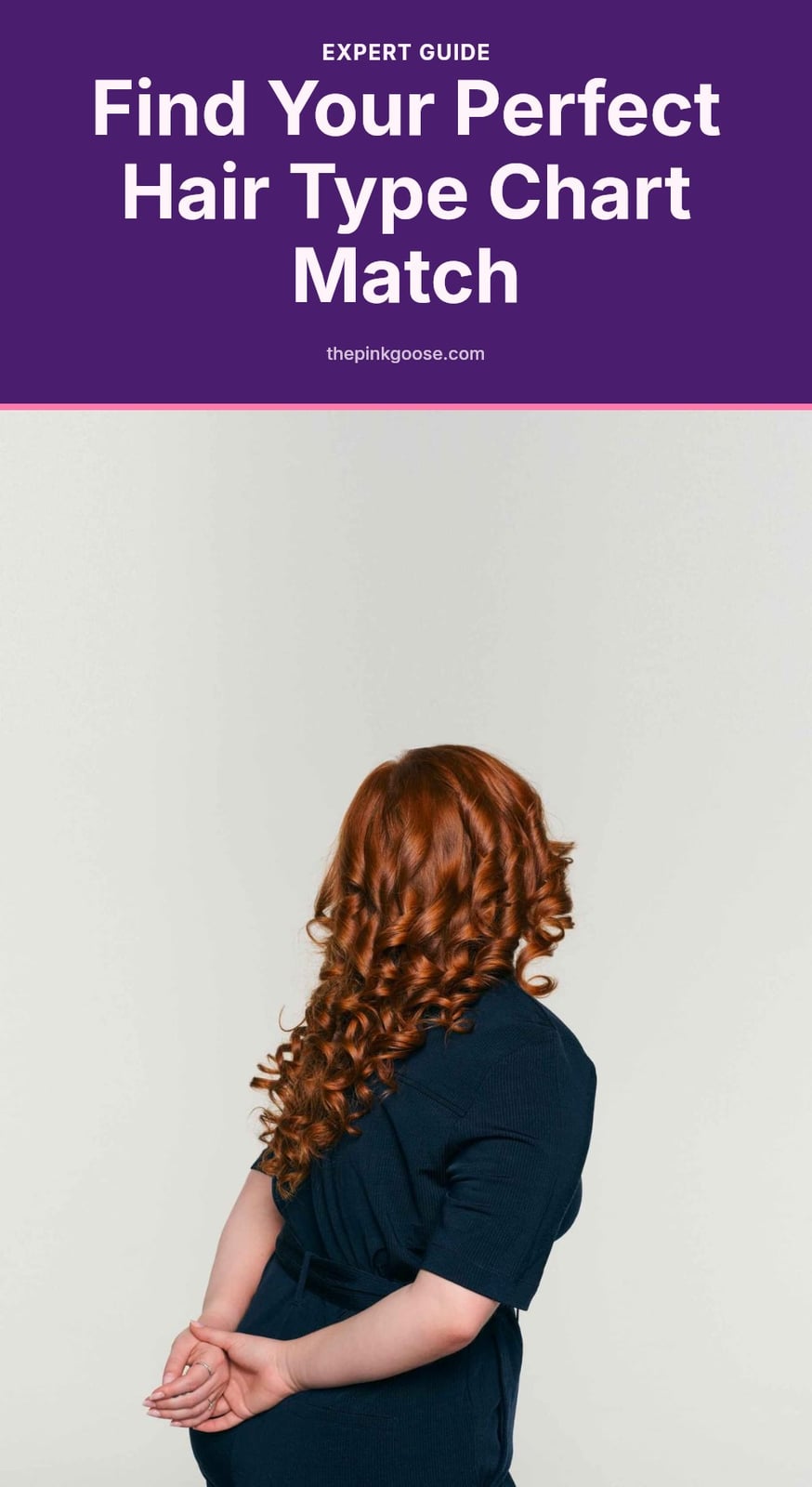
If you’ve ever looked at a hair type chart and felt like your hair doesn’t quite fit into one box, you’re not alone. The truth is, most of us have a mix of curl patterns, textures, and needs across our head, and that’s completely normal. This article explains why your hair can be mixed, what the Andre Walker system actually covers, and how to look beyond curl type to find a routine that truly works for you.
Key Takeaways
- Hair type can vary across your head, with different curl patterns on different sections.
- Porosity, density, and strand width matter just as much as curl pattern for choosing products.
- Don’t assume products labeled for one curl type will work for your mixed hair.
- Hair type can shift over time due to hormones, aging, or chemical treatments.
- Use a clarifying shampoo every few weeks to remove buildup and reset your hair.
What Is the Hair Type Chart?
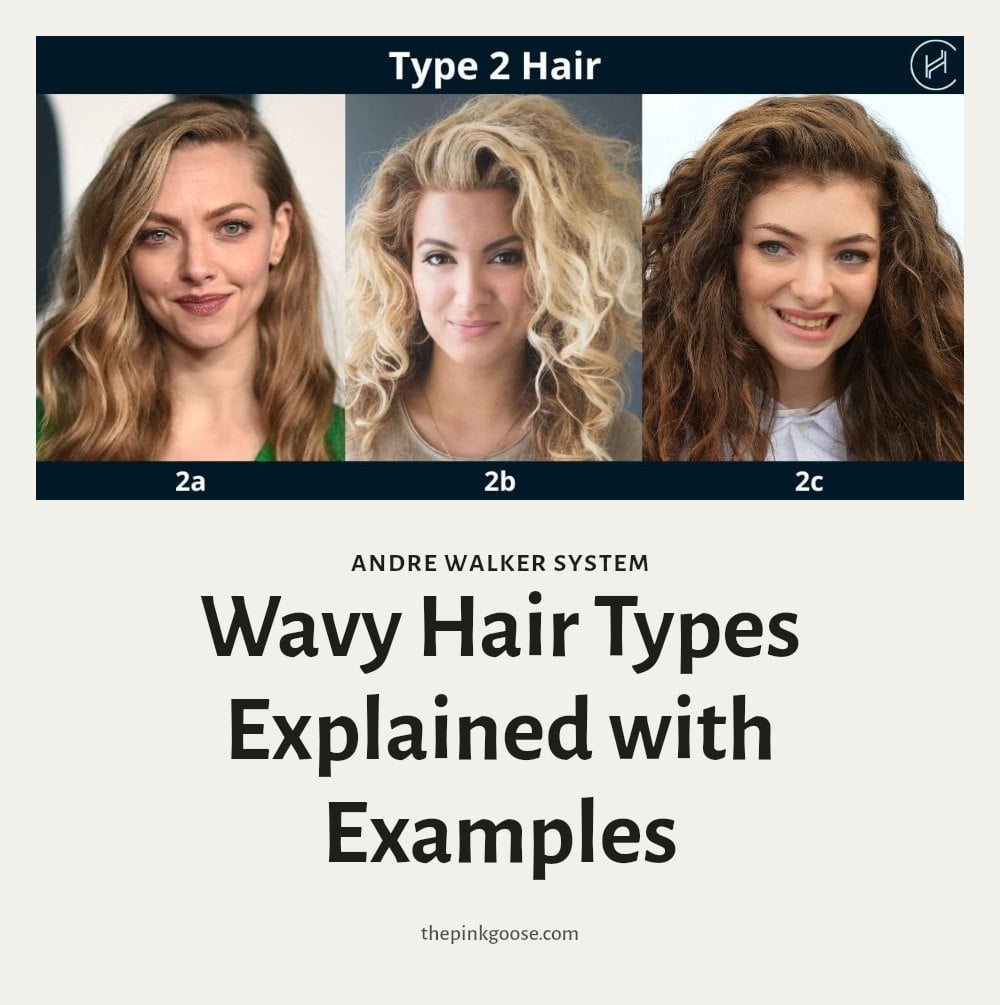
The hair type chart, based on the Andre Walker Hair Typing System, sorts hair into four main categories: type 1 (straight), type 2 (wavy), type 3 (curly), and type 4 (coily). Each type from 2 to 4 has subcategories A, B, and C that describe how tight the wave, curl, or coil is. It’s a helpful starting point, but it doesn’t capture the full complexity of your hair. Many people have a mix of types on different parts of their head.
Understanding the Andre Walker Hair Typing System
Understanding the Andre Walker Hair Typing System
Type 1 hair is straight and has no natural curl pattern. Type 2 hair is wavy and forms an ‘S’ shape. It breaks down into 2A (loose, barely-there waves), 2B (more defined waves that start mid-length), and 2C (stronger, thicker waves that can almost look curly).
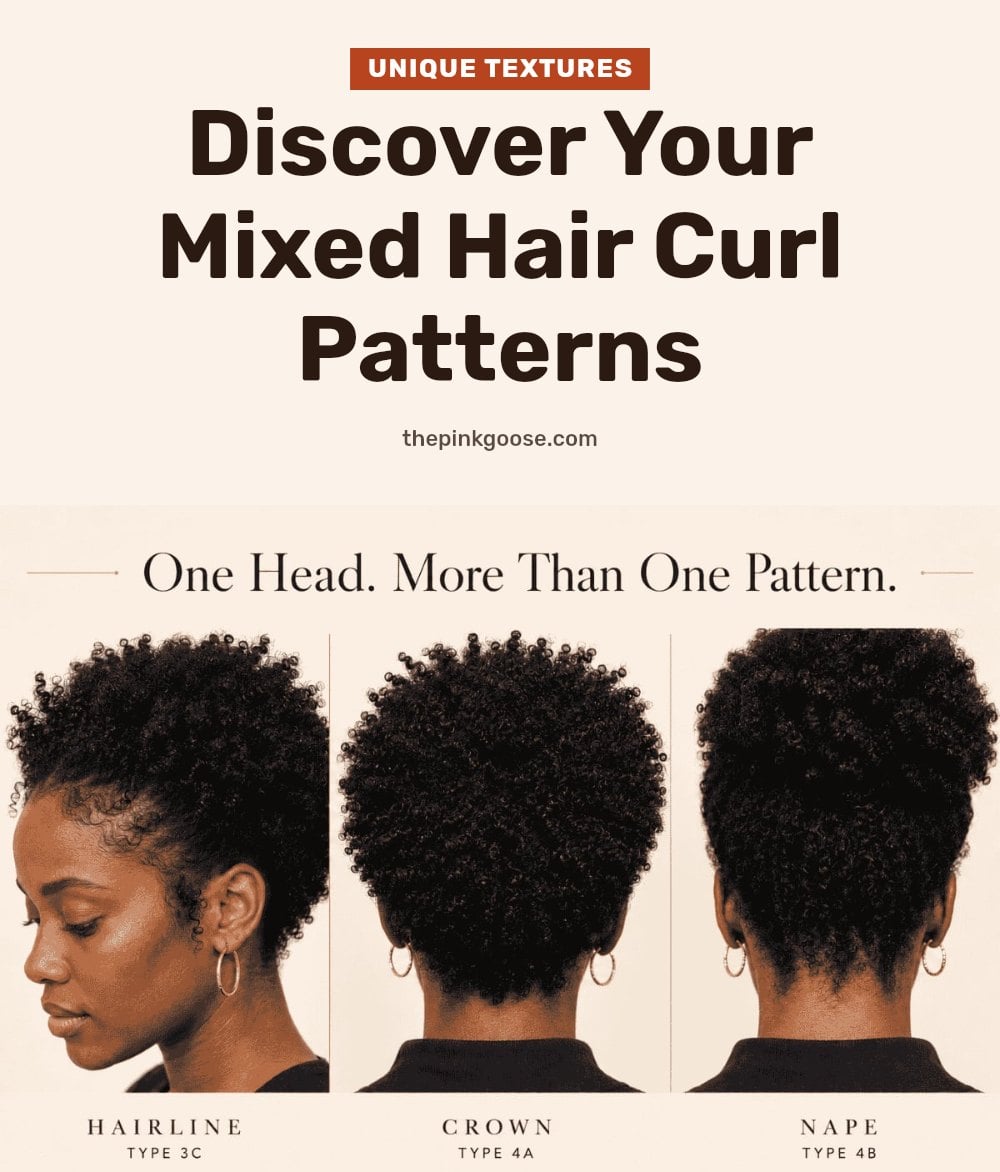
Type 3 hair is curly, with distinct loops or spirals. Subcategories include 3A (loose, large curls), 3B (medium, bouncy curls), and 3C (tight, springy curls that are densely packed). Type 4 hair is coily, with tight, often zig-zag patterns. It ranges from 4A (soft, defined coils) to 4B (coils with a sharper, Z-shaped bend) and 4C (very tight, densely packed coils with less visible definition).
The system focuses only on curl pattern and ignores other important factors like porosity, density, and strand thickness.
Why Your Hair Type Might Be Mixed
Why Your Hair Type Might Be Mixed
It’s completely normal to have different curl patterns on different parts of your head. You might have looser waves at your temples and tighter curls at your crown, or a mix of straight and wavy sections. The Andre Walker system is a simplification, and your hair is unique, so it may not fit neatly into one box.
Your hair type can also change over time. Hormonal shifts from pregnancy, puberty, or menopause, as well as aging, chemical treatments, or heat damage, can alter your natural curl pattern. This is why a single label rarely tells the whole story.
Beyond the Curl Pattern: Other Key Hair Characteristics
Beyond the Curl Pattern: Other Key Hair Characteristics
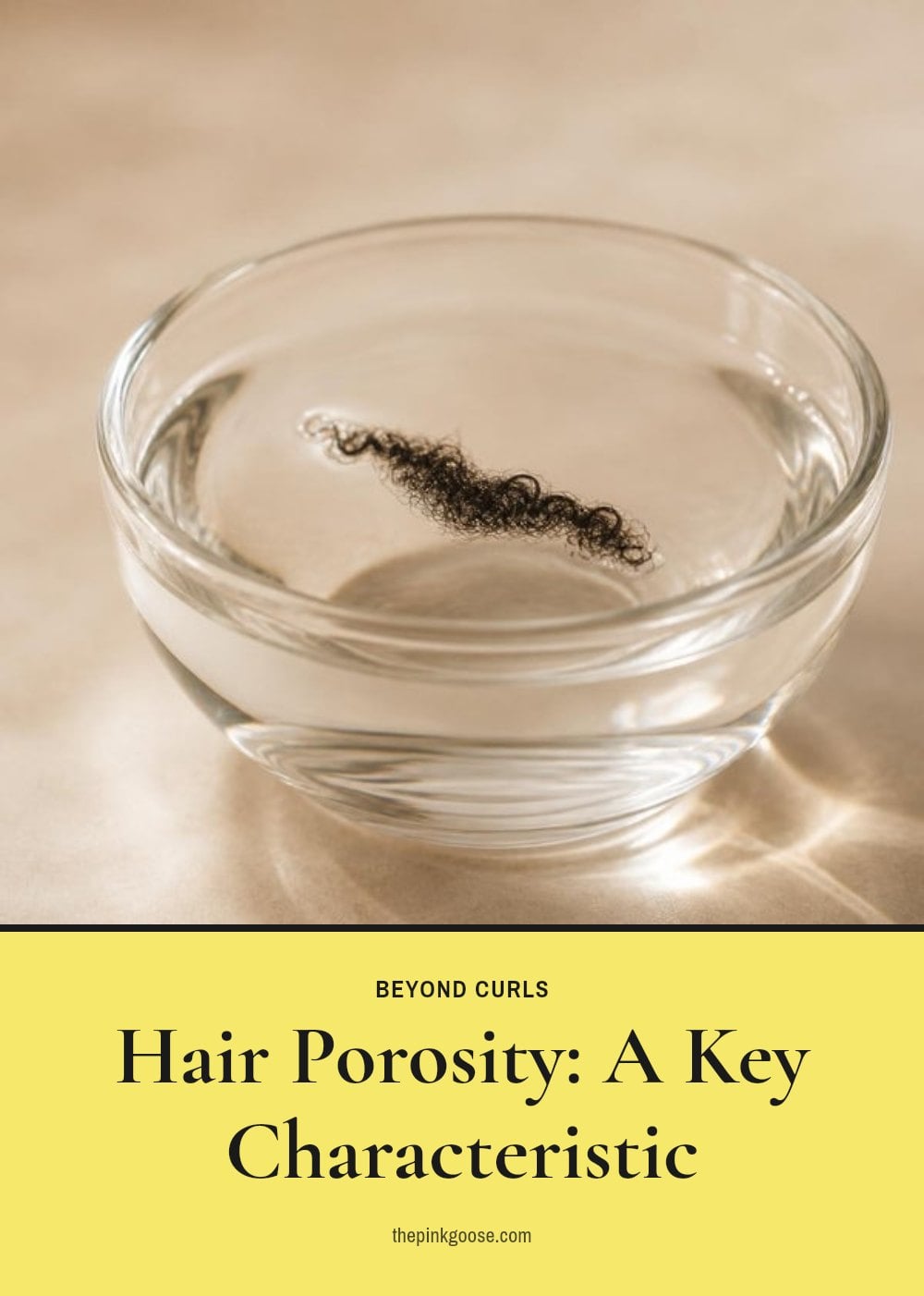
To really understand your hair, look at three other traits. Hair porosity describes how well your cuticle absorbs and retains moisture. It can be low (resistant to moisture), normal, or high (absorbs quickly but loses it fast). Porosity dictates which products will work best for you.
Hair density is the number of strands on your head, categorized as low, medium, or high. This affects how much product your hair can handle without getting weighed down. Hair width (strand thickness) is the diameter of a single strand, ranging from fine to medium to coarse. Fine hair needs lighter, volumizing products, while coarse hair can tolerate richer, more emollient formulas.
Tips for Caring for Your Unique Hair
Consider porosity first: Choose products that match how your hair absorbs and retains moisture. Low-porosity hair needs lightweight, water-based formulas, while high-porosity hair benefits from richer creams and butters.
Observe density: If your hair is low density, use lighter products to avoid weighing it down. High-density hair can handle more product and heavier hold stylers.
Mind strand width: Fine hair thrives with lightweight mousses or sprays. Coarse hair often needs richer, more emollient products like thick creams or oils.
Clarify regularly: Use a gentle clarifying shampoo every few weeks to remove buildup from styling products. This keeps your hair and scalp healthy.
Experiment: Try different products and techniques to see what works for your unique combination of curl pattern, porosity, density, and width. Your perfect routine is worth the trial.
Common Hair Typing Mistakes to Avoid
Believing you must fit one category: Your hair is unique and can exhibit characteristics of multiple types. A single label rarely tells the whole story.
Assuming all hair of a certain curl pattern has the same needs: Two people with 3C hair might have very different porosity or density. Product choices should reflect those differences.
Ignoring porosity and density: These factors are just as important as curl pattern for selecting the right shampoo, conditioner, and stylers.
Becoming frustrated by inconsistency: It’s normal for hair to behave differently across your head or change over time. Roll with it rather than fighting it.
Over-processing or using harsh chemicals: Frequent bleaching, relaxers, or heat can permanently alter your natural hair pattern and health. Protect your hair’s integrity.
Essential Hair Care Products for All Hair Types
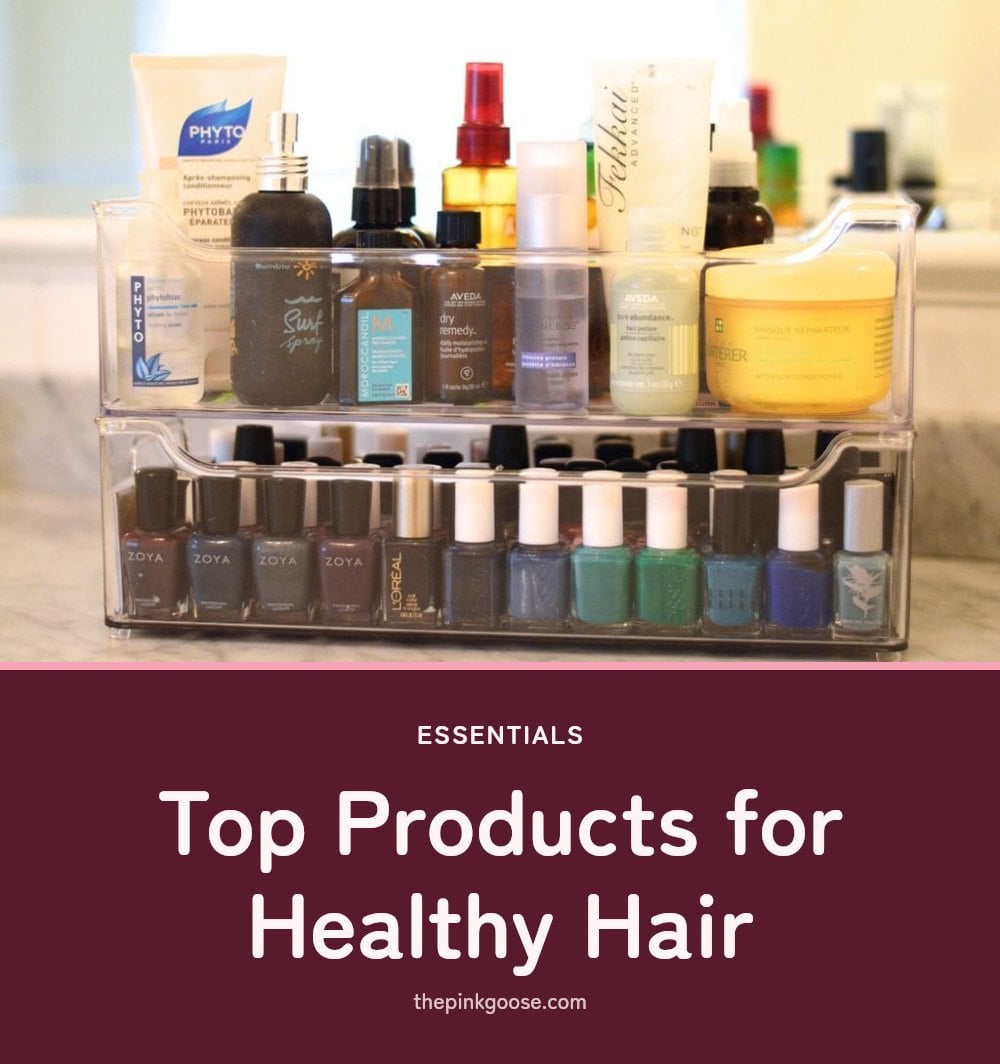
Clarifying Shampoo: Removes product buildup without stripping too much moisture. Use every few weeks to reset your hair.
Moisturizing Shampoo: A gentle option for regular cleansing that adds hydration. Ideal for most hair types.
Conditioner: Detangles, smooths, and adds moisture after shampooing. Look for one suited to your porosity.
Leave-in Conditioner: Provides ongoing hydration and protection, especially for wavy, curly, or coily hair. Apply to damp hair before styling.
Hair Mask: A weekly or bi-weekly deep conditioning treatment for targeted repair. Choose based on your hair’s current needs.
Styling Cream/Gel/Mousse: Defines curl patterns and provides hold. Pick a formula that matches your density and desired finish.
Microfiber Towel: Reduces frizz and prevents damage compared to traditional terry cloth towels. Gently squeeze or blot hair dry.
When to Consult a Professional Stylist or Dermatologist
If you’re unsure about your hair type or the best care routine, a professional stylist can provide personalized guidance tailored to your unique hair.
For significant hair loss, sudden changes in texture not explained by lifestyle, or persistent scalp irritation, consult a dermatologist to rule out underlying conditions.
If you’re considering chemical treatments that could alter your hair’s natural pattern, seek advice from a trained professional to minimize damage and achieve your desired look safely.
Frequently Asked Questions
Can my hair type change over time?
Yes, it can. Hormonal shifts like pregnancy, puberty, or menopause, as well as aging, chemical treatments, or damage, can alter your natural curl pattern and texture. Pay attention to changes in your hair’s behavior. It might be signaling a need for a different approach.
How do I know my hair’s porosity?
You can test porosity at home. Place a clean strand of hair in a glass of water and see if it floats or sinks. Floating usually indicates low porosity (resistant to moisture), sinking suggests high porosity (absorbs moisture quickly but loses it fast), and a slow sink is normal porosity. This helps you choose products that match how your hair absorbs moisture.
What is the difference between hair type and hair texture?
Hair type refers to your curl pattern, like straight, wavy, curly, or coily, as defined by the Andre Walker system. Hair texture describes the diameter of individual strands, fine, medium, or coarse. Both are important for choosing products, but they are separate characteristics that affect how your hair behaves and what it needs.
Should I use different products for different hair types on my head?
It can be helpful if the differences are significant. For example, you might use a lighter leave-in on looser sections and a richer cream on tighter curls. However, starting with a product that matches your overall porosity and density often works well, and you can adjust targeted products for specific areas as needed.
Final Thoughts
My tip: Instead of trying to force your hair into one category, focus on its porosity and density first when picking products. That will make a bigger difference than matching a curl label. Expect to experiment with a few different products and techniques over a few washes to see what your hair responds to best. The goal isn’t a perfect type. It’s healthy, happy hair that does what you want it to do.
