

If you’ve ever noticed a small inward curve on the outer sides of your hips and wondered what it is, you’re not alone. That indentation is called a hip dip, and it’s a completely normal part of your anatomy. This article explains what hip dips are, why they happen, and how targeted glute exercises can help minimize their appearance.
Key Takeaways
- Hip dips are a natural anatomical feature caused by your bone structure, not a sign of poor health or fitness.
- You cannot eliminate hip dips completely, but building gluteus medius and minimus muscle can make them less noticeable.
- Effective exercises include side leg raises, clam shells, glute bridges, and compound moves like squats and lunges.
- Consistency with 2 to 3 glute-focused workouts per week over several months is key to seeing gradual results.
- Avoid comparing your body to edited images online and focus on balanced nutrition and proper exercise form.
What Exactly Are Hip Dips?
Hip dips are the natural indentations you see on the outer sides of your hips, right where your skin attaches to the greater trochanter of your thigh bone (femur). This is a normal anatomical feature, not a flaw or a sign that you are out of shape. How prominent they look depends on your bone structure, muscle mass, and fat distribution. You cannot eliminate hip dips completely through diet or exercise because they are largely determined by your skeleton. However, targeted strength training that builds the gluteal muscles, especially the gluteus medius, can fill out the area and make the indentations less noticeable.
Why Do Some People Have Hip Dips?
The main reason some people have hip dips while others don’t comes down to the shape of your pelvis and femur. Specifically, the width of your hips and the angle where your femur connects to your pelvis create that inward curve. Two other factors also play a part:
- Fat and muscle distribution: How much fat you carry and how developed your gluteus medius and minimus muscles are can make hip dips look more or less pronounced.
- Genetics: Your DNA largely determines your overall body shape, including whether you have hip dips. Many people have them, and they are a common human feature.
Essential Tools for Glute-Targeted Workouts
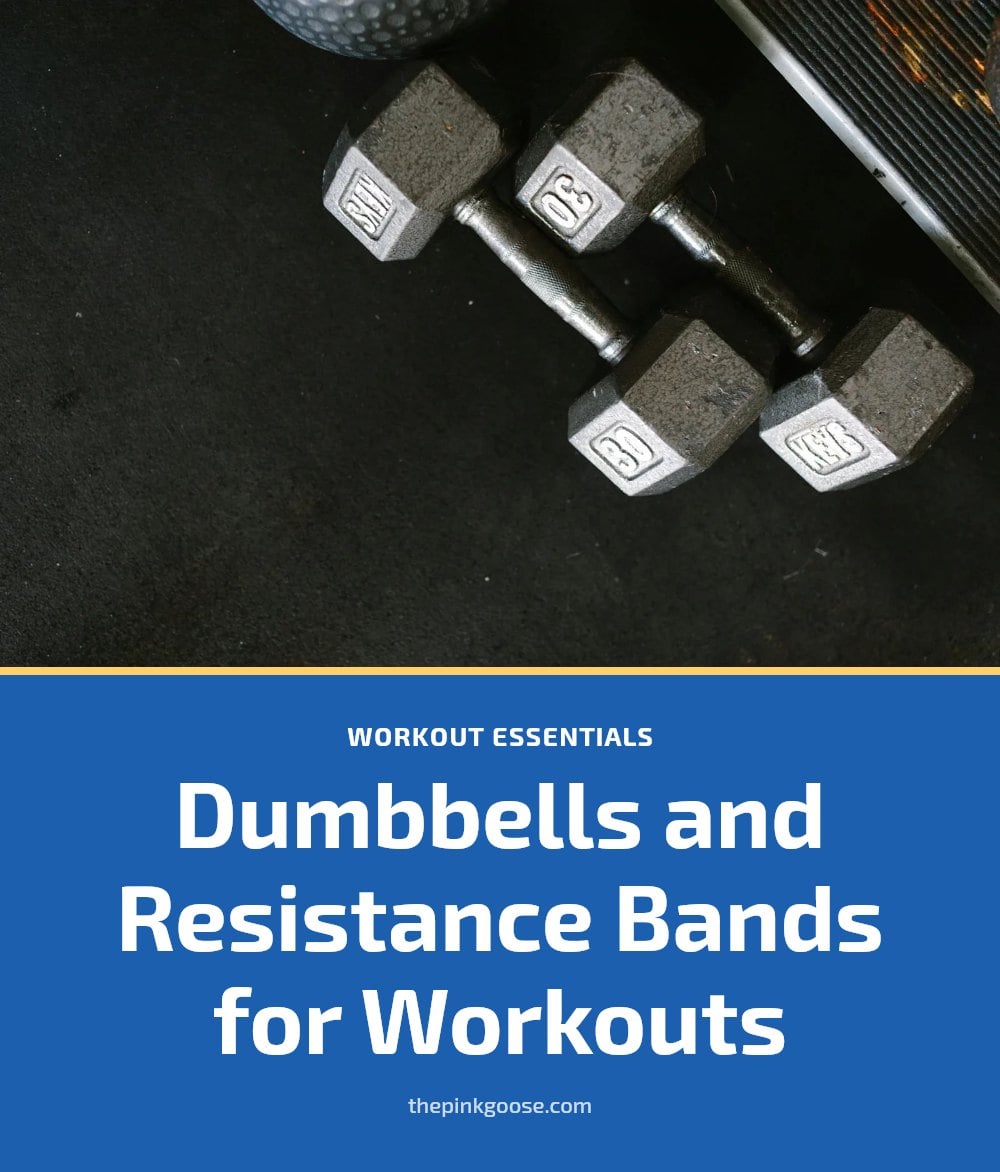
You don’t need a full gym to target the glute muscles that help minimize hip dips. A few affordable tools will get the job done at home:
- Resistance bands: Loop bands add tension to glute activation exercises like banded walks.
- Dumbbells: Use them for compound moves and progressive overload.
- Kettlebells: Great for swings and squats that work the whole gluteal complex.
- Ankle weights: Increase resistance during leg raises to challenge the gluteus medius.
- Exercise mat: Provides cushion for floor exercises like clam shells and glute bridges.
Effective Exercises to Build Glute Muscle
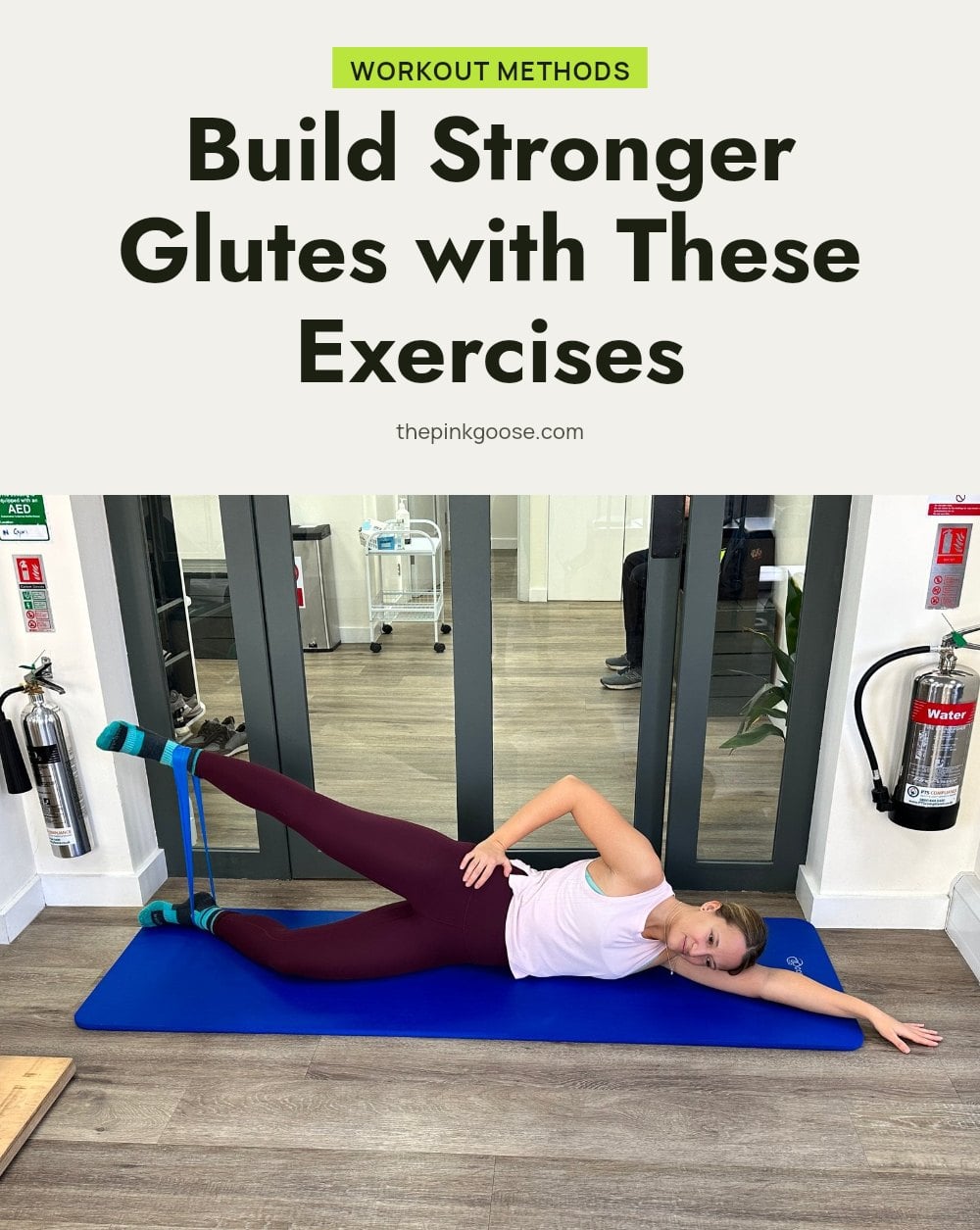
To make hip dips less noticeable, focus on building the gluteus medius and minimus muscles that sit on the side of your hip. These five exercises are my go-to picks.
Side Leg Raises
Lie on one side with legs stacked, then lift your top leg toward the ceiling. This isolates the gluteus medius and minimus. My tip: Keep your hips stacked and don’t roll backward. Perform 12-15 reps per side.
Clam Shells
Lie on your side with knees bent at a 45-degree angle, feet together. Open your top knee like a clam shell while keeping your pelvis stable. This move activates the side glutes without involving the lower back. My tip: Place a resistance band just above your knees for extra tension. Aim for 15 reps per side.
Glute Bridges
Lie on your back with knees bent and feet flat on the floor. Drive your hips upward, squeezing your glutes at the top. This works the entire gluteal complex, with emphasis on the gluteus maximus. Tip: Hold the bridge for 2 seconds at the top to maximize muscle engagement. Do 3 sets of 12 reps.
Banded Walks
Place a loop band around your ankles or just above your knees. Stay in a slight squat and take small steps sideways. This keeps the gluteus medius under constant tension for stability and strength. Good to know: Keep your chest up and knees tracking over your toes. Walk 10 steps in each direction for 3 rounds.
Squats and Lunges
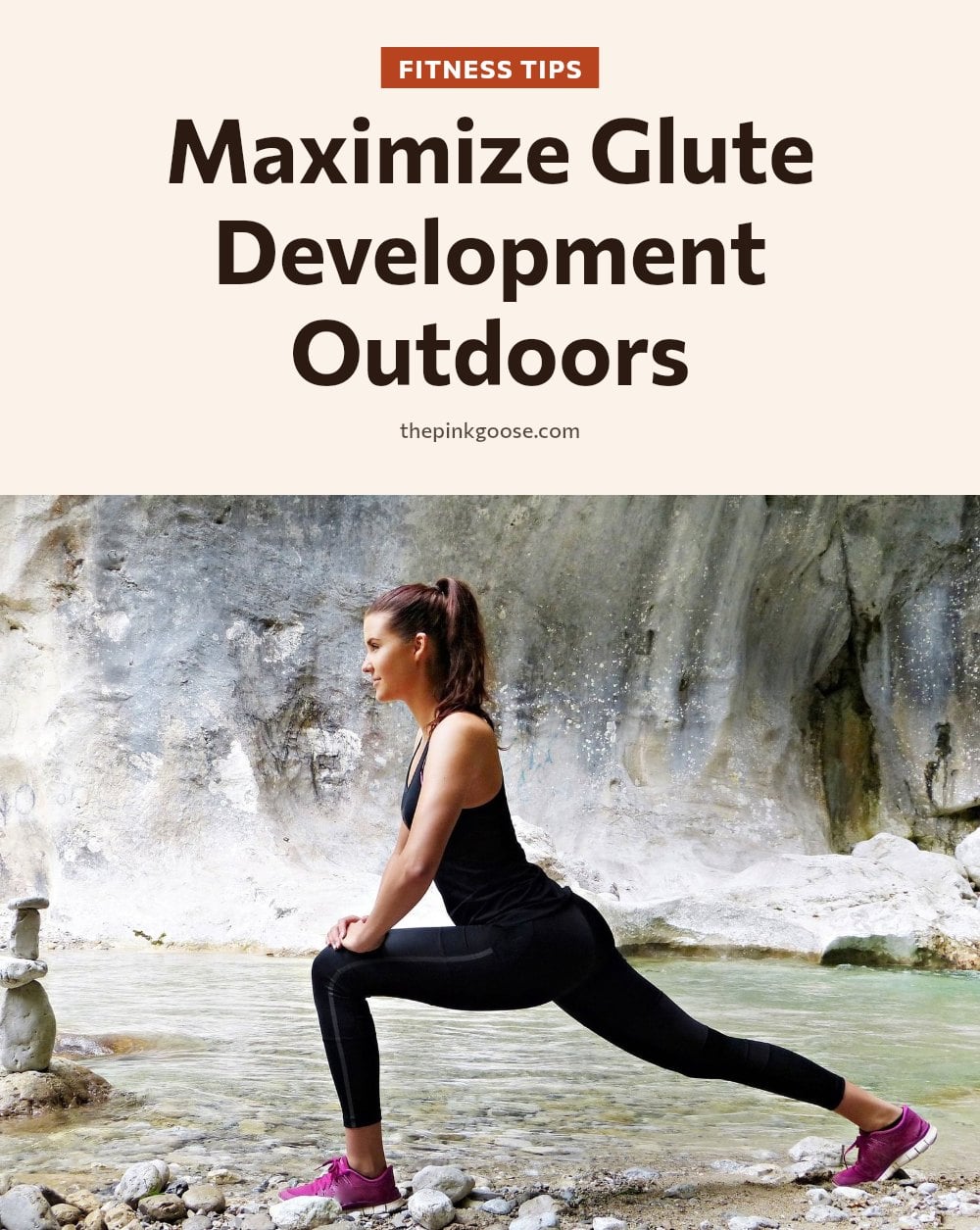
These compound exercises build overall glute mass, which helps fill out the area around hip dips. Stand with feet shoulder-width apart, lower into a squat, then drive back up. For lunges, step forward and lower both knees to 90 degrees. Pro move: Add dumbbells or a kettlebell for progressive overload. Perform 3 sets of 10-12 reps per exercise.
Common Mistakes to Avoid When Training Glutes
One of the biggest mistakes I see is treating hip dips as a flaw. They are a normal anatomical feature, not a sign of being out of shape. Another common error is thinking a specific diet can remove them. Diet changes body fat, not bone structure, so no meal plan will erase the indentation.
Relying only on cardio is another misstep. Strength training is essential for building the glute muscle that can make hip dips less prominent. Expecting quick or dramatic results also sets you up for disappointment. Muscle growth is gradual and varies by person. Finally, never sacrifice form for more reps. Incorrect form leads to ineffective workouts and can cause injury.
Top Tips for Maximizing Glute Development
Consistency matters more than intensity. Regular, targeted workouts over several months deliver the best results. Progressive overload: Gradually increase the weight, reps, or resistance each week to keep challenging your muscles. Balanced nutrition: Support muscle growth with enough protein and a healthy diet overall.
Listen to your body: Rest days and proper recovery prevent overtraining and injury. Body positivity: Embrace your natural shape and focus on getting stronger and healthier rather than chasing an edited ideal.
What to Expect: Timeline and Commitment
With consistent effort and targeted exercises, you may notice visible muscle development in several months. Changes are gradual and vary by individual, so patience is key. Frequency: Aim for 2 to 3 glute-focused workouts per week, with rest days in between. Cost: The investment can be minimal if you use bodyweight exercises or resistance bands, or higher if you choose a gym membership or personal training.
Frequently Asked Questions
Can I completely get rid of my hip dips?
No, you cannot completely get rid of hip dips because they are largely determined by the shape of your pelvis and femur. Building muscle in the gluteal area can make them less prominent, but the indentation itself will remain due to your bone structure.
Are hip dips a sign of being unhealthy or out of shape?
Not at all. Hip dips are a normal anatomical variation that many people have, regardless of their fitness level. They are not a sign of being unhealthy or out of shape. Genetics and bone structure are the main factors behind their appearance.
How long does it take to see results from hip dip exercises?
With consistent effort and targeted glute workouts 2 to 3 times per week, you may notice visible muscle development in several months. Results are gradual and vary by individual, so patience and consistency are important.
Do squats alone fix hip dips?
Squats are a great compound exercise for the glutes, but they primarily target the gluteus maximus. To minimize the appearance of hip dips, you also need isolation exercises for the gluteus medius and minimus, such as side leg raises and clam shells.
What is the best exercise for gluteus medius?
Side leg raises and clam shells are highly effective for targeting the gluteus medius. Adding resistance bands to these exercises can increase the challenge and help build muscle in that area over time.
Final Thoughts
My tip: Focus on building strength in your glutes with a mix of compound and isolation exercises, and give it time. You can expect gradual changes over several months of consistent effort, but remember that your bone structure won’t change. Embrace your natural shape and train for strength and health, not for a specific look.
This article is for informational purposes only and does not constitute medical or professional fitness advice. Always consult a doctor before starting a new exercise routine, especially if you have pre-existing health conditions. For personalized guidance, speak with a qualified fitness professional.
