

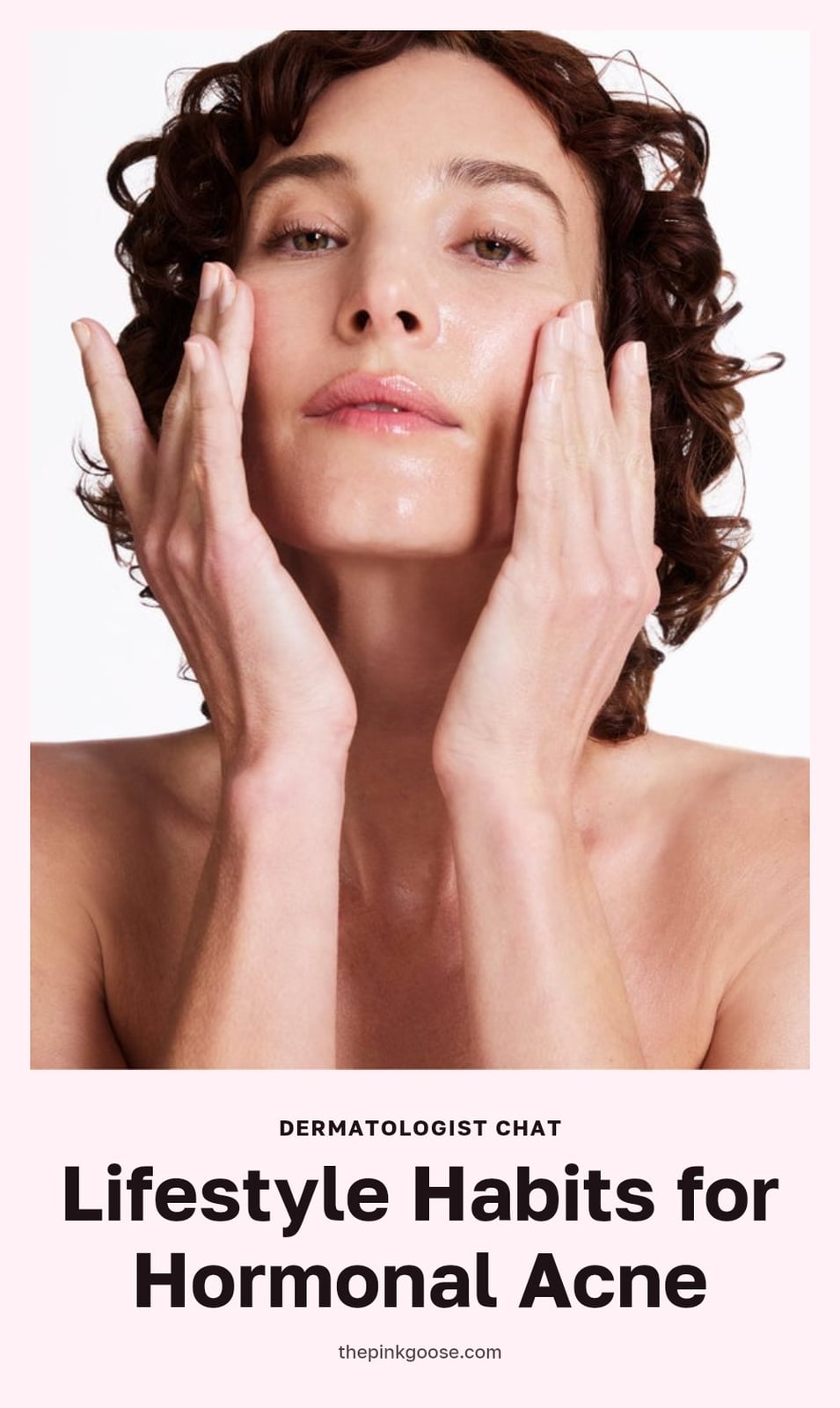
If you’re dealing with persistent, deep breakouts along your jawline, chin, or neck, you might be dealing with hormonal acne. It’s driven by hormone fluctuations, and while lifestyle habits can help support your skin, they work best alongside a dermatologist’s guidance. This article covers the key lifestyle habits to discuss with your doctor, from diet and stress management to skincare and sun protection.
Key Takeaways
- Hormonal acne often appears as deep, painful cysts along the jawline, chin, and neck.
- Always consult a board-certified dermatologist for persistent or severe hormonal acne.
- Consistent, gentle skincare with non-comedogenic products supports treatment without irritation.
- Manage stress with practices like meditation or yoga to help keep cortisol levels in check.
- Results from lifestyle changes and treatments typically take several weeks to months to appear.
Understanding Hormonal Acne and Lifestyle’s Role
Hormonal acne is driven by fluctuations in hormones like androgens, which can increase oil production and inflammation. It often shows up as deep, painful cysts along the jawline, chin, and neck. While lifestyle habits such as a balanced diet and stress management can support overall skin health and may help ease symptoms, they are not a cure. Effective management usually requires a multi-faceted approach, often including medical treatments prescribed by a dermatologist, alongside a consistent skincare routine and healthy choices.
1. Consult a Board-Certified Dermatologist
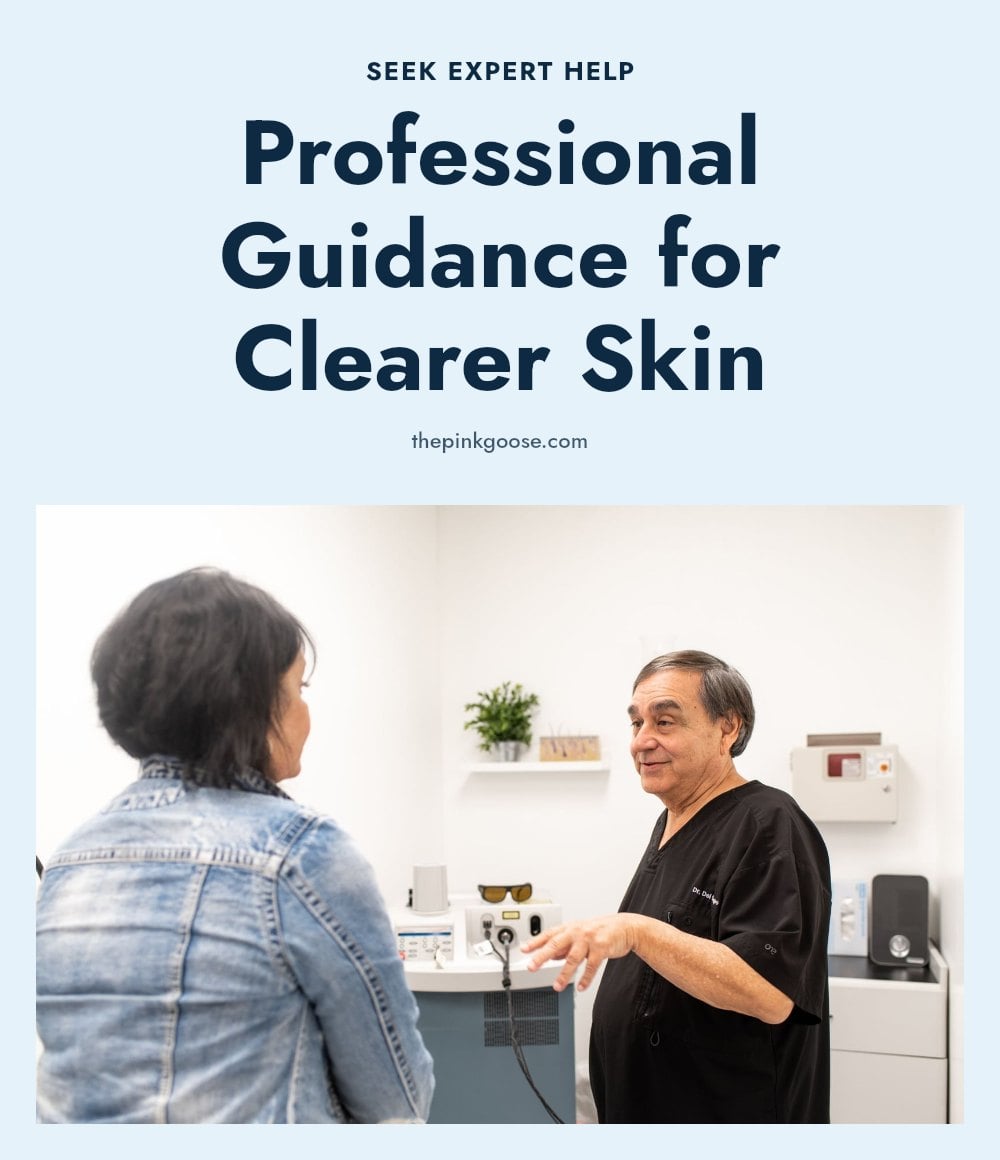
My top tip: Always discuss persistent or severe acne with a board-certified dermatologist. They can accurately diagnose hormonal acne and recommend appropriate medical treatments, which are often necessary for meaningful improvement. This step is crucial because hormonal acne typically requires more than just lifestyle adjustments to see significant results.
2. Maintain a Consistent Skincare Routine
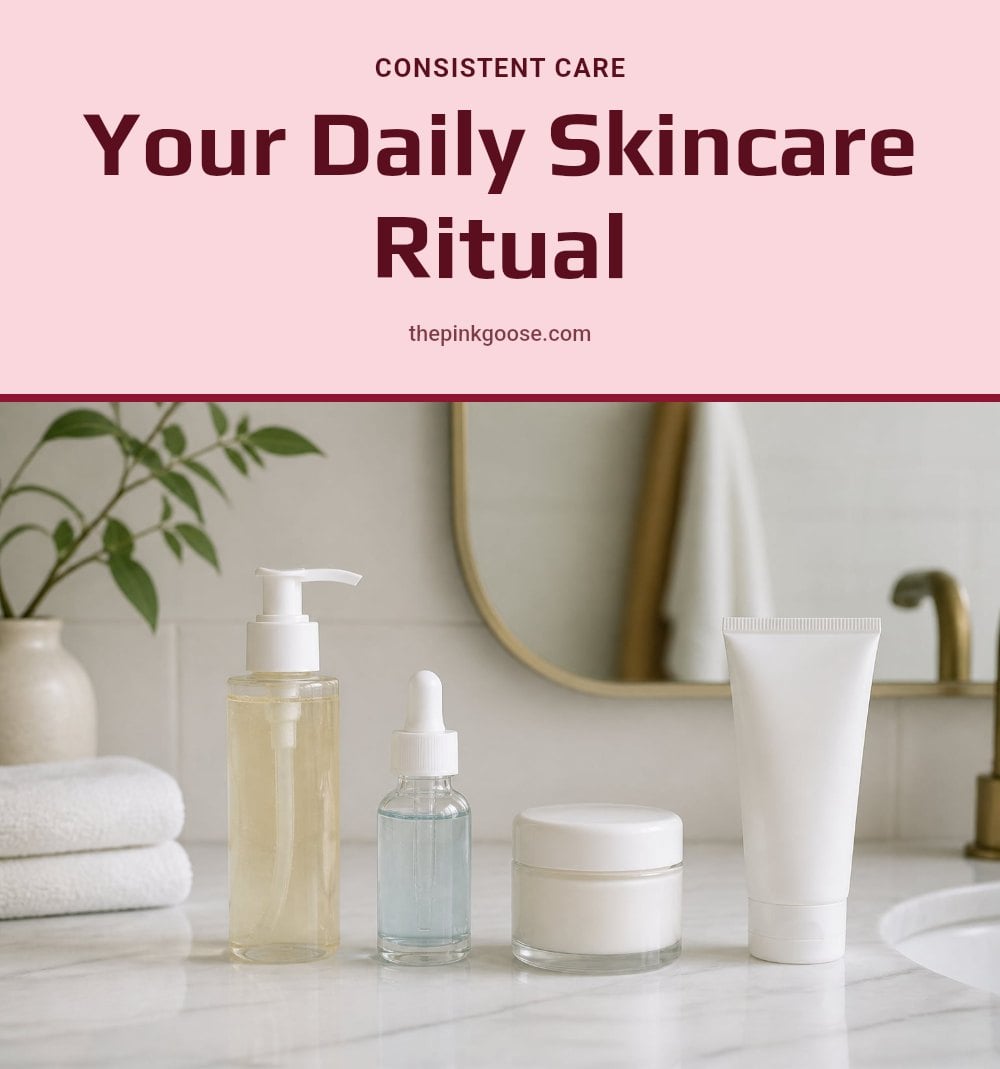
Use gentle, non-comedogenic products to avoid irritating your skin and clogging pores. Cleanse your face twice daily and after sweating, but don’t overwash, stripping natural oils can worsen irritation. My tip: Always follow cleansing with a light, non-comedogenic moisturizer, even if your skin feels oily, to support your skin’s barrier.
3. Incorporate Topical Treatments Wisely
Topical treatments like retinoids (e.g., adapalene), salicylic acid, and benzoyl peroxide can help with mild to moderate hormonal acne. My tip: Introduce new active ingredients slowly to avoid irritation, and always patch test first. Your dermatologist can guide you on which topicals are best for your situation and how to layer them effectively.
4. Manage Stress Effectively

Stress doesn’t directly cause hormonal acne, but it can make it worse by raising cortisol levels, which may increase oil production and inflammation. Integrate stress-reducing practices into your daily life, meditation, yoga, deep breathing, or even a short walk outside can help lower cortisol.
- Tip: Prioritize 7-9 hours of sleep per night. Lack of sleep can spike stress hormones, so a consistent bedtime routine is a simple way to support your skin.
5. Eat a Balanced, Anti-Inflammatory Diet

While diet isn’t a cure, some people find certain foods can trigger breakouts. Focus on a balanced diet rich in whole foods, fruits, vegetables, and lean proteins to support overall skin health. Consider reducing high glycemic index foods, like refined sugars and processed carbs, and dairy, though the evidence linking them to acne varies.
- Good to know: Keep a food diary for a few weeks to spot patterns between what you eat and your breakouts. It can help you identify personal triggers without guesswork.
6. Stay Hydrated with Plenty of Water
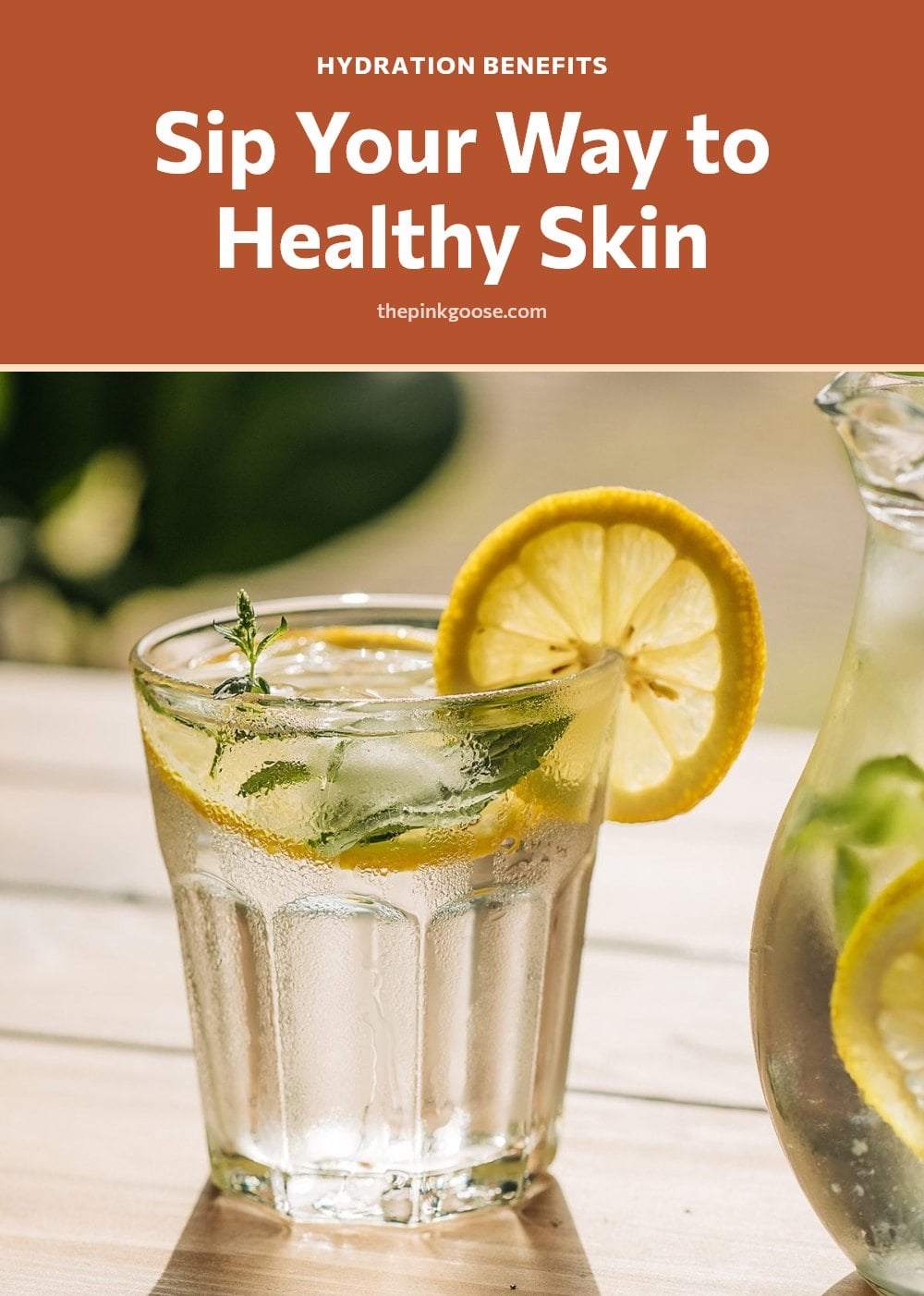
Drinking enough water is essential for overall health, and your skin benefits too. Proper hydration helps maintain elasticity and supports your skin’s natural barrier function, which can keep it looking plump and resilient.
- Pro move: Carry a reusable water bottle and sip throughout the day. It’s a simple reminder to stay hydrated without overthinking it.
7. Exercise Regularly and Cleanse Afterward
Regular exercise helps manage stress, which may indirectly benefit your skin by keeping cortisol levels in check. But what you do after your workout matters just as much. Always cleanse your face immediately after sweating to prevent sweat and bacteria from clogging pores.
- Quick tip: Wear clean workout clothes and avoid touching your face during exercise to minimize bacterial transfer. A quick post-workout rinse can make a real difference.
8. Protect Your Skin from the Sun
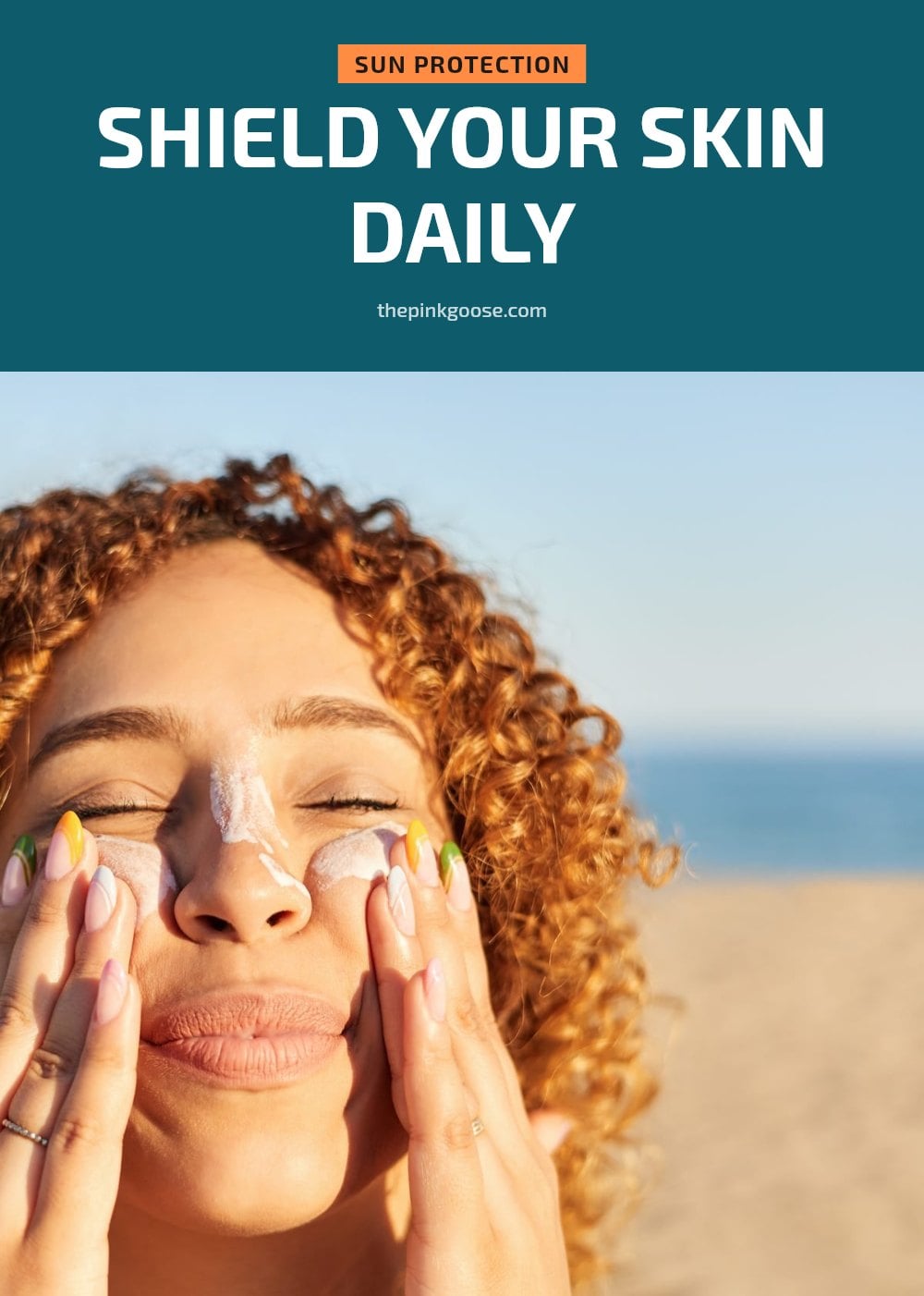
Many acne treatments, especially topical retinoids, can make your skin more sensitive to the sun. Apply a broad-spectrum sunscreen with SPF 30 or higher every day, even when it’s cloudy, to prevent sun damage and hyperpigmentation from healing breakouts.
Tip: Look for non-comedogenic sunscreens labeled for acne-prone skin so they won’t clog your pores while protecting you.
9. Avoid Picking or Squeezing Breakouts
I know it’s tempting, but picking or squeezing acne lesions is a big no-no. This pushes bacteria deeper into the skin, leading to more inflammation, infection, and potentially permanent scarring.
Good to know: If a breakout is particularly bothersome, ask your dermatologist about targeted treatments or professional extractions instead.
10. Be Patient and Consistent
Results from both lifestyle changes and medical treatments for hormonal acne take time, often weeks to months. Consistency is absolutely key: stick to your skincare routine and any prescribed treatments diligently.
Pro move: Don’t get discouraged if you don’t see immediate results; give your skin and treatments time to work.
11. Discuss Oral Medications with Your Doctor
For more severe or persistent hormonal acne, oral medications are often prescribed. Options can include hormonal birth control pills, spironolactone, or isotretinoin, all of which require a prescription and careful monitoring.
Quick tip: These medications can have significant side effects, so a thorough discussion with your dermatologist about risks and benefits is essential before starting.
When to Seek Professional Medical Advice
If you experience severe pain, swelling, or signs of infection like pus or fever around your acne, consult a doctor immediately. For persistent, painful acne that doesn’t improve with consistent at-home care, or if it’s significantly affecting your self-esteem, see a board-certified dermatologist. Caution: Pregnant or breastfeeding individuals must always consult their doctor before using any acne treatments, topical or oral, to ensure safety for both mother and baby.
Frequently Asked Questions
Can diet alone cure hormonal acne?
No, diet alone is not a cure for hormonal acne. While some people find that reducing high glycemic foods or dairy helps their skin, the evidence isn’t conclusive. Hormonal acne typically requires a multi-faceted approach that includes medical treatments prescribed by a dermatologist, alongside healthy lifestyle choices.
What’s the difference between hormonal acne and regular acne?
Hormonal acne is specifically linked to fluctuations in hormones like androgens, which increase oil production and inflammation. It often appears as deep, cystic bumps along the jawline, chin, and neck. Regular acne can be caused by a variety of factors, including bacteria, clogged pores, and irritation, and may look different on the skin.
Can I use over-the-counter products for severe hormonal acne?
Over-the-counter products like salicylic acid or benzoyl peroxide may help mild cases, but they are usually not enough for severe hormonal acne. For deep, painful cysts, prescription medications such as retinoids, spironolactone, or birth control pills are often needed. Always see a dermatologist for severe breakouts.
Is stress a direct cause of hormonal acne?
Stress does not directly cause hormonal acne, but it can make it worse. When you’re stressed, your body produces more cortisol, which can increase oil production and inflammation. Managing stress through practices like meditation, yoga, or sufficient sleep can help reduce its impact on your skin.
What causes hormonal acne?
Hormonal acne is primarily caused by fluctuations in hormones, especially androgens, which increase sebum production and inflammation. It’s common during the menstrual cycle, pregnancy, perimenopause, or when discontinuing birth control pills. Genetics can also play a role in how your skin responds to these hormonal shifts.
Final Thoughts
Start by booking an appointment with a board-certified dermatologist to get a proper diagnosis and treatment plan. Then, layer in these lifestyle habits one at a time: a gentle routine, stress management, and a balanced diet. Expect to see gradual improvement over weeks to months, not overnight. Your skin will thank you for the patience and consistency.
This article is for informational purposes only and does not constitute medical advice. Hormonal acne can be a complex condition that requires professional evaluation. Always consult a board-certified dermatologist or healthcare provider for persistent or severe acne, especially before starting any new treatment.
