

Have you been feeling off lately, with unpredictable mood swings, unexplained fatigue, or changes in your cycle? It’s easy to wonder if your hormones are to blame. The truth is, your daily habits around sleep, stress, and food have a powerful influence on your hormonal health. This article breaks down the key lifestyle factors that support hormone balance, from prioritizing quality rest to eating the right foods, so you can feel more in control of your well-being.

Key Takeaways
- Prioritize 7-9 hours of quality sleep each night to support cortisol and insulin regulation.
- Practice daily stress reduction like meditation or deep breathing to lower cortisol levels.
- Eat a diet rich in whole foods, healthy fats, and fiber to fuel hormone production and metabolism.
- Engage in moderate exercise, including both cardio and strength training, for better insulin sensitivity.
- Limit exposure to endocrine disruptors by choosing glass containers and natural personal care products.
What Are Hormones and Why Do They Matter?
Hormones are chemical messengers your endocrine system produces, traveling through your bloodstream to influence almost every process in your body. They affect your mood, energy levels, metabolism, and reproductive health. For women, key hormones like estrogen, progesterone, and cortisol play crucial roles in daily well-being. Even small imbalances can lead to noticeable symptoms like fatigue, mood swings, or irregular periods.
1. Prioritize 7-9 Hours of Quality Sleep

Consistent, quality sleep is non-negotiable for hormonal health. Chronic sleep deprivation can seriously disrupt the production of vital hormones like cortisol, insulin, and growth hormone. When you don’t sleep enough, your body’s natural rhythms get thrown off, affecting everything from stress response to blood sugar control.
My tip: Aim for 7-9 hours of sleep every night. Try to maintain a consistent sleep schedule, even on weekends, to support your natural circadian rhythms. This regularity helps your body know when to produce melatonin and when to release cortisol, keeping your hormone cycle in balance.
2. Manage Stress with Daily Practices

Chronic stress keeps your cortisol levels high, which can then throw off other hormones, including estrogen and thyroid hormones. It’s a domino effect. Elevated cortisol can disrupt your menstrual cycle, reduce libido, and even affect your metabolism.
Incorporate daily stress-reduction techniques like meditation, deep breathing exercises, or spending time in nature. Even 10-15 minutes can make a difference. Tip: Try a simple breathing pattern: inhale for four counts, hold for four, exhale for four. This activates your parasympathetic nervous system and helps lower cortisol.
3. Eat a Whole Foods, Nutrient-Dense Diet

What you eat directly fuels your hormone production and metabolism. A balanced diet rich in whole, unprocessed foods, healthy fats, and fiber is key. Processed foods and refined sugars can spike insulin and disrupt your hormonal balance over time.
My tip: Focus on plenty of vegetables, fruits, lean proteins, and healthy fats from sources like avocados and nuts. These provide the building blocks your body needs to produce hormones like estrogen and progesterone. Think of your plate as a tool for nourishing your endocrine system.
4. Include Healthy Fats in Your Meals
Healthy fats are the building blocks your body uses to produce hormones like estrogen and progesterone. Without enough of them, your hormonal symphony can fall flat. Include avocados, olive oil, nuts, and seeds in your meals daily. A handful of walnuts on your oatmeal or a drizzle of olive oil over roasted vegetables makes a difference.
5. Prioritize Gut Health for Hormone Metabolism
Your gut microbiome helps metabolize and excrete hormones, especially estrogen. A healthy gut processes hormones efficiently, while an unhappy one can let them recirculate and cause imbalance. Support your gut with fiber-rich foods like vegetables and oats, probiotics from yogurt or kimchi, and prebiotics from garlic and onions. Your hormones will thank you.
6. Stay Hydrated Throughout the Day

Water transports hormones through your bloodstream and helps your body flush out waste products. Even mild dehydration can subtly disrupt this process. Aim to drink water consistently throughout the day. Tip: Keep a reusable water bottle on your desk or in your bag so you see it and sip regularly without thinking.
7. Engage in Regular Moderate Exercise

Moderate exercise improves insulin sensitivity and lowers cortisol, both key for hormone balance. A mix of cardio and strength training works best. Aim for 30 minutes of moderate activity most days. Caution: Overdoing it with intense workouts without recovery can spike stress hormones, so listen to your body and take rest days when needed.
8. Limit Exposure to Endocrine Disruptors
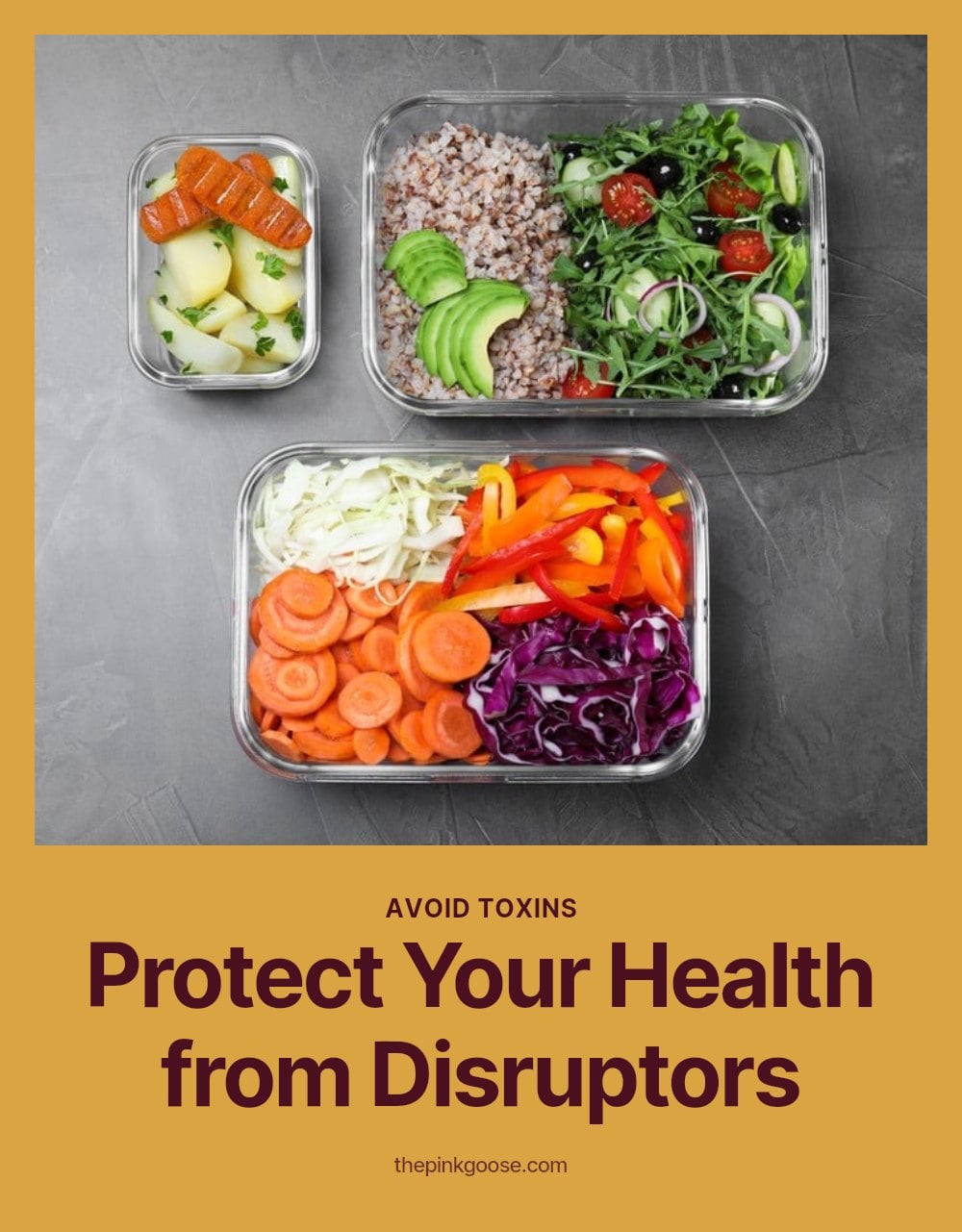
Endocrine-disrupting chemicals (EDCs) hide in everyday items like plastic containers, nonstick cookware, and synthetic fragrances. They can mimic or block your natural hormones, throwing off estrogen, progesterone, and thyroid function. Good to know: Switch to glass or stainless steel food containers, choose natural personal care products without phthalates or parabens, and buy organic produce when possible to cut down on pesticide exposure. Small swaps add up to real protection for your hormonal system.
9. Be Mindful of Caffeine and Sugar Intake
Your morning coffee is fine, but relying on caffeine or sugar to push through fatigue backfires. Excess caffeine keeps cortisol elevated, and refined sugar spikes insulin, leading to insulin resistance over time. That cycle makes energy crashes worse and disrupts sleep further. Tip: Reduce sugary snacks and processed foods, and never use caffeine as a substitute for sleep. Your body needs real rest, not a stimulant mask. Pro move: Limit caffeine to one or two servings before noon, and avoid it entirely after 2 p.m. to protect your sleep quality and hormone balance.
10. Listen to Your Body’s Signals
Your body talks to you every day. Irregular periods, mood swings, fatigue, weight changes, or persistent acne can all be signals that your hormones are out of balance. Instead of ignoring them or chalking them up to stress, pause and notice patterns. Pro move: Keep a simple journal of your symptoms, cycle, and daily habits for a few weeks. That self-awareness helps you connect the dots and decide what to adjust first.
11. Avoid Restrictive or Fad Diets
Restrictive or fad diets promise quick results but often starve your body of the nutrients it needs to produce hormones. Very low-calorie or carb-free plans can stress your system, raising cortisol and lowering thyroid output. Tip: Skip the extremes and focus on consistent, balanced eating with plenty of vegetables, protein, and healthy fats. Your hormones perform best when you nourish them steadily, not when you deprive them.
When to Consult a Healthcare Professional
If you’re dealing with severe or persistent symptoms like extreme fatigue, unexplained weight changes, significant mood disturbances, or consistently irregular periods, it’s time to see a doctor. A healthcare provider, possibly an endocrinologist, can properly diagnose any underlying conditions and guide you on appropriate treatments.
Caution: Never start hormone supplements or therapies without medical supervision. They can have significant side effects and interactions with other medications. Let a professional determine what’s really going on before you try anything on your own.
Frequently Asked Questions
What are the main hormones affecting women?
Estrogen and progesterone are the primary female sex hormones, influencing reproductive health, bone density, and mood. Cortisol, the stress hormone, affects metabolism and inflammation, while insulin regulates blood sugar. Melatonin governs your sleep-wake cycle, and thyroid hormones control your metabolism. All of these work together, so imbalance in one can affect others.
Can diet really impact my hormones?
Yes, absolutely. What you eat provides the building blocks your body uses to produce hormones. Healthy fats are essential for making estrogen and progesterone, while fiber helps your gut metabolize and excrete hormones properly. Refined sugars and processed foods can spike insulin and disrupt balance over time, so a whole foods diet is your best bet.
How long does it take to balance hormones naturally?
Positive changes from lifestyle adjustments can begin to appear within weeks to months, but consistent effort is key for long-term balance. Everyone’s body is different, so be patient. If you don’t see improvement after a few months of solid habits, or if symptoms are severe, consult a healthcare professional for personalized guidance.
Are there specific exercises for hormonal balance?
A mix of moderate cardio and strength training works best for hormonal health. Walking, jogging, cycling, and weight lifting all improve insulin sensitivity and help manage cortisol. The key is consistency and not overdoing it, as intense exercise without recovery can actually spike stress hormones. Aim for 30 minutes most days and listen to your body.
What are endocrine-disrupting chemicals?
Endocrine-disrupting chemicals (EDCs) are substances found in some plastics, pesticides, nonstick cookware, and synthetic fragrances. They can mimic or block your natural hormones, interfering with estrogen, progesterone, and thyroid function. You can reduce exposure by switching to glass or stainless steel food containers and choosing natural personal care products.
Final Thoughts
Your hormones respond to the choices you make every day. Start with one small change, like going to bed 30 minutes earlier or swapping a sugary snack for a handful of nuts. Consistency matters more than perfection. Most women notice positive shifts in energy and mood within a few weeks of sticking with these habits. Listen to your body, be patient with yourself, and remember that sustainable balance comes from daily care, not quick fixes.
This article is for general informational purposes only and does not constitute medical advice. Hormonal health is complex and individual. If you are experiencing persistent or severe symptoms, please consult a qualified healthcare professional, such as a doctor or endocrinologist, for a proper evaluation and personalized treatment plan.
