

If you’ve been dealing with bloating, sluggish digestion, or just feeling off, your gut health might be the missing piece. The trillions of microorganisms living in your digestive tract do more than help you digest food; they influence your immune system, mood, and even your skin. In this article, I’ll walk you through simple daily habits that can help you build a healthier gut ecosystem, from what you eat to how you manage stress and sleep.

Key Takeaways
- Eat a wide variety of fruits, vegetables, and whole grains to support a diverse microbiome.
- Include fermented foods like yogurt, kefir, or kimchi for a natural probiotic boost.
- Aim for at least 30 minutes of moderate exercise most days to support gut motility.
- Prioritize 7-9 hours of quality sleep each night to protect your gut microbiome.
- Limit processed foods and added sugar to avoid disrupting your gut bacteria balance.
What is Gut Health and Why Does it Matter?
Gut health is the balance of trillions of microorganisms in your digestive tract, especially your intestines. When that balance is healthy, it supports more than digestion: it plays a role in your immune function, mood, and even skin health. The good news is you don’t need a complicated plan. Simple daily habits around diet, hydration, stress management, and movement can significantly improve your gut’s ecosystem. Start small, and your whole body may feel the difference.
1. Eat a Diverse Range of Plants
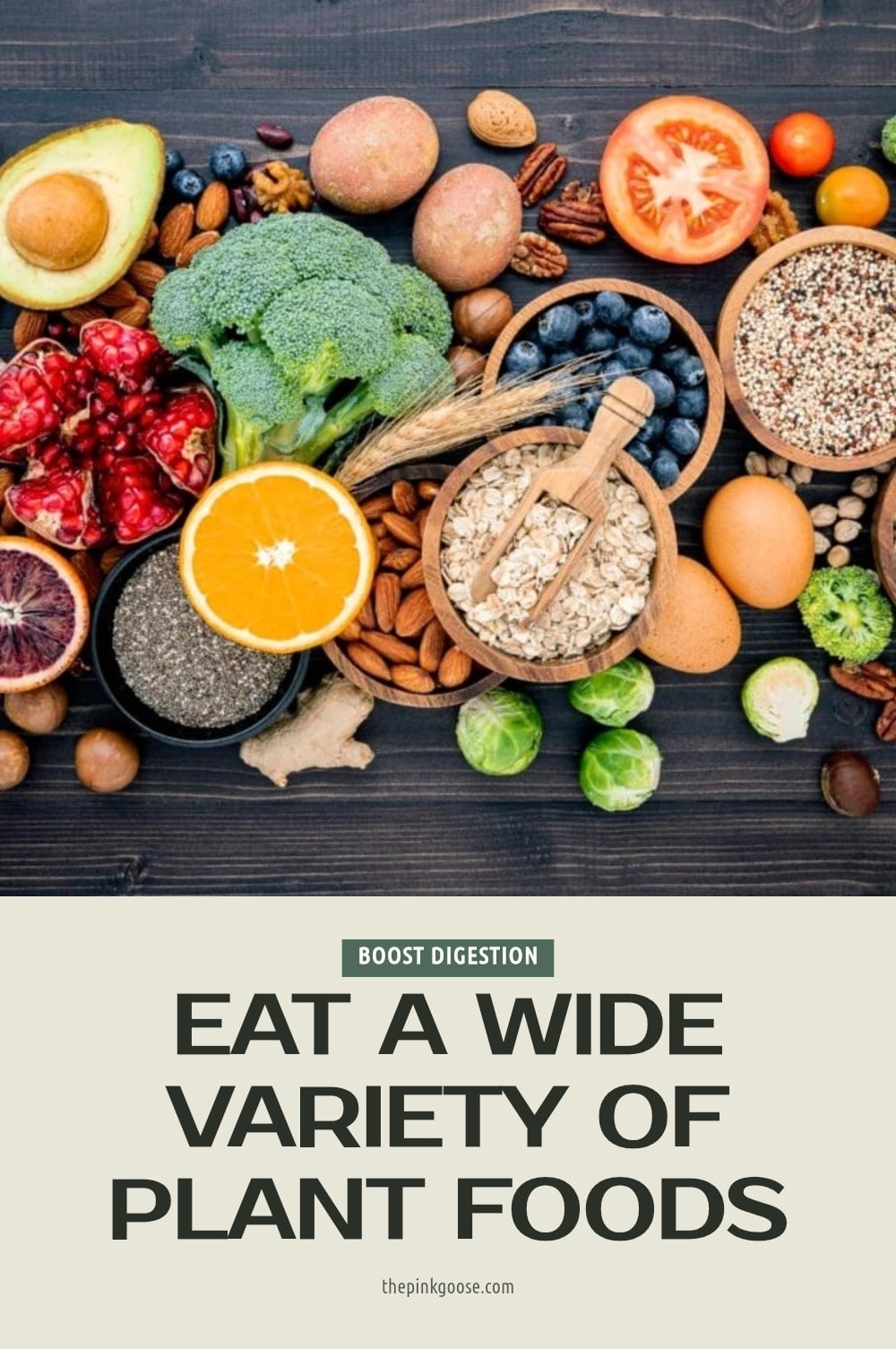
Eat a wide variety of fruits, vegetables, and whole grains. The more plant diversity on your plate, the more diverse your gut microbiome, and diversity is a key marker of good gut health. Different plant fibers feed different beneficial bacteria, so mixing it up creates a more robust ecosystem.
- Rotate your produce: Try a new vegetable or fruit each week.
- Go for color: Include red, orange, green, and purple plants regularly.
- Add whole grains: Swap white rice for quinoa, barley, or farro.
2. Incorporate Fermented Foods Daily

Fermented foods like yogurt, kefir, sauerkraut, and kimchi naturally contain probiotics, which are live beneficial bacteria. Adding them to your routine can help replenish and diversify your gut microbiome.
Start with a small serving, like a spoonful of sauerkraut or half a cup of yogurt, and gradually increase over a week or two. This gives your digestive system time to adjust and reduces the chance of temporary gas or bloating.
3. Prioritize Fiber-Rich Foods

Fiber, especially soluble fiber, is crucial for regular bowel movements and feeding your beneficial gut bacteria. Legumes, oats, apples, and berries are excellent sources of prebiotics, which are non-digestible fibers that act as food for your microbes.
When your gut bacteria ferment this fiber, they produce beneficial compounds that support overall health. Aim to include a source of prebiotic fiber at most meals, and increase your intake gradually to let your system adapt.
4. Stay Well Hydrated

Water does more than quench thirst; it keeps your digestive system running smoothly. Adequate hydration helps your body break down food and absorb nutrients efficiently. It also softens stool and keeps things moving through your digestive tract, which can prevent constipation.
- My tip: Keep a reusable water bottle on your desk or in your bag. Sip regularly throughout the day so you stay hydrated without having to think about it.
5. Manage Your Stress Levels

Your gut and brain are connected through a network of nerves and signals. Chronic stress can alter your gut microbiome and increase gut permeability, sometimes called “leaky gut.” That can lead to digestive discomfort and inflammation.
- Pro move: Incorporate stress-reducing practices like meditation, yoga, or deep breathing into your daily routine. Even a few minutes of mindfulness can calm the gut-brain connection and support a healthier gut.
6. Move Your Body Regularly

Physical activity does more than burn calories; it positively influences gut microbiota diversity and motility. Regular movement helps food move through your digestive tract and encourages the growth of beneficial bacteria.
- Tip: Aim for at least 30 minutes of moderate exercise most days of the week. A brisk walk, a dance session, or a yoga flow all count. Consistent movement supports a healthy digestive system.
7. Prioritize Quality Sleep
Sleep deprivation can disrupt your gut microbiome and contribute to inflammation. Your gut has its own natural rhythms, and poor sleep throws them off balance.
- Good to know: Aim for 7-9 hours of quality sleep each night. A consistent sleep schedule helps regulate your gut’s daily cycles and supports overall well-being, including digestion.
8. Chew Your Food Thoroughly
Chewing is the first step of digestion, and doing it thoroughly makes a real difference. When you chew, you mechanically break down food into smaller pieces, giving digestive enzymes in your stomach and small intestine a much easier job. It also sends signals to your gut to start producing enzymes and acids, optimizing the whole process from the start. My tip: Aim for 20-30 chews per bite, especially for fibrous foods like vegetables or whole grains. Put your fork down between bites to slow the pace.
9. Limit Processed Foods and Sugar
Processed foods and added sugar can throw your gut microbiome out of balance. They often lack the fiber and nutrients your beneficial bacteria need to thrive, while feeding less helpful microbes instead. Over time, this can reduce microbial diversity and contribute to digestive discomfort. Tip: Focus on whole, unprocessed ingredients as much as possible. Swap sugary snacks for fresh fruit or a handful of nuts, and choose whole grains over refined ones. Your gut microbes will thank you.
10. Be Mindful of Antibiotic Use
Antibiotics are sometimes necessary, but they don’t discriminate: they wipe out both harmful and beneficial bacteria in your gut. This can significantly alter your microbiome and leave your digestion temporarily out of balance. Always discuss the necessity of antibiotics with your doctor and follow their guidance exactly. If you do take a course, focus on replenishing afterward. Pro move: Increase your intake of probiotic-rich foods like yogurt and kefir, plus prebiotic fibers from oats and berries, to help restore a healthy microbial community.
11. Listen to Your Body
Your body gives you clues about what it needs and what might be causing discomfort. Pay attention to how different foods, stress levels, and sleep patterns affect your digestion and energy. If a certain meal leaves you bloated or sluggish, that’s useful information. Tip: Keep a simple food and symptom journal for a week or two. Patterns will emerge, and you can adjust your habits based on what works for you. This personalized approach helps fine-tune your gut health journey for lasting results.
When to Consult a Healthcare Professional
If you experience severe or persistent digestive symptoms, it’s time to talk to a healthcare professional. This includes chronic abdominal pain, blood in your stool, or unexplained weight loss. Don’t brush off ongoing bloating, excessive gas, or significant changes in your bowel habits that last more than a few weeks.
Caution: If you have a compromised immune system or a medical condition like diabetes or inflammatory bowel disease, always check with your doctor before starting probiotic supplements or making major dietary changes. Your health history matters, and a professional can guide you safely.
Frequently Asked Questions
How quickly can I improve my gut health?
Many people notice small improvements in digestion and energy within a few weeks of consistent daily habits. More significant and lasting changes to your gut microbiome typically take several months, as your beneficial bacteria need time to repopulate and diversify.
Can stress really affect my gut?
Yes, chronic stress can alter your gut microbiome and increase gut permeability, which may lead to digestive discomfort and inflammation. The gut-brain connection is real, so managing stress through practices like meditation, yoga, or deep breathing can directly support your digestive health.
Are all fermented foods good for gut health?
Most fermented foods like yogurt, kefir, sauerkraut, and kimchi naturally contain probiotics that can support your gut. However, some store-bought versions are pasteurized or contain added sugar, which may reduce their benefits. Look for unpasteurized options with live cultures for the best effect.
Do I need to take probiotic supplements?
Not necessarily. You can get plenty of beneficial bacteria from fermented foods and a fiber-rich diet. If you do consider a supplement, it’s best to address your diet and lifestyle first. People with compromised immune systems or certain medical conditions should consult a doctor before starting probiotics.
What are prebiotics and why are they important?
Prebiotics are non-digestible fiber compounds that feed the beneficial bacteria in your gut. They act as food for your microbes, helping them thrive and multiply. Good sources include oats, apples, berries, and legumes. Without enough prebiotics, even the best probiotics won’t have much to work with.
Final Thoughts
My tip: Start with just one new habit this week, like adding a serving of fermented food or taking a 10-minute walk after dinner. You may notice small improvements in a few weeks, but lasting changes often take a few months of consistent effort. Your gut will thank you for the patience and care.
This article is for general informational purposes only and does not constitute medical advice. Gut health varies from person to person, and what works for one may not work for another. If you have persistent or severe digestive symptoms, please consult a healthcare professional for personalized guidance.
