

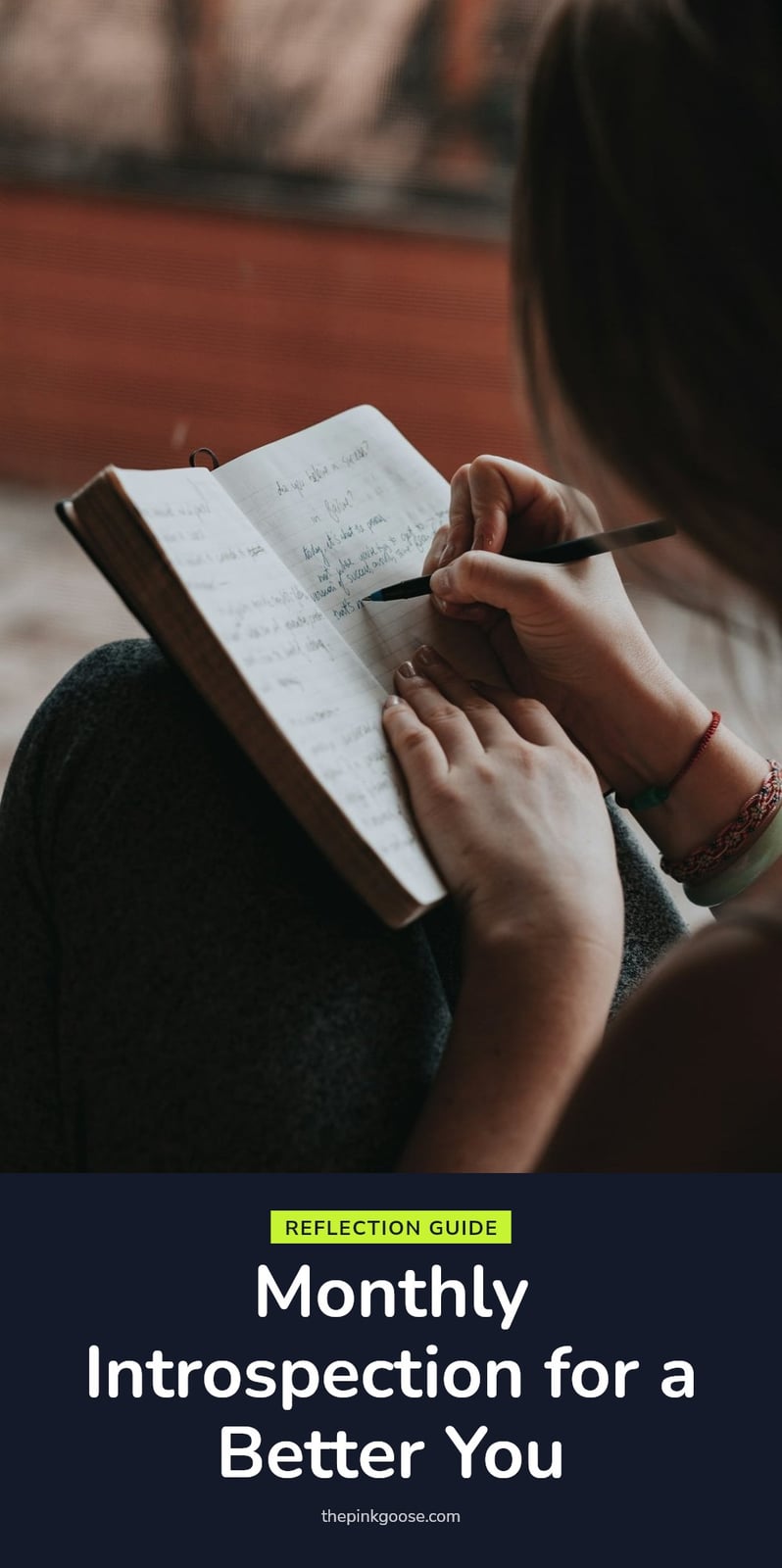
At the end of each month, life can feel like a blur of tasks, appointments, and to-dos. Taking 30 to 60 minutes to pause and ask yourself a few honest questions is a simple way to reconnect with what really matters. Monthly introspection helps you spot patterns in your emotions, celebrate small wins, and adjust your direction before the next month takes off.
This article walks you through the key questions to ask yourself, how to approach them with curiosity instead of judgment, and how to turn your reflections into actionable steps for personal growth.
Key Takeaways
- Schedule 30 to 60 minutes of quiet time at month’s end for reflection.
- Use a journal to record answers and track patterns over time.
- Focus on both successes and challenges, not just failures.
- Turn insights into one small change for the upcoming month.
- Review past notes monthly to see progress and recurring themes.
What is Introspection and Why Practice It Monthly?
Introspection is the process of examining your own thoughts and feelings, like looking inward with a curious and honest eye. Doing it monthly gives you a structured chance to pause, review what happened, and see how you’ve grown. It builds self-awareness, helps you track personal progress, and reveals your motivations and emotional patterns. The goal is not self-criticism but self-understanding. Reflecting on experiences, learning lessons, and aligning your actions with your goals becomes a habit that supports intentional living.
Reflecting on Your Experiences and Achievements
Start by recalling the good stuff from the past month. These questions help you notice moments of joy, success, and gratitude, and remind you to acknowledge your strengths, no matter how small.
- What moment this month made you smile the most?
- Which accomplishment are you proudest of, however small?
- What was one thing you did that felt genuinely enjoyable?
- Who or what brought you the most positive energy?
- What challenge did you handle better than expected?
- What new skill or knowledge did you gain?
- When did you feel most like yourself this month?
- What act of kindness did you give or receive?
- What goal did you make progress on, even slightly?
- What simple pleasure did you notice and appreciate?
- Which strength of yours showed up in a difficult moment?
- What did you do that aligned with your values?
- What memory from this month do you want to keep?
- What did you do for someone else that felt meaningful?
- What habit or routine worked well for you?
- What did you create, fix, or finish that felt satisfying?
- When did you feel grateful for something you usually take for granted?
- What compliment or feedback did you receive that felt good?
- What did you learn about yourself through a positive experience?
- What choice did you make that you feel good about?
- What moment made you feel connected to others?
- What did you do that took courage, even a little?
- What aspect of your life felt most in balance?
- What did you do just for yourself that felt rewarding?
- What small win from this month deserves recognition?
Navigating Challenges and Learning Opportunities
Now look at the rough patches with a growth mindset. These questions help you see challenges as lessons and spot patterns without slipping into self-criticism.
- What difficulty took up most of your energy this month?
- What did that challenge teach you about yourself?
- When did you feel frustrated, and what triggered it?
- What pattern do you notice in how you react to stress?
- What mistake did you make that offered a useful lesson?
- What would you handle differently if you could redo it?
- What did you avoid, and why might that be?
- What fear showed up, and how did you respond to it?
- What area of your life needed more effort than you gave?
- What did you learn from a conversation that felt hard?
- When did you feel out of your depth, and what helped you cope?
- What boundary did you struggle to set or maintain?
- What did a setback reveal about your priorities?
- What emotional trigger appeared more than once?
- What did you do that you wish you had done differently?
- What assumption of yours turned out to be wrong?
- What did you complain about, and what was underneath it?
- What did you learn by asking for help or feedback?
- What habit held you back from making progress?
- What did you resist, and what might resistance be telling you?
- What lesson from a failure can you carry forward?
- When did you react impulsively, and what was the outcome?
- What did you notice about how you handle uncertainty?
- What would you like to improve in your approach next month?
- What strength emerged from a difficult situation?
Understanding Your Emotions and Well-being
Give yourself space to check in on your feelings and well-being. These questions are gentle and non-judgmental, helping you connect emotions to actions and spot where self-care might need attention.
- What emotion did you feel most often this month?
- When did you feel calm, and what contributed to that?
- What situation caused you the most stress, and how did you handle it?
- How well did you meet your own needs for rest and nourishment?
- What physical signs of stress did you notice in your body?
- When did you feel overwhelmed, and what helped you recover?
- What did you do to care for yourself when things felt hard?
- How often did you feel genuinely content, and what created that?
- What emotion did you try to suppress, and why?
- How did your mood change across the month, and what drove it?
- What activity helped you recharge the most?
- When did you feel your energy dip, and what was happening then?
- What did you do to manage your emotions in a healthy way?
- How well did you sleep, and how did that affect your day?
- What did you notice about your inner critic, and how loud was it?
- When did you feel proud of how you handled your feelings?
- What need went unmet, and how could you address it next month?
- What made you feel anxious, and what soothed that anxiety?
- How did you treat yourself after a mistake or setback?
- What did you do that brought you a sense of peace?
- When did you feel emotionally drained, and what drained you?
- What self-care practice did you skip, and what was the result?
- How connected did you feel to your own emotions this month?
- What would help you feel more balanced in the coming month?
- What did you learn about what your mind and body need?
Aligning Actions with Values and Future Goals

Now use what you’ve learned about your month to steer the next one with intention. These questions help you check whether your daily actions match your deeper values and long-term goals, so you can make small shifts that add up.
- What did I do this month that felt aligned with my core values?
- Where did my actions drift away from what matters most to me?
- What one priority did I consistently put first, and was it the right one?
- Which goal from last month did I make real progress on?
- What goal did I avoid, and what might be behind that avoidance?
- How did I spend my time on what I say is important?
- What small habit this month moved me closer to a bigger goal?
- What distraction stole time from something I care about?
- Did I say yes to something that should have been a no?
- Did I say no to something that deserved a yes?
- What decision this month will I thank myself for in a year?
- What choice might I regret if I repeat it next month?
- What does my ideal next month look like in one sentence?
- What is one thing I can start doing tomorrow to live more intentionally?
- What is one thing I can stop doing to free up energy for what matters?
- Which relationship or commitment deserves more of my attention?
- Which one deserves less?
- How did I use my strengths this month, and where can I use them more?
- What boundary do I need to set for the month ahead?
- What fear held me back from acting on something I value?
- What would I attempt next month if I knew I could not fail?
- What would I attempt even if I might fail?
- What does success for next month look like, measured by my own standards?
- What one word do I want to guide my next month?
- What is the smallest step I can take right now toward that word?
Frequently Asked Questions
How long should a monthly introspection session last?
Aim for 30 to 60 minutes at the end of each month. This gives you enough time to think deeply without rushing. If you’re short on time, even 15 focused minutes can work, but try to keep a consistent schedule so the habit sticks.
Is journaling the only way to practice introspection?
No, journaling is a common and effective method, but you can also talk to yourself aloud, record voice memos, or use a digital notes app. The key is to capture your thoughts in a way that feels natural and that you can review later. Find what works for you.
What if I don’t feel like I’m making progress with introspection?
Progress can be subtle. You might notice small shifts in how you respond to triggers or make decisions. If you feel stuck, try changing your questions or reviewing notes from a few months ago to see patterns. It’s normal for growth to take time, so be patient with yourself.
Can introspection help with stress and anxiety?
Many people find that regular reflection helps them understand triggers and reduce overwhelm, but it’s not a cure. If introspection brings up intense negative emotions or worsens anxiety, consider speaking with a mental health professional. It’s a tool for self-awareness, not a substitute for therapy.
How often should I review my past introspection notes?
Reviewing your notes monthly is a good rhythm. At the end of each session, skim the previous month’s answers to spot patterns and track your growth. You can also do a deeper review every few months to see larger trends in your emotional patterns and goal progress.
Final Thoughts
My tip: pick one question from each section that resonates most, and answer only those if a full list feels overwhelming. Consistency matters more than quantity. After a few months, you’ll likely notice recurring themes and shifts in how you respond to stress or opportunity.
Expect gradual change, not instant transformation. The benefits of introspection build over time, so give yourself permission to start small. End each session with a single intention for the next month, then close your journal and move forward with clarity.
This article is for general informational purposes and is not a substitute for professional advice. If introspection consistently triggers overwhelming sadness, anxiety, or other serious concerns, please reach out to a qualified mental health provider. Always prioritize your well-being and seek support when needed.
