

We all have those days when the smallest thing sets us off, and suddenly we’re snapping at our partner or feeling annoyed at everything. Irritability is a common emotional state that can stem from stress, lack of sleep, or hormonal shifts, but it doesn’t have to run your day. In this article, I’ll share practical strategies to help you manage irritability, from prioritizing sleep to identifying your personal triggers, so you can find a calmer, more balanced mood.

Key Takeaways
- Aim for 7-9 hours of quality sleep each night to support emotional regulation.
- Incorporate at least 30 minutes of moderate physical activity most days.
- Practice deep breathing or meditation to calm your nervous system in moments of irritability.
- Maintain a balanced diet and stay hydrated to keep your blood sugar stable.
- Identify your personal triggers and step away from overwhelming situations when needed.
How to Manage Irritability for a Calmer You
Irritability often comes from stress, sleep deprivation, or hormonal shifts. Managing it takes a holistic approach: prioritize sleep, healthy eating, stress reduction, and knowing your triggers. Consistent self-care and addressing underlying causes are key to finding your calm. Start small, be patient with yourself, and you can bring more balance to your days.
1. Prioritize Quality Sleep

Aim for 7-9 hours of quality sleep each night. Sleep deprivation is a major contributor to increased irritability because it disrupts the brain’s ability to regulate emotions. When you’re tired, even small annoyances can feel overwhelming.
My tip: Establish a consistent sleep schedule, even on weekends, to regulate your body’s natural rhythm. Going to bed and waking up at the same time helps your internal clock stay steady, making it easier to fall asleep and wake up refreshed.
2. Embrace Regular Physical Activity

Regular exercise helps reduce stress hormones and boosts mood-enhancing endorphins. Aim for at least 30 minutes of moderate activity most days. It doesn’t have to be intense; a brisk walk or yoga session can make a big difference.
Moving your body lowers cortisol levels and releases feel-good chemicals that directly counteract irritability. Consistency matters more than intensity, so choose something you enjoy and can stick with.
3. Practice Stress-Reduction Techniques

Techniques like deep breathing, meditation, or mindfulness can enhance emotional regulation. Even a few minutes of focused breathing can calm your nervous system, reducing the fight-or-flight response that fuels irritability.
My tip: Try a guided meditation app for beginners, or simply focus on your breath for five minutes when you feel overwhelmed. Inhale for four counts, hold for four, exhale for four. This quick reset can prevent a mood from spiraling.
4. Nourish Your Body with a Balanced Diet

What you eat directly affects your mood. A diet rich in whole foods, fruits, and vegetables helps keep your blood sugar steady, which in turn supports a more stable mood. High sugar intake and processed foods can cause blood sugar spikes and crashes, making irritability worse.
Focus on meals that combine protein, healthy fats, and complex carbs. Think oatmeal with nuts and berries for breakfast or a quinoa salad with grilled chicken for lunch. Limiting sugary snacks and drinks can prevent those energy dips that often trigger frustration.
5. Stay Adequately Hydrated

Dehydration is a common but overlooked cause of irritability and fatigue. Even mild fluid loss can affect your concentration and mood, making you feel more on edge. Drinking enough water throughout the day supports your body’s basic functions and helps regulate your emotions.
My tip: Keep a reusable water bottle on your desk or in your bag as a visual cue. Aim to refill it a couple of times during the day. If plain water feels boring, add a slice of lemon or cucumber for flavor.
6. Identify and Address Your Triggers
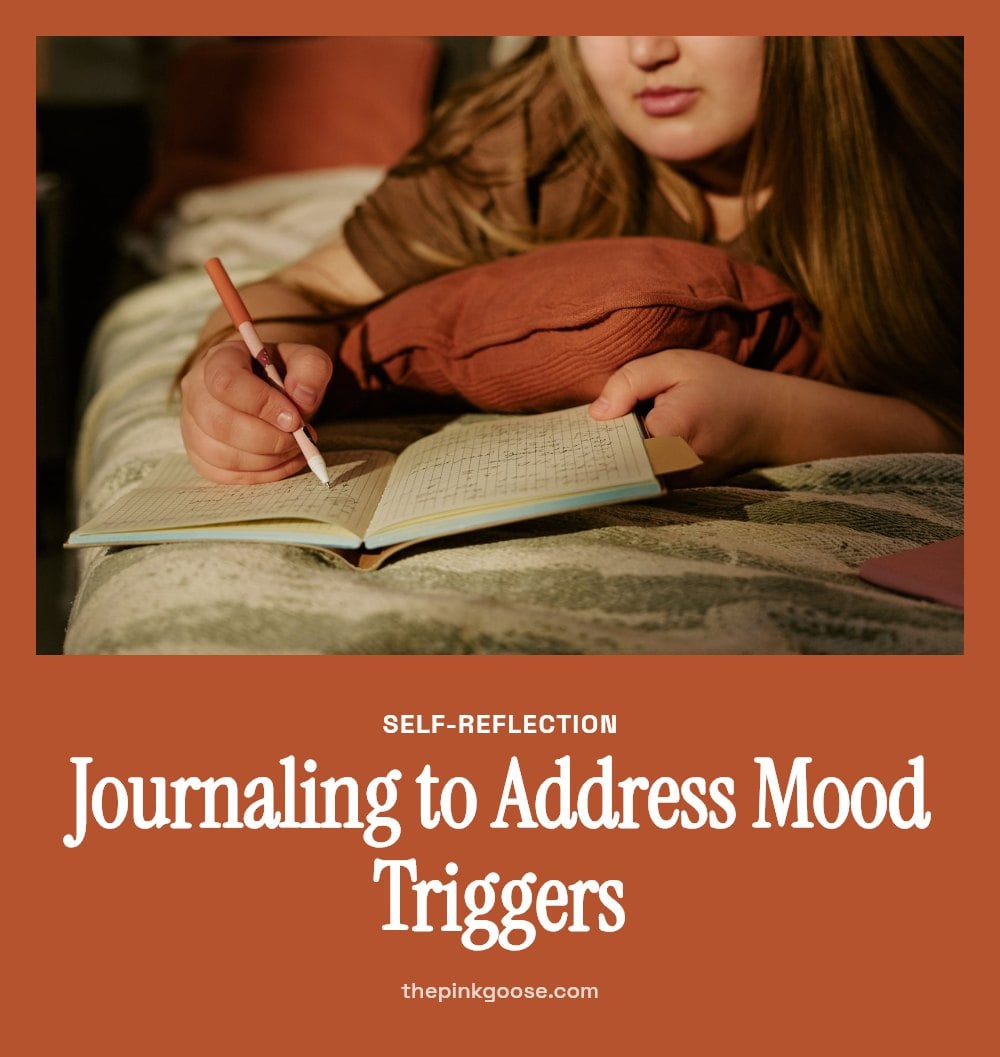
Understanding what sets off your irritability is the first step to managing it. Common triggers include stress, lack of sleep, certain people, or feeling overwhelmed by too many demands. Once you know your triggers, you can take steps to avoid or prepare for them.
My tip: Keep a simple journal for a week. Each time you feel irritable, jot down the time, what happened, and how you felt. Patterns will emerge, like always feeling short-tempered after a late night or during a particular meeting. This awareness lets you plan ahead, such as scheduling a short break after a known trigger.
7. Communicate Your Feelings Assertively
Bottling up irritation often makes it worse. Instead, find a calm, clear way to express what you need. Using “I” statements, like “I feel overwhelmed when there’s too much noise,” can prevent the other person from getting defensive and keeps the focus on solving the issue.
I’ve found that stating my needs directly, even when I’m feeling prickly, helps diffuse tension before it escalates. For example, saying “I need five minutes to finish this email, then I can help you” is more effective than snapping. Practicing this kind of assertive communication takes effort, but it reduces the buildup of resentment and frustration over time.
8. Take Short Breaks and Step Away
When you feel the tension building, give yourself permission to leave the room. A short break resets your mood because it interrupts the stress response before it snowballs. Step away from the demanding situation, whether that is a heated conversation, a cluttered inbox, or a loud kitchen, and give yourself space to calm down.
Even a five-minute walk around the block or a moment of quiet in another room can prevent a full mood shift. You are not solving the problem in those five minutes; you are lowering the volume so you can return to it with a steadier head.
- Try this: Name the feeling out loud before you step away, then set a timer for five minutes.
- Good to know: A glass of water and slow breathing during the break can help more than scrolling your phone.
9. Connect with Nature
Time outdoors has been linked to reduced stress and improved mood, and it does not require a hike. Even a short walk in a park can offer a sense of calm and perspective, partly because the change of scenery pulls your attention away from whatever was winding you up.
Fresh air and daylight also give your body a gentle reset, which many people find helps them think more clearly about what actually needs a response and what can wait.
Tip: Make it a habit to get some fresh air daily, even if it is just stepping into your backyard for a few minutes. Pair it with something you already do, like your morning coffee, so it becomes automatic rather than another task on your list.
10. Address Hormonal Fluctuations
Hormonal changes during PMS, perimenopause, or pregnancy can significantly impact mood, and that is not a personal failing. Understanding these cycles can help you anticipate and prepare for periods of increased irritability, so you can plan lighter schedules or extra downtime around the days you know are harder.
Track your mood alongside your cycle for a couple of months if you notice a pattern. That record gives you something concrete to bring to an appointment.
- Talk to your doctor: Discussing these changes with a healthcare professional can help explore management options and rule out other causes.
- Caution: Do not assume every mood shift is hormonal; persistent irritability deserves a proper conversation with a professional.
11. Seek Social Connection
Lack of social connection can heighten feelings of irritability and loneliness, and the two often feed each other. When you are already on edge, it is tempting to withdraw, but spending time with supportive friends or family can provide emotional support and reduce stress.
The connection does not need to be big. A phone call while you fold laundry or a walk with a friend counts, and low-pressure plans are easier to keep when your patience is thin.
Good to know: Reach out to a friend for a chat or plan a low-key activity together, like coffee at home or a short walk. Tell them plainly that you are feeling prickly and could use company, which takes the pressure off you to perform a good mood.
When to Talk to a Professional About Irritability
If your irritability feels severe, lasts for weeks, or comes with sadness, hopelessness, or major changes in appetite or sleep, it may be a sign of an underlying condition like depression or anxiety. In that case, talking to a healthcare professional is a wise step.
Caution: If irritability leads to aggressive behavior or thoughts of harming yourself or others, seek immediate professional help. This is not something to handle alone.
Before starting a new diet or exercise routine, check with your doctor if you have any underlying health conditions. And if irritability is straining your relationships, couples or family counseling can provide tools to improve communication and reduce tension.
Frequently Asked Questions
How do I know if my irritability is serious?
If your irritability is severe, lasts for weeks, or comes with symptoms like sadness, hopelessness, or major changes in appetite or sleep, it may be a sign of an underlying condition like depression or anxiety. In that case, talking to a healthcare professional is a wise step. If it leads to aggressive behavior or thoughts of harming yourself or others, seek immediate help.
Can diet really affect my mood and irritability?
Yes, what you eat directly affects your mood. A diet high in sugar and processed foods can cause blood sugar spikes and crashes, which can worsen irritability. Eating a balanced diet rich in whole foods, fruits, and vegetables helps keep your blood sugar steady and supports a more stable mood.
What are quick ways to calm down when I feel irritable?
When you feel the tension building, try deep breathing exercises to calm your nervous system. You can also step away from the situation for a short break, take a brisk walk, or focus on your breath for a few minutes. These actions interrupt the stress response before it snowballs.
Is it normal to feel irritable during hormonal changes?
Yes, hormonal fluctuations during PMS, perimenopause, or pregnancy can significantly impact mood, and that is not a personal failing. Understanding these cycles can help you anticipate and prepare for periods of increased irritability, so you can plan lighter schedules or extra downtime around those days.
How long does it take for lifestyle changes to reduce irritability?
Consistency in lifestyle changes often leads to noticeable improvements in mood and reduced irritability within a few weeks to a few months. The key is to stick with one or two strategies, like improving sleep or adding regular exercise, and be patient with yourself as your body adjusts.
Final Thoughts
The key is to start small and be patient with yourself. Pick one strategy, like improving your sleep or taking short breaks, and stick with it for a few weeks. Consistency in these lifestyle changes often leads to noticeable improvements in mood within a few weeks to a few months. Remember, managing irritability is not about being perfect, but about finding what works for you and making it a regular part of your routine.
This article is for general informational purposes only and does not constitute medical or professional advice. If you are experiencing persistent, severe irritability or other concerning symptoms, please consult a healthcare professional or mental health provider for personalized guidance.
