

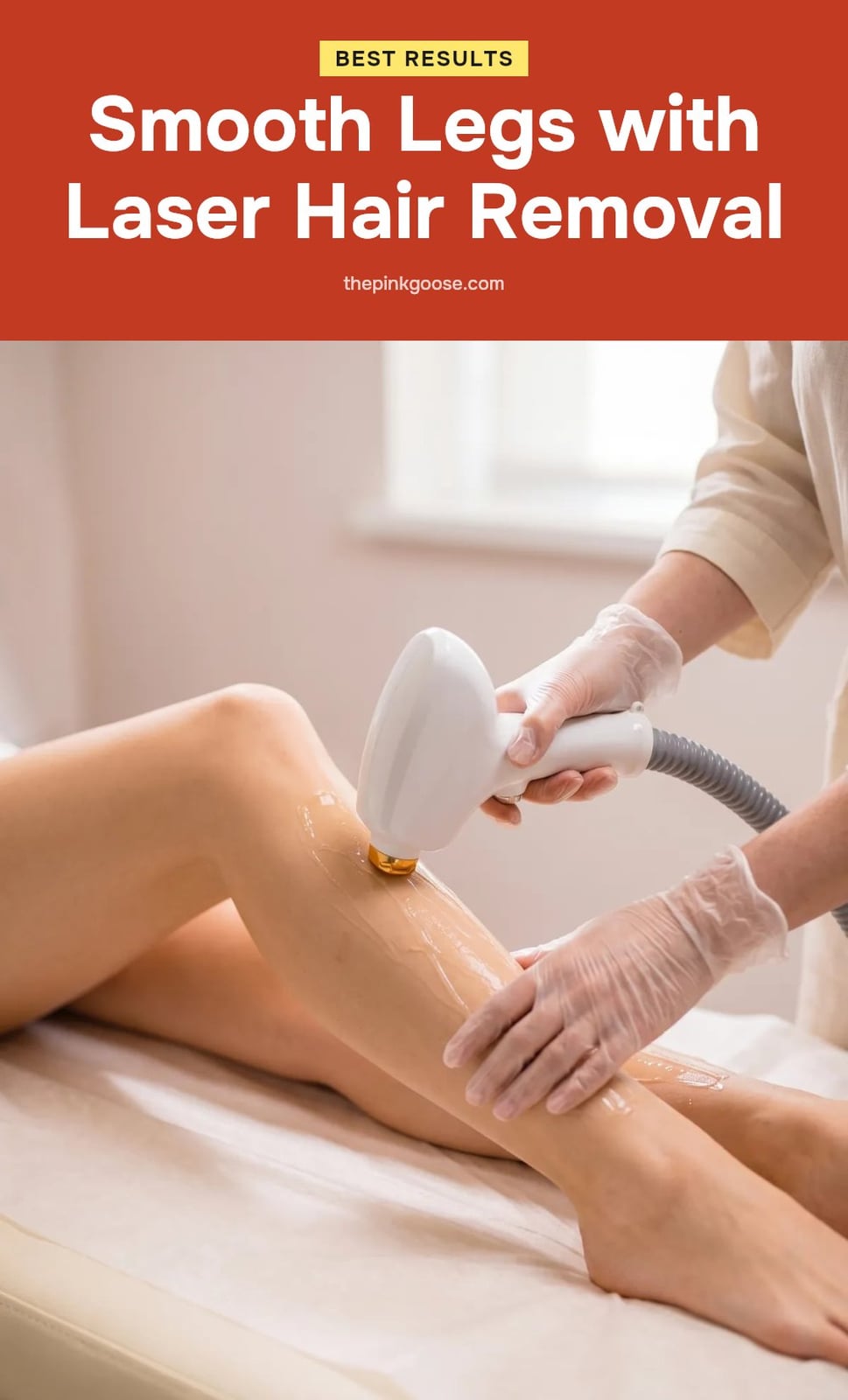
Getting smooth, hair-free skin with laser hair removal is a process, and how you prep and care for your skin makes all the difference. The biggest thing is to avoid sun exposure and stop waxing or plucking for weeks before your session, then focus on soothing and protecting your skin afterward. This article covers exactly what to do before and after your appointment to get the best results and keep side effects minimal.
Key Takeaways
- Avoid sun exposure, tanning beds, and self-tanners for at least 2-4 weeks before treatment.
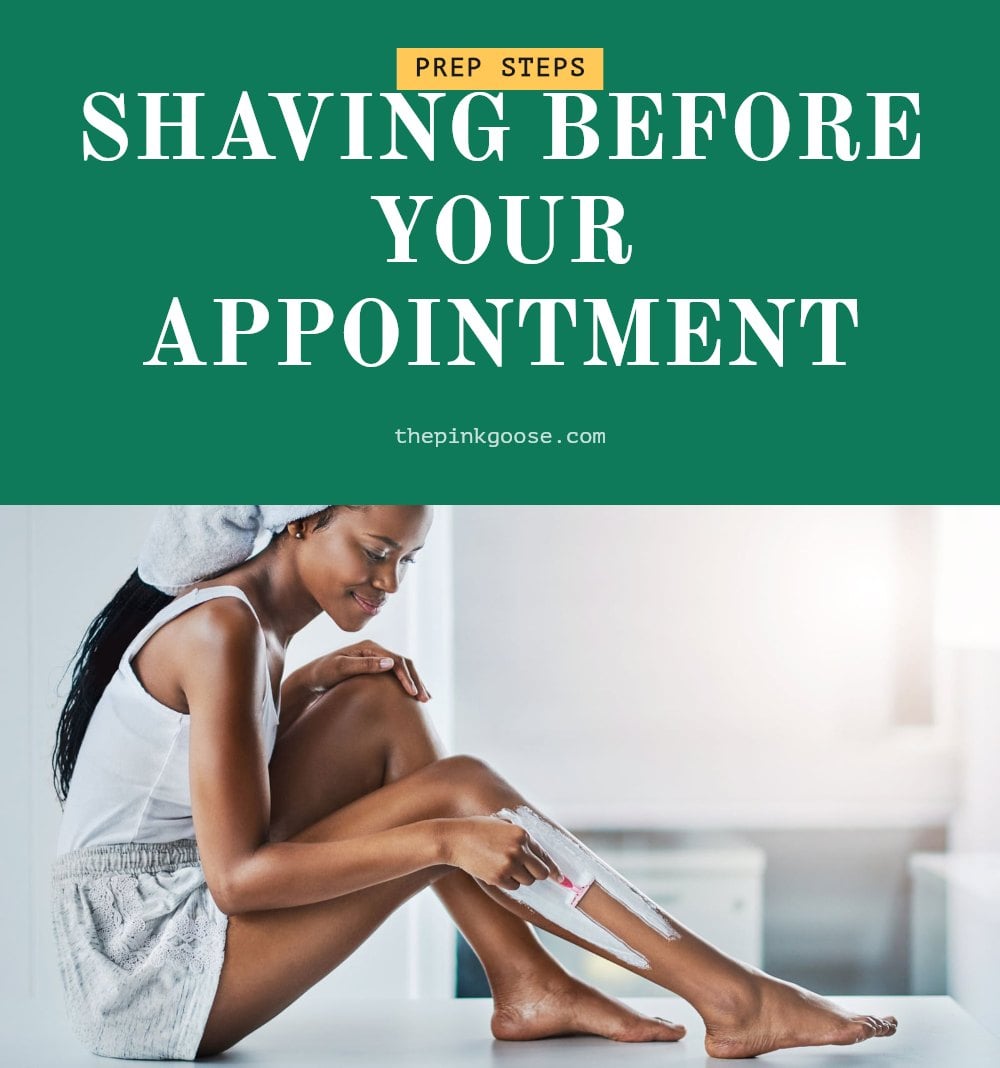
- Shave the treatment area 12-24 hours before your appointment; do not wax or pluck.
- After treatment, use cool compresses or aloe vera and avoid hot showers for 24-48 hours.
- Apply broad-spectrum sunscreen with SPF 30+ daily to treated areas after each session.
- Expect hair shedding 1-3 weeks after a session; multiple sessions are needed for lasting results.
Your Essential Guide to Laser Hair Removal Preparation and Aftercare
Proper preparation and aftercare are the foundation of effective laser hair removal. The key is to avoid sun exposure and certain hair removal methods before treatment, then focus on soothing your skin and protecting it from the sun afterward. These steps help minimize side effects and improve your results.
Essential Tools for Your Laser Hair Removal Journey
Having the right tools on hand makes the process smoother. Here is what you will need:
- Sharp razor: For shaving the treatment area 12-24 hours before your appointment.
- Broad-spectrum sunscreen (SPF 30+): Essential for daily protection after treatment.
- Aloe vera gel: To soothe post-treatment skin.
- Cool compresses: For any discomfort or swelling.
- Gentle, fragrance-free cleanser and moisturizer: To keep the treated area clean and hydrated.
Preparing Your Skin for Laser Hair Removal
- Avoid sun exposure: Stay out of direct sun, tanning beds, and self-tanners for at least 2-4 weeks before treatment. This reduces the risk of burns and hyperpigmentation.
- Stop waxing and plucking: Do not wax, pluck, or use depilatory creams for 4-6 weeks prior. The laser targets the hair follicle, so it needs to be intact.
- Shave the area: Shave the treatment area 12-24 hours before your appointment. This leaves the follicle in place while removing hair above the skin.
- Discuss medications: Tell your technician about all medications and skin conditions. Some drugs, like certain antibiotics, can increase photosensitivity.
- Skip harsh products: Avoid harsh exfoliants, retinoids, or strong chemical peels for a week before treatment to prevent irritation.
Post-Treatment Care: What to Do After Laser Hair Removal

After your session, mild redness, swelling, and a sunburn-like sensation are normal and usually subside within a few hours to a couple of days. Here is how to care for your skin:
- Apply cool compresses or aloe vera gel: These help soothe any discomfort.
- Avoid heat: Skip hot showers, saunas, and strenuous exercise for 24-48 hours.
- Protect from the sun: Use broad-spectrum sunscreen with SPF 30+ daily on treated areas.
- Keep it clean and dry: Cleanse gently with a mild, fragrance-free cleanser.
- Exfoliate gently: A few days after treatment, gentle exfoliation can help with hair shedding.
- Do not pick: Avoid picking or scratching any scabs or crusting that may form.
Common Laser Hair Removal Mistakes to Avoid

Skipping Sun Protection: Sun exposure before or after treatment raises the risk of burns and hyperpigmentation. Stick to the 2-4 week rule before and daily SPF 30+ after.
Improper Hair Removal: Waxing or plucking removes the hair follicle, which is the laser’s target. Shaving is the only method that leaves the follicle intact.
Incomplete Disclosure: Not telling your technician about medications or skin conditions can lead to adverse reactions. Be upfront about everything, including antibiotics or a history of cold sores.
Neglecting Aftercare: Skipping steps like cooling compresses or sunscreen can cause irritation or reduce effectiveness. Follow the post-care routine closely.
Unrealistic Expectations: One session will not give permanent results. The laser targets hair in the active growth phase, so multiple sessions are needed for long-term reduction.
Poor Shaving: If you don’t shave thoroughly 12-24 hours before, the laser cannot reach the follicle effectively. Use a sharp razor for a clean shave.
Understanding Your Laser Hair Removal Timeline and Expectations
Hair Shedding: Treated hair usually sheds 1-3 weeks after a session. This is a sign the treatment is working.
Multiple Sessions: Several sessions are required because the laser is most effective on hair in its active growth phase, and not all hairs are in that phase at once.
Session Spacing: Appointments are typically spaced 4-6 weeks apart to catch hair in different growth cycles.
Results: The goal is long-term hair reduction, not always complete permanent removal. Many people see a significant decrease in hair growth.
Cost: Pricing varies widely based on the area treated, location, and number of sessions. Packages are often available for multiple treatments.
When to Contact Your Laser Hair Removal Practitioner
Severe Pain or Blistering: Contact your practitioner if you experience intense pain, blistering, or excessive redness that does not subside.
Signs of Infection: Watch for increasing redness, warmth, pus, or fever. These require immediate medical attention.
Unexpected Reactions: Any unusual or concerning skin changes should be reported to your technician.
Medication Changes: Always inform your technician about new medications, especially those that increase photosensitivity, before your next appointment.
Frequently Asked Questions
How many laser hair removal sessions will I need?
Most people need a series of sessions, typically 6 to 8, spaced 4-6 weeks apart. The exact number depends on your hair color, skin type, and the area being treated. Because hair grows in cycles and the laser only works on hair in the active growth phase, multiple treatments are necessary to catch all the follicles.
Can I get laser hair removal if I have sensitive skin?
Yes, many people with sensitive skin get laser hair removal successfully. However, you should inform your technician about your skin type and any conditions like eczema or rosacea. They may adjust the laser settings or recommend a patch test first. Always follow the aftercare instructions carefully to minimize irritation.
What if I forget to shave before my appointment?
If you forget to shave, contact your clinic as soon as possible. Some technicians can shave the area for you, but it is best to do it yourself 12-24 hours beforehand. Arriving unshaved may mean the treatment is less effective or more uncomfortable, and you might need to reschedule.
When can I see the results of laser hair removal?
You will likely notice hair shedding from the treated follicles about 1-3 weeks after your first session. This is a sign the treatment is working. Visible reduction in hair growth becomes more apparent after a few sessions, with the best results seen after completing the full recommended series.
Is laser hair removal painful?
Most people describe the sensation as a quick snap of a rubber band against the skin. Pain tolerance varies, and some areas are more sensitive than others. Your technician may apply a numbing cream if needed. The discomfort usually subsides within minutes after the session ends.
Final Thoughts
My tip: stick to the sun avoidance and shaving rules before each session, and keep a fragrance-free moisturizer and SPF 30+ sunscreen handy for aftercare. Realistically, you will need multiple treatments spaced 4-6 weeks apart to see significant reduction, and hair shedding usually happens a few weeks after each session. Follow these steps consistently, and you will set yourself up for the smoothest possible outcome.
This article is for informational purposes only and does not constitute medical advice. Laser hair removal results and risks vary by individual. Always consult a licensed professional or dermatologist for a personalized assessment and before starting any treatment, especially if you have a skin condition or are taking medication.
