

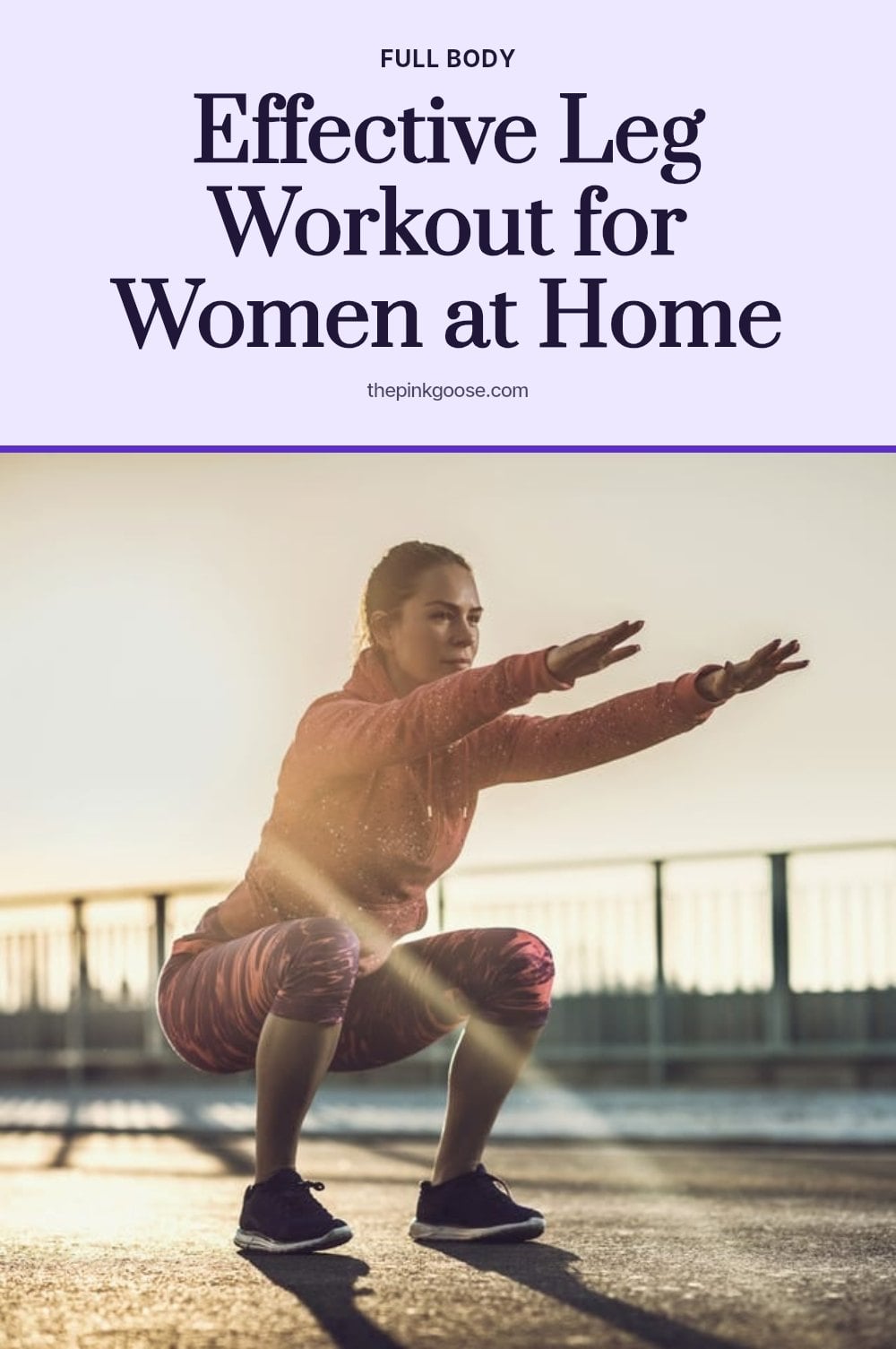
You want stronger, more toned legs but don’t have a gym membership or fancy equipment. You can absolutely get an effective leg workout at home using just your bodyweight. This article covers the best exercises for your quads, hamstrings, glutes, and calves, along with a sample weekly schedule and tips to stay safe and see results.
Key Takeaways
- Aim for 2-3 leg workouts per week with at least one rest day between sessions.
- Include a 5-10 minute warm-up and cool-down in every workout.
- Focus on controlled movements and proper form over speed or high reps.
- Progress by increasing repetitions, sets, or adding resistance bands.
- Listen to your body and stop if you feel sharp pain, not just muscle fatigue.
1. Dynamic Warm-Up: Leg Swings
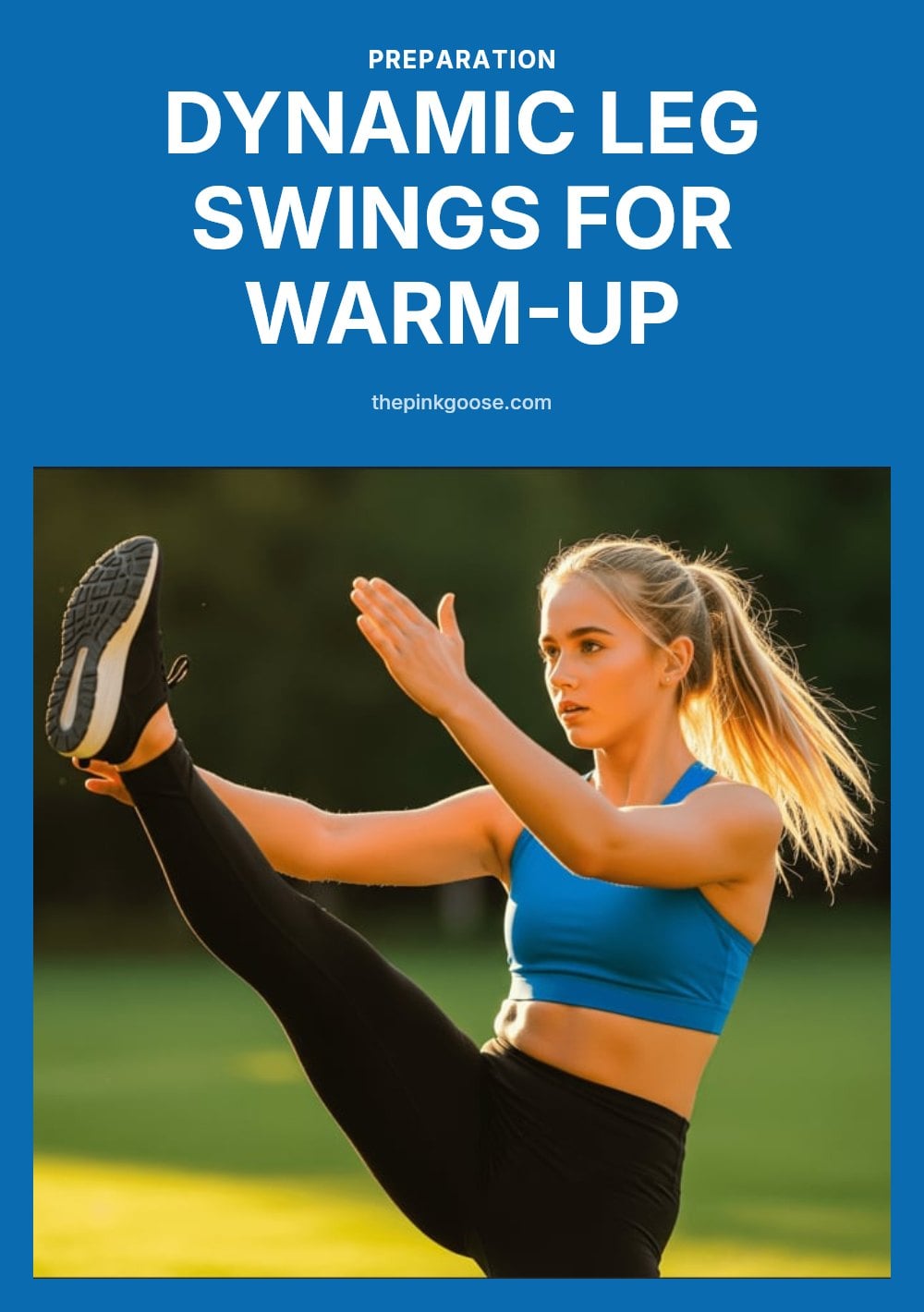
Stand tall next to a wall or sturdy chair and place one hand on it for balance. Swing your outside leg forward and backward in a controlled motion, letting the height increase naturally as you warm up. Keep your torso upright and avoid leaning to compensate for the movement.
- Sets and reps: 10-15 swings per leg.
- Form cue: Keep the swinging leg relaxed and the standing leg slightly soft in the knee.
- Make it easier or harder: Reduce range of motion for less intensity, or add a light ankle weight for more.
2. Bodyweight Squats
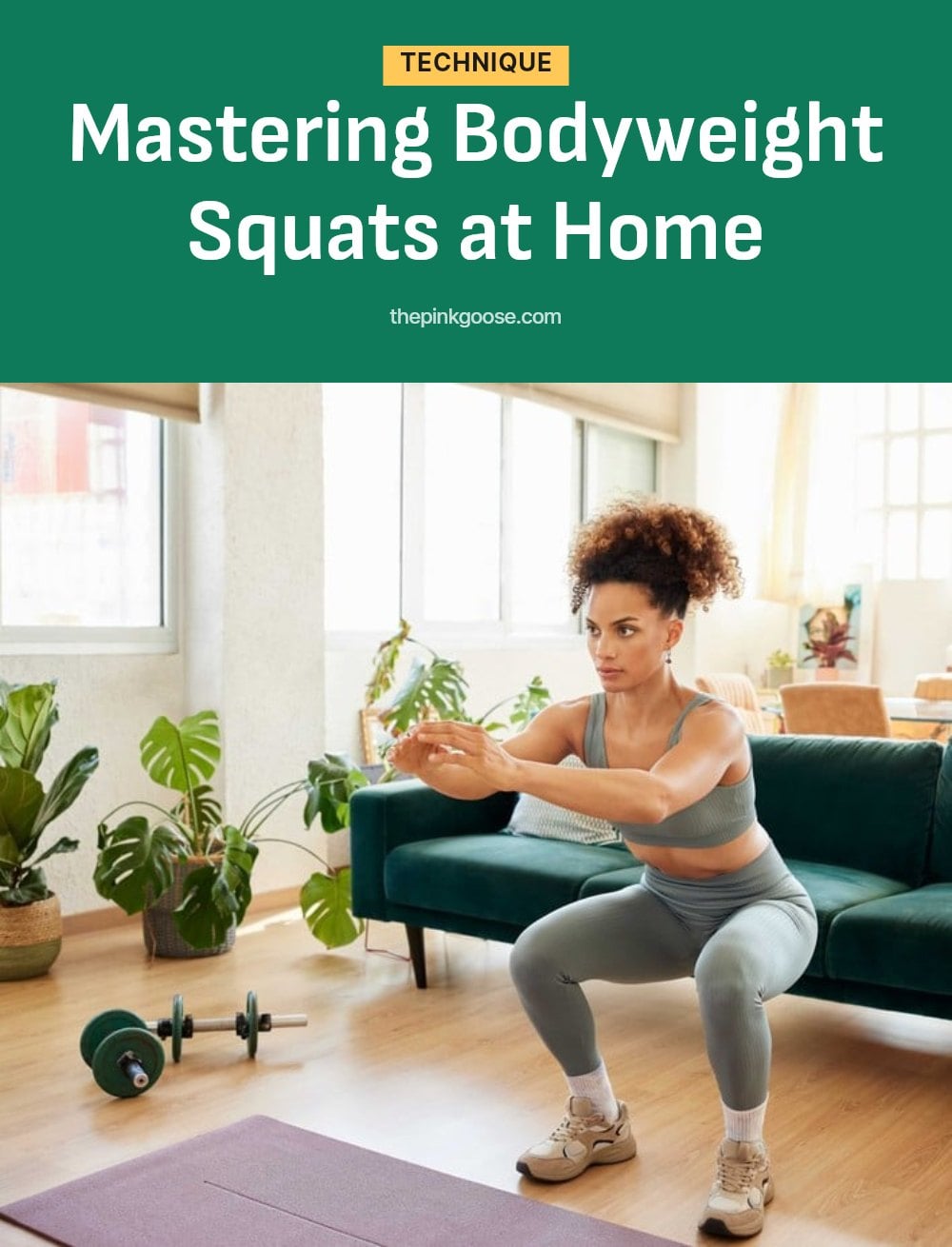
Stand with your feet shoulder-width apart and your toes turned slightly outward. Lower your hips back and down as if sitting into a chair, keeping your chest lifted and your core braced. Go until your thighs are parallel to the floor, then press through your heels to stand back up.
- Sets and reps: 3 sets of 10-15 repetitions.
- Form cue: Keep your knees tracking over your toes and push them slightly outward to avoid caving inward.
- Make it easier or harder: Reduce depth for less challenge, or hold a water bottle or resistance band for added resistance.
3. Reverse Lunges
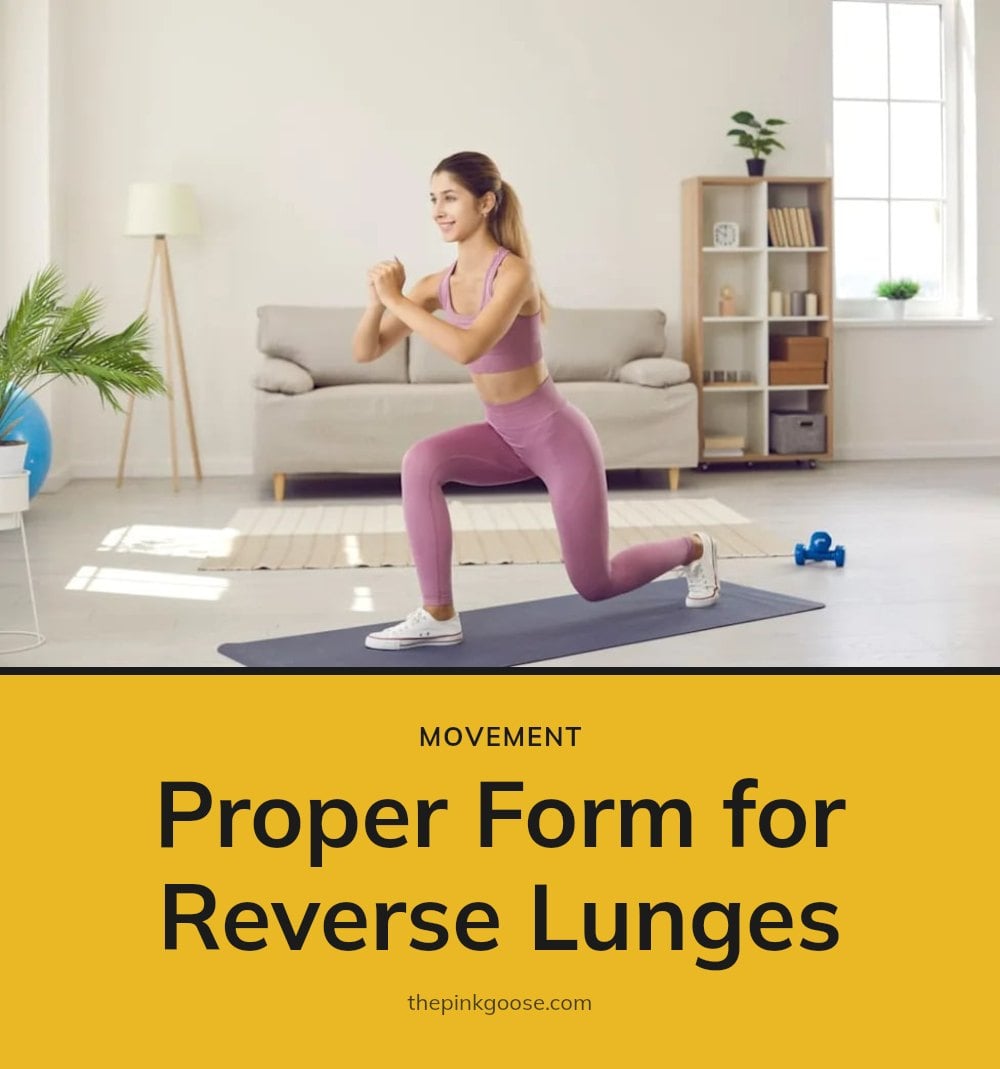
Stand tall, then step one foot straight back, lowering your hips until both knees form a 90-degree angle. Your front knee should stay directly above your ankle, and your back knee should hover just above the floor. Push off your back foot to return to the starting position, keeping your core engaged throughout.
- Sets and reps: 3 sets of 8-12 repetitions per leg.
- Form cue: Keep your front heel grounded and your torso upright, not leaning forward.
- Make it easier or harder: Take a shorter step back for easier balance, or add a hop at the return for a plyometric challenge.
4. Glute Bridges
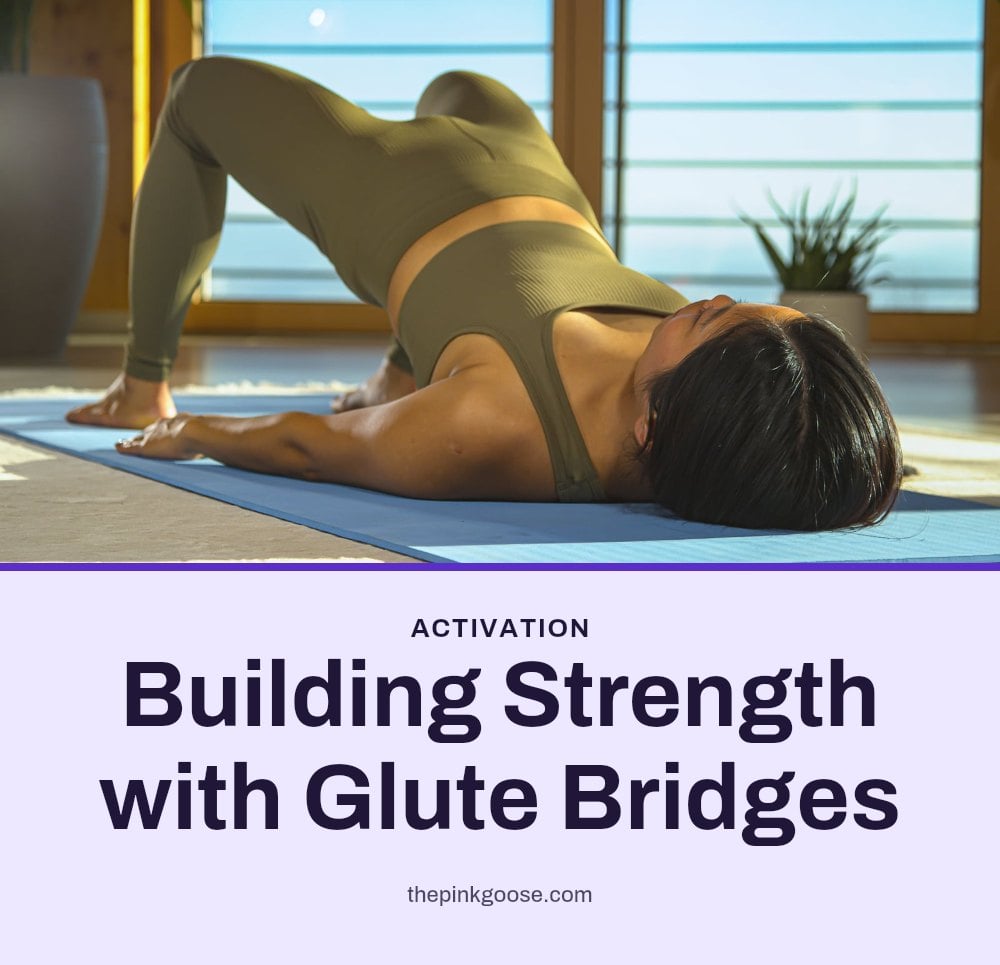
Lie on your back with your knees bent, feet flat on the floor hip-width apart, and your arms resting by your sides. Squeeze your glutes and lift your hips until your body forms a straight line from your shoulders to your knees. Hold the top position for one second, then lower your hips back down slowly.
- Sets and reps: 3 sets of 12-15 repetitions.
- Form cue: Drive your heels into the floor and squeeze your glutes at the top, avoiding over-arching your lower back.
- Make it easier or harder: Perform the move with feet closer to your glutes for less range, or place a resistance band above your knees for added difficulty.
5. Calf Raises
Stand tall with your feet hip-width apart. You can hold onto a wall or sturdy chair for balance if needed. Slowly raise up onto the balls of your feet, lifting your heels as high as you can. Hold for a second at the top, then slowly lower your heels back down through the full range of motion.
- Sets and reps: 3 sets of 15-20 repetitions.
- Form cue: Move slowly and control the descent to maximize calf engagement.
- Make it easier or harder: Perform on flat ground to start, then try on a step for a deeper stretch. Add a resistance band around your forefeet for more challenge.
6. Curtsy Lunges
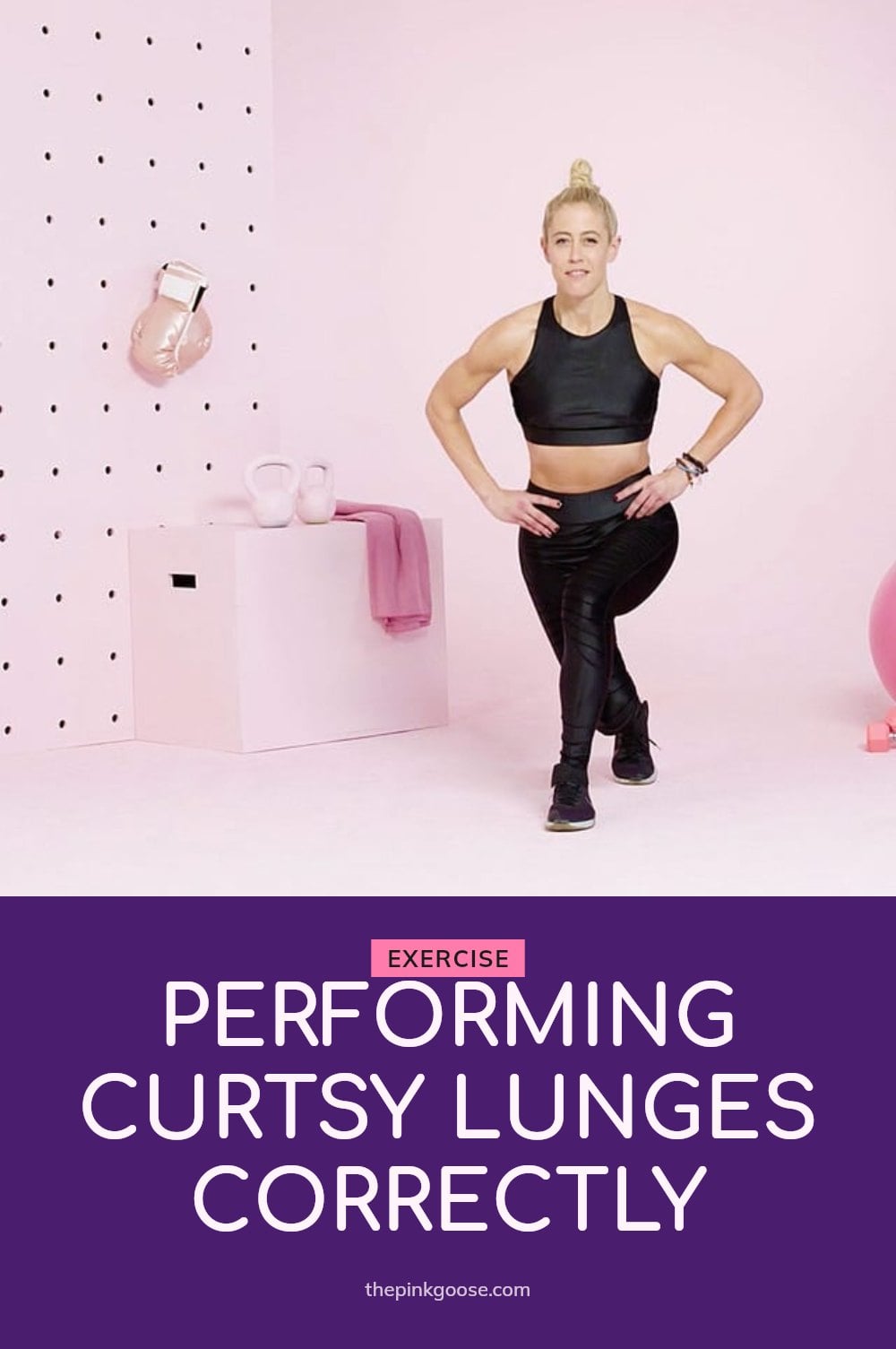
Start standing, then step one leg behind and across the other, as if doing a curtsy. Lower your hips until both knees are bent, keeping your front knee aligned with your ankle. Push off your back foot to return to the starting position.
- Sets and reps: 3 sets of 8-12 repetitions per leg.
- Form cue: Keep your torso upright and your core tight to maintain balance.
- Make it easier or harder: Hold onto a wall for support. For more intensity, add a resistance band just above your knees.
7. Wall Sits

Lean your back against a sturdy wall, then slide down until your knees are bent at a 90-degree angle, as if sitting in an invisible chair. Keep your thighs parallel to the floor and your back flat against the wall. Hold this position for 30-60 seconds, or as long as you can maintain good form.
- Sets and reps: 3 sets.
- Form cue: Keep your core tight and your weight in your heels to maintain the 90-degree angle.
- Make it easier or harder: Hold for shorter intervals (e.g., 20 seconds) and gradually increase. To challenge yourself, hold a weight against your chest or extend one leg out.
8. Cool-Down: Hamstring Stretch
Sit on the floor with one leg extended straight out and the other bent, with the sole of your foot against your inner thigh. Gently lean forward from your hips, reaching toward your extended foot until you feel a stretch in your hamstring. Hold for 20-30 seconds, then switch legs.
- Sets and reps: Repeat 2-3 times per leg.
- Form cue: Keep your back straight and hinge at the hips, not the waist. Avoid bouncing.
- Make it easier or harder: Use a towel or strap around your foot if you can’t reach it. For a deeper stretch, flex your foot.
Your Weekly At-Home Leg Workout Schedule
To see real progress, aim for 2-3 leg workouts per week. Your muscles need time to repair and grow stronger, so schedule at least one rest day between sessions. Here is a simple weekly plan to keep you consistent.
| Day | Activity | Notes |
|---|---|---|
| Monday | Leg workout (exercises 1-8) | Focus on form |
| Tuesday | Rest | Muscle recovery |
| Wednesday | Leg workout (exercises 1-8) | Increase reps if ready |
| Thursday | Rest | Stretch and hydrate |
| Friday | Leg workout (exercises 1-8) | Add resistance bands |
| Saturday | Rest or light activity | Active recovery |
| Sunday | Rest | Prepare for next week |
Stick with this schedule for 4-8 weeks to see improvements in strength and tone. Consistency matters more than intensity.
Common Mistakes to Avoid in Your Leg Workout
Even the best leg workout can fall flat if you make these common mistakes. Avoid them to stay safe and get stronger.
- Skipping the Warm-Up and Cool-Down: Always dedicate 5-10 minutes to dynamic warm-ups before and static stretches after your workout to prepare your muscles and aid recovery.
- Compromising Form for Speed: Focus on controlled, deliberate movements. Rushing through exercises increases injury risk and reduces effectiveness. My tip: Slow and steady wins the race for muscle engagement.
- Not Engaging Your Core: A strong core provides stability for all leg exercises. Remember to brace your core throughout to protect your lower back and enhance overall strength.
- Allowing Knees to Cave Inward: During squats and lunges, actively push your knees slightly outward to keep them aligned with your toes. This protects your knee joints.
- Ignoring Pain: Some muscle soreness (DOMS) is normal, but sharp or sudden pain is a sign to stop immediately. Listen to your body and consult a professional if pain persists.
Frequently Asked Questions
Can I build muscle in my legs with just bodyweight exercises?
Yes, bodyweight exercises like squats, lunges, and glute bridges can effectively build muscle and strength in your legs. As you get stronger, you can increase the challenge by doing more repetitions, adding sets, or using resistance bands to keep making progress.
How long does it take to see results from leg workouts at home?
With consistent effort 2-3 times per week, many people notice visible improvements in strength and muscle tone within 4 to 8 weeks. Results depend on factors like your starting point, intensity, and nutrition, so be patient and keep at it.
What should I eat after a leg workout to help recovery?
Support muscle recovery by eating a meal or snack that includes both protein and carbohydrates within a couple of hours after your workout. Good options include a protein shake with fruit, Greek yogurt with berries, or a chicken and vegetable wrap. Staying hydrated is also important.
How do I know if I’m doing the exercises with proper form?
Focus on controlled, slow movements and check your alignment in a mirror if possible. Common form cues include keeping your knees tracking over your toes during squats and lunges, engaging your core to protect your lower back, and not rounding your spine. If you feel sharp pain, stop and adjust.
Final Thoughts
Stick with this routine 2-3 times a week, and you can expect to see improvements in strength and muscle tone within 4 to 8 weeks of consistent effort. Remember to prioritize proper form over speed and to give your muscles time to recover between workouts. The key is consistency, so find a schedule that works for you and keep moving.
This article is for general informational purposes only and does not constitute medical or professional advice. Consult a healthcare professional before starting any new exercise program, especially if you have pre-existing health conditions or injuries. Stop immediately if you experience sharp pain, dizziness, or shortness of breath.
