

Losing 10 pounds doesn’t have to mean drastic diets or giving up your favorite foods. The real secret is building small, sustainable habits that create a gentle calorie deficit without feeling like a chore. This article breaks down a realistic, step-by-step approach to help you shed those pounds steadily and keep them off for good.
We’ll cover everything from setting the right calorie deficit to the surprising role of sleep and stress, plus common pitfalls to avoid. My tip: think of this as a lifestyle upgrade, not a temporary fix.

Key Takeaways
- Aim for a calorie deficit of 500 to 750 calories per day for safe loss of 1 to 2 pounds per week.
- Expect to lose 10 pounds in about 5 to 10 weeks by staying consistent.
- Prioritize 7 to 9 hours of sleep per night to support appetite-regulating hormones.
- Combine 150 minutes of moderate aerobic activity per week with strength training twice weekly.
- Focus on whole foods like vegetables, lean proteins, and whole grains for lasting fullness.
How to Lose 10 Pounds Safely and Sustainably
Losing 10 pounds safely starts with a consistent calorie deficit of 500 to 750 calories per day. That deficit supports a healthy rate of 1 to 2 pounds per week, so you can expect to reach your goal in about 5 to 10 weeks. Focus on balanced nutrition, regular exercise, and lifestyle changes like improving sleep and managing stress. These habits create lasting results without extreme measures.
Essential Tools for Your Weight Loss Journey
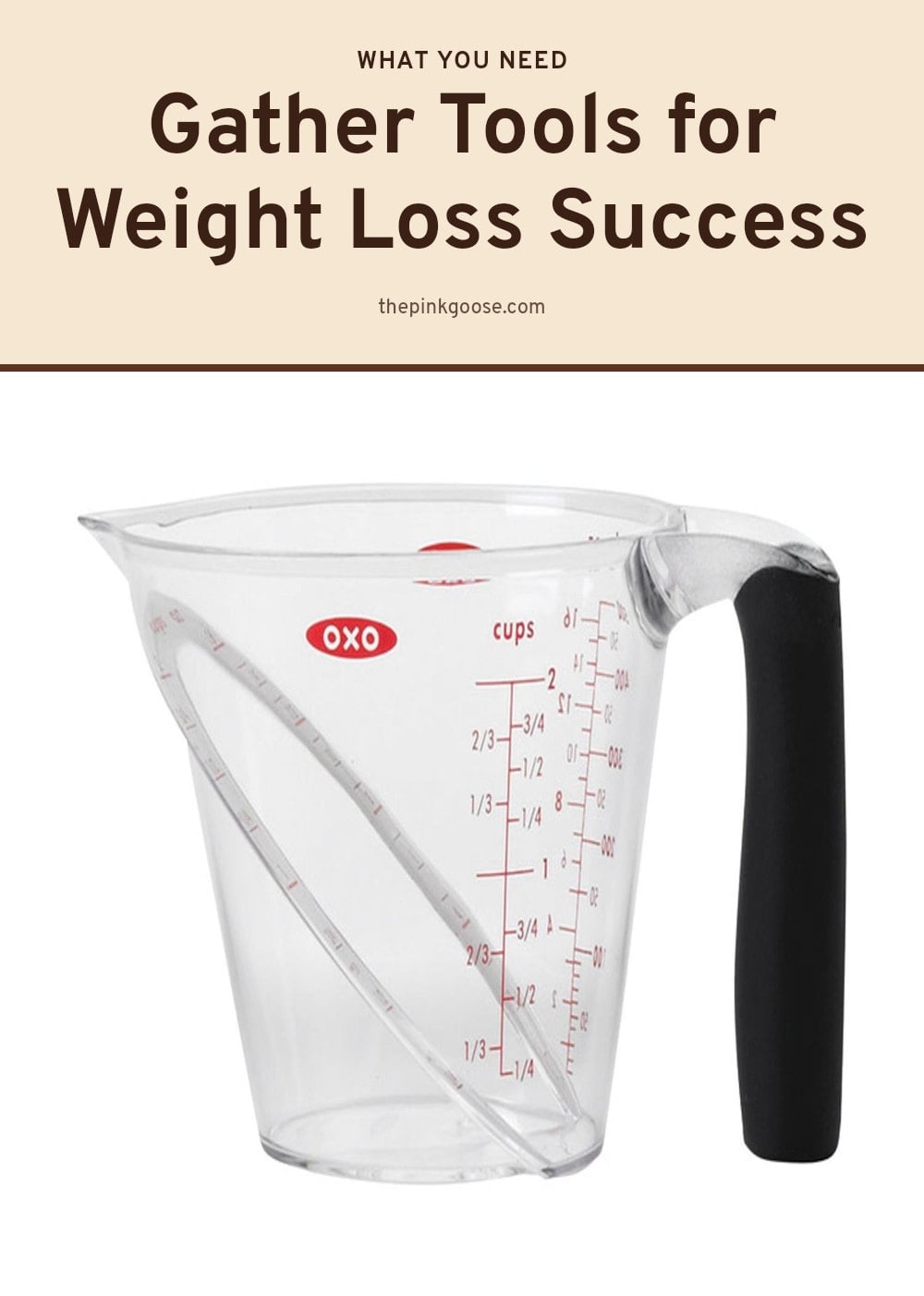
Having the right tools makes building healthy habits easier. Here is what I keep on hand:
- Food scale: Helps with accurate portion control, especially for calorie-dense foods.
- Measuring cups and spoons: Essential for portioning ingredients like oil, grains, and dressings.
- Water bottle: Keeps you hydrated throughout the day and reminds you to sip regularly.
- Comfortable athletic shoes: Necessary for any exercise routine, from walking to strength training.
- Resistance bands or weights: Support strength training to build and maintain muscle.
- Fitness tracker: Monitors activity levels and helps you stay accountable.
- Journal or food tracking app: Logs your intake and progress so you can spot patterns.
Step-by-Step: Building Habits to Lose 10 Pounds

Building habits that last means taking one step at a time. Here is the approach I use:
- Create a calorie deficit: Reduce your daily intake by 500 to 750 calories. This is enough to lose 1 to 1.5 pounds per week without feeling deprived.
- Choose whole foods: Prioritize fruits, vegetables, lean proteins, and whole grains. These foods are nutrient-dense and naturally lower in calories.
- Increase protein: Protein boosts satiety and helps preserve muscle mass during weight loss. Aim for a serving at each meal.
- Add fiber: Fiber-rich foods like beans, oats, and leafy greens promote fullness and support digestive health.
- Move more: Aim for at least 150 minutes of moderate-intensity aerobic activity or 75 minutes of vigorous activity per week. Walking, cycling, or swimming all count.
- Strength train twice a week: Lifting weights or using resistance bands builds muscle, which can boost your metabolism.
- Hydrate before meals: Drinking water before eating may help you consume fewer calories. Keep a water bottle handy all day.
- Eat mindfully: Slow down, savor each bite, and pay attention to your hunger and fullness cues. This helps with portion control naturally.
The Crucial Role of Sleep and Stress Management

Sleep and stress management are not optional when you are trying to lose weight. They directly affect the hormones that control appetite and metabolism.
Why sleep matters
Aim for 7 to 9 hours per night. Lack of sleep disrupts ghrelin and leptin, the hormones that regulate hunger. When these are out of balance, you feel hungrier and crave high-calorie foods more often.
How stress plays a role
Chronic stress raises cortisol levels. Elevated cortisol can lead to increased fat storage, especially around the abdomen. It also makes it harder to stick to healthy habits.
What you can do
- Establish a consistent sleep schedule, even on weekends.
- Wind down without screens 30 minutes before bed.
- Incorporate stress-reducing practices like meditation, yoga, or deep breathing.
- Take short breaks during the day to reset.
Common Mistakes to Avoid When Losing Weight
Expecting to drop 10 pounds in a week sets you up for disappointment. Sustainable loss is 1 to 2 pounds per week, no faster. Underestimating calorie intake is another trap. Those coffee creamers, salad dressings, and handfuls of nuts add up fast. I track everything for the first few days just to see where the hidden calories live.
On the flip side, do not overestimate what you burn during exercise. A 30-minute walk might burn 100 to 150 calories, but one granola bar can cancel that out. Diet matters more for creating a deficit. Relying solely on exercise without adjusting food intake rarely works.
Ignoring sleep and stress is a common mistake. Poor sleep disrupts hunger hormones, and chronic stress raises cortisol, which encourages fat storage. Cutting too many calories is equally harmful. Extreme restriction can slow your metabolism and lead to nutrient deficiencies. Aim for a moderate deficit of 500 to 750 calories per day instead.
Best Tips for Staying on Track

Planning your meals ahead of time is my top tip. I spend an hour on Sunday prepping chopped veggies, cooked grains, and portioned snacks. It makes grabbing a healthy option easier than ordering takeout. Tracking your progress with an app or journal helps you see patterns. I log my food and exercise daily, and it keeps me honest.
Staying hydrated matters more than you think. Sometimes thirst feels exactly like hunger. I keep a water bottle on my desk and sip throughout the day. Focus on small, consistent changes rather than a complete overhaul. Swapping soda for water or adding a 15-minute walk after dinner is enough to start.
Seek support from friends, family, or a professional. Having someone to check in with keeps you accountable. Be patient with yourself. Weight loss is not linear. Some weeks the scale drops, other weeks it stalls. Celebrate small victories like fitting into an old pair of jeans or finishing a workout you dreaded.
Realistic Timeline for Losing 10 Pounds
Losing 10 pounds takes 5 to 10 weeks when you aim for 1 to 2 pounds per week. Results show up gradually, so consistency matters more than perfection. The cost is minimal beyond your regular grocery budget. You may want to invest in comfortable athletic shoes or a basic gym membership, but that is optional. Many effective workouts require no equipment at all.
When to Consult a Professional
Consult a healthcare professional or registered dietitian before making significant diet or exercise changes, especially if you have underlying health conditions. Seek medical advice if you experience persistent fatigue, dizziness, or other concerning symptoms. If emotional eating or body image issues are part of your journey, a therapist or counselor can provide the support you need.
Frequently Asked Questions
How long does it take to lose 10 pounds safely?
At a safe rate of 1 to 2 pounds per week, you can expect to lose 10 pounds in about 5 to 10 weeks. This timeline allows your body to adjust gradually and reduces the risk of regaining the weight quickly.
Can I lose 10 pounds without exercising?
Yes, you can lose weight through diet alone by creating a calorie deficit, but exercise offers important benefits. Physical activity helps preserve muscle mass, boosts your metabolism, and supports long-term weight maintenance. For best results, aim for both.
What are the best foods to eat to lose 10 pounds?
Focus on whole, unprocessed foods like vegetables, fruits, lean proteins (chicken, fish, tofu), whole grains (quinoa, oats), and healthy fats (avocado, nuts). These foods are nutrient-dense and high in fiber, which helps you feel full on fewer calories.
How important is sleep for weight loss?
Sleep is very important. Aiming for 7 to 9 hours per night helps regulate hormones like ghrelin and leptin that control appetite and metabolism. Poor sleep can increase cravings and make it harder to stick to healthy choices.
Will I regain weight after losing 10 pounds?
Weight regain is common if you return to old habits after reaching your goal. To keep the weight off, continue the sustainable habits you built during your loss phase, such as balanced eating, regular activity, and adequate sleep. Consistency is key.
Is it normal for weight loss to fluctuate?
Yes, daily weight fluctuations are completely normal due to changes in water retention, digestion, and hormonal cycles. Instead of focusing on day-to-day numbers, look at the overall trend over several weeks. A weekly weigh-in at the same time of day can give you a clearer picture.
Final Thoughts
For a realistic goal, aim to lose 1 to 2 pounds per week, which means you’ll reach 10 pounds in about 5 to 10 weeks. Expect your weight to fluctuate day to day, especially with water retention or hormonal shifts, so focus on the overall trend rather than a single number on the scale. My final tip: pick one habit from this list and stick with it for a week before adding another. Small steps really do add up.
This article is for general informational purposes only and does not constitute medical or professional advice. Always consult a healthcare professional or registered dietitian before making significant changes to your diet or exercise routine, especially if you have underlying health conditions. If you experience persistent symptoms, seek medical attention.