

If you are tired of tracking every bite and just want a more natural way to shed pounds, you are not alone. Ditching the calorie counter does not mean giving up on your goals, it means shifting your focus to habits that actually stick. This article covers the key sustainable habits that help you lose weight without the numbers, from mindful eating to better sleep and stress management.

Key Takeaways
- Fill half your plate with vegetables and lean protein at each meal.
- Drink water throughout the day to avoid mistaking thirst for hunger.
- Get 7 to 9 hours of sleep each night to support appetite-regulating hormones.
- Move your body daily with a mix of cardio and strength training.
- Cook at home more often to control ingredients and portion sizes.
Losing Weight Without Counting Calories
Losing weight without counting calories is about building sustainable healthy habits, not strict dietary restrictions. Instead of obsessing over numbers, you focus on mindful eating, choosing nutrient-dense foods, increasing physical activity, and addressing lifestyle factors like sleep and stress. This balanced approach naturally leads to a healthy weight over time, rather than a quick fix. It’s a lifestyle shift that you can actually maintain.
1. Prioritize Whole, Unprocessed Foods

Fill your plate with whole, unprocessed foods like fruits, vegetables, lean proteins, and whole grains. These foods are naturally nutrient-dense and tend to be lower in calories than their processed counterparts, so you eat fewer calories without feeling deprived.
- My tip: Make half your plate non-starchy vegetables at every meal to add volume and nutrients with minimal calories.
- Swap refined grains for whole grains like quinoa or brown rice.
- Choose fresh or frozen produce over canned or packaged options.
2. Increase Protein and Fiber Intake

Protein and fiber are your best friends for satiety. Increasing protein intake can boost fullness and help preserve muscle mass during weight loss. Fiber-rich foods also contribute to feelings of fullness and support digestive health.
- Aim to include a lean protein source (chicken, fish, beans, lentils) and fiber (vegetables, fruits, whole grains) in every meal.
- Start your day with Greek yogurt or eggs, and add beans to salads or soups.
- Snack on raw veggies with hummus or an apple with nut butter.
3. Practice Mindful Eating Habits
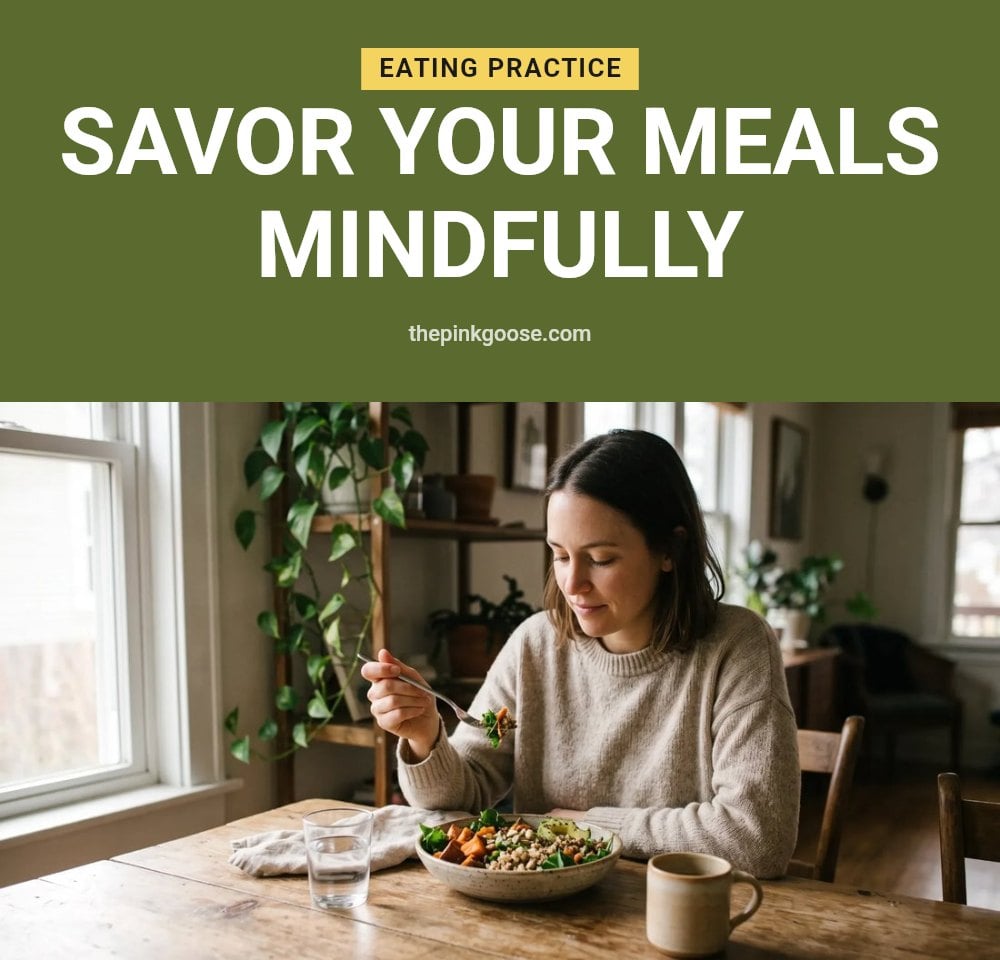
Slow down and savor your food. Pay attention to your body’s hunger and fullness cues. Eating slowly allows your brain to register satiety, preventing overeating.
- Avoid distractions like TV or your phone during meals.
- My tip: Try putting your fork down between bites to consciously slow your pace.
- Chew thoroughly and notice the flavors and textures.
- Check in with yourself halfway through the meal to see how full you feel.
4. Stay Well-Hydrated with Water

Stay hydrated throughout the day. Thirst often masquerades as hunger, so a glass of water can save you from unnecessary snacking. Adequate water intake also supports your metabolism and overall bodily functions.
- Keep a water bottle handy and sip regularly. Aim for several glasses spread across the day.
- Tip: Drink a glass of water before each meal. It helps you feel fuller, so you naturally eat less.
5. Move Your Body Regularly

Regular movement burns calories and builds muscle, which keeps your metabolism humming. You don’t need a gym membership, find activities you actually enjoy.
- Mix cardio and strength: Walk, dance, or swim for cardiovascular health, and add bodyweight exercises like squats or push-ups for muscle.
- Aim for at least 30 minutes most days. Even two 15-minute walks count.
6. Prioritize Quality Sleep
Sleep is a cornerstone of weight management. When you get 7-9 hours of quality sleep, your body regulates hormones like ghrelin and leptin, which control appetite and metabolism.
- Sleep-deprived? You’re more likely to crave sugary, high-calorie foods and feel too tired to move.
- Make sleep non-negotiable: Set a consistent bedtime, dim lights an hour before, and keep your bedroom cool and dark.
7. Manage Stress Effectively
Stress triggers cortisol release and can lead to emotional eating, which derails weight loss. Managing stress is just as important as what’s on your plate.
- Try meditation, deep breathing, or simply spending time outdoors. Hobbies like gardening or reading also help.
- Good to know: A short walk can clear your mind and reduce stress, bonus points for adding to your daily activity without feeling like a chore.
8. Limit Sugary Drinks and Processed Snacks

Sugary drinks and processed snacks are often called empty calories because they pack a lot of calories with very few nutrients and little to no satiety. Cutting back on these items naturally reduces your overall calorie intake without you having to count a thing. Swap sodas and sweetened teas for water or unsweetened tea, and reach for whole fruits or a handful of nuts instead of chips or cookies. Your body will thank you.
9. Cook More Meals at Home
Cooking at home puts you in charge of what goes into your food, from the ingredients to the cooking method and portion size. Restaurant meals often hide extra sugar, salt, and unhealthy fats that you can easily avoid when you prepare your own plate. Start with simple recipes like a stir-fry or sheet-pan dinner, and cook just a few more meals each week. Small steps add up fast.
10. Eat Regular, Balanced Meals
Eating regular, balanced meals helps keep your blood sugar steady and prevents the extreme hunger that often leads to overeating or grabbing whatever is convenient. Skipping meals usually backfires. Aim for three meals a day that each include protein, fiber, and healthy fats. If you are truly hungry between meals, a small healthy snack is fine, but let your body’s cues guide you.
11. Listen to Your Body’s Signals
Your body sends you signals about hunger, fullness, and what it needs. Learning to tune into these cues is key to eating intuitively and avoiding both under- and overeating. Before you eat, ask yourself if you are truly hungry. During the meal, pause to check if you are satisfied rather than stuffed. It takes practice, but it is incredibly empowering to trust your own body.
When to Consult a Professional
If you have underlying health conditions, it’s wise to talk with a healthcare professional or registered dietitian before making significant changes to your diet or exercise routine. They can help you tailor a plan that’s safe and effective for your specific needs.
If you suspect you may have disordered eating patterns or find yourself overly fixated on food or body image, please seek professional help. A therapist or dietitian specializing in eating disorders can provide the support you need.
If you’re not seeing results despite consistent effort, a professional can help identify potential roadblocks, such as hormonal imbalances or nutrient deficiencies, and offer personalized guidance to move forward.
Frequently Asked Questions
How quickly can I expect to lose weight without counting calories?
Weight loss without calorie counting is gradual and focuses on long-term habit change. Most people start seeing noticeable results within a few weeks to a couple of months, depending on how consistently they apply the habits. Sustainable loss is typically 1 to 2 pounds per week.
Can I still eat out while trying to lose weight without counting calories?
Yes, you can eat out, but it helps to be mindful. Look for grilled or steamed options, ask for dressings on the side, and stop eating when you feel full. Restaurant meals often have extra calories, so focusing on vegetables and lean protein can keep you on track.
What if I don’t like to cook?
You don’t have to become a chef. Start with simple no-cook meals like salads with pre-cooked chicken or canned beans, and use frozen vegetables that just need heating. Even assembling a few healthy ingredients at home gives you more control than eating out.
How do I know if I’m eating enough protein?
A good rule of thumb is to include a palm-sized portion of lean protein at each meal. If you feel satisfied for 3 to 4 hours after eating and are not constantly craving snacks, you are likely getting enough. If you are unsure, a registered dietitian can help.
Is it possible to lose weight without exercising?
You can lose weight through diet changes alone, but exercise helps burn extra calories, preserves muscle, and boosts metabolism. For best results and overall health, aim for a combination of a nutrient-dense diet and regular physical activity.
Final Thoughts
My recommendation is to start with just one or two habits, like drinking more water or adding a vegetable to every meal, and build from there. Realistic expectation: noticeable changes usually take a few weeks to a couple of months, and the key is consistency, not perfection. Remember, this is about creating a lifestyle you can enjoy for the long haul.
This information is for general informational purposes only and does not constitute medical or professional advice. Always consult a healthcare provider or registered dietitian before making significant changes to your diet or exercise routine, especially if you have underlying health conditions.