

Standing in the skincare aisle, you’ve probably wondered whether to grab a lotion, a body cream, or a body butter. The right choice comes down to your skin type and the level of hydration you need. This article breaks down the key differences in water-to-oil ratios, consistency, and best uses for each, so you can pick the perfect moisturizer for your skin.
Key Takeaways
- Lotion (70-80% water) is best for normal to slightly dry skin and daily use.
- Body cream (50-70% water) offers richer hydration for dry to very dry skin.
- Body butter (as low as 20% water) is ideal for extremely dry, rough patches like elbows and feet.
- Apply any moisturizer to slightly damp skin after showering to lock in hydration.
- Adjust your moisturizer choice seasonally: lighter lotions in humid climates, richer butters in dry cold.
The Quick Answer: Picking Your Perfect Moisturizer
If your skin is normal to slightly dry and you want a daily moisturizer that won’t feel heavy, choose a lotion. For dry skin that needs more intensive hydration, a body cream is your best bet. When you have very dry, rough areas like elbows, knees, or feet, reach for a body butter. It’s the densest and most nourishing option.
Lotion, Cream, and Body Butter: A Quick Comparison
Here is a quick comparison to help you decide.
| Product Type | Consistency | Water/Oil Ratio | Best For | Key Ingredients |
|---|---|---|---|---|
| Lotion | Light, thin | 70-80% water | Normal to slightly dry skin, daily use | Humectants like glycerin or hyaluronic acid |
| Body Cream | Thick, rich | 50-70% water | Dry to very dry skin, colder climates | Emollients and occlusives (e.g., ceramides) |
| Body Butter | Dense, solid | As low as 20% water | Very dry, rough areas (elbows, knees, feet) | Shea butter, cocoa butter, coconut oil |
Lotion: Your Everyday Hydration Hero
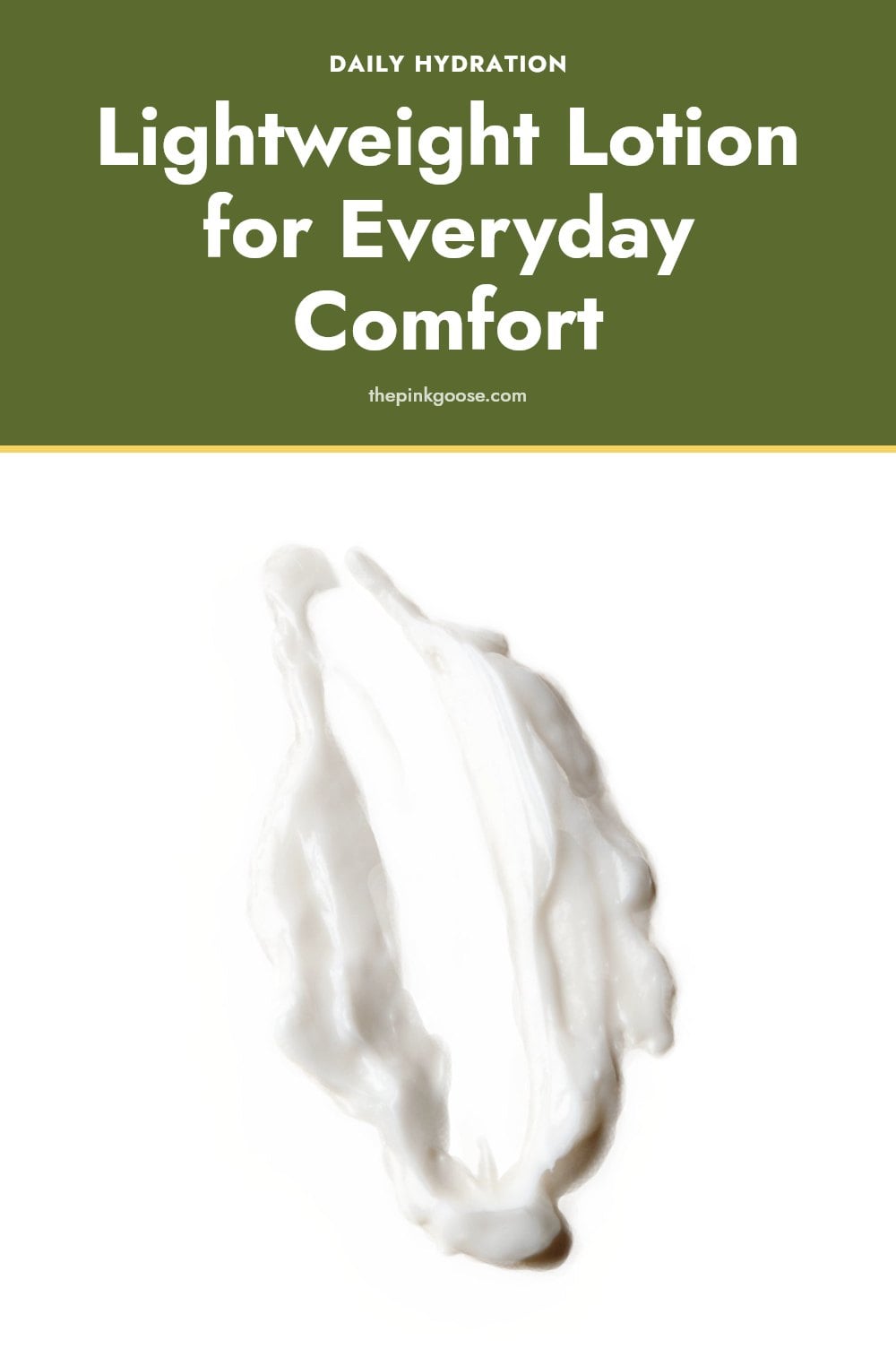
Lotion: Your Everyday Hydration Hero
Lotion has the highest water content of the three, typically 70 to 80 percent. This gives it a light texture that absorbs quickly and leaves no greasy residue. It is the ideal choice for normal to slightly dry skin, especially in warm or humid climates where a heavier product might feel uncomfortable.
Many lotions contain humectants like glycerin or hyaluronic acid, which draw moisture into the outer layer of your skin. Because it sinks in fast, you can apply it in the morning under sunscreen or makeup without waiting. For everyday hydration, a lotion is the most practical option.
Body Cream: The Mid-Weight Moisturizer
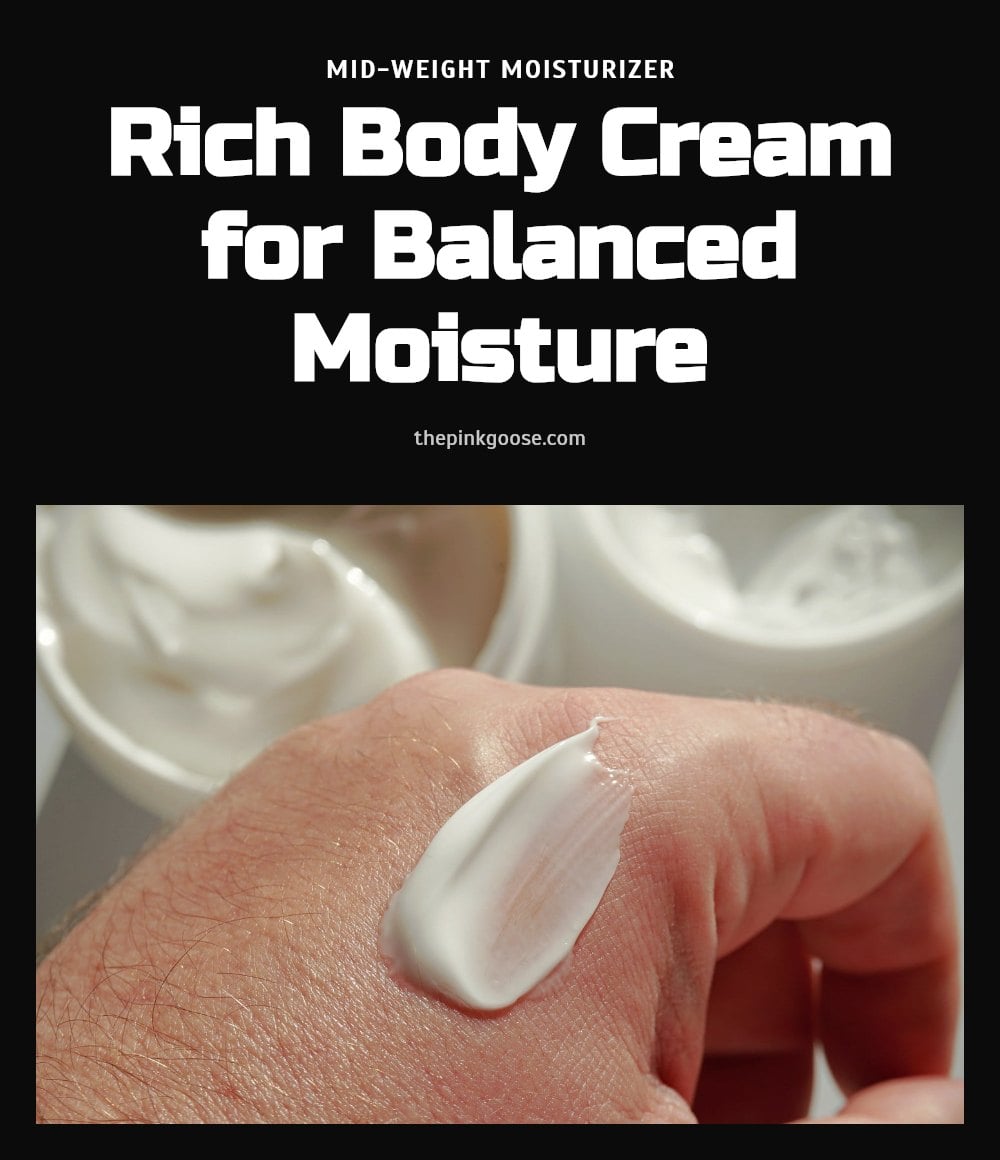
Body Cream: The Mid-Weight Moisturizer
Body cream strikes a balance between lotion and butter, with a water content around 50 to 70 percent. Its richer feel comes from a higher concentration of emollients and occlusives, which soften the skin and reduce water loss. This makes it more intensive than lotion but not as heavy as a butter.
If your skin is dry to very dry, or if you live in a cold, dry climate, a cream is a smart upgrade. It provides lasting moisture without the thick, greasy layer that some butters leave behind. Apply it after your shower to damp skin for the best results.
Body Butter: Deep Nourishment for Dry Skin
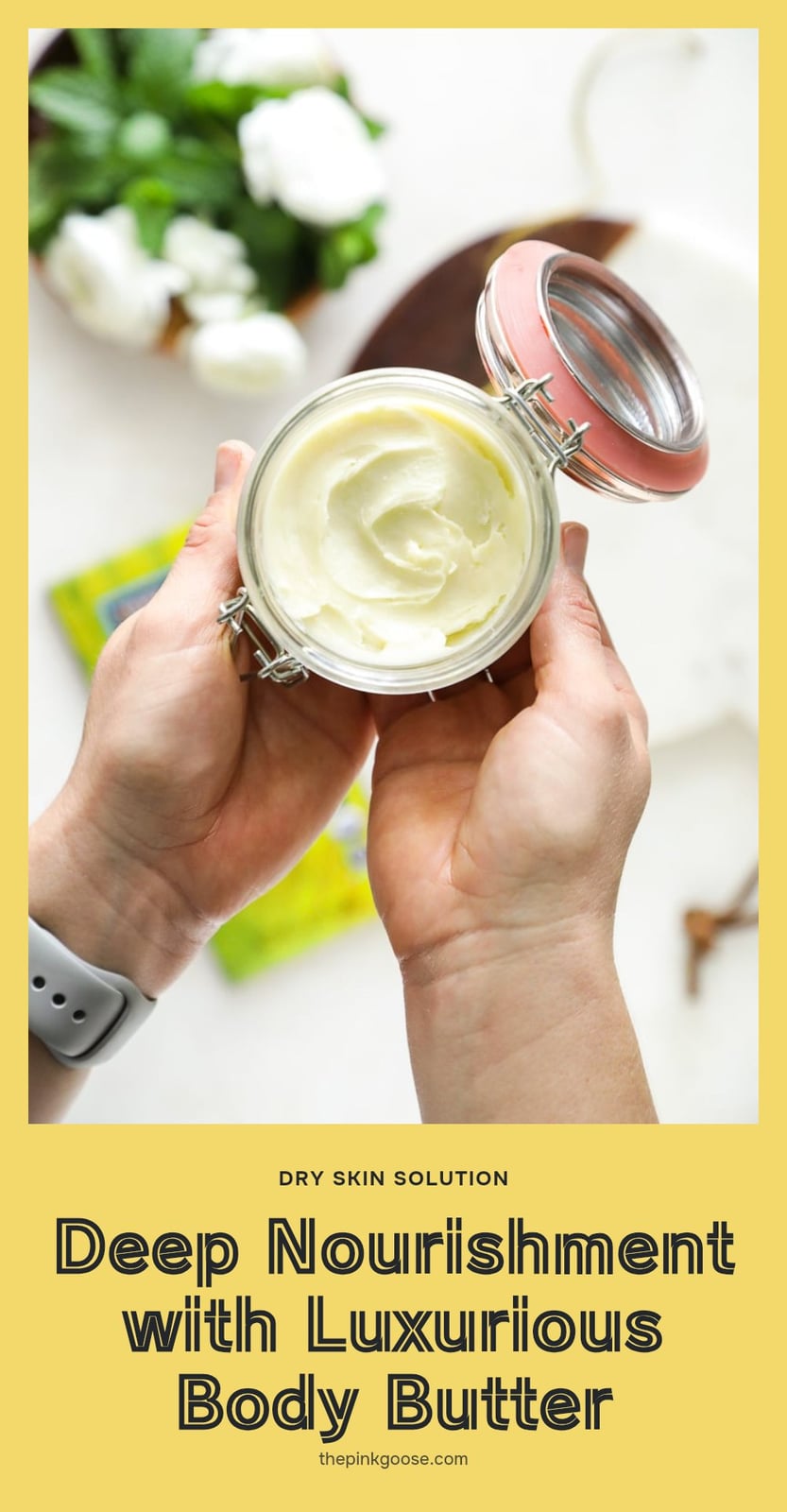
Body Butter: Deep Nourishment for Dry Skin
Body butter has the lowest water content of any moisturizer, sometimes as low as 20 percent, and the highest oil content. This gives it the densest consistency, almost like a thick balm. When you apply it, the high concentration of oils, often shea butter, cocoa butter, or coconut oil, creates a protective barrier on your skin. This barrier locks moisture in and prevents water loss, making body butter the most intensive hydrator of the three.
Use body butter on areas that need extra help: elbows, knees, and feet, where skin tends to be extremely dry, rough, or chapped. It is also great as an overnight treatment for hands or heels. Because it is so rich, a little goes a long way. Avoid using it on oily or acne-prone skin, especially on your face, as the heavy formula can clog pores.
Smart Tips for Choosing and Applying Moisturizers
Smart Tips for Choosing and Applying Moisturizers
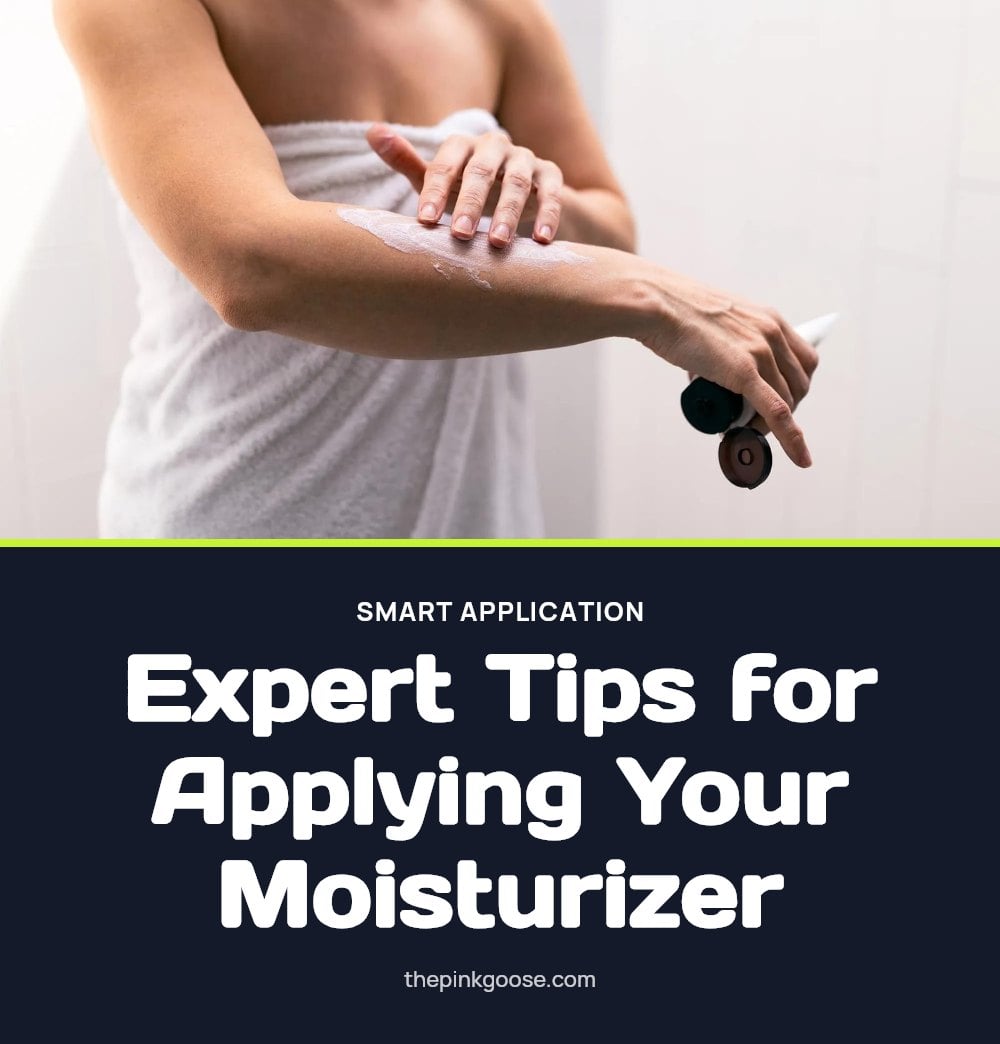
The best time to apply any moisturizer is right after you shower or bathe, while your skin is still damp. This helps lock in hydration and makes the product absorb more effectively. Pat yourself dry with a towel, then apply your lotion, cream, or butter within a few minutes.
Consider your climate when choosing a formula. In humid weather, a light lotion is usually enough. In dry, cold environments, switch to a richer cream or body butter to prevent moisture loss.
If you have sensitive skin or known allergies, patch test a new product on a small area of your arm before using it all over. Choose fragrance-free options to minimize the risk of irritation.
Common Moisturizing Mistakes to Avoid
Common Moisturizing Mistakes to Avoid
One of the biggest mistakes is using a product that does not match your skin type. A heavy body butter can feel greasy and cause breakouts on oily or acne-prone skin. On the other hand, a lightweight lotion may not provide enough hydration for dry skin, leaving it feeling tight.
Another common error is applying moisturizer to completely dry skin. The product cannot lock in moisture that is already gone, so it works much less effectively. Always apply to damp skin for best results.
Do not ignore the season or climate. Your skin’s needs change with the weather, so adjust your moisturizer accordingly. And do not wait until your skin feels dry to apply it. Consistent daily use, especially after bathing, prevents dryness before it starts.
When to Consult a Dermatologist
When to Consult a Dermatologist
If you experience redness, itching, burning, or a rash after applying a moisturizer, stop using it immediately. These signs may indicate an allergic reaction or irritation. For severe skin conditions like eczema or psoriasis, a dermatologist can recommend products that are safe and effective for your specific needs. Seek professional advice if your skin remains persistently dry, irritated, or if reactions do not clear up on their own.
Frequently Asked Questions
Can I use body butter on my face?
It is generally not recommended. Body butters are very dense and high in oil, which can clog pores on the face, especially if you have oily or acne-prone skin. Stick to products labeled for facial use on your face.
How often should I apply moisturizer?
For best results, apply moisturizer daily, ideally right after you shower or bathe while your skin is still damp. Consistent daily use helps maintain hydration and prevents dryness.
Are fragrance-free moisturizers better for sensitive skin?
Yes, fragrance-free options are available for all three types and are often a better choice for sensitive skin. Fragrances and dyes can be common irritants, so choosing a fragrance-free product reduces the risk of a reaction.
Can I layer different types of moisturizers?
Yes, you can. For example, you might apply a lotion all over for daily hydration and then use a body butter on extra-dry areas like elbows and knees. Just be mindful not to overdo it, as a little goes a long way with richer products.
What is the main difference between lotion, body cream, and body butter?
The main difference is their water-to-oil ratio. Lotion has the highest water content (70-80%), making it light and fast-absorbing. Body cream has a balanced ratio (50-70% water) for richer hydration. Body butter has the lowest water content (as low as 20%) and the highest oil content, giving it the thickest, most protective consistency.
Final Thoughts
My tip: keep a lightweight lotion for everyday use and a richer body cream or butter for your dry spots or colder months. You’ll notice softer, smoother skin right away, and with daily application, the results only improve. Choose what matches your skin’s current needs, and your skin will thank you.
This information is for general informational purposes only and does not constitute medical or dermatological advice. Individual skin needs vary, and if you have a persistent skin condition, allergy, or concern, please consult a dermatologist or healthcare professional for personalized recommendations.
