

If your hair takes forever to get wet in the shower and then feels like it never fully dries, you might be dealing with low porosity hair. The tightly closed cuticles make it tough for moisture to get in, but once it does, it stays locked inside. This article covers a simple routine with lightweight products and smart techniques to help your hair actually absorb what you put on it.
Key Takeaways
- Use lightweight, water-based products like sprays and serums to avoid buildup.
- Wash your hair every 2-3 days to prevent oil and product buildup on the surface.
- Apply gentle heat during deep conditioning to help open the cuticles for better absorption.
- Clarify your hair once a week or three times a month to remove buildup.
- Limit thick creams to a penny-sized amount or less to prevent weighing hair down.
What is Low Porosity Hair and Why Does it Matter?

Low porosity hair has tightly closed cuticles that resist moisture penetration but also prevent moisture from escaping once inside. This tight structure means products often sit on the surface, leading to buildup and dryness. The key is to use lightweight, water-based products and apply gentle heat to help cuticles open for better absorption.
Signs You Have Low Porosity Hair
Signs You Have Low Porosity Hair
If your hair takes forever to get fully wet in the shower and then feels like it never dries, that’s a classic sign. The tightly closed cuticles resist water entry and also trap moisture inside, slowing both processes.
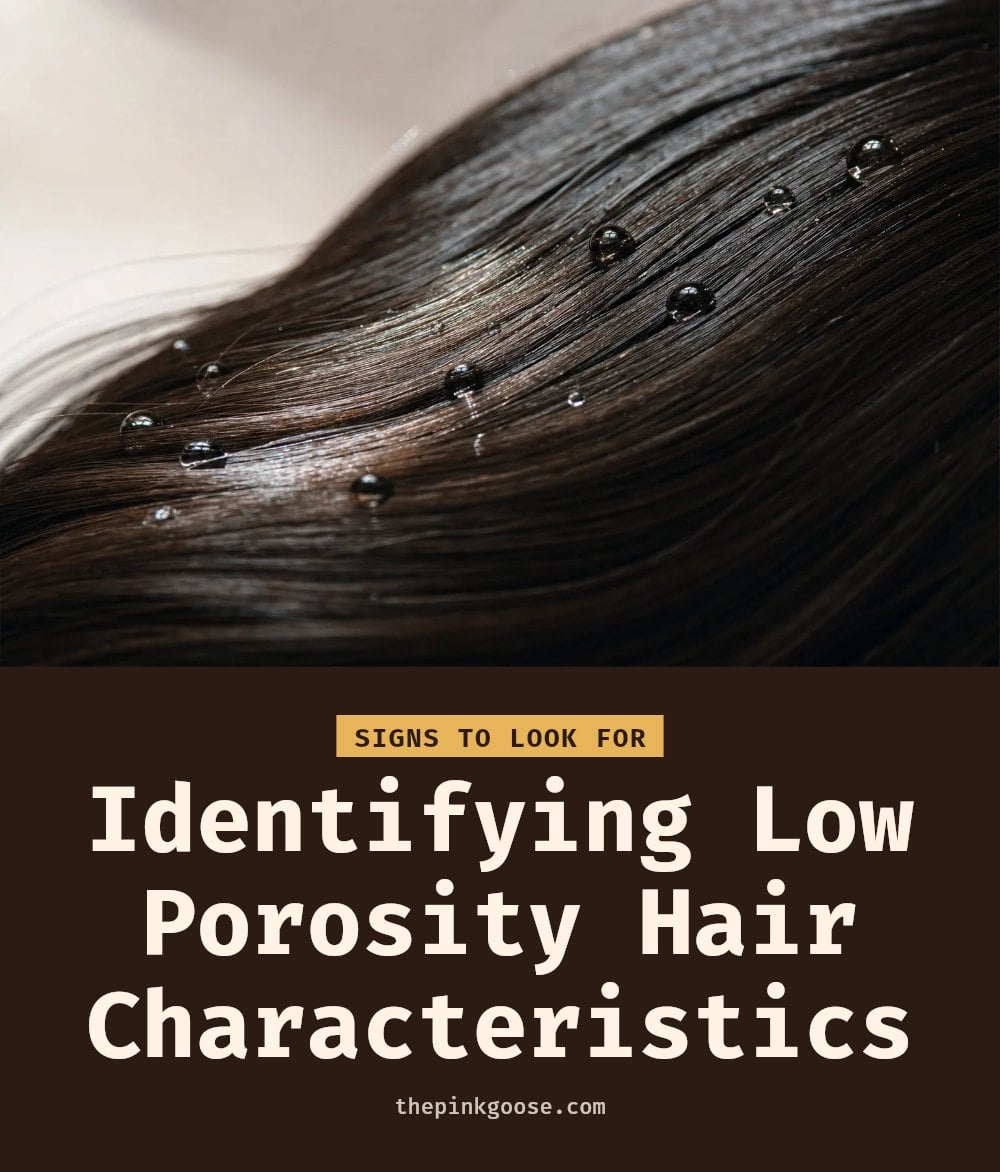
You might notice products just sit on top of your strands, leaving your hair feeling greasy, dirty, or stringy even right after washing. Water beads up and rolls off instead of soaking in. And despite looking shiny on the surface, your hair often feels dry or brittle underneath.
Frequent product buildup is another giveaway. Even with regular washing, low porosity hair accumulates residue because ingredients can’t penetrate the cuticle. If this sounds familiar, you’re likely dealing with low porosity hair.
Your Step-by-Step Routine for Low Porosity Hair
Start by picking lightweight, watery products. Serums, sprays, or anything that comes in a spray bottle are your best friends. If you must use a thicker cream or lotion, use only half the amount you normally would. A penny-sized portion is plenty. Heavy products just sit on the surface and cause buildup.
Keep your routine short: 3 to 4 products per wash day is all you need. Look for multitasking formulas that combine benefits, like a detangler that also protects against heat. This prevents your hair from feeling weighed down or greasy.
- Wash your hair: Shampoo every 2 to 3 days, or every other day if your hair gets oily quickly. Frequent washing prevents the oil and product buildup that low porosity hair is prone to. Use a gentle, sulfate-free cleanser to avoid stripping your scalp.
- Clarify weekly: Once a week (or three times a month), swap your regular shampoo for a clarifying shampoo. This removes the accumulated product that can block moisture from entering your hair.
- Apply conditioner to damp, warm hair: After rinsing with lukewarm water, apply a lightweight conditioner. The warmth helps lift the cuticles so the product can actually get inside the hair shaft. Leave it on for 2-3 minutes before rinsing with lukewarm water, then finish with a cool rinse to seal the cuticle.
- Deep condition with heat: Once a week, use a deep conditioner and apply gentle heat, from a hair steamer or a warm towel wrapped around your head for 15-20 minutes. Heat opens the cuticles, allowing the deep conditioner to penetrate instead of just coating the hair.
- Seal with a leave-in: Apply a leave-in conditioner or moisturizer to damp hair immediately after your shower. This locks in moisture before the cuticle fully closes. Work it through with your fingers or a wide-tooth comb.
Limit styling products to one or two lightweight options, such as a water-based gel or a mousse. Apply them to damp hair for best absorption. Avoid layering multiple creams or oils, which will only sit on the surface.
Here is the method in action: Jas Anahis demonstrates it in about 20 minutes. The how-to part starts at 5:13.
Essential Products and Tools for Low Porosity Hair
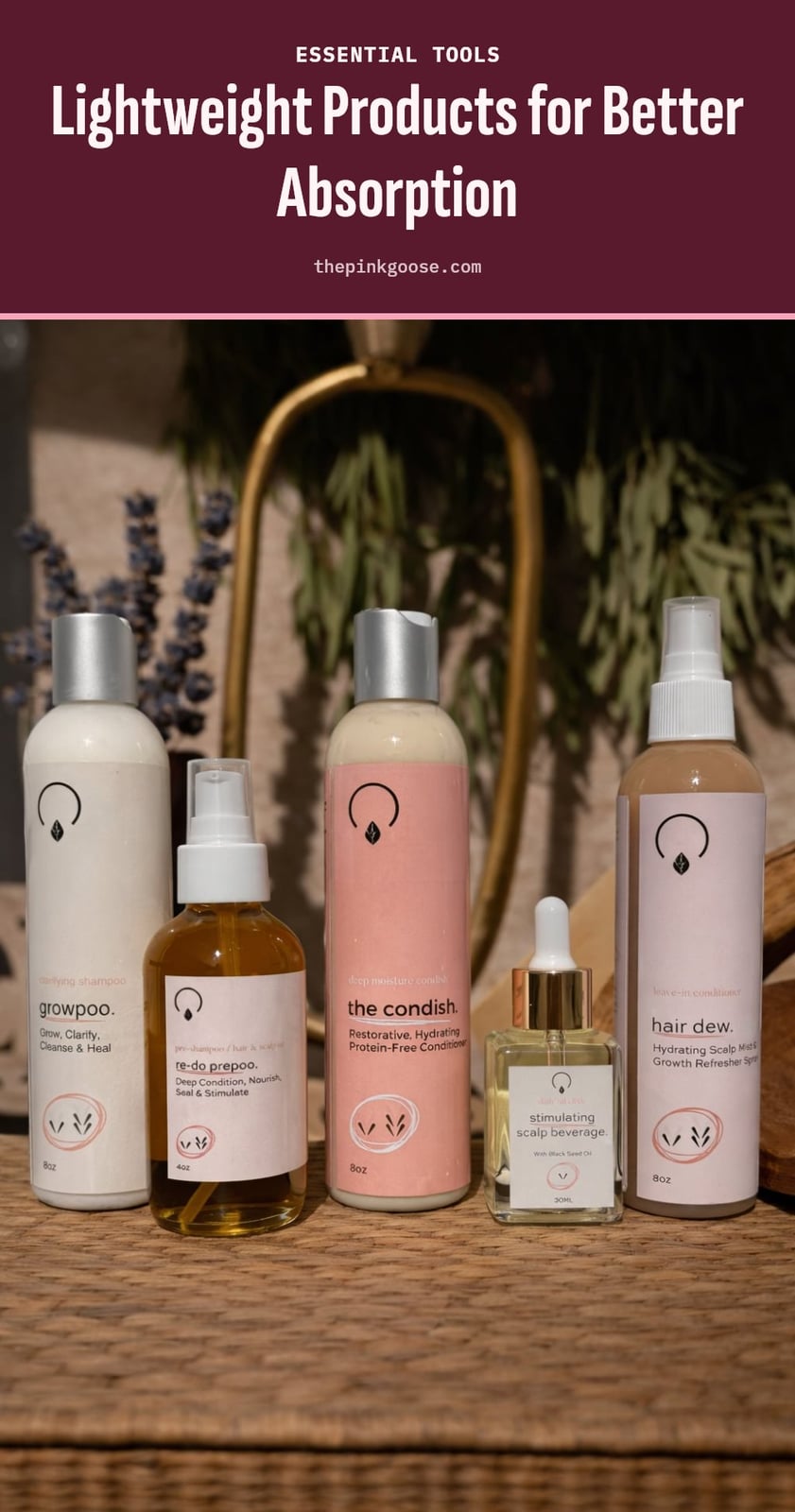
For low porosity hair, the right products and tools make all the difference. Start with a lightweight, sulfate-free shampoo that cleanses without stripping your hair’s natural oils. Follow with a lightweight conditioner that provides moisture without leaving a heavy residue. Deep conditioners are crucial for intense hydration, especially when paired with gentle heat from a hair steamer or warm towel to help open the cuticles. A leave-in conditioner locks in moisture post-wash. Use a clarifying shampoo periodically to remove buildup, and stick to water-based styling products to avoid weighing your hair down.
Pro Tips for Managing Low Porosity Hair

Use Heat Strategically: Applying gentle heat during deep conditioning helps lift the cuticles, allowing products to penetrate more effectively. Try a hair steamer or a warm towel for 15-20 minutes.
Apply to Damp, Warm Hair: Products absorb best when your hair is damp and slightly warm. After rinsing with lukewarm water, apply your leave-in or moisturizer while your hair is still warm.
Rinse with Lukewarm Then Cold Water: Start with lukewarm water to open the cuticle for cleansing, then finish with a cool rinse to seal it and lock in moisture.
Consider Protein Sensitivity: If your hair feels stiff or brittle after protein treatments, you might be protein-sensitive. Reduce protein use and observe how your hair responds.
Common Mistakes to Avoid with Low Porosity Hair
Overusing Heavy Products: Applying too many heavy butters or oils will only sit on the hair’s surface, causing buildup and weighing it down. Stick to lightweight, water-based formulas.
Skipping Clarifying Shampoos: Not clarifying regularly allows product and oil buildup to accumulate, preventing moisture from reaching your hair. Use a clarifying shampoo once a week or three times a month.
Applying Products to Dry Hair: Dry hair struggles to absorb products, making your efforts less effective. Always apply to damp hair after washing.
Trying to ‘Train’ Your Hair to Wash Less: This can lead to increased oil and product buildup, making low porosity hair feel dirtier and look greasier. Wash every 2-3 days instead.
Assuming All Low Porosity Hair Needs Protein: Some low porosity hair is protein-sensitive, and too much protein can lead to stiffness or brittleness. Observe your hair’s reaction and adjust accordingly.
When to Expect Results and Routine Frequency
With consistent application of the right routine and products, you should start seeing improvements in hair hydration and manageability within a few weeks to a month.
Washing Frequency: Aim to wash your hair every 2-3 days or every other day to prevent product and oil buildup.
Clarifying Frequency: Use a clarifying shampoo once a week or three times a month, depending on your product use and buildup.
Deep Conditioning: Incorporate deep conditioning treatments weekly, enhanced with gentle heat for best results.
When to Consult a Hair Professional
If you’ve tried various routines and products but still experience extreme dryness, breakage, or scalp issues, it may be time to consult a professional.
If you suspect an underlying health condition is affecting your hair’s porosity or health, a dermatologist or trichologist can help.
For personalized product recommendations and advanced treatment options tailored to your specific hair needs, a hair professional can provide an accurate assessment and guidance.
Frequently Asked Questions
Does low porosity hair need protein?
Low porosity hair can be protein-sensitive. Too much protein may cause stiffness or brittleness because the protein sits on the surface rather than penetrating. If your hair feels hard or straw-like after using protein products, try a protein-free routine instead.
How often should I deep condition low porosity hair?
Deep condition once a week, and always use gentle heat like a steamer or warm towel for 15-20 minutes to help the product penetrate. If your hair feels dry, you can increase to twice a week, but avoid overdoing it with heavy formulas.
What ingredients are best for low porosity hair?
Look for lightweight humectants like glycerin, aloe vera, and honey, which attract moisture without leaving a heavy residue. Avoid thick oils like coconut oil or shea butter, as they tend to sit on the hair and cause buildup.
Can low porosity hair be fine?
Yes, low porosity hair can be fine or thin. In fact, fine hair with low porosity is especially prone to buildup and greasiness from heavy products. Stick to watery formulas and spray-on products to keep it light and bouncy.
Final Thoughts
Stick with lightweight products and wash your hair every 2-3 days to keep buildup in check. With consistent use of heat during deep conditioning, you should see better hydration and manageability within a few weeks. Low porosity hair needs a little extra effort, but the right routine makes all the difference.
