

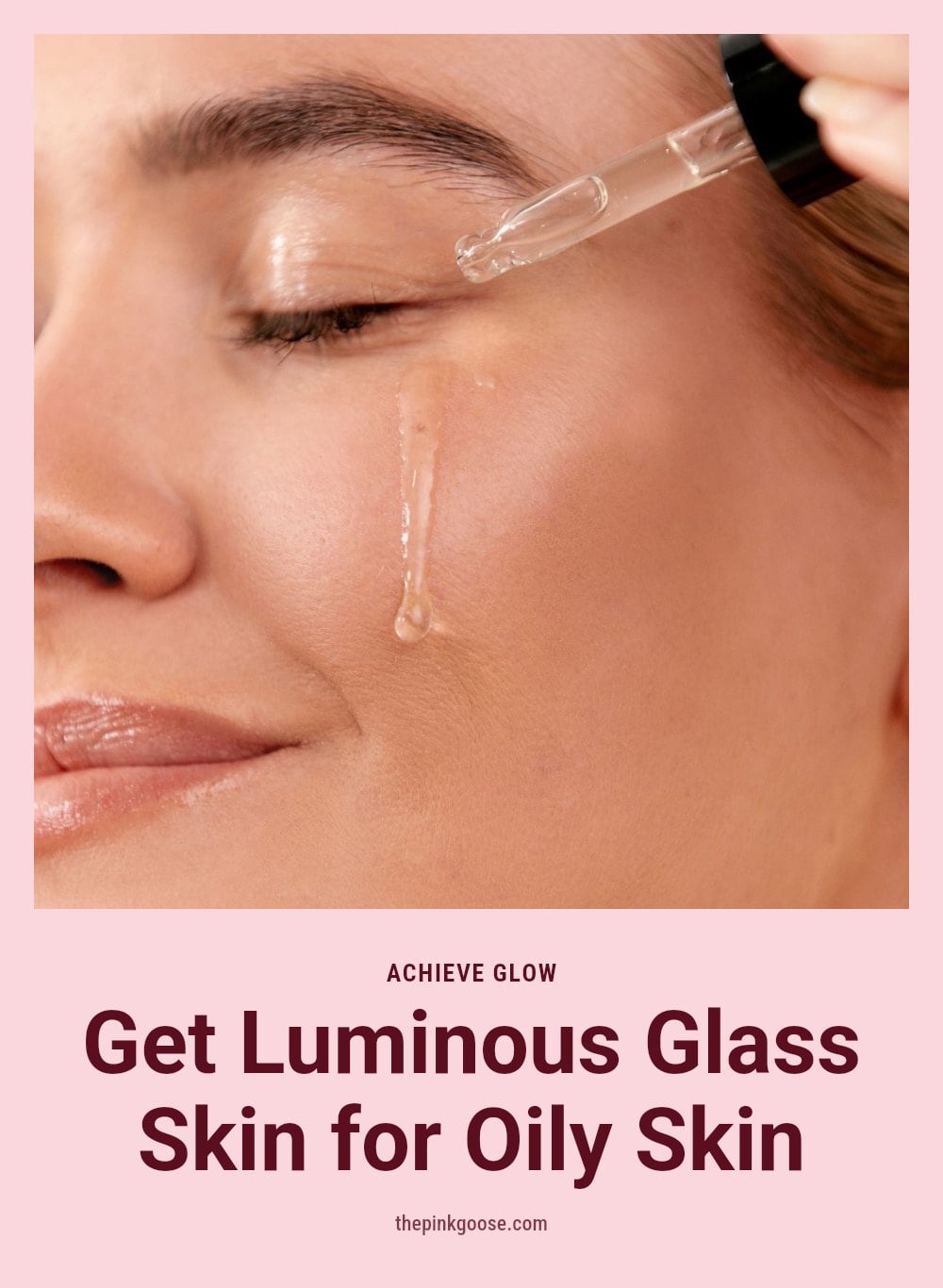
Getting that luminous, poreless glass skin look when your skin tends to get shiny or break out can feel like a contradiction. But it’s absolutely doable with the right approach. This article breaks down a tailored glass skin routine for oily and combination skin types, focusing on lightweight, non-comedogenic products that hydrate without clogging pores.
Key Takeaways
- Double cleanse daily with an oil-based then water-based cleanser to remove impurities without stripping.
- Exfoliate gently 1-3 times per week using a chemical exfoliant like AHA or BHA.
- Layer lightweight, hydrating products such as toner, essence, and gel-based moisturizer.
- Use broad-spectrum SPF 30+ every day to protect skin and maintain an even tone.
- Consistent hydration helps regulate oil production and prevents excess shine.
What is Glass Skin and Why It’s Perfect for Oily Skin
Glass skin is a K-beauty trend that targets a luminous, smooth, and poreless complexion. It relies on deep hydration and gentle exfoliation to build that translucent look. For oily and combination skin, the trick is balancing hydration with oil control using lightweight, non-comedogenic products. You can achieve that glassy glow without greasiness if you choose the right formulas.
Your Glass Skin Essentials for Oily & Combination Skin
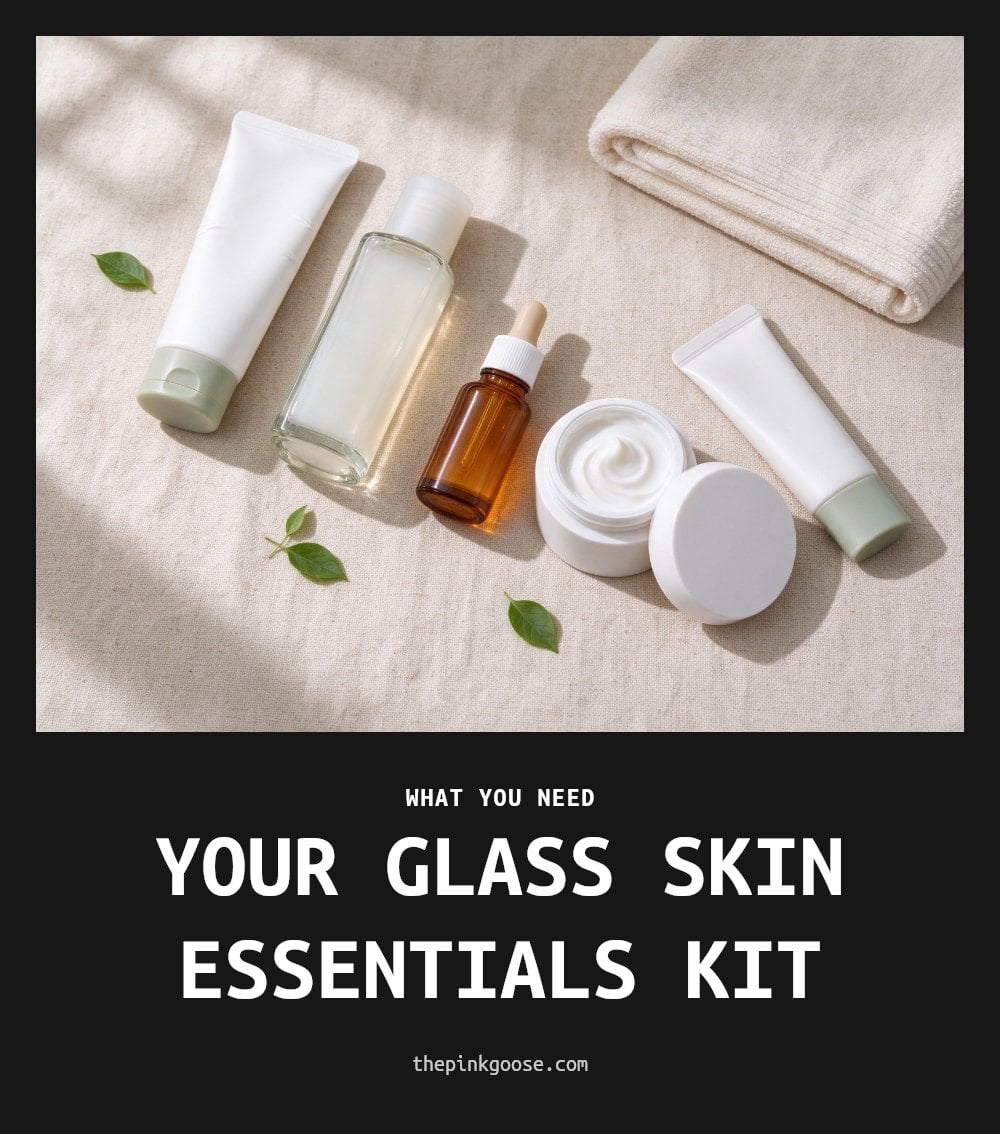
You need the right lineup of products, all lightweight and non-comedogenic for oily or combination skin.
- Oil-based cleanser: dissolves makeup and sunscreen without stripping.
- Water-based cleanser: deep cleans pores while keeping your skin barrier intact.
- Gentle chemical exfoliant (AHA/BHA): smooths texture and refines pores.
- Hydrating toner: balances pH and adds moisture without alcohol.
- Essence: delivers an extra layer of hydration and active ingredients.
- Serum: targets oil control or brightening, like niacinamide or salicylic acid.
- Lightweight gel or lotion moisturizer: hydrates without heaviness.
- Broad-spectrum sunscreen (SPF 30+): protects daily and prevents hyperpigmentation.
Your Step-by-Step Glass Skin Routine

Follow this routine morning and night, adjusting the exfoliation step to 1-3 times per week.
- Double cleanse: Start with an oil-based cleanser to dissolve makeup and impurities, then follow with a water-based cleanser to deep clean without stripping.
- Exfoliate: Use a gentle chemical exfoliant (AHA/BHA) 1-3 times a week. This removes dead skin cells for a smooth, radiant surface.
- Apply hydrating toner: Pat on a toner with hyaluronic acid or witch hazel to balance pH and prep your skin for the next layers.
- Layer essence: Gently press an essence into your skin for deep hydration and active benefits.
- Apply targeted serum: Use a serum with niacinamide, salicylic acid, or green tea extract to control oil and refine pores.
- Finish with moisturizer and SPF: In the morning, seal with a lightweight gel moisturizer and broad-spectrum SPF 30+. At night, skip SPF and use the same moisturizer to support repair.
Pro Tips for Maintaining Your Glass Skin Glow
These habits keep your glass skin glow going strong over time.
- Consistency is key: Stick to your routine daily, even when you don’t see immediate changes.
- Patch test new products: Apply a small amount behind your ear or on your jaw to check for irritation before full use.
- Listen to your skin: If it feels tight or breaks out, adjust your products or frequency.
- Hydrate from within: Drinking enough water supports your skin’s natural moisture barrier.
- Clean your pillowcases: Swap them twice a week to prevent bacteria and oil buildup that can cause breakouts.
Common Mistakes to Avoid on Your Glass Skin Journey
Using products that are too heavy: Stick to gel-based or oil-free formulas. Heavy creams can clog pores and cause breakouts, which works against the smooth, poreless look you want.
Over-exfoliating: Limit exfoliation to 1-3 times a week. More than that can irritate skin and increase oil production, making shine worse.
Skipping sunscreen: Daily SPF 30+ is crucial for preventing hyperpigmentation and dullness. Without it, your glow can turn into uneven tone.
Expecting instant results: Glass skin takes time and consistency. Initial changes appear after 2-4 weeks, not overnight.
Confusing shine with glow: Aim for a translucent luminosity, not greasiness. Use blotting papers or a mattifying powder to control excess oil without losing the radiant finish.
Timeline for Glass Skin Results and What to Expect
Initial results typically appear within 2-4 weeks of consistent daily use. You may notice smoother texture and a more even tone first. Optimal results, like that poreless, luminous finish, can take several months to fully develop.
Cost varies widely depending on product brands, from drugstore to high-end. Consistency is more important than expensive products. A simple, well-chosen routine you stick with daily will outperform a luxury one you skip.
When to Consult a Dermatologist
Consult a dermatologist if you experience persistent irritation, redness, or severe breakouts. If your skin concerns worsen despite following the routine, professional input is needed. Seek personalized advice for managing specific conditions like severe acne or rosacea. Also see a dermatologist before introducing stronger active ingredients or prescription treatments to avoid damaging your skin barrier.
Frequently Asked Questions
Can I achieve glass skin if I have acne-prone skin?
Yes, you can, but you need to be extra careful with product choices. Stick to non-comedogenic, lightweight formulas and avoid heavy creams. Ingredients like salicylic acid and niacinamide can help control breakouts while you build the glass skin look. If acne persists or worsens, consult a dermatologist.
What ingredients should I avoid for oily glass skin?
Avoid heavy occlusive ingredients like petroleum, lanolin, and thick oils that can clog pores. Also steer clear of harsh alcohol-based toners, which can strip your skin and trigger more oil production. Stick to gel-based or water-based products with ingredients like hyaluronic acid, niacinamide, and green tea.
Is double cleansing necessary for glass skin?
Double cleansing is recommended because it thoroughly removes makeup, sunscreen, and excess oil without stripping your skin. The first oil-based step dissolves impurities, and the second water-based step cleanses pores. Skipping it can leave residue that blocks your glow, especially for oily or combination skin.
How often should I exfoliate for glass skin with oily skin?
Exfoliate 1-3 times per week using a gentle chemical exfoliant like AHA or BHA. Over-exfoliating can irritate your skin and increase oil production, which works against the glass skin look. Start with once a week and adjust based on how your skin responds.
Can makeup help achieve a glass skin look?
Makeup can enhance the glass skin effect, but it’s not a substitute for skincare. Use a luminous, hydrating foundation or BB cream and a dewy setting spray to mimic the glow. Focus on a solid skincare routine first, as makeup alone won’t give you the same translucent, poreless finish.
How long does it take to see results from a glass skin routine?
Initial results, like smoother texture and more even tone, typically appear within 2-4 weeks of consistent daily use. The full glass skin look, with that poreless, luminous finish, can take several months to develop. Consistency is key, so stick with your routine even if you don’t see changes right away.
Final Thoughts
For the best results, stick with your routine daily and be patient. You’ll likely notice smoother texture and a more even tone within 2-4 weeks, with the full glass skin effect developing over several months. My tip: choose gel-based or oil-free moisturizers and always patch test new products to avoid irritation.
This article is for informational purposes only and does not constitute medical or professional advice. Results vary by individual. If you experience persistent irritation, redness, or breakouts, consult a dermatologist or skincare professional.
