

Have you ever wondered why two people eating the same number of calories can have totally different energy levels and body changes? That is where macros come in. Macros, short for macronutrients, are the three main nutrients your body needs in large amounts: protein, carbohydrates, and fats. This article breaks down exactly what each macro does, how to find your personal balance, and the common mistakes to skip so you can use macros to support your goals.

Key Takeaways
- Macros are protein, carbs, and fats; each provides a specific number of calories per gram.
- Prioritize whole, unprocessed foods over processed options even if they fit your macro targets.
- Use a food scale and tracking app for accurate portion sizes, especially when starting out.
- Adjust your macro ratios gradually based on your activity level, goals, and how your body responds.
- Consult a healthcare professional before making major dietary changes if you have a chronic condition.
What Exactly Are Macros and Why Do They Matter?
Macros, short for macronutrients, are the three main nutrients your body needs in large amounts: protein, carbohydrates, and fats. They provide the energy (calories) that fuels everything from your morning run to your brain power at work. Understanding macros gives you a more nuanced approach than simply counting calories, because it focuses on where those calories come from and how they support your body’s specific needs.
The Three Pillars: Protein, Carbs, and Fats
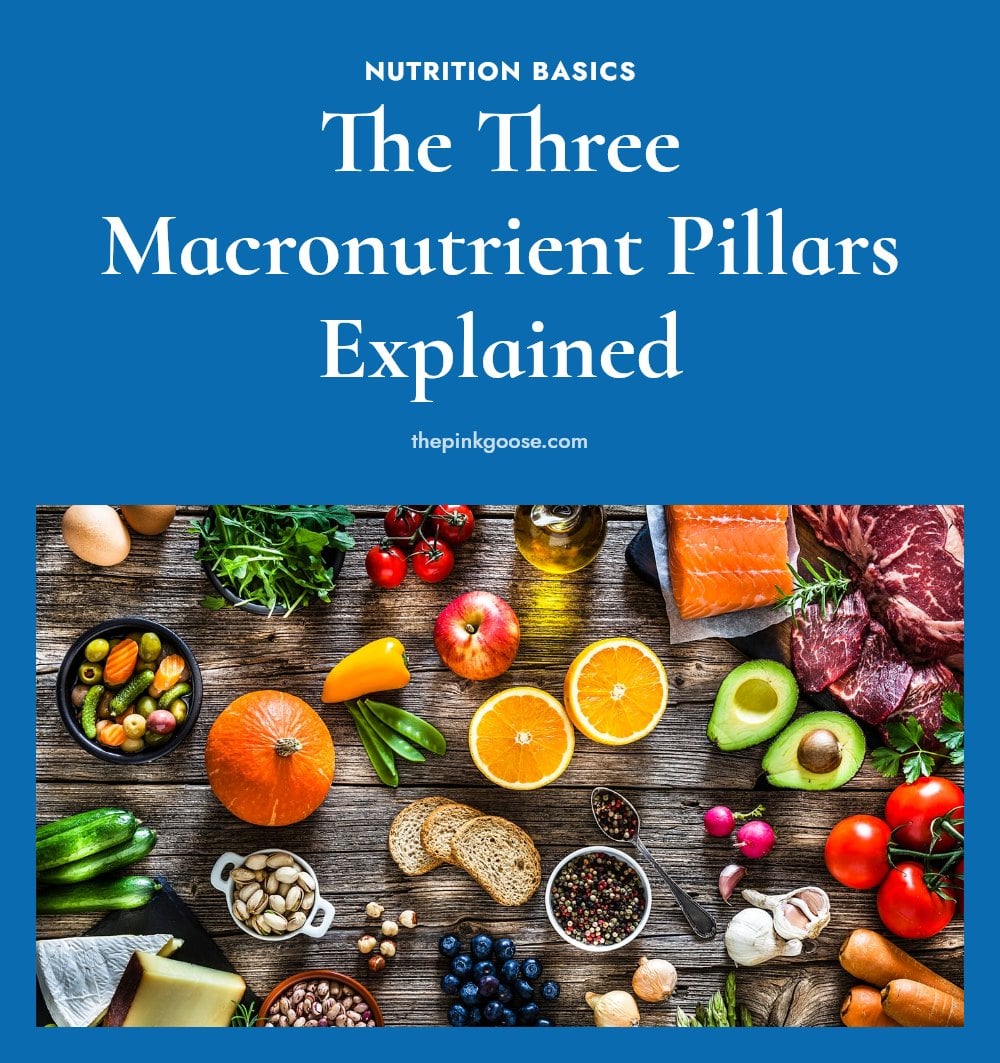
Protein
Protein provides 4 calories per gram and is essential for building and repairing tissues, including muscles, skin, and hair. It also forms the enzymes and hormones that regulate your body’s processes. For active women, getting enough protein supports recovery and helps maintain lean mass during weight loss.
Carbohydrates
Carbohydrates also deliver 4 calories per gram and are your body’s primary energy source. Your brain runs on glucose from carbs, and your muscles rely on them for fuel during workouts. Choosing complex carbs like whole grains and vegetables provides steady energy without the crash.
Fats
Fats are the most calorie-dense macro at 9 calories per gram. They are vital for hormone production (including those that regulate your menstrual cycle), absorbing fat-soluble vitamins (A, D, E, K), and providing concentrated energy. Healthy fats from sources like avocados, nuts, and olive oil support overall wellness.
How to Start Tracking Your Macros

Getting started with macro tracking is simpler than it sounds. Follow these steps to set up a system that works for you.
- Determine your daily calorie needs: Use an online calculator that factors in your age, weight, height, activity level, and goal (weight loss, maintenance, or muscle gain). This gives you a starting calorie target.
- Calculate your protein target: A common starting point for women is 1.2 to 2.2 grams of protein per kilogram of body weight. Multiply your weight in kg by your chosen number to get your daily protein grams. For example, a 68 kg woman aiming for 1.6 g/kg would target about 109 grams of protein per day.
- Distribute remaining calories between carbs and fats: Subtract your protein calories (grams x 4) from your total calories. Then split the remainder. A typical split is 45-65% carbs and 20-35% fat, but you can adjust based on what feels best for your energy and satiety.
- Use a food scale and tracking app: Weigh your food in grams for accuracy, especially for calorie-dense items like nuts, oils, and grains. Log everything in an app like MyFitnessPal or Cronometer to see your daily totals.
- Adjust ratios gradually: Stick with your initial numbers for at least two weeks. Notice how your energy, hunger, and progress feel. If you’re constantly hungry or fatigued, shift a small percentage of calories from carbs to fat or vice versa. Small tweaks make a big difference over time.
Common Macro Tracking Mistakes to Avoid
Even experienced trackers slip up on these common pitfalls. Here is how to avoid them.
- Underestimating portion sizes: Eyeballing servings leads to inaccurate tracking. Use a food scale for solid foods and measuring cups for liquids until you get a feel for portions.
- Neglecting nutrient density: Hitting your macro numbers with processed snacks leaves you short on vitamins and fiber. Prioritize whole foods like vegetables, lean proteins, and whole grains.
- Cutting fat too low: Fat supports hormone function and nutrient absorption. Dropping below 20% of calories from fat can disrupt your cycle and leave you unsatisfied. Include healthy fats daily.
- Not adjusting for changes: Your macros should shift with your activity level, age, and goals. Re-evaluate every few months or when your routine changes significantly.
- Becoming overly restrictive: Aim for consistency over perfection. A day where you go slightly over on carbs won’t derail progress. Focus on the overall pattern, not daily exactness.
Best Tips for Sustainable Macro Success
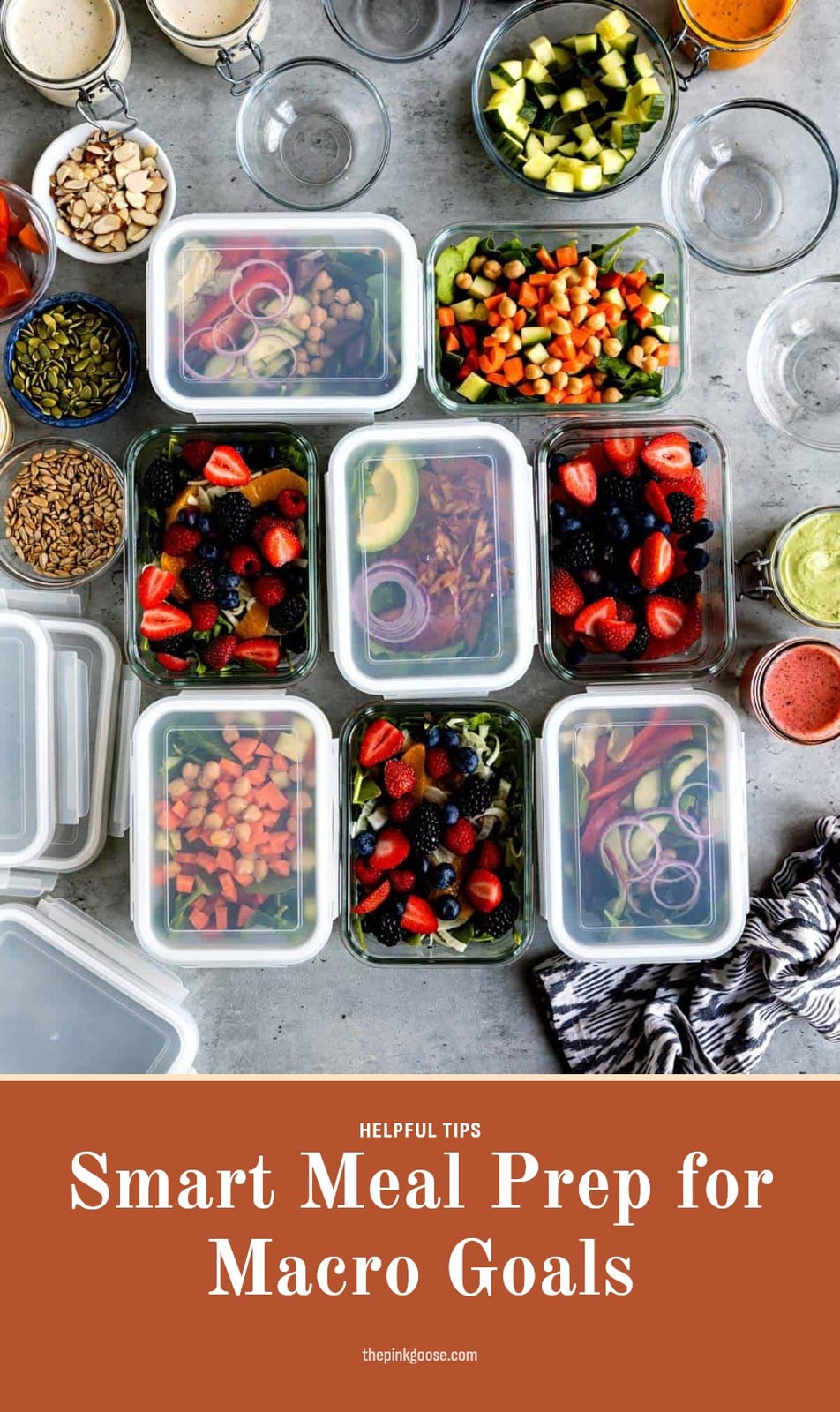
Prioritize Whole Foods: Build your meals around unprocessed sources like lean meats, eggs, legumes, vegetables, and whole grains. They provide fiber and micronutrients that processed options lack.
Adequate Protein: Aim for protein at every meal. It keeps you full and supports muscle maintenance, especially if you are active or trying to lose weight. My tip: include a serving of protein within an hour of finishing a workout.
Healthy Fats: Add avocados, nuts, seeds, or olive oil to your plate. They support hormone health and help you absorb fat-soluble vitamins.
Complex Carbs: Choose oats, quinoa, brown rice, and vegetables over sugary snacks. They release energy steadily so you stay fueled longer.
Listen to Your Body: If you feel sluggish or hungry between meals, adjust your ratios. Consistency matters more than hitting exact numbers every day.
What to Expect: Timeline and Tools
Timeline for Results: Most people notice changes in energy and body composition within a few weeks, with more visible shifts after a couple of months. Consistency is the key driver.
Essential Tools: A food scale gives you accurate portions, and measuring cups help with liquids. A reliable tracking app (like MyFitnessPal or Cronometer) simplifies logging and shows your daily macro breakdown.
Nutritional Labels: Read the serving size and grams of protein, carbs, and fat per serving. Scan the barcode into your app to save time.
When to Consult a Professional About Your Macros
Consult a healthcare professional or registered dietitian before changing your macros if you have a condition like kidney disease or diabetes. Also seek guidance if you experience persistent fatigue, mood changes, or other concerning symptoms.
Extreme Diets: Very low carb or very high protein plans can stress the body. A professional can help you choose a safe approach.
Personalized Goals: For athletic performance or specific health targets, a dietitian can tailor your ratios to your activity level and medical history.
Frequently Asked Questions
What are good macro ratios for weight loss?
A common starting point for weight loss is to increase protein to around 1.2 to 2.2 grams per kilogram of body weight and adjust carbs and fats within the general ranges. Many women find a moderate carb, moderate fat split works best, but individual needs vary based on activity and metabolism.
Can I lose weight just by counting macros?
Yes, you can lose weight by creating a calorie deficit through macro tracking, but the quality of your food matters. Relying on processed foods that fit your macros may lead to weight loss but can leave you low on fiber and micronutrients. Prioritizing whole foods supports satiety and overall health.
How do I calculate my personal macro needs?
Start by determining your daily calorie needs using an online calculator that factors in your age, weight, height, activity level, and goal. Then divide those calories into percentages for protein, carbs, and fats, or use a grams-per-kilogram approach for protein. Adjust based on how you feel and your progress.
Is tracking macros sustainable long-term?
Many people find it sustainable once they learn typical portion sizes and build a routine. You do not need to hit exact numbers every day; consistency over time matters more. If tracking feels too rigid, you can use it periodically to check in rather than daily.
What is the difference between macros and calories?
Calories are a measure of energy, while macros are the specific nutrients that provide that energy. Protein and carbs each have 4 calories per gram, and fat has 9 calories per gram. Tracking macros gives you more detail than calories alone, helping you focus on food quality and how your body uses that energy.
Final Thoughts
Start by focusing on one change at a time, like adding a serving of protein to each meal or swapping simple carbs for complex ones. Most people notice shifts in energy and body composition within a few weeks, with more visible results after a couple of months of consistency. Remember, this is a flexible tool to support your health, not a rigid rulebook.
This article is for general informational purposes only and does not constitute medical or dietary advice. Individual nutrition needs vary. Consult a registered dietitian or healthcare professional before making significant changes to your diet, especially if you have a chronic health condition or are pregnant or nursing.
