

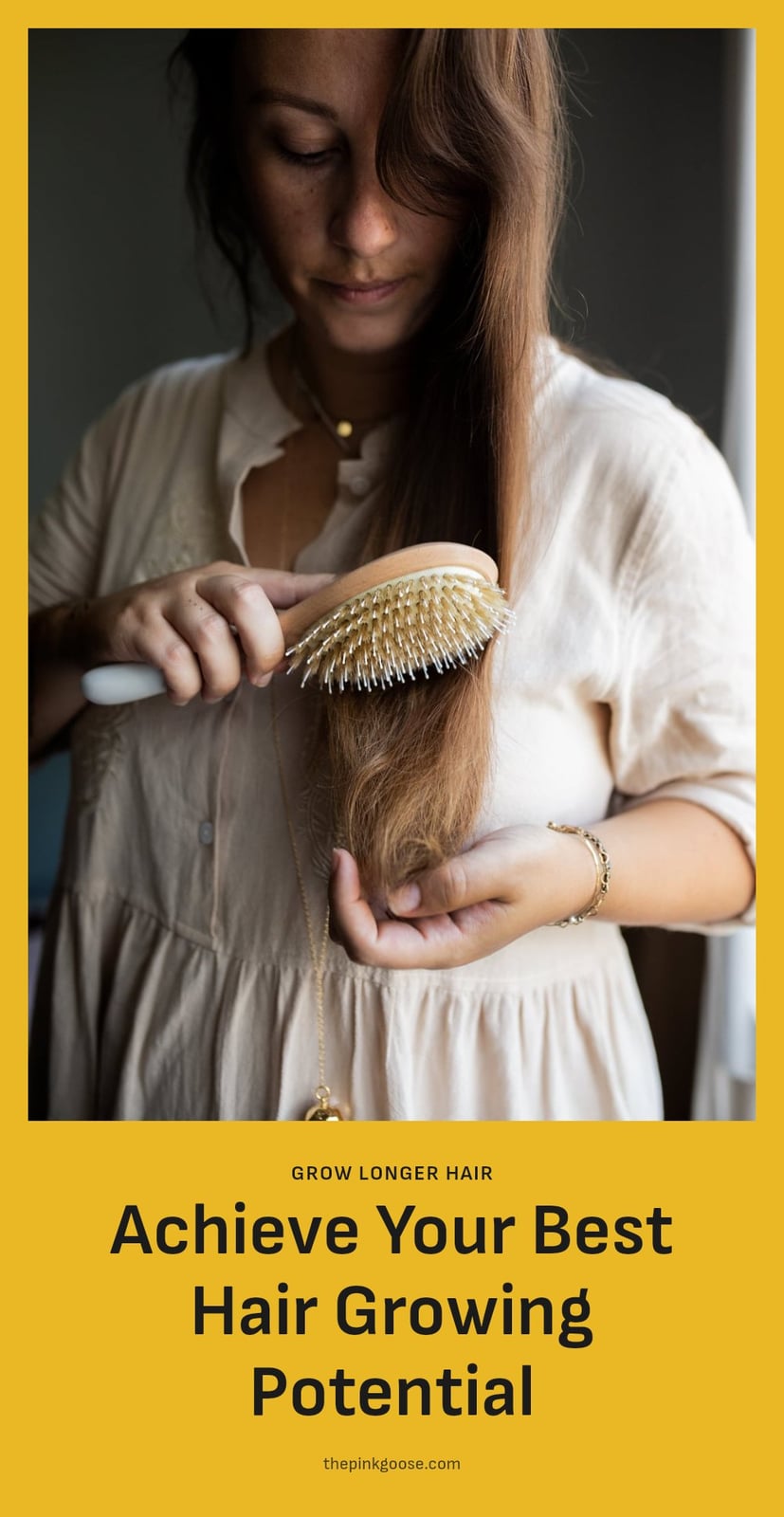
If you feel like your hair just won’t get past a certain length, you’re not alone. The real trick isn’t about speeding up growth from the root. It’s about keeping the length you already have. This article breaks down a simple weekly routine that focuses on gentle care, scalp health, and smart habits to help you hold onto every inch you grow.
Key Takeaways
- Hair grows about 0.5 inches per month; focus on retaining length, not speeding growth.
- Gentle detangling from ends to roots with a wide-tooth comb minimizes breakage.
- Eat a balanced diet rich in protein, iron, zinc, and B vitamins for healthy hair.
- Sleep on a silk or satin pillowcase to reduce friction and prevent damage.
- Trim every 8-12 weeks to remove split ends before they travel up the shaft.
The Secret to Growing Longer Hair
The real secret to growing longer hair is less about speeding up growth and more about keeping the length you already have. Hair grows about 0.5 inches per month on average, and that rate is largely set by your genetics. What you can control is breakage and scalp health. When you minimize damage and keep your scalp in good condition, your hair can retain more of its growth. A consistent routine of gentle care, proper nutrition, and targeted treatments is what makes the difference over time.
Essential Tools for Healthy Hair Growth
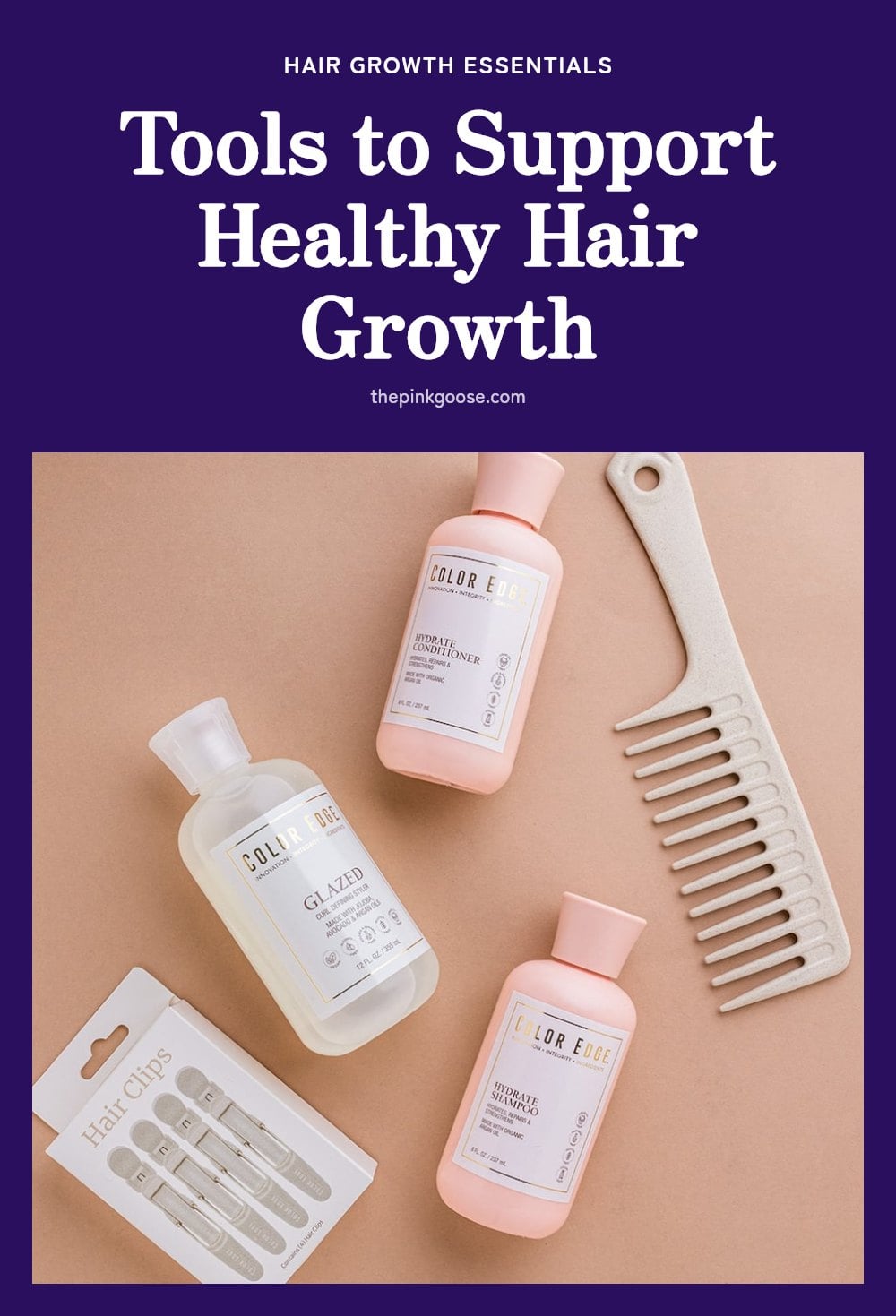
Having the right tools on hand makes a gentle hair care routine much easier to stick with. Here is what I keep in my bathroom and why each item matters.
- Gentle shampoo and conditioner: Cleanses without stripping natural oils, which keeps hair from drying out.
- Deep conditioning mask: Used weekly, it adds hydration and strength to reduce breakage.
- Heat protectant spray: Shields the hair cuticle from high styling temperatures.
- Wide-tooth comb: Detangles without pulling or snapping strands, especially when hair is wet.
- Silk or satin pillowcase: Reduces friction while you sleep, so hair is less likely to tangle and break.
Your Weekly Routine for Maximizing Hair Length
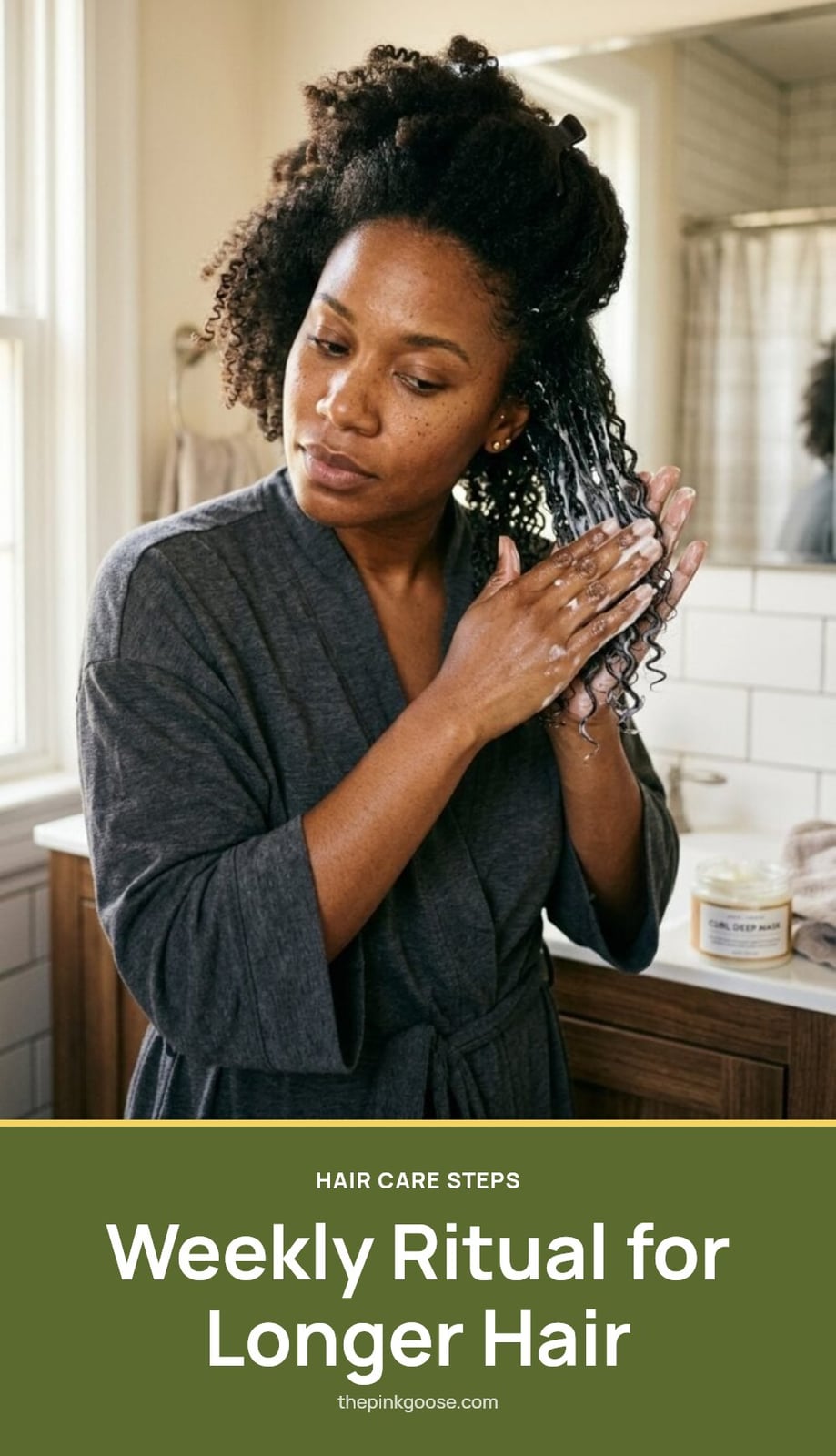
Building a weekly routine that focuses on gentle handling can help you retain more length. Here is a simple plan to follow.
- Cleanse your scalp: Massage a gentle shampoo into your roots, not the ends. Over-washing can strip natural oils, so aim for 2-3 times a week unless your hair gets oily faster.
- Apply a deep conditioning mask: Once a week, work a mask through the mid-lengths and ends. Leave it on for 5-10 minutes, then rinse thoroughly. This provides intense hydration that helps reduce breakage.
- Detangle wet hair carefully: Hair is most fragile when wet. Use a wide-tooth comb, starting at the ends and working upward in short, gentle strokes. Never pull through knots.
- Protect hair from heat: Before any heat styling, spray a heat protectant evenly over damp or dry hair. Keep the tool temperature moderate to avoid damaging the cuticle.
- Massage your scalp: Spend 2-3 minutes using your fingertips to massage your scalp in circular motions a few times a week. This helps stimulate blood flow to the follicles, supporting a healthy environment for growth.
Understanding Your Hair’s Growth Cycle
Hair grows in a cycle with three phases: anagen (growth), catagen (transition), and telogen (resting). The anagen phase is when your hair actually grows, and it lasts anywhere from 2 to 7 years. That duration is largely determined by your genetics, which is why some people can grow hair past their waist while others max out at shoulder length.
On average, hair grows about 0.5 inches per month, but breakage can make it seem like nothing is happening. Even if your roots are producing new hair, split ends and snapped strands at the tips mean you are losing length as fast as you gain it. That is why protecting the ends and keeping the scalp healthy are both essential for visible progress.
Common Mistakes That Hinder Hair Growth
Myth: Trimming makes hair grow faster. Trims remove split ends so they don’t travel up the shaft, but they don’t speed up growth from the root. The real benefit is retaining the length you already gained by preventing further breakage.
Mistake: Ignoring your scalp. A healthy scalp is where follicles live, and buildup or dryness can slow function. Focus on gentle cleansing and occasional exfoliation, not just the strands.
Mistake: Aggressive wet brushing. Hair is most fragile when wet, so pulling through tangles causes breakage. Use a wide-tooth comb starting at the ends, and work upward slowly.
Mistake: Over-processing with chemicals. Bleaching, perms, and frequent color weaken the hair shaft, leading to breakage that makes length impossible to keep. Space out treatments and use bond-repairing products between them.
Mistake: Neglecting internal health. Diet and stress directly affect hair growth. Low protein, iron, or B vitamins can slow the cycle, and chronic stress may trigger shedding. A balanced diet and stress management support your efforts.
Smart Habits for Stronger, Longer Hair

Small daily habits add up to stronger, longer hair over time. Here are the ones that make the biggest difference.
- Eat for growth: Include protein, iron, zinc, and B vitamins in your meals. These nutrients support the hair follicle during the anagen phase.
- Protect from heat: Always apply a heat protectant spray before using any hot tool. It creates a barrier that reduces cuticle damage.
- Switch your pillowcase: A silk or satin pillowcase creates less friction than cotton, which means less tangling and breakage overnight.
- Loosen up: Avoid tight ponytails, buns, or braids that pull at the roots. Constant tension can lead to traction alopecia over time.
- Cool rinse: After your final wash, run cool water over your hair. It helps seal the cuticle, which can improve shine and reduce frizz.
What to Expect: Hair Growth Timeline
Hair grows about 0.5 inches per month on average, so visible length takes patience. You may notice a difference in 3 to 4 months, but significant change often requires 6 to 12 months of consistent care.
The key is sticking with your routine. Gentle handling, scalp health, and proper nutrition work together slowly. Each month of good habits adds a little more length that you keep instead of losing to breakage.
When to Consult a Professional
If you notice sudden or excessive hair loss, it may signal an underlying health issue. See a doctor or dermatologist for evaluation.
Also seek professional advice if hair loss comes with other symptoms like fatigue, unexplained weight changes, or skin problems. Persistent scalp irritation or allergic reactions to products also warrant a medical visit. Do not self-diagnose; a professional can identify the cause and recommend appropriate treatment.
Frequently Asked Questions
How often should I wash my hair to help it grow?
Most people do well washing 2-3 times per week. Over-washing can strip natural oils, leading to dryness and breakage, while under-washing may allow buildup on the scalp. Adjust based on your hair type and how oily your scalp gets.
Can stress really affect hair growth?
Yes, high stress can trigger a condition called telogen effluvium, where more hairs than usual enter the resting phase and shed. This can make hair appear thinner or slower to grow. Managing stress through sleep, exercise, or relaxation may help.
Are hair growth supplements effective?
Supplements may help if you have a specific deficiency, such as low iron or vitamin D. For most people with a balanced diet, extra supplements won’t speed up growth. It’s best to check with a doctor before starting any supplement.
What are the best foods for hair growth?
Focus on protein-rich foods like eggs, lean meat, and beans, plus iron from spinach or lentils, zinc from nuts and seeds, and B vitamins from whole grains. These nutrients support the hair follicle during its active growth phase.
How often should I trim my hair when trying to grow it out?
A trim every 8-12 weeks is a good rule if you have split ends. This prevents damage from traveling up the hair shaft, which can cause more breakage. Trimming doesn’t make hair grow faster, but it helps you keep the length you gain.
Final Thoughts
Stick with a routine that treats your hair gently, gentle shampoo, weekly deep conditioning, and low heat styling. Realistic expectation: you may see a difference in 3 to 4 months, but significant length often takes 6 to 12 months of consistent care. The key is patience and protecting what you grow.
This article is for general informational purposes only and does not constitute medical or professional advice. If you experience sudden or excessive hair loss, persistent scalp issues, or other concerning symptoms, consult a doctor or dermatologist for proper evaluation and care.
