

You might think the Mediterranean diet is all expensive olive oils and imported cheeses, but that’s not the case. The core of this eating pattern is actually built on some of the most budget-friendly ingredients around: beans, lentils, whole grains, and seasonal vegetables. This article covers practical grocery list tips and easy swaps to help you follow the Mediterranean diet without stretching your wallet.
I’ll walk you through the pantry staples, protein sources, and smart shopping strategies that make this lifestyle affordable for anyone.
Key Takeaways
- Build meals around affordable staples: dried beans, lentils, whole grains, and seasonal produce.
- Buy dried legumes instead of canned to save money and control sodium.
- Use frozen fruits and vegetables when fresh options are out of season or pricey.
- Choose budget-friendly proteins like eggs, canned fish, and legumes over expensive meat.
- Plan meals and cook at home to avoid impulse buys and reduce food waste.
Embracing the Mediterranean Diet Affordably
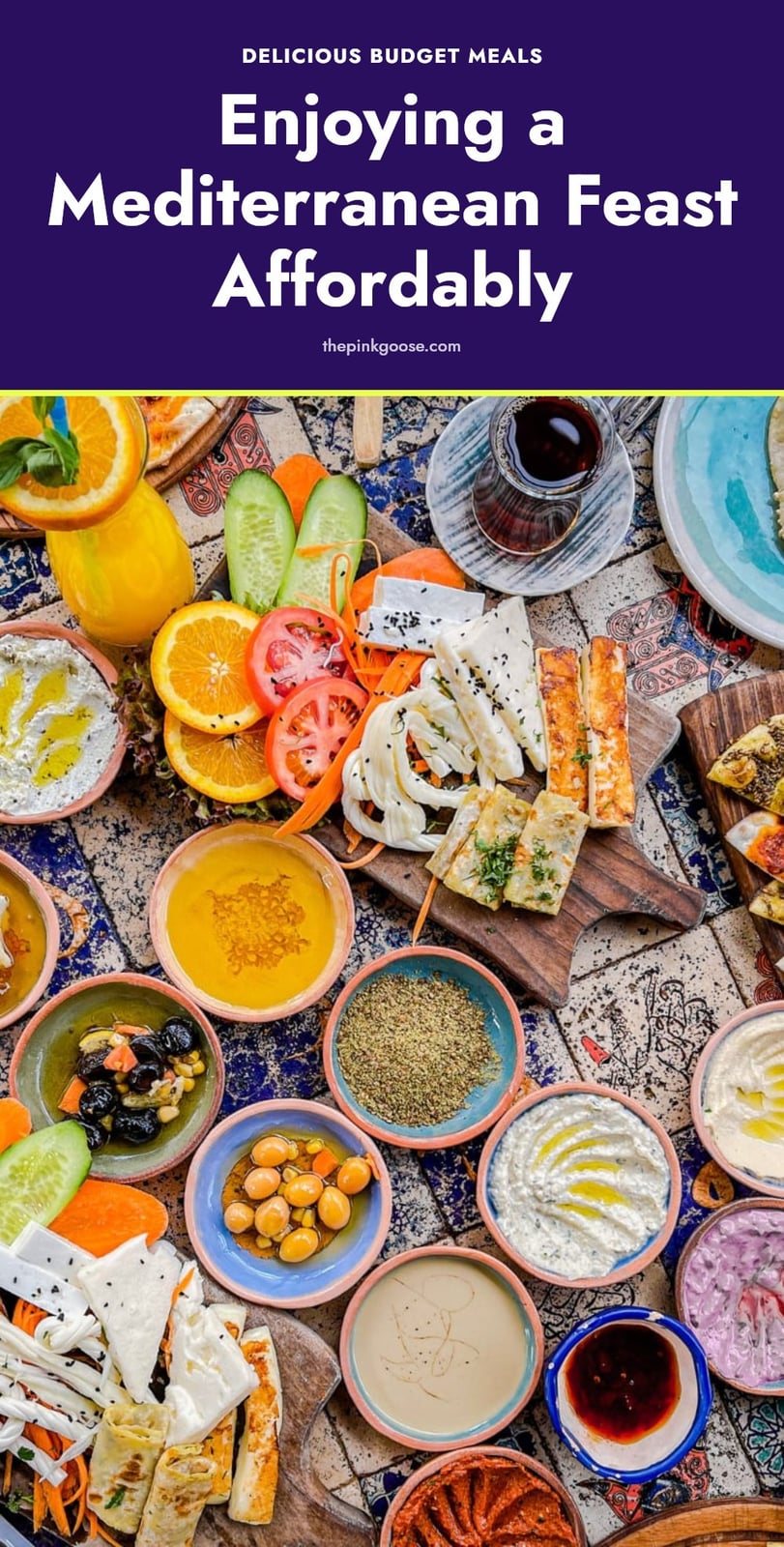
The Mediterranean diet is a plant-forward eating pattern built around whole, unprocessed foods: fruits, vegetables, whole grains, legumes, and healthy fats. It can be very affordable when you prioritize seasonal produce, budget-friendly proteins, and smart shopping strategies. You don’t need expensive or specialty ingredients to enjoy its health benefits. Simple, whole foods are the foundation, and they often cost less than processed alternatives. My tip: start by building meals around what’s on sale or in season, and you’ll naturally keep costs down while eating well.
Budget-Friendly Pantry Staples
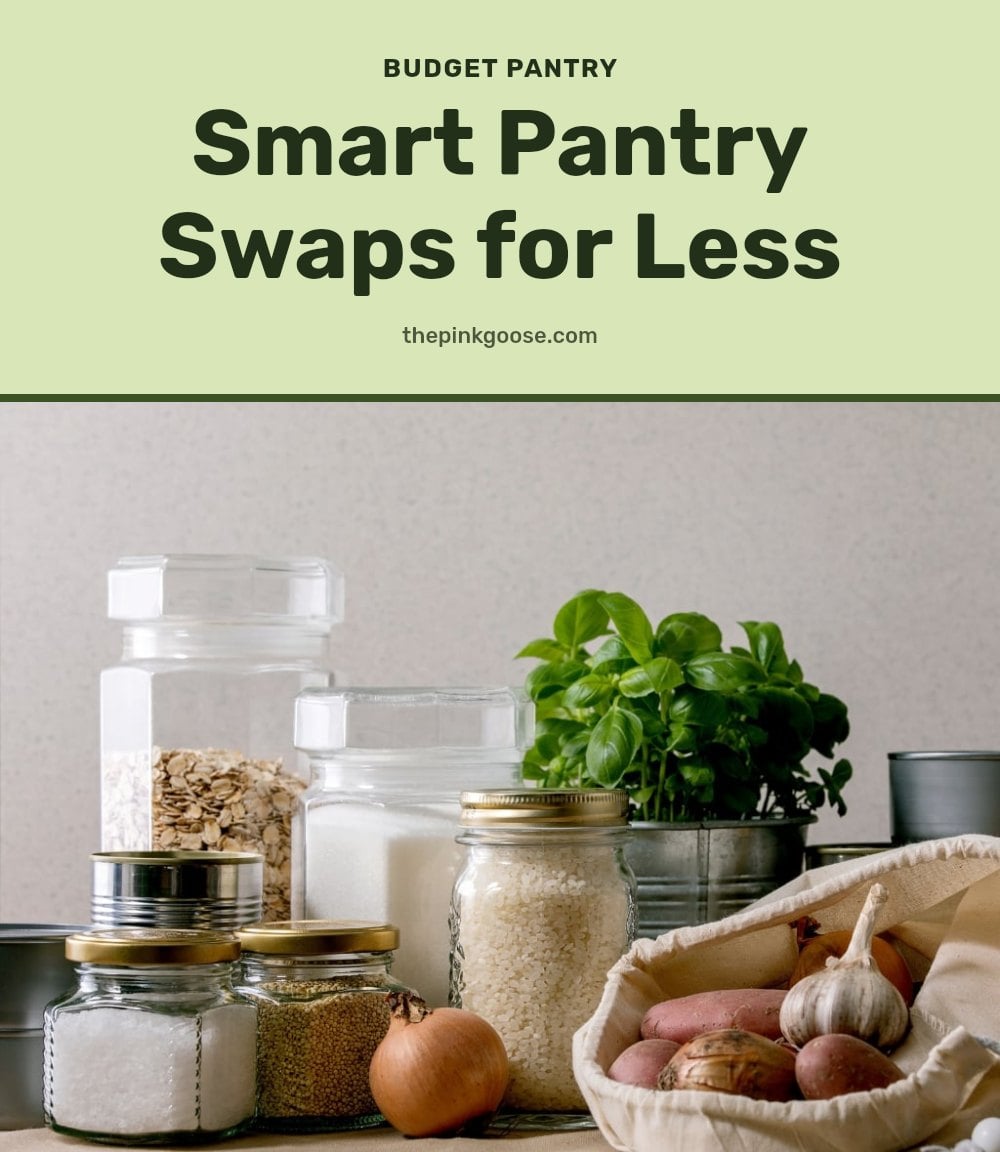
Stock your pantry with these non-perishable staples, and you’ll always have the base for a Mediterranean meal without a trip to the store.
- Dried lentils: Cook in 20 minutes, no soaking needed, and cost less per serving than canned.
- Dried chickpeas: Soak and cook a batch for hummus, salads, and stews at a fraction of the canned price.
- Dried black beans or cannellini beans: Bulk buys save money and let you control sodium.
- Brown rice: A hearty, low-cost whole grain that pairs with any vegetable or bean dish.
- Whole wheat pasta: Look for sales and stock up; it keeps for months.
- Rolled oats: Not just for breakfast, use them in savory veggie burgers or as a binder.
- Quinoa: A complete protein that cooks quickly and stretches meals.
- Canned tuna (in water or olive oil): A shelf-stable protein for salads, sandwiches, and pasta.
- Canned sardines or mackerel: Packed with omega-3s and often cheaper than fresh fish.
- Canned tomatoes (whole or crushed): The base for sauces, soups, and braises year-round.
- Extra-virgin olive oil: Buy a large tin or bottle when it’s on sale; it’s your primary cooking fat.
- Garlic powder and onion powder: Concentrated flavor that never spoils.
- Dried oregano, thyme, and bay leaves: Essential Mediterranean seasonings that cost pennies per use.
- Smoked paprika: Adds depth without salt or expensive ingredients.
- Red wine vinegar or lemon juice (bottled): Brightens beans, grains, and vegetables instantly.
Smart Choices for Fresh Produce
Fresh produce is where you can save the most by shopping smart. Focus on what is in season in your area, and don’t overlook the frozen aisle for out-of-season options.
- Seasonal greens: Spinach, kale, and arugula in cooler months.
- Summer squash: Zucchini and yellow squash are cheap and versatile.
- Eggplant: Roasts well and soaks up olive oil and herbs.
- Bell peppers: Colorful, affordable, and good raw or cooked.
- Tomatoes: Buy fresh in summer, canned or crushed the rest of the year.
- Citrus fruits: Oranges and lemons are budget-friendly in winter.
- Root vegetables: Carrots, sweet potatoes, and beets store well.
- Onions and garlic: Flavor base for almost every savory dish.
- Cabbage: Cheap, keeps for weeks, works raw or sautéed.
- Apples: In-season fall fruit that lasts in the fridge.
- Berries: Buy frozen when fresh are expensive.
- Broccoli and cauliflower: Often priced well year-round.
- Frozen spinach: Just as nutritious as fresh and half the price.
- Frozen mixed vegetables: Peas, corn, and green beans for quick meals.
- Bananas: Always cheap and great for snacks or oatmeal.
Affordable Protein Sources
You don’t need expensive meat to get enough protein on the Mediterranean diet. These budget-friendly options are central to the eating pattern and can be used in a wide variety of meals.
- Eggs (boiled, scrambled, or in frittatas)
- Canned sardines (on salads or toast)
- Canned tuna (in salads or pasta)
- Canned mackerel (in spreads or stews)
- Cooked lentils (in soups or grain bowls)
- Cooked chickpeas (in salads or hummus)
- Cooked black beans (in grain bowls)
- Cooked kidney beans (in stews)
- Cooked split peas (in soups)
- Firm tofu (grilled or in stir-fries)
- Plain Greek yogurt (as a snack or sauce base)
- Low-fat cottage cheese (in salads or on toast)
- Skinless chicken thighs (moderate, weekly)
- Ground turkey (moderate, weekly)
- Canned salmon (occasional, in salads)
Healthy Fats and Flavor Boosters
Healthy fats and bold flavors are what make Mediterranean food satisfying without expensive ingredients. Here are the core sources and how to use them affordably.
- Olive oil: Use extra-virgin olive oil as your main cooking and dressing fat.
- Nuts: Walnuts and almonds add crunch to salads and grain bowls.
- Seeds: Sprinkle sesame or sunflower seeds over roasted vegetables or yogurt.
- Garlic: Sauté minced garlic in olive oil to build a flavor base for nearly any dish.
- Dried oregano: Stir into tomato sauces, marinades, or sprinkle on roasted veggies.
- Fresh basil: Tear leaves over finished pasta, salads, or bruschetta.
- Rosemary: Rub onto chicken or potatoes before roasting.
- Thyme: Add to bean soups and braised vegetables.
- Cumin: Use in lentil dishes or roasted chickpeas for warmth.
- Paprika: Season fish, eggs, or roasted potatoes with smoked or sweet paprika.
- Black pepper: Grind fresh over nearly any savory dish to reduce salt reliance.
- Lemon juice: Squeeze over greens, fish, or grains for brightness.
- Red wine vinegar: Whisk with olive oil for a quick vinaigrette.
- Red wine: Enjoy one small glass with a meal a few times a week, if you choose.
- Water: Make it your main drink; sip throughout the day.
Frequently Asked Questions
Is the Mediterranean diet suitable for weight loss?
Yes, many people find it helpful for weight management because it emphasizes whole, fiber-rich foods and healthy fats that promote satiety. It is not a restrictive diet, so you can adjust portion sizes to meet your goals. For personalized advice, consult a healthcare professional or registered dietitian.
Can I drink coffee on the Mediterranean diet?
Yes, coffee is fine in moderation. Water is the primary beverage, but black coffee or coffee with a small amount of milk is acceptable. Just be mindful of added sugar or heavy cream, which can add extra calories and processed ingredients.
How much olive oil should I use daily?
There is no strict daily limit, but a common guideline is about 1 to 4 tablespoons per day as your main added fat. Use it for cooking vegetables, dressing salads, or drizzling over grains. Listen to your body and adjust based on your overall calorie needs.
Do I have to give up red meat completely?
No, you do not have to give it up entirely. The Mediterranean diet encourages eating red meat sparingly, often only a few times per month. When you do have it, treat it as a small side or accent rather than the main focus of the meal.
What are the cheapest foods for a Mediterranean diet?
The most affordable options are dried beans and lentils, whole grains like oats and brown rice, seasonal vegetables, and frozen fruits. Canned fish such as sardines and tuna are also budget-friendly protein sources. Eggs and in-season greens like spinach round out the list.
Final Thoughts
My tip: start with one or two of these swaps, like switching to dried lentils or buying frozen spinach, and see how much you save. You don’t need to overhaul your kitchen overnight. The Mediterranean diet is a long-term eating pattern, so focus on consistency, not perfection. Over weeks and months of sticking with these affordable choices, you’ll likely notice the benefits without the financial stress.
Keep it simple, cook at home, and let the whole foods do the work.
This article is for general informational purposes only and does not constitute medical or dietary advice. Individual nutritional needs vary, so consult a healthcare professional or registered dietitian before making significant changes to your eating pattern, especially if you have a health condition or dietary restriction.
