

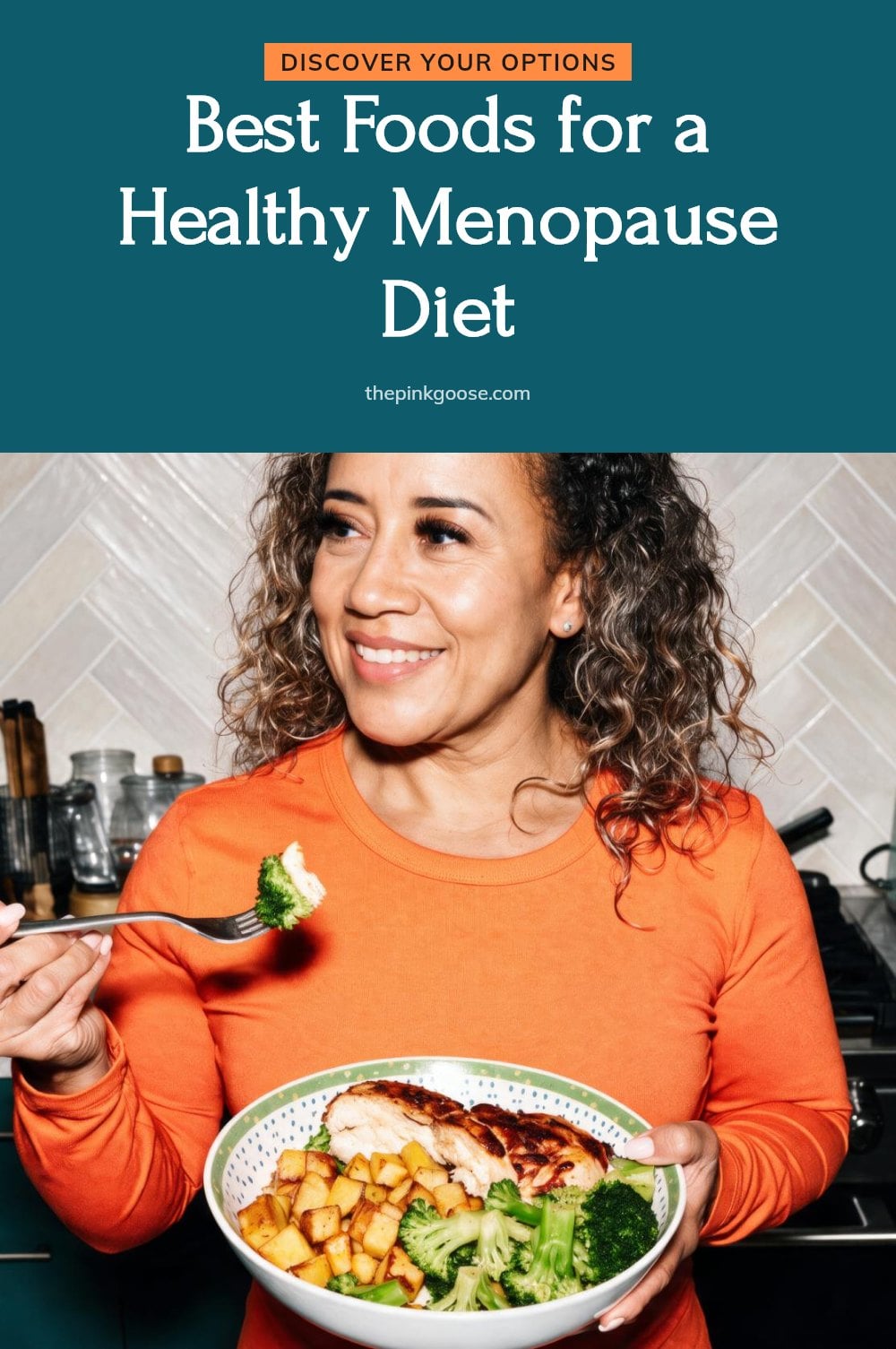
When you’re navigating menopause, it can feel like your body is rewriting all the rules. While there’s no single ‘menopause diet’ that works for everyone, making smart adjustments to what you eat can help manage symptoms like hot flashes, weight changes, and bone health concerns. This article covers the key foods and habits many women focus on to feel their best during this stage.
Key Takeaways
- Focus on a balanced diet rich in fruits, vegetables, whole grains, and lean protein.
- Prioritize calcium and vitamin D to support bone health as estrogen declines.
- Include healthy fats and omega-3s to support heart health and reduce inflammation.
- Limit processed foods, sugary drinks, caffeine, and alcohol if they trigger symptoms.
- Pair dietary changes with strength training for better muscle and bone maintenance.
Your Menopause Diet: What to Focus On
There isn’t a single ‘menopause diet,’ but adjusting your eating habits can significantly help manage symptoms and support long-term health. Focus on nutrient-dense whole foods, adequate protein, healthy fats, and calcium-rich options. Limiting processed foods, excessive sugar, and caffeine can also make a big difference for many women.
1. Prioritize Fruits and Vegetables

Aim for a wide variety of colorful fruits and vegetables daily. They provide essential vitamins, minerals, and antioxidants. The fiber content supports digestive health and can aid in weight management, which is often a concern during menopause.
- My tip: Try to ‘eat the rainbow’ every day to get a broad spectrum of nutrients.
2. Include Lean Protein

Protein is crucial for maintaining muscle mass, which naturally declines with age and hormonal changes during menopause. I usually aim to include a lean protein source in most meals, think chicken, fish, eggs, beans, lentils, or tofu. Adequate protein intake also promotes satiety, which can help with weight management when cravings hit. My tip: Spread your protein evenly across meals rather than loading up at dinner only.
3. Boost Calcium Intake for Bone Health
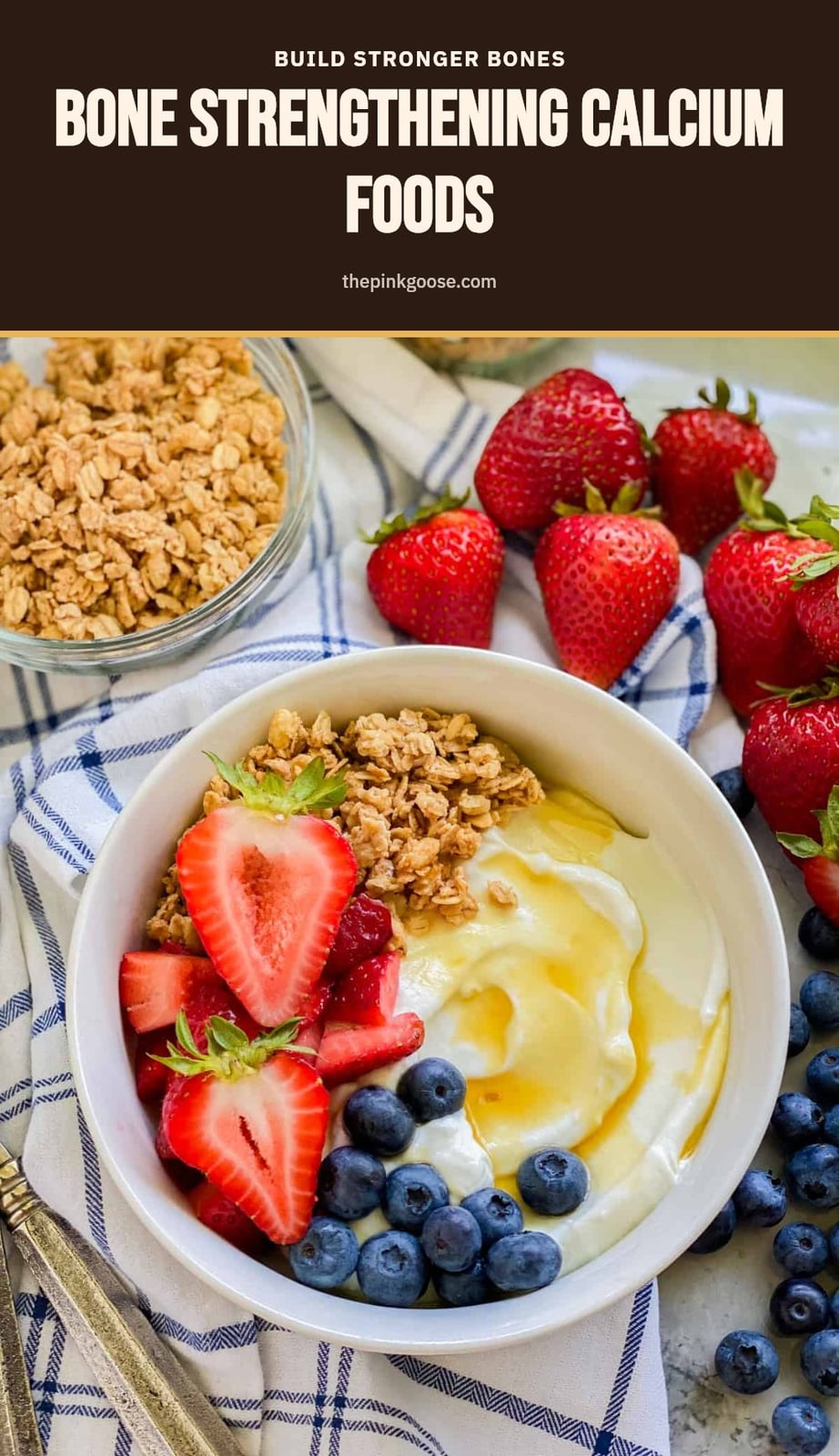
Declining estrogen levels directly affect bone density, so calcium becomes a priority during menopause. Aim for calcium-rich foods such as dairy products (milk, yogurt, cheese), fortified plant milks, and leafy greens like kale and spinach. Many postmenopausal women need increased daily calcium to support strong bones, so including these sources in most meals is a smart move.
- Dairy: A serving of yogurt or a glass of milk provides a substantial amount of calcium.
- Fortified options: Look for plant milks and juices with added calcium.
- Leafy greens: Kale, spinach, and collard greens are excellent plant-based sources.
4. Get Enough Vitamin D
Vitamin D is essential for your body to absorb calcium effectively. Without enough, even a high-calcium diet won’t fully protect your bones. Good sources include fatty fish like salmon and mackerel, fortified foods such as some dairy and plant milks, and sensible sunlight exposure.
If you’re concerned about your levels, talk to your doctor about testing. They can recommend supplementation if needed, but don’t start a supplement without professional guidance, as too much can be harmful.
5. Choose Healthy Fats
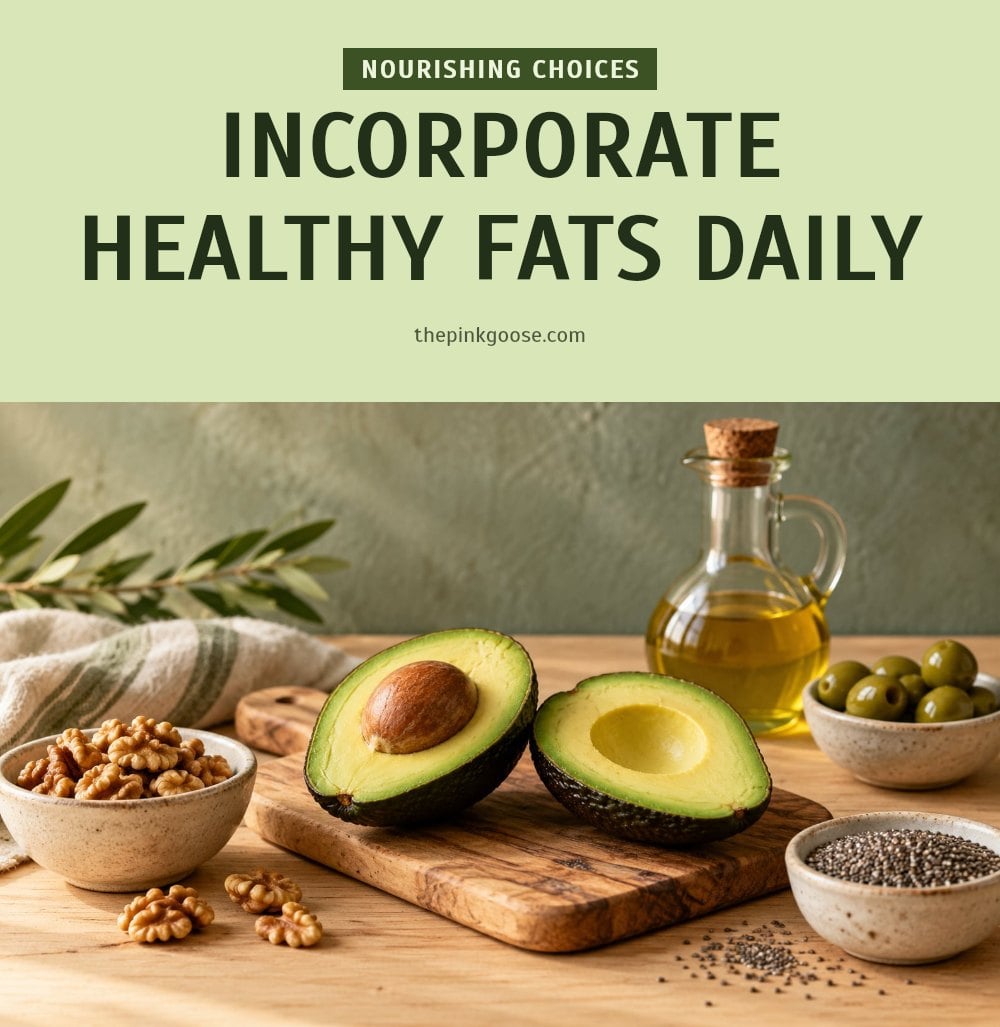
Incorporate healthy fats from sources like avocados, nuts, seeds, and olive oil into your daily meals. These support heart health, which becomes increasingly important after menopause due to declining estrogen. Omega-3 fatty acids, found in fatty fish like salmon and mackerel, may also help reduce inflammation.
Tip: A handful of almonds or walnuts makes a great snack, and a drizzle of olive oil can transform any salad or roasted vegetable dish.
6. Stay Hydrated with Water

Adequate hydration is vital for overall health and can help manage some menopausal symptoms. Drinking plenty of water throughout the day supports skin elasticity, aids digestion, and can help with energy levels.
Good to know: Keep a reusable water bottle handy to remind yourself to sip regularly. If plain water feels boring, add a slice of lemon, cucumber, or a few berries for flavor.
7. Consider Phytoestrogen-Rich Foods
Phytoestrogens are plant compounds with a chemical structure similar to estrogen. Foods like soy, flaxseeds, and certain whole grains contain them and may help alleviate some menopausal symptoms for certain women, such as hot flashes.
It’s worth exploring if these foods make a difference for you, but individual responses can vary. Try adding tofu to a stir-fry, sprinkling ground flaxseeds on oatmeal, or choosing edamame as a snack.
8. Limit Processed Foods and Sugary Drinks
Processed foods, sugary drinks, and refined carbohydrates can contribute to weight gain and blood sugar fluctuations, both of which are common challenges during menopause. Reducing these supports stable energy levels and makes weight management easier.
- Swap sugary drinks: Replace soda and sweetened teas with water or herbal tea.
- Choose whole grains: Opt for oats, quinoa, or brown rice instead of white bread or pasta.
- Read labels: Watch for added sugars in sauces, dressings, and packaged snacks.
9. Reduce Caffeine, Alcohol, and Spicy Foods

For some women, spicy foods, caffeine, and alcohol can act as triggers for hot flashes. Pay attention to your body and consider reducing or eliminating these if you notice they exacerbate your symptoms.
Pro move: Keep a symptom journal to track potential triggers and see what works best for you. Note what you ate or drank and when a hot flash occurred, patterns often emerge within a week or two.
10. Maintain a Healthy Weight
Weight gain, especially around the abdomen, is common during menopause due to hormonal shifts and changes in metabolism. A balanced diet combined with regular physical activity is key to managing your weight and reducing the risk of associated health issues like heart disease and diabetes.
Focus on nutrient-dense whole foods and include both cardio and strength training in your routine for the best results.
11. Consider Magnesium-Rich Foods
Magnesium plays a role in many bodily functions, and some evidence suggests it may help with sleep and bone health. Good sources include leafy greens, nuts, seeds, whole grains, and dark chocolate.
If you’re struggling with sleep, ensuring adequate magnesium intake could be beneficial. A small handful of almonds or a square of dark chocolate before bed is an easy way to add more to your day.
Common Menopause Diet Mistakes to Avoid
Believing in a ‘magic bullet’ diet: There’s no single eating plan that will eliminate all menopausal symptoms. Focus on sustainable, balanced eating instead of chasing quick fixes.
Ignoring strength training: Diet is crucial, but strength training is equally important for maintaining bone and muscle health during this stage. Pair your nutrition with regular resistance exercise.
Cutting out entire food groups unnecessarily: Unless advised by a professional, extreme restrictive diets can lead to nutrient deficiencies. A varied diet is usually the best approach.
Not consulting a professional: For personalized advice, especially if you have existing health conditions, talk to a doctor or registered dietitian. They can help tailor a plan to your needs.
Underestimating lifestyle factors: Stress and sleep significantly impact menopausal symptoms. A healthy diet works best when combined with good stress management and adequate rest.
Frequently Asked Questions
Can a menopause diet help with hot flashes?
Some women find that certain dietary changes help reduce hot flashes. For example, limiting spicy foods, caffeine, and alcohol may help if they act as triggers. Including phytoestrogen-rich foods like soy and flaxseeds may also provide relief for some women, though results vary from person to person.
Is weight gain inevitable during menopause?
Weight gain, especially around the abdomen, is common due to hormonal shifts and a slower metabolism, but it is not inevitable. A balanced diet rich in fiber and protein, combined with regular physical activity and strength training, can help you manage your weight effectively during this stage.
How much calcium do I need during menopause?
Calcium needs often increase after menopause to support bone health, with many health organizations recommending around 1,200 milligrams per day for postmenopausal women. Good sources include dairy products, fortified plant milks, and leafy greens. It’s best to get calcium from food first, but talk to your doctor about supplements if needed.
What are phytoestrogens and where can I find them?
Phytoestrogens are plant compounds that have a chemical structure similar to estrogen. They are found in foods like soy (tofu, edamame, soy milk), flaxseeds, and certain whole grains. For some women, including these foods may help ease menopausal symptoms such as hot flashes.
Should I cut out all sugar during menopause?
You don’t need to eliminate all sugar, but it’s wise to reduce added sugars from processed foods, sugary drinks, and refined carbs. These can contribute to blood sugar swings and weight gain, which are common concerns during menopause. Focus on whole foods and natural sugars from fruits instead.
Final Thoughts
Start by making one or two changes, like adding a serving of leafy greens or swapping sugary drinks for water. It can take a few weeks to notice shifts in your energy or symptom patterns, so give your body time to adjust. The goal is not perfection but building sustainable habits that support your health through menopause and beyond.
This article is for general informational purposes only and does not constitute medical advice. Every woman’s experience with menopause is unique, and dietary needs can vary based on individual health conditions. Consult a doctor or registered dietitian before making significant changes to your diet, especially if you have existing health concerns or are considering supplements.
