

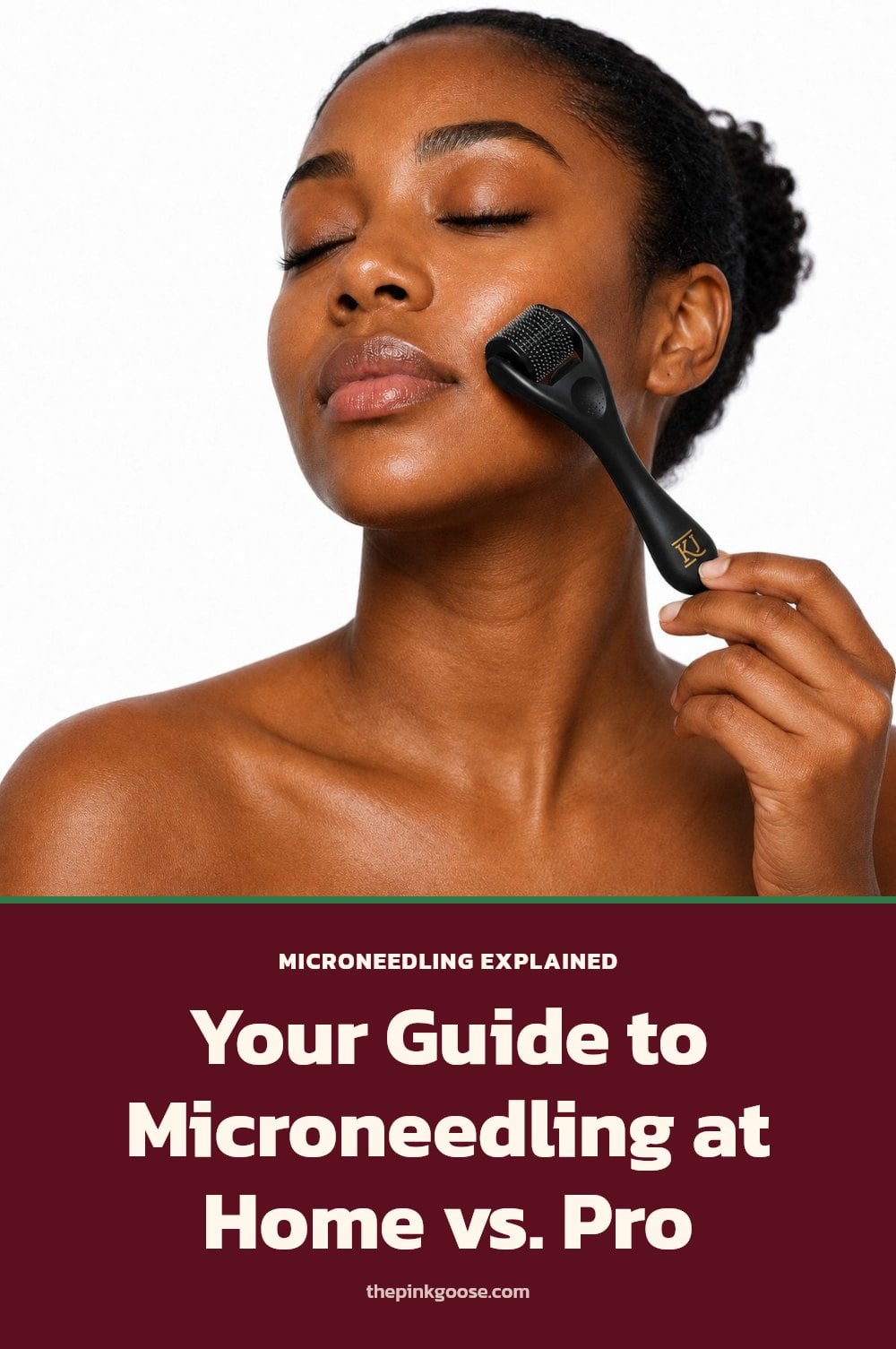
You’ve probably heard about microneedling and its ability to improve skin texture, but you might be wondering whether to book a professional session or try an at-home device. The answer depends on your goals, budget, and how much downtime you can handle. This article breaks down the key differences between professional and at-home microneedling, what each can realistically achieve, and the safety steps you need to know before you start.
Key Takeaways
- Professional microneedling uses needles from 0.5mm to 3.0mm for deeper concerns like acne scars and significant wrinkles.
- At-home devices typically have needles from 0.1mm to 0.25mm and are best for product absorption and superficial texture.
- Proper sterilization of at-home devices is essential to prevent infection and scarring.
- Professional treatments require 3-6 sessions spaced 4-6 weeks apart for optimal results.
- Consult a dermatologist before microneedling if you have active acne, eczema, rosacea, or other skin conditions.
Professional vs. At-Home Microneedling: The Core Difference
Professional microneedling uses medical-grade devices with needles from 0.5mm to 3.0mm to target deeper concerns like acne scars and significant wrinkles. A licensed practitioner performs the treatment in a sterile environment, often with numbing cream for comfort. At-home microneedling relies on shorter needles, typically 0.1mm to 0.25mm, for superficial skin texture and better product absorption with minimal downtime. Your choice comes down to your specific skin concerns, the results you want, your budget, and how much downtime and risk you can tolerate.
How Microneedling Works to Transform Your Skin
Microneedling, also called collagen induction therapy, works by creating controlled micro-injuries in the top layer of the skin. These tiny punctures trigger your body’s natural wound healing process. In response, your skin ramps up production of collagen and elastin, the two proteins responsible for firmness, elasticity, and a smooth texture.
As new collagen and elastin fill in the micro-injuries, you see gradual improvements in skin texture, tone, and firmness. Fine lines soften, pores appear smaller, and the overall surface becomes more even. This mechanism is the same whether you choose a professional treatment or an at-home device, but the depth of the micro-injuries determines how much change you can expect.
What collagen induction does for your skin
- Improves skin texture and tone
- Boosts firmness and elasticity
- Softens fine lines and superficial scars
- Enhances absorption of skincare products
At-Home vs. Professional Microneedling: A Detailed Comparison
Here is a side-by-side look at how professional and at-home microneedling compare across the key factors that matter most.
| Feature | Professional Microneedling | At-Home Microneedling |
|---|---|---|
| Needle length | 0.5mm to 3.0mm | 0.1mm to 0.25mm |
| Treatment depth | Deep dermis | Superficial epidermis |
| Concerns addressed | Acne scars, deep wrinkles, texture | Product absorption, minor texture, radiance |
| Practitioner | Licensed dermatologist or aesthetician | You |
| Environment | Sterile clinical setting | Your home |
| Numbing | Usually applied | Not needed |
| Downtime | 1-3 days (redness, swelling) | Minimal (slight redness for hours) |
| Results | Dramatic, long-lasting | Subtle, requires consistent use |
| Risks | Low when done by a professional | Low if done correctly; higher with improper use |
Professional treatments offer deeper penetration and more dramatic results, but they require a sterile environment and expert technique. At-home devices are safer for superficial use when you follow instructions carefully, but they cannot match the depth or impact of an in-office session.
Understanding Professional Microneedling Treatments
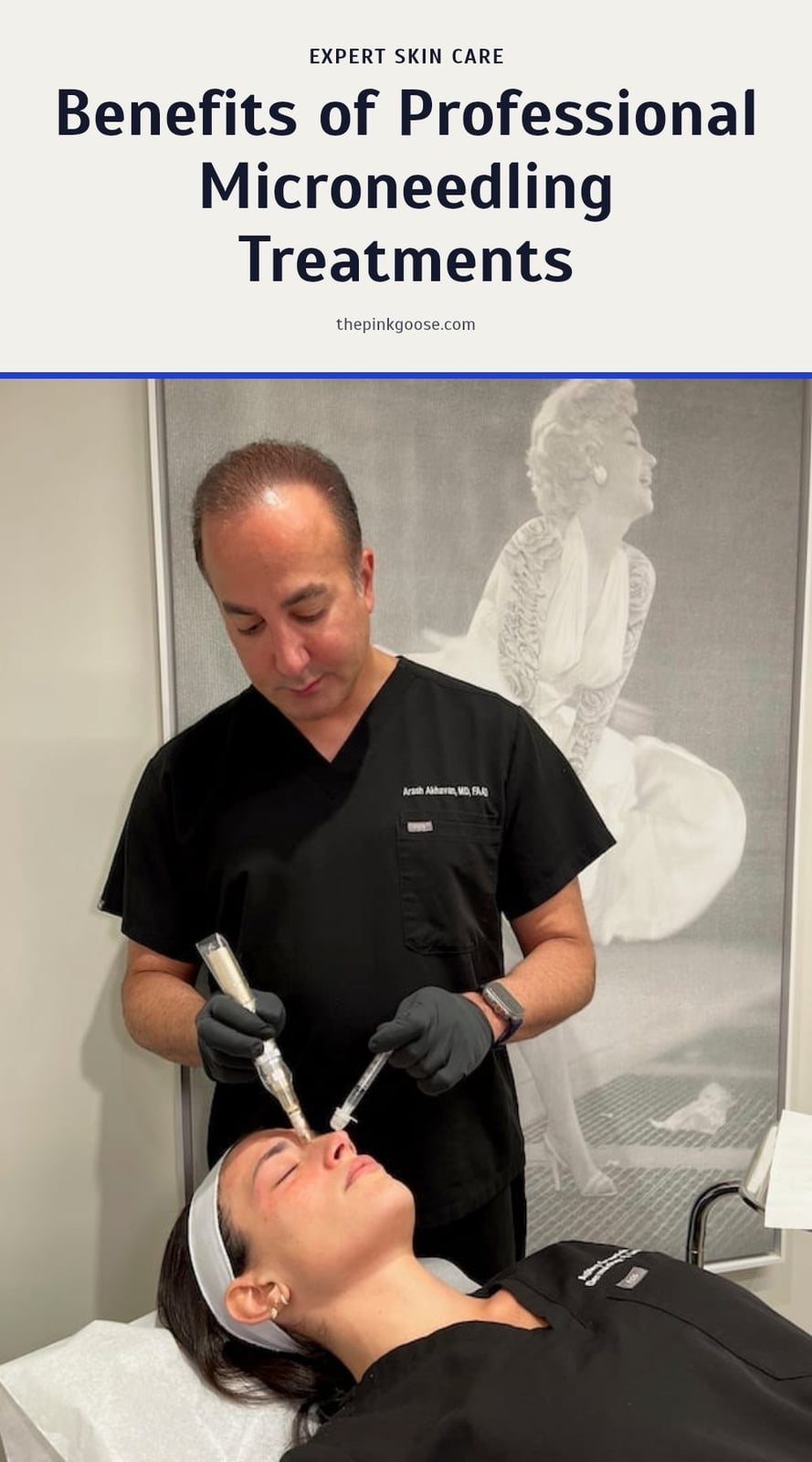
Professional microneedling uses needles from 0.5mm to 3.0mm to reach the deeper layers of the skin where collagen and elastin are produced. This depth allows it to address more stubborn issues like acne scars, significant wrinkles, and pronounced texture problems. A licensed dermatologist or aesthetician performs the treatment in a sterile clinical environment, and a topical numbing cream is typically applied beforehand to minimize discomfort.
Results are more dramatic and longer-lasting than at-home options. Most people need a series of 3 to 6 sessions, spaced about 4 to 6 weeks apart, to achieve their desired outcome. Initial improvements may be visible after a few weeks, but optimal results develop over several months as new collagen builds.
Professional treatments can also be combined with other procedures for enhanced outcomes. Platelet-rich plasma (PRP) is a common add-on, where your own blood is processed and applied to the skin during microneedling to boost healing and collagen production. Your provider may also apply custom serums with growth factors or hyaluronic acid immediately after the procedure.
What to Expect from At-Home Microneedling
What to Expect from At-Home Microneedling
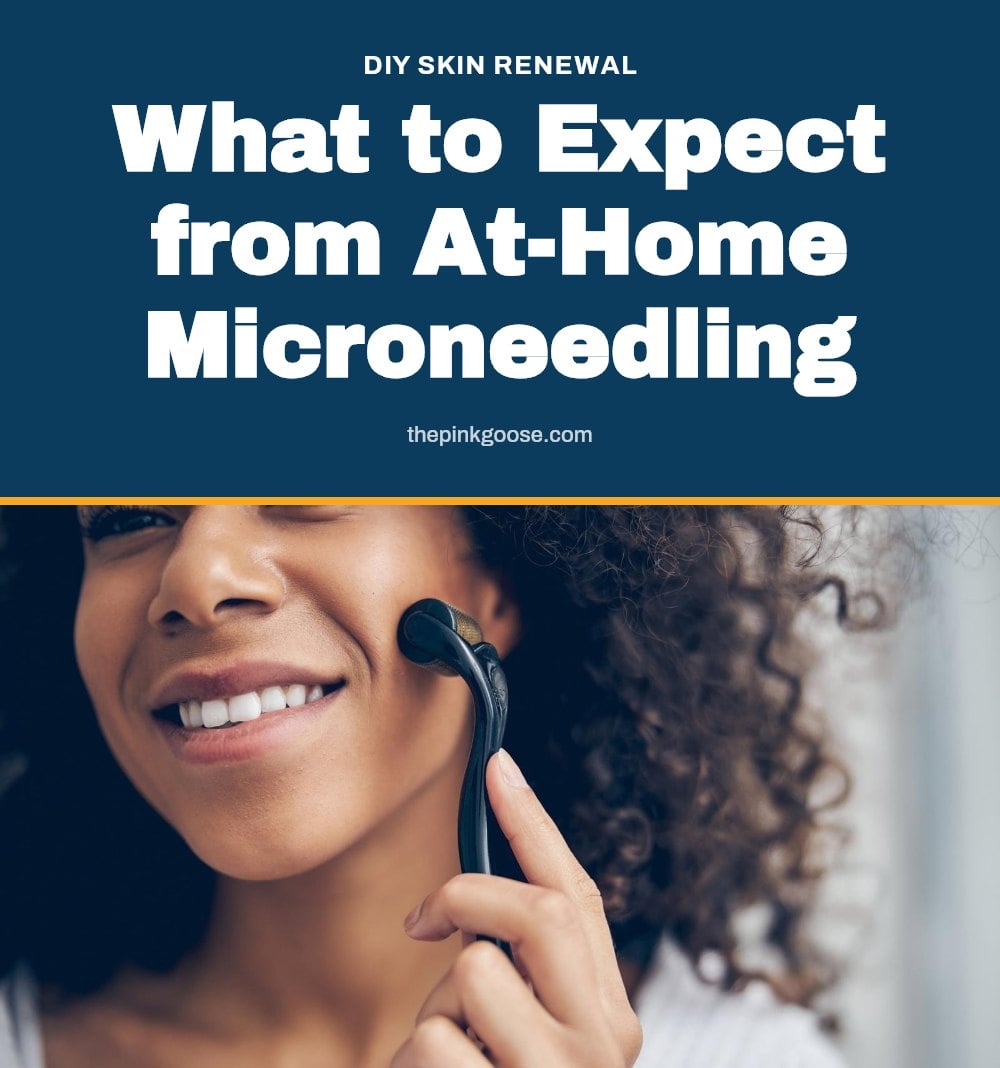
At-home devices use shorter needles, typically 0.1mm to 0.25mm, which stay in the top layer of the skin. This makes them ideal for boosting product absorption and improving superficial texture, not for tackling deep scars or wrinkles. You might see a slight glow or better serum penetration after each session, but the changes are gradual.
Downtime is minimal. Expect some redness for a few hours, similar to a mild sunburn, and then you can go about your day. Results are subtle and require consistent use over time. I usually recommend 1-2 sessions per week for several months to notice a real difference in radiance and fine lines.
Caution: The biggest risk with at-home devices comes from skipping sterilization or using needles longer than 0.25mm without professional guidance. Always clean your device with rubbing alcohol before and after each use, and replace rollers or cartridges as the manufacturer advises, usually every 10-15 uses.
Common Microneedling Mistakes to Avoid
Common Microneedling Mistakes to Avoid
- Using needles that are too long at home: Stick to 0.25mm or less for at-home use. Longer needles can cause injury, infection, and scarring without proper training.
- Improper sterilization: Always sterilize your device with rubbing alcohol before and after each use. Skipping this step raises the risk of bacterial infection.
- Microneedling over active skin conditions: Never use microneedling on active acne, eczema, rosacea, open wounds, or irritated skin. It can spread bacteria or worsen inflammation.
- Applying harsh products post-treatment: Avoid retinoids, AHAs/BHAs, and Vitamin C immediately after, especially with longer needles. Stick to gentle, hydrating serums to prevent irritation.
- Over-treating the skin: Follow recommended frequencies. At-home treatments should be 1-2 times a week; professional sessions need 4-6 weeks between them to allow full healing.
- Ignoring contraindications: Do not microneedle if you are pregnant, breastfeeding, prone to keloid scars, or on medications like blood thinners. Consult a dermatologist first.
Essential Aftercare for Microneedling

Essential Aftercare for Microneedling
Your skin is more vulnerable right after microneedling, so treat it gently. Use a gentle, hydrating, and fragrance-free skincare routine for several days. I like to apply a hyaluronic acid serum to soothe and support healing.
Sun protection is non-negotiable. Apply a broad-spectrum sunscreen daily, and avoid direct sun exposure and extreme heat like saunas or hot baths for at least 48 hours. Your skin will be more sensitive to UV damage during this window.
For professional treatments, do not apply makeup for at least 24 hours. Always follow the specific post-care instructions from your practitioner or device manufacturer to avoid complications.
Treatment Timelines and Cost Considerations
Treatment Timelines and Cost Considerations
Professional microneedling typically requires a series of 3-6 sessions, spaced 4-6 weeks apart. You might see initial results within a few weeks, but the optimal collagen remodeling happens over several months after your last session. Each session is a significant investment, often hundreds of dollars.
At-home microneedling is a different commitment. You can do it 1-2 times a week, and subtle improvements in texture and radiance build up over several months. The initial cost of a device is much lower, but you need to replace rollers or cartridges regularly, usually every 10-15 uses, which adds up over time.
When to Consult a Professional
Before you start microneedling, check in with a dermatologist or licensed professional, especially if you have existing skin conditions like acne, eczema, or rosacea. They can tell you whether microneedling is safe for your skin type and which approach fits your needs.
For deeper concerns like significant acne scars, deep wrinkles, or severe texture issues, professional treatment is the better route. At-home devices simply cannot reach the depth needed to make a meaningful difference for those problems.
If you use an at-home device and notice signs of infection, such as pus, fever, severe swelling, or increasing pain, stop immediately and seek medical attention. Also consult a professional if you experience excessive pain, prolonged redness, bleeding, or an allergic reaction after at-home use.
Caution: Do not microneedle over moles, warts, or any skin lesions without having them evaluated by a professional first.
Frequently Asked Questions
How often can I microneedle at home?
For at-home microneedling with needles 0.25mm or shorter, you can safely use the device 1-2 times per week. This frequency allows your skin enough time to heal and respond to the micro-injuries without over-treating. Always follow the manufacturer’s recommendations for your specific device.
Can microneedling help with dark spots?
Microneedling may help improve the appearance of dark spots, particularly when combined with topical brightening serums. Professional treatments can reach deeper layers where pigmentation forms, while at-home devices offer more subtle, superficial improvement. For stubborn dark spots, a dermatologist can advise on whether microneedling is a suitable option for your skin type.
Is microneedling painful?
Professional microneedling usually involves applying a numbing cream beforehand, so most people feel only mild pressure or a light pricking sensation during the treatment. At-home devices with shorter needles are generally less uncomfortable, often described as a slight tingling or light sandpaper feel. Pain tolerance varies, but the procedure is widely considered tolerable.
What should I apply after microneedling?
After microneedling, stick to a gentle, hydrating, and fragrance-free routine. A hyaluronic acid serum is a great choice to soothe and support healing. Avoid harsh active ingredients like retinoids, AHAs, BHAs, and vitamin C immediately after treatment, especially with longer needles. Sunscreen is essential every day following microneedling.
Can I wear makeup after microneedling?
You should avoid applying makeup for at least 24 hours after professional microneedling to reduce the risk of irritation and infection. For at-home microneedling, it’s best to wait a few hours until any redness subsides. When you do apply makeup, use clean brushes or sponges and choose non-comedogenic, gentle formulas.
Final Thoughts
If your main goal is to tackle deep acne scars or significant wrinkles, professional microneedling is the more effective route, though it requires a series of sessions and a few days of downtime. For improving product absorption and giving your skin a subtle, gradual glow, an at-home device with needles 0.25mm or shorter can be a safe addition to your routine when used consistently and with proper sterilization. Whichever path you choose, always prioritize safety and consult a professional if you have any doubts about your skin’s readiness.
This article is for informational purposes only and does not constitute medical or professional advice. Microneedling carries risks, including infection, scarring, and hyperpigmentation, especially when performed improperly. Always consult a dermatologist or licensed professional before starting any microneedling treatment, particularly if you have existing skin conditions, are pregnant, or are on certain medications.
