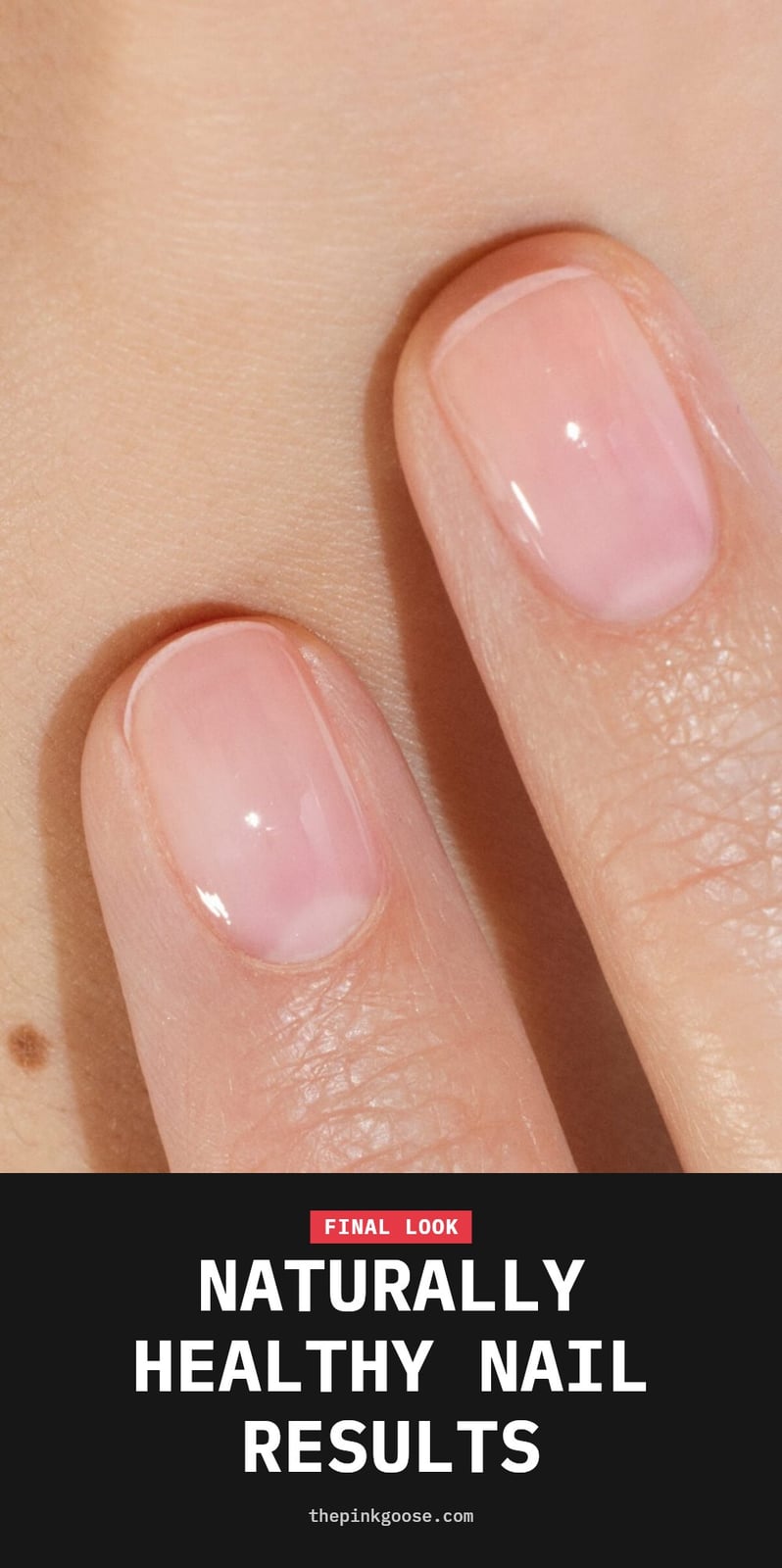
You don’t need a lot of time to keep your nails looking their best. A focused routine of just 5 to 10 minutes once or twice a week, plus daily moisturizing, can make a real difference in strength and appearance within a few weeks. This article covers the essential steps, common mistakes to skip, and simple habits that protect your nails from daily wear.
Key Takeaways
- File nails in one direction only to prevent splitting and peeling.
- Moisturize nails and cuticles daily with oil or hand cream.
- Always wear gloves when washing dishes or using cleaning products.
- Use a non-acetone nail polish remover to avoid drying out nails.
- Apply a base coat before colored polish to protect against staining.
Achieve Healthy Nails with a Simple Weekly Routine
You don’t need a salon appointment to have strong, healthy nails. A consistent routine of just 5 to 10 minutes once or twice a week, paired with daily moisturizing, can noticeably improve nail strength and appearance within a few weeks. Focus on four actions: gentle cleaning, proper shaping, thorough moisturizing, and protection. This simple approach prevents common problems like breakage, peeling, and dryness, so your nails always look their best.
Your Essential Nail Care Toolkit
To build an efficient nail care kit, you only need a few essentials:
- Fine-grit or glass nail file: It shapes nails gently without causing splits or peeling.
- Cuticle oil or balm and hand cream: Hydration keeps nails flexible and prevents brittleness.
- Non-acetone nail polish remover: It removes polish without drying out the nail plate.
- Rubber gloves: They shield your nails from harsh cleaning chemicals and excessive water.
Your 10-Minute Weekly Nail Care Steps
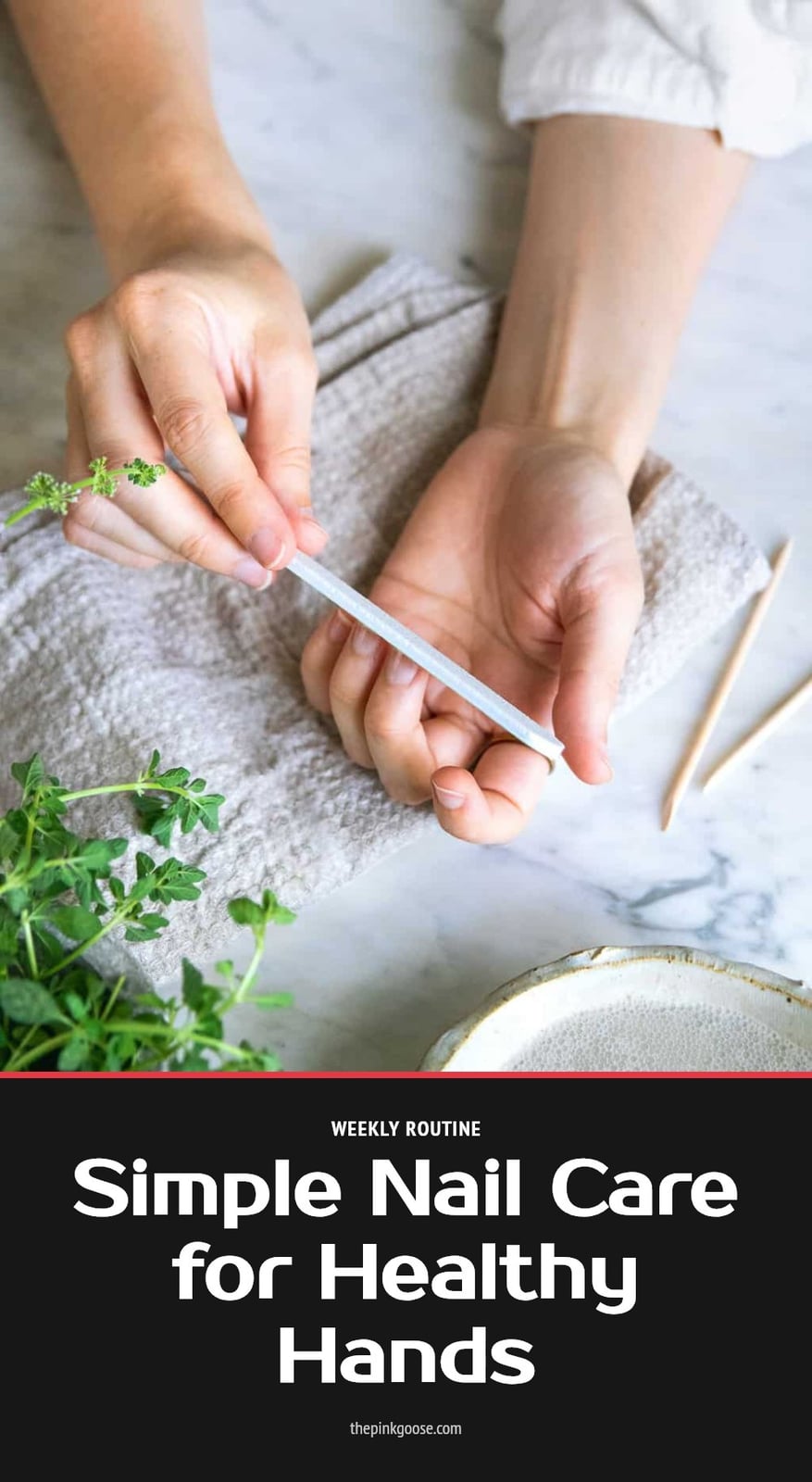
- Clean your nails: Start by gently removing any old nail polish with a non-acetone remover and a cotton pad. Acetone-free formulas are less drying, so your nails stay flexible instead of becoming brittle. If there is no polish, simply wash your hands with mild soap and a soft nail brush to lift dirt from under the tips.
- File in one direction: Choose a fine-grit or glass file and shape your nails by moving the file from the outer edge toward the center in one smooth stroke. Filing back and forth creates micro-tears that lead to peeling and splits. Aim for a gentle curve that follows the natural shape of your fingertip.
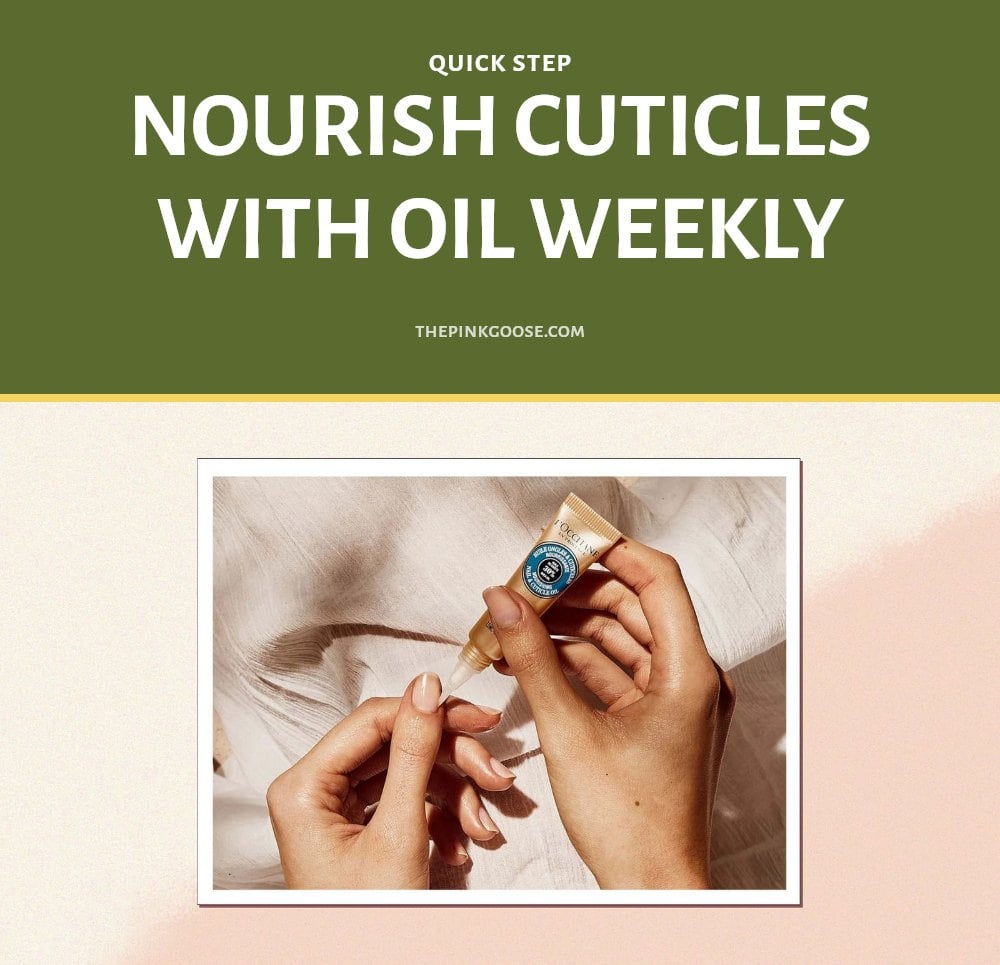
- Moisturize your cuticles: Apply cuticle oil or a rich hand cream to each nail and massage it into the cuticle area. This keeps the nail bed hydrated and improves flexibility, reducing the risk of hangnails and cracking. For best results, make this a daily habit, not just a weekly step.
- Apply base and top coats: If you wear polish, always start with a base coat to prevent staining, especially with dark shades. Finish with a top coat to seal the color and add shine, which also helps your manicure last longer without chipping. Let each layer dry completely before adding the next.
Common Nail Care Mistakes and How to Avoid Them
Even small habits can damage your nails. Here are common mistakes and how to fix them:
- Cutting cuticles: This can lead to infection. Instead, gently push them back after a shower or soak.
- Filing back and forth: It creates tiny splits. Always file in one direction to keep the edge smooth.
- Skipping base coat: Dark polishes can stain nails. A base coat acts as a barrier.
- Using nails as tools: Opening cans or scratching off labels causes breakage. Grab the right tool for the job.
Expert Tips for Stronger, Healthier Nails
Hydration starts from the inside out. Drinking enough water throughout the day helps maintain nail flexibility and prevents brittleness, since nails are made of keratin, a protein that needs moisture to stay strong. On the outside, apply cuticle oil or hand cream daily to lock in moisture and improve nail flexibility.
Tip: Wear rubber gloves for any household chore that involves water or cleaning chemicals. This simple step shields your nails from harsh substances that strip natural oils.
If you buff your nails, do it gently and no more than once every few weeks. Aggressive buffing thins the nail plate, making nails weaker over time.
Protecting Your Nails from Daily Damage
Daily habits can quietly damage your nails. The most effective protection is consistent moisturizing. Apply hand cream or cuticle oil after every hand wash to prevent dryness and brittleness.
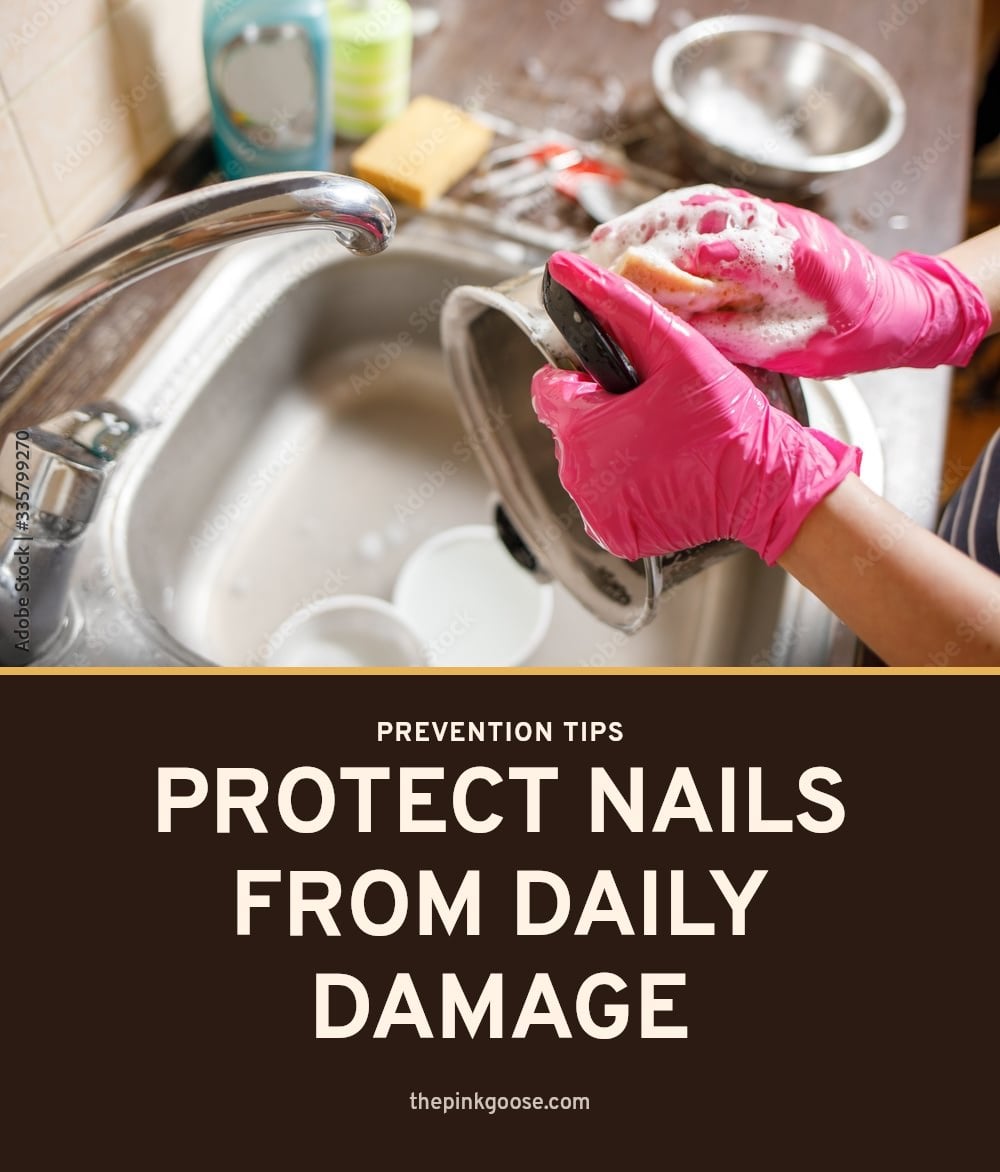
Always wear gloves when washing dishes or using cleaning products. Harsh chemicals and prolonged water exposure weaken the nail plate and strip natural moisture.
Never use your nails as tools. Opening cans, peeling stickers, or scratching surfaces causes chips, breaks, and trauma. Reach for a proper tool instead.
Choose non-acetone nail polish remover. It is less drying than acetone formulas, so it minimizes damage to the nail plate and keeps nails more flexible.
When to Consult a Professional About Your Nails
While most nail issues improve with consistent care, some changes need a professional evaluation. See a doctor if you notice persistent discoloration, pain, swelling, or changes in nail texture. These may signal an underlying health condition or a fungal infection.
Also seek advice if severe brittleness, peeling, or cracking does not get better after several weeks of proper home care. This content is not a substitute for medical guidance.
Frequently Asked Questions
How often should I moisturize my nails?
For best results, apply cuticle oil or hand cream at least once daily. Many people find it helpful to moisturize after every hand wash to lock in moisture and prevent brittleness.
Can I use regular lotion instead of cuticle oil?
Yes, regular hand lotion or cream can work well for moisturizing nails and cuticles. Cuticle oil is more targeted and may penetrate deeper, but consistent use of any good moisturizer is what matters most.
What is the best way to prevent nail splitting?
File nails gently in one direction using a fine-grit or glass file. Avoid sawing back and forth, which creates tiny splits. Keeping nails well-moisturized also helps them stay flexible and less prone to splitting.
How can I stop my nails from peeling?
Peeling often results from dryness or trauma. Moisturize daily, avoid using nails as tools, and skip harsh nail buffers. A strengthening base coat may also help protect the nail surface while it grows out.
Is it bad to wear nail polish all the time?
Wearing polish continuously can sometimes lead to staining or dryness, especially if you use acetone removers. Give your nails a break for a day or two between polishes to let them rehydrate and recover.
Final Thoughts
Stick with a simple weekly routine and daily moisturizing, and you will likely see stronger, healthier nails in a few weeks. The most important rule is to protect your nails from harsh chemicals and trauma, so keep gloves handy and resist the urge to use nails as tools. A little consistent care goes a long way toward nails that look and feel great.
This article is for general informational purposes only and does not constitute medical or professional advice. If you have persistent nail discoloration, pain, swelling, or changes in texture, please consult a doctor or dermatologist for a proper evaluation.