

You wash your face, skip the moisturizer, and still end up with a shiny T-zone by noon. If that sounds familiar, you might be making a few common mistakes that are actually making your oily skin worse. In this article, I’ll walk you through the biggest culprits behind excess shine and share practical, gentle strategies to help you get your skin back in balance.

Key Takeaways
- Cleanse twice daily with a gentle, sulfate-free cleanser and lukewarm water.
- Always apply a lightweight, non-comedogenic moisturizer, even if your skin feels oily.
- Exfoliate with a gentle chemical exfoliant like BHA or AHA 1-3 times a week.
- Clean makeup brushes and sponges at least once a week to prevent oil buildup.
- Wear oil-free, gel-based sunscreen every day to protect without adding shine.
Why Your Skin Might Be Oilier Than You Think
If your skin feels oilier than usual, the culprit may not be genetics alone. Many common skincare habits inadvertently strip the skin’s natural oils, triggering a compensatory overproduction of sebum. Over-cleansing, skipping moisturizer, or using alcohol-based toners can send your sebaceous glands into overdrive. Understanding these mistakes and switching to a gentle, balanced routine is key to managing shine and breakouts effectively. Small adjustments can make a big difference in how your skin behaves.
Understanding Why Your Skin Produces Too Much Oil
What Causes Oily Skin?
Oily skin is characterized by an overproduction of sebum from the sebaceous glands. Sebum is a natural oily substance that lubricates and protects the skin, but when produced in excess, it leads to shine and clogged pores. Several factors influence sebum production, including genetics, hormones, diet, climate, and stress. Hormonal fluctuations, especially during puberty or menstrual cycles, can ramp up oil output. Diet and stress may also play a role, though their effects vary from person to person.
Crucially, over-cleansing or using harsh products can strip the skin, signaling it to produce more oil to compensate for dryness. This is why a gentle approach is essential. Instead of aggressively removing oil, focus on maintaining balance. Understanding this compensatory mechanism is the first step to managing oily skin effectively.
Common Oily Skin Mistakes That Make Shine Worse
Common Mistakes That Worsen Oiliness
- Over-washing your face: Cleansing more than twice a day can strip natural oils, leading to increased sebum production.
- Skipping moisturizer: Believing moisturizer makes oily skin worse is a myth. Skipping it can signal the skin to produce more oil to compensate for dryness.
- Using harsh, alcohol-based products: These dehydrate the skin, potentially leading to increased oil production and irritation.
- Aggressive exfoliation: Overly abrasive physical scrubs or frequent, strong chemical exfoliation can irritate the skin and stimulate oil production.
- Using comedogenic products: Heavy, occlusive, or pore-clogging makeup and skincare can trap oil and worsen breakouts.
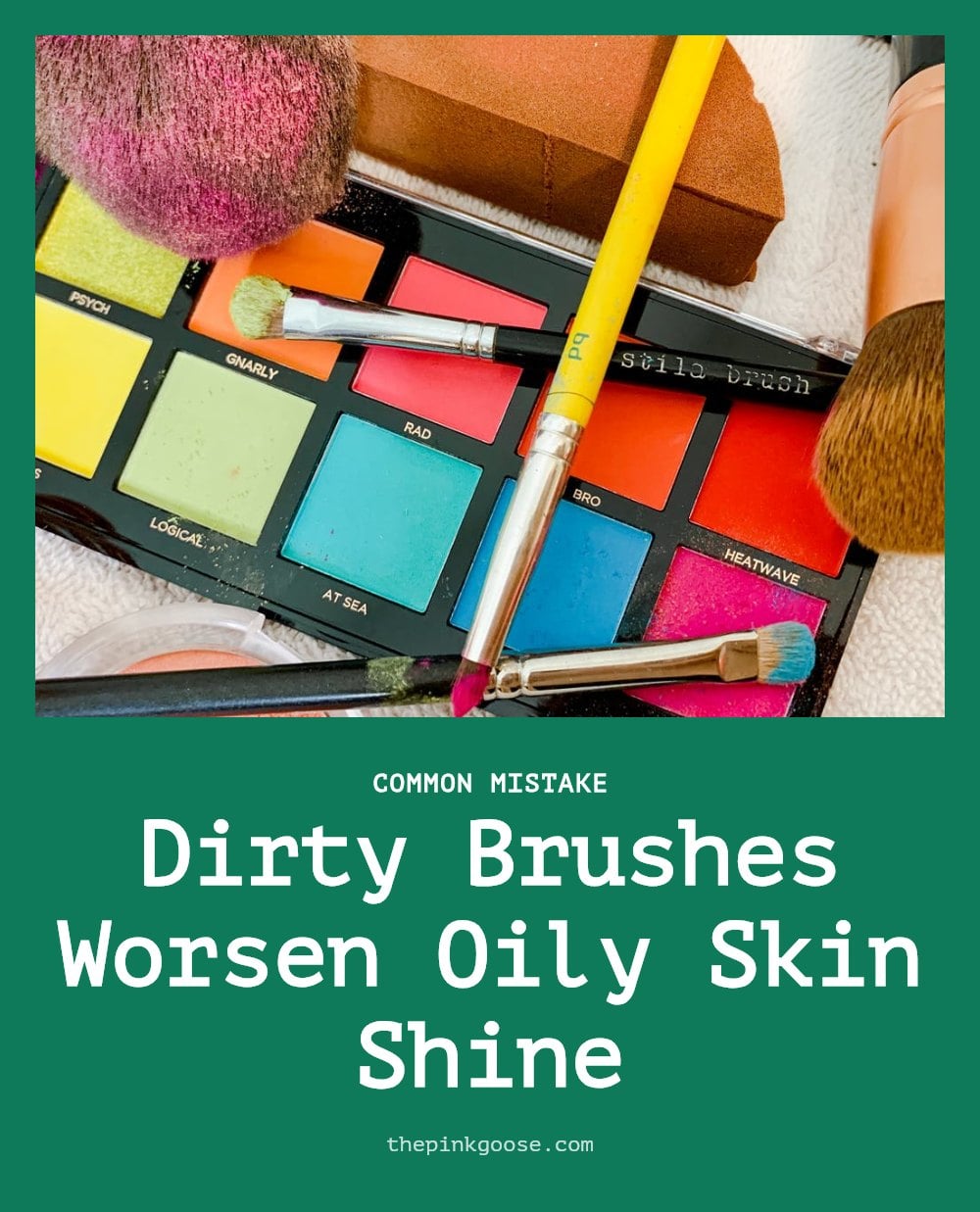
- Not cleaning makeup brushes: Unclean brushes transfer oil, dirt, and bacteria back to the skin, contributing to breakouts and shine.
Effective Strategies to Manage Oily Skin

Effective Strategies to Manage Oily Skin
- Gentle cleansing: Cleanse your face twice daily with a gentle, sulfate-free cleanser and lukewarm water to avoid stripping natural oils. Hot water can be just as harsh as a strong cleanser.
- Lightweight moisturization: Always apply a lightweight, non-comedogenic moisturizer, even if your skin feels oily. This keeps skin balanced and prevents compensatory oil production.
- Targeted exfoliation: Incorporate a gentle chemical exfoliant like BHA or AHA 1-3 times a week to help with pore clarity without over-irritating. Start slowly to see how your skin responds.
- Oil absorption: Use blotting papers throughout the day to absorb excess oil without disturbing makeup or over-drying. Press, don’t rub.
- Product selection: Choose oil-free, non-comedogenic makeup and skincare products to prevent clogged pores. Check labels for terms like “non-comedogenic” or “oil-free”.
Smart Habits for a Less Oily Complexion

Regular Brush Cleaning: Dirty brushes and sponges collect oil, old makeup, and bacteria. Washing them at least once a week with a gentle cleanser prevents that buildup from going back onto your skin, where it can clog pores and add shine.
Sunscreen is Key: Many sunscreens feel heavy, but skipping protection allows UV damage that can worsen oiliness over time. Look for oil-free or gel-based formulas that absorb quickly and won’t leave a greasy finish.
Hands Off Your Face: Your hands carry oils and bacteria from everything you touch. Every time you rest your chin on your hand or adjust your glasses, you transfer that to your skin, which can trigger breakouts and extra shine.
Consider Clay Masks: A clay mask used 1-2 times a week helps draw out excess sebum and deep-clean pores without over-drying. Leave it on until it just starts to feel tight, then rinse with lukewarm water.
Preventing Future Oiliness and Breakouts
Consistency is Crucial: A simple routine of gentle cleansing, lightweight moisturizer, and daily sunscreen, done consistently every day, trains your skin to stay balanced. Skipping steps or switching products too often can confuse your skin and trigger more oil.
Hydration from Within: Drinking enough water supports your skin’s overall health and can help regulate oil production. While it’s not a direct fix, well-hydrated skin is less likely to overcompensate with excess sebum.
Stress Management: High stress levels affect your hormones, which can ramp up sebum production. Finding ways to manage stress, whether through exercise, meditation, or a hobby, can make a real difference in how oily your skin gets.
Dietary Awareness: No single food causes oily skin, but some people notice that cutting back on processed foods and high-sugar items helps their skin look clearer. Paying attention to how your skin reacts after certain meals can guide your choices.
When to Consult a Skincare Professional
If your oily skin comes with severe or persistent acne that doesn’t improve with over-the-counter products, it’s time to see a dermatologist. Also seek professional advice if you notice sudden, significant changes in your skin’s oiliness or if you have ongoing irritation, redness, or discomfort. A dermatologist can recommend prescription-strength treatments or advanced procedures tailored to your skin’s needs.
Frequently Asked Questions
How often should I wash my face if I have oily skin?
Wash your face twice a day, once in the morning and once at night, using a gentle, sulfate-free cleanser. Over-washing can strip your skin’s natural oils and trigger more oil production, so resist the urge to cleanse more often.
Can diet affect oily skin?
Yes, diet can influence sebum production. Some research suggests that high-glycemic foods and dairy might contribute to oiliness in some people. However, the effect varies from person to person. Paying attention to your own triggers, like how your skin reacts after certain meals, can help you make informed choices.
Is it okay to use facial oils on oily skin?
It depends on the oil. Some lightweight, non-comedogenic oils, like jojoba or squalane, may help balance oil production without clogging pores. However, heavy or occlusive oils can make shine worse. My tip: patch test a small amount on your jawline and see how your skin responds over a few days.
What is the best type of sunscreen for oily skin?
Look for oil-free, gel-based, or matte-finish sunscreens labeled non-comedogenic. These formulas provide sun protection without adding extra shine or clogging pores. Apply it every morning as the last step of your skincare routine, even on cloudy days.
How long does it take to see results from an oily skin routine?
With consistent daily care, you may notice a reduction in oiliness within a few weeks. However, optimal results typically take several months as your skin adjusts to a balanced routine. Patience and consistency are key, so stick with your gentle cleansing, moisturizing, and sun protection habits.
Final Thoughts
My tip: stick to a simple, consistent routine of gentle cleansing, lightweight moisturizing, and daily oil-free sunscreen. Give it a few weeks of daily care, and you should start to see a calmer, less shiny complexion. If you’re dealing with severe acne or sudden changes in oiliness, don’t hesitate to check in with a dermatologist for personalized advice.
This article is for general information only and is not a substitute for professional medical advice. If you have persistent or severe skin issues, or if you’re considering new treatments, please consult a dermatologist or healthcare provider.
