

That sinking feeling when you see friends at a party you weren’t invited to, or a colleague’s vacation photos while you’re stuck at work. It’s called FOMO, and it can really mess with your peace of mind. Social media makes it worse by showing everyone’s highlight reel, making you feel like you’re constantly missing out.
This article covers 11 practical ways to overcome FOMO and live a more present, content life. You’ll learn simple strategies to shift your focus back to what truly matters to you.

Key Takeaways
- Practice mindfulness to pull your attention back to the present moment.
- Set screen-free times, like an hour before bed, to reduce social media triggers.
- Cultivate gratitude by writing down three things you are thankful for each day.
- Embrace JOMO (Joy of Missing Out) by scheduling regular quiet time for yourself.
- Limit comparison by remembering that social media is a curated highlight reel, not real life.
What is FOMO and Why Does it Matter?
FOMO, short for ‘Fear of Missing Out,’ is that nagging worry that everyone else is having more fun, better experiences, or greater success than you are. Social media fuels this feeling by constantly showing you curated, idealized versions of other people’s lives. Over time, it can create anxiety, dissatisfaction, and an urge to stay glued to your phone. Recognizing FOMO is the first step to reducing its hold on your daily stress and finding more contentment in your own life.
1. Practice Mindfulness and Presence
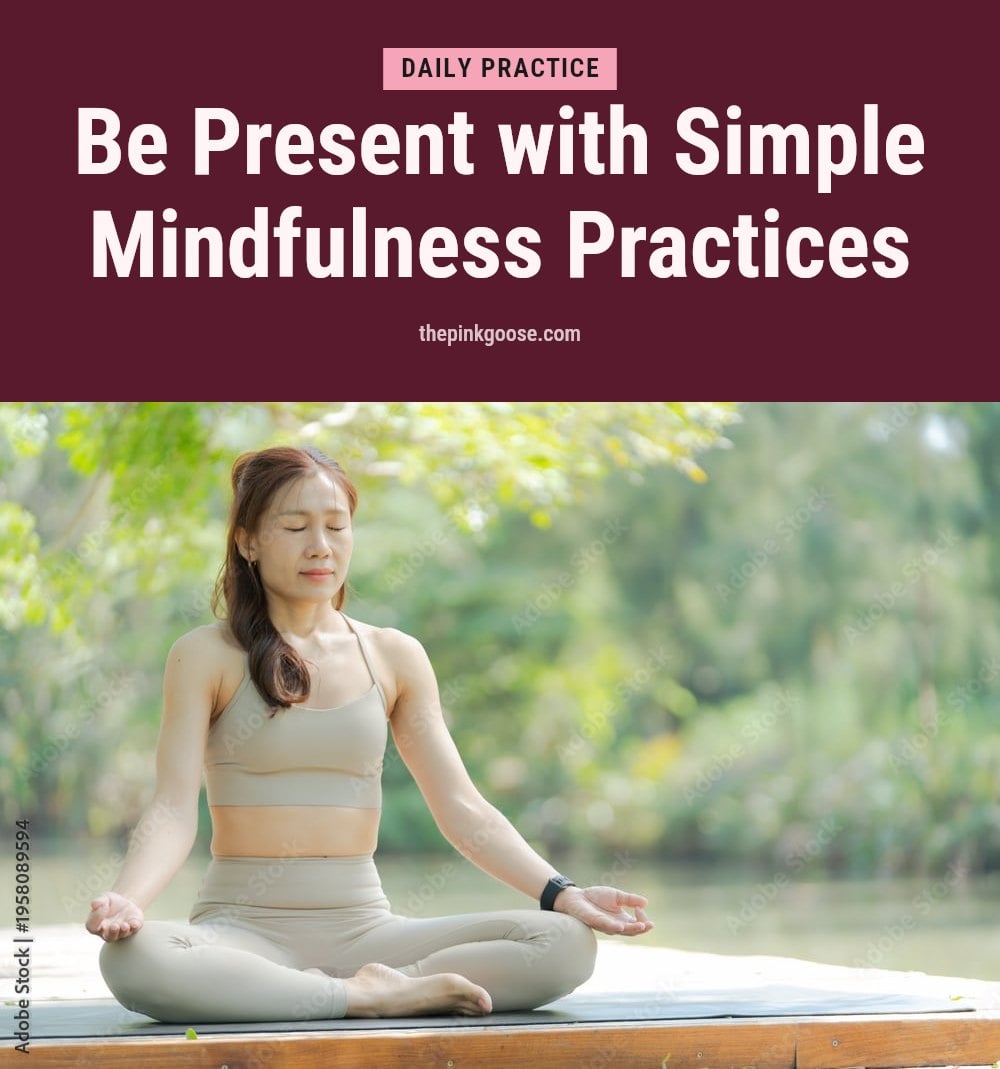
Mindfulness pulls your attention back to what is actually happening in front of you instead of what others might be doing. When you fully engage with a conversation, a meal, or even a walk, the mental space for FOMO shrinks.
- My tip: Try a short guided meditation or simply pay attention to your senses during everyday tasks to anchor yourself in the present.
2. Set Clear Social Media Boundaries
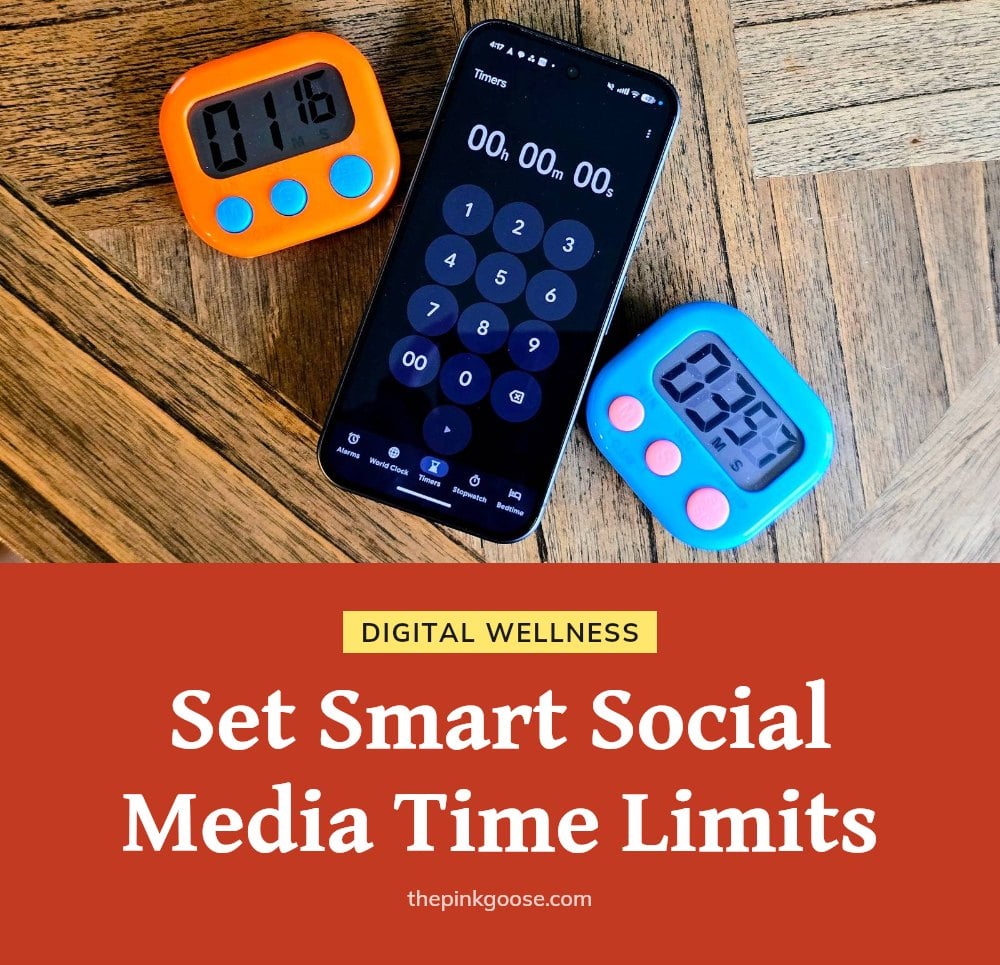
Without clear limits, social media can become a constant FOMO trigger. Setting boundaries reduces your exposure to the highlight reels that spark envy and anxiety.
- Designate screen-free times: Try an hour before bed or during meals to give your brain a break.
- Curate your feed: Unfollow accounts that consistently make you feel inadequate or envious.
- My tip: Use your phone’s built-in screen time limits or apps to help enforce these boundaries.
3. Cultivate Gratitude for Your Life
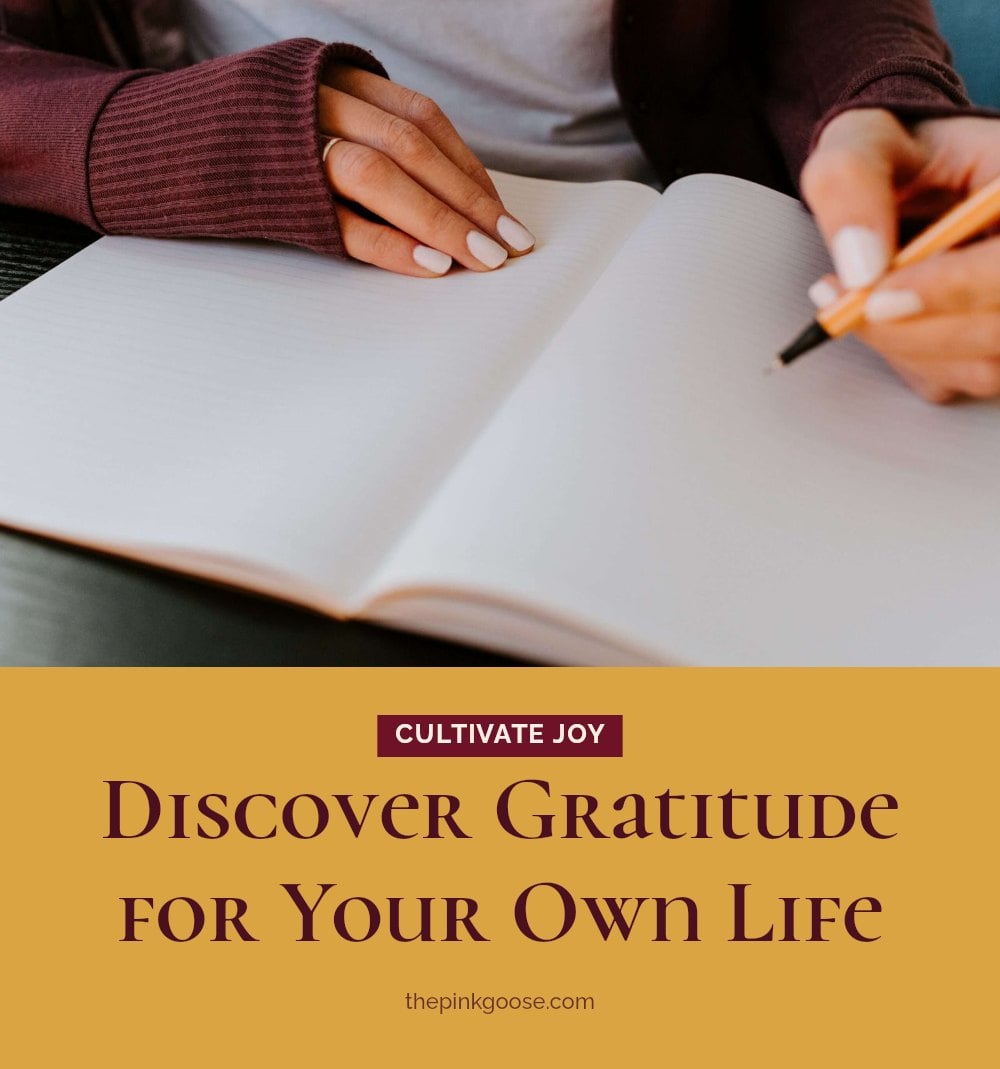
Actively appreciating what you already have directly counters the dissatisfaction that comes from comparing your life to others’. Gratitude shifts your focus from what you might be missing to what is already good.
- Start a gratitude journal: Write down three things you are thankful for each day. This trains your brain to notice the positives.
- Tip: Keep it simple. Even small things like a good cup of coffee or a sunny morning count.
4. Embrace the Joy of Missing Out (JOMO)

JOMO, or the Joy of Missing Out, is the conscious choice to enjoy the peace and freedom that comes from skipping social events or trends. Instead of feeling left out, you prioritize your own well-being and personal desires over external pressure. Good to know: Schedule regular ‘me time’ for quiet activities you genuinely enjoy, like reading, a hobby, or simply relaxing at home. This practice helps you see missing out as a gain, not a loss.
5. Focus on Your Personal Values
Identify what truly matters to you, your core values, priorities, and long-term goals. Then make choices that align with those values instead of feeling pressured to conform to others’ expectations or follow every trend. This approach helps you build a life that feels authentic and fulfilling to you, rather than one shaped by external validation.
6. Engage in Meaningful Connections

Prioritize in-person interactions or deeper conversations with friends and family over passive social media scrolling. Genuine connection reduces the feelings of isolation and inadequacy that FOMO often fuels. Pro move: Plan a coffee date, a phone call, or a small gathering with people who genuinely uplift you. Real connection beats a curated feed every time.
7. Limit Comparison to Others
Recognize that social media presents curated, idealized versions of others’ lives, not the full reality. Comparing your ‘behind-the-scenes’ to someone else’s ‘highlight reel’ is unfair and unrealistic. Quick tip: When you catch yourself comparing, gently redirect your thoughts back to your own goals and progress. This simple shift breaks the comparison cycle at its source.
8. Create a ‘Done’ List
Instead of dwelling on what you might have missed, write a “Done” list at the end of each day or week. This shifts your focus to everything you actually accomplished and enjoyed. Tip: Include small wins, like finishing a task, enjoying a quiet moment, or learning something new. Acknowledging your own efforts builds a sense of fulfillment that counteracts FOMO.
9. Schedule Time for Yourself
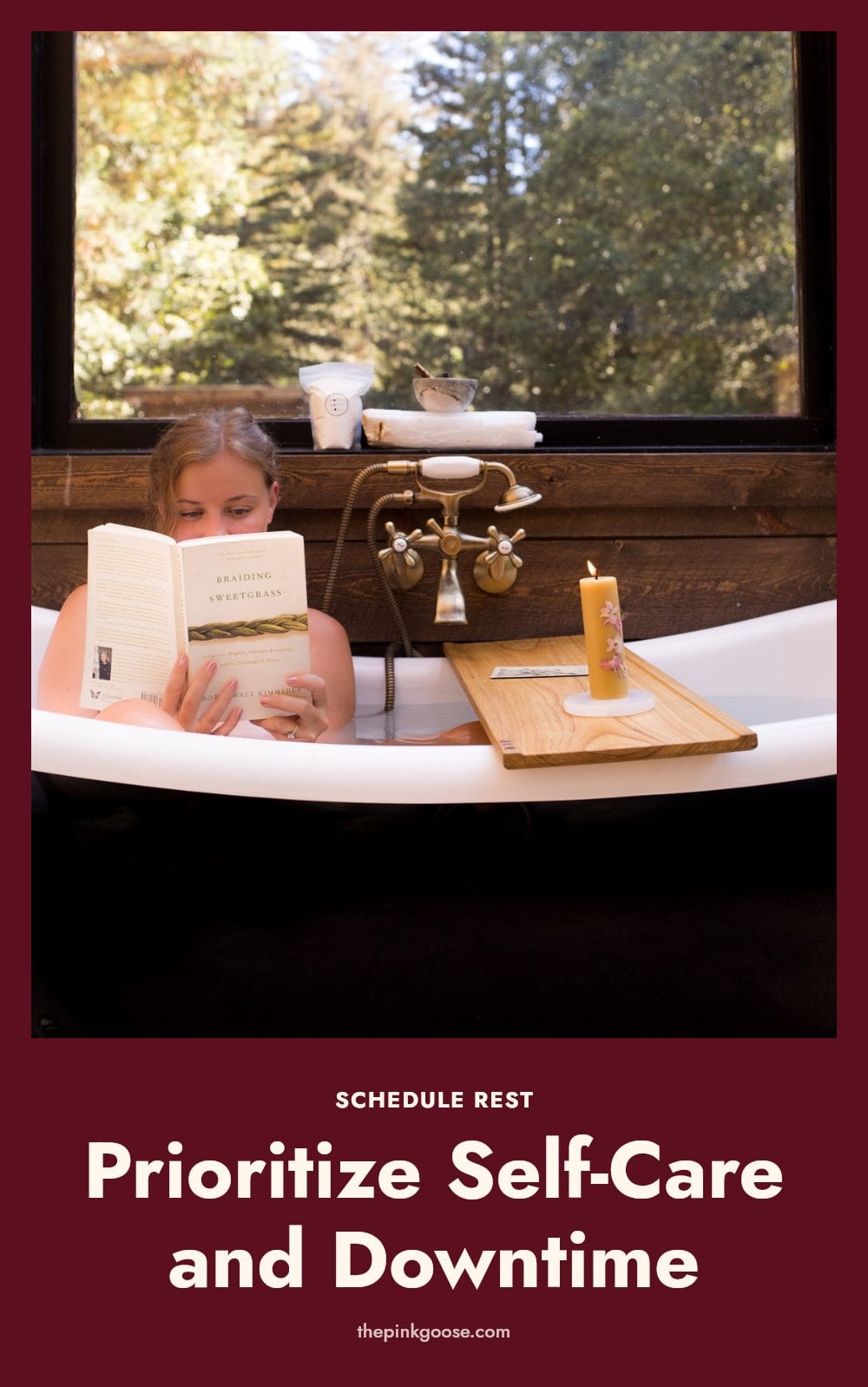
Treat self-care as a non-negotiable appointment in your calendar, just like a work meeting or a doctor’s visit. This guarantees you have dedicated time to recharge and pursue personal interests, which helps you avoid over-scheduling out of fear of missing out. Good to know: Block out time in your calendar for relaxation, hobbies, or simply doing nothing without guilt.
10. Unplug Regularly
Take intentional breaks from all digital devices, not just social media. A full disconnect allows your mind to rest, reduces constant stimulation, and encourages you to engage with your immediate environment. Pro move: Try a “digital detox” day or weekend once a month to fully disconnect and reconnect with yourself.
11. Be Kind to Yourself
FOMO is a common human experience, and it’s okay to feel it sometimes. Instead of criticizing yourself when those feelings arise, practice self-compassion. Quick tip: Talk to yourself as you would a good friend, with understanding and encouragement. This gentle approach reduces the shame that can make FOMO worse.
When to Seek Professional Support
If FOMO consistently leads to severe anxiety, depression, or significantly impacts your daily functioning, consider seeking support from a mental health professional. They can provide personalized strategies and coping mechanisms tailored to your situation. You may benefit from professional guidance if you find yourself unable to manage social media use despite your best efforts, or if your self-worth is severely impacted by comparing yourself to others.
Frequently Asked Questions
What exactly is FOMO?
FOMO stands for ‘Fear of Missing Out.’ It’s that uneasy feeling that others are having rewarding experiences you’re not part of. It often makes you want to stay constantly connected to see what everyone else is doing.
How does social media contribute to FOMO?
Social media platforms show you curated, idealized versions of other people’s lives. You see the best moments, not the everyday struggles. This constant comparison fuels feelings of envy, inadequacy, and the fear that you’re missing out on something better.
Can FOMO affect my mental health?
Yes, persistent FOMO can lead to anxiety, restlessness, and dissatisfaction with your own life. In some cases, it may contribute to over-scheduling, financial strain, and reduced sleep. If it consistently causes severe anxiety or depression, consider speaking with a mental health professional.
What is JOMO and how can it help?
JOMO stands for ‘Joy of Missing Out.’ It’s the conscious choice to enjoy the peace and freedom that comes from skipping social events or trends. Instead of feeling left out, you prioritize your own well-being. Scheduling regular quiet time is a great way to practice JOMO.
How long does it take to reduce FOMO?
Managing FOMO is an ongoing process, but many people notice positive changes within a few weeks of implementing new habits. Consistency is key, so start with one or two strategies and build from there.
Is FOMO a normal feeling?
Yes, FOMO is a common human experience. Almost everyone feels it from time to time. The goal isn’t to never feel it, but to recognize it when it happens and have tools to gently redirect your focus back to your own life.
Final Thoughts
The key is to stop measuring your life against someone else’s curated feed. Start with one small change, like a screen-free hour before bed, and build from there. Within a few weeks of consistent effort, you’ll likely notice less anxiety and more contentment.
Remember, you get to choose what deserves your attention. Give yourself permission to miss out on what doesn’t serve you, and you’ll find more joy in what does.
This article is for general informational purposes only and does not constitute medical or mental health advice. If FOMO consistently leads to severe anxiety, depression, or significantly impacts your daily life, please consult a qualified mental health professional for personalized support.
