

Jealousy can feel like a knot in your stomach, making you question your worth and the strength of your relationships. Whether it shows up in your romantic life, with friends, or at work, it’s a heavy emotion that can leave you feeling stuck. This article breaks down practical ways to understand where your jealousy comes from and how to start letting it go, so you can find more peace in your connections with others.
Key Takeaways
- Acknowledge jealousy without judgment to reduce its intensity.
- Identify root causes like fear of abandonment or low self-worth.
- Use ‘I’ statements to communicate feelings without blaming others.
- Build self-esteem with daily wins and solo activities.
- Seek professional help if jealousy leads to controlling behavior or lasts for weeks.
Understanding and Letting Go of Jealousy
Jealousy is a complex emotion that often stems from insecurity and a fear of loss, and it’s different from envy. Managing it starts with recognizing your triggers, communicating openly, and building your self-worth. Letting go isn’t a one-time fix but an ongoing process of self-reflection and consistent effort to create healthier relationships.
1. Acknowledge Your Feelings Without Judgment
Jealousy is a natural human emotion, and it’s okay to feel it. Shaming yourself for being jealous only intensifies the emotion, making it harder to manage.
My tip: Simply observe the feeling without immediately reacting or trying to suppress it. Acknowledge it, and let it pass like a cloud.
2. Identify the Root Causes of Jealousy

Reflect on past experiences or personal insecurities that might be fueling your jealousy. Consider whether a fear of abandonment or a fear of not being ‘good enough’ is at play.
Journaling can be a powerful tool to uncover these deeper origins and patterns. Write down what triggered the jealousy and what underlying fear it connects to.
3. Communicate Openly and Honestly
Use ‘I’ statements to frame your emotions without pointing fingers. Instead of ‘You always flirt with him,’ try ‘I feel anxious when I see you two laughing together.’ This shifts the focus to your experience, not their actions.
Articulate your fears calmly and specifically. Say ‘I’m scared of being replaced’ rather than vague accusations. My tip: Pick a quiet moment when you’re both relaxed, like during a walk or after dinner, so the conversation feels safe and open.
4. Build Your Self-Esteem and Self-Worth

Jealousy often loses its grip when you feel secure in who you are. Start by listing three things you did well today, no matter how small. Then, commit to one weekly activity that builds your confidence and joy, such as a challenging hike or a creative workshop. Tip: When negative self-talk creeps in, ask yourself if you would say those words to a close friend. If not, reframe the thought into something kinder and more accurate. Over time, this practice builds a reservoir of self-worth that jealousy cannot easily shake.
5. Practice Mindfulness and Observation
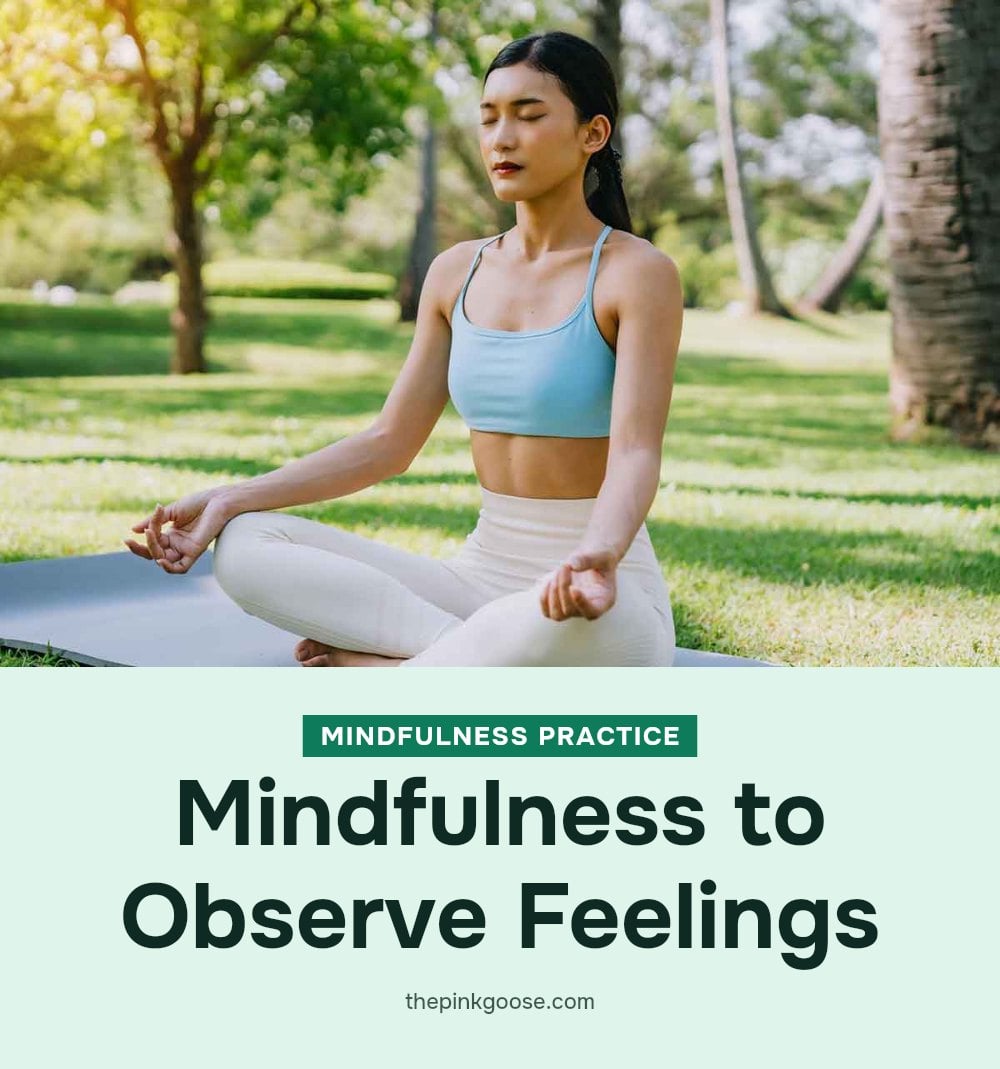
Mindfulness creates a crucial pause between the jealous feeling and your reaction. When jealousy arises, notice physical cues like a racing heart, tight chest, or queasy stomach. Those sensations are signals, not commands. Good to know: Take three slow, deep breaths and imagine placing the jealous thought on a cloud in your mind, watching it drift by without grabbing it. This simple act of observation reduces the emotion’s intensity and gives you space to choose a thoughtful response instead of a reactive one.
6. Set Clear Boundaries in Relationships
Clear boundaries act as a fence that protects your relationship from situations that spark jealousy. Sit down with your partner or friend and discuss what each of you is comfortable with regarding time spent with others, social media interactions, or sharing personal details. Pro move: Frame these conversations as a mutual agreement, not a list of rules. For example, “I feel more secure when we check in if plans change last minute” invites cooperation rather than resistance. Boundaries built together strengthen trust and prevent misunderstandings before they happen.
7. Avoid Accusations and Snooping
Accusing someone or snooping through their phone, messages, or social media may feel like a way to find reassurance, but it actually does the opposite. These actions signal a lack of trust, which damages the relationship and fuels the very paranoia you are trying to calm. Quick tip: The next time you feel the urge to check a partner’s phone, stop and ask yourself what specific fear is driving that impulse. Write it down. Naming the underlying insecurity, such as “I’m afraid I’m not interesting enough,” lets you address the real issue directly instead of acting on suspicion.
8. Focus on Your Personal Growth

Redirect the mental energy you spend worrying about others toward your own goals. Pick a hobby you’ve been curious about, sign up for a skill-based class, or set a small weekly project for yourself. Tip: A fulfilling personal life naturally reduces the intensity of external comparisons because you’re too busy building something that matters to you.
9. Challenge Jealousy-Driven Thoughts
Treat each jealous thought like a claim that needs evidence. Write down the thought, then ask: What actual facts support this fear? What facts contradict it? Often the fear rests on an assumption, not a reality. This cognitive restructuring helps you see the situation more clearly and lowers the emotional charge.
10. Seek Support from Trusted Friends

Talk to a trusted friend or family member about what you’re feeling. Sharing the experience often reveals that your fears are less catastrophic than they seemed inside your head. Good to know: Choose someone who is a good listener and can offer objective advice without judgment, not someone who will simply agree with you.
11. Understand Jealousy vs. Envy
To untangle what you’re really feeling, start by asking: Is there a third party I see as a threat to a relationship I value? If yes, that’s jealousy. It’s about fear of losing someone’s attention or loyalty. If you simply want what another person has (a skill, a possession, a trait) without worrying about losing a relationship, that’s envy. Tip: Labeling the emotion correctly changes your next move. For jealousy, focus on communicating your fears and rebuilding trust. For envy, shift your energy to your own goals and gratitude for what you already have.
When to Seek Professional Help
If jealousy feels overwhelming, persists for weeks, or starts interfering with your work, friendships, or daily routines, it may be time to talk with a professional. This is especially true when the emotion leads to controlling behavior, emotional abuse, or threats, which are serious warning signs that require immediate intervention.
A therapist or counselor, particularly one trained in Cognitive Behavioral Therapy (CBT), can help you identify thought patterns and build practical coping strategies. Many people find that a few sessions provide enough tools to manage intense feelings. If you or someone you know is in an abusive situation linked to jealousy, contact a domestic violence hotline or support organization for guidance and safety planning.
Frequently Asked Questions
Is jealousy always a bad thing?
Jealousy itself is a natural human emotion, so feeling it doesn’t make you a bad person. It can even serve as a signal that something in your relationship or self-worth needs attention. The trouble starts when you act on jealousy in destructive ways, like accusing or controlling others. The goal is to learn from the feeling rather than let it run the show.
How can I stop comparing myself to others?
Comparison often feeds jealousy, so redirecting that energy can help. Try listing three things you did well each day and schedule a solo activity that makes you feel capable, like a hike or a creative project. Over time, focusing on your own growth reduces the urge to measure yourself against others. If comparison feels compulsive, a therapist can help you uncover the deeper patterns.
Can jealousy be a sign of love?
Many people mistakenly believe that jealousy proves how much you care, but it’s more often a sign of insecurity or fear of loss. Healthy love is built on trust and respect, not on possessiveness or constant worry. If you find yourself using jealousy as a measure of love, it may be worth exploring the underlying fears with a professional.
What’s the difference between jealousy and envy?
Jealousy involves a third party you see as a threat to a relationship you value, like feeling insecure about your partner’s coworker. Envy is wanting something someone else has, such as their job, appearance, or lifestyle, without a relationship threat. Knowing which one you’re feeling helps you choose the right approach to handle it.
How do I talk to my partner about my jealousy without accusing them?
Use ‘I’ statements to express your feelings without blame, such as ‘I feel insecure when I see you talking to her’ instead of ‘You make me jealous.’ Choose a calm moment to talk, and clearly share your fears or insecurities. This approach invites understanding rather than defensiveness, making it easier to work through the issue together.
Final Thoughts
Letting go of jealousy is a practice, not a one-time fix. Start by choosing one strategy, like journaling about your triggers or having an honest conversation using ‘I’ statements, and give it a few weeks of consistent effort. You can expect to see small shifts in how you react to situations that once sparked jealousy. Remember, this is about building a stronger, more secure relationship with yourself and the people you care about.
This article is for informational purposes only and is not a substitute for professional medical or mental health advice. If you are experiencing overwhelming jealousy, controlling behavior, or emotional distress that affects your daily life or relationships, please consult a licensed therapist or healthcare provider. For urgent concerns, contact a crisis helpline.
