

You want smoother, firmer skin, but with so many anti-aging ingredients out there, it is hard to know which one to choose. Peptides and retinol are two of the most popular, and they work in very different ways. This article breaks down how each ingredient works, compares their benefits and side effects, and helps you decide which one (or both) fits your skincare routine.
Key Takeaways
- Peptides signal skin to build collagen for gradual firmness and elasticity.
- Retinol speeds up cell turnover to reduce wrinkles, uneven texture, and hyperpigmentation.
- Peptides are gentle and safe for sensitive skin, while retinol can cause redness and peeling.
- Start retinol at a low concentration (0.25% or 0.3%) and apply it every third night.
- Always use broad-spectrum SPF 30+ sunscreen daily when using retinol.
Peptides vs. Retinol: The Quick Answer
Peptides are short chains of amino acids that signal your skin to produce more collagen and elastin, offering gentle, gradual anti-aging benefits. Retinol, a Vitamin A derivative, speeds up cell turnover and boosts collagen, delivering more dramatic results for wrinkles and texture. Peptides are generally well-tolerated, even on sensitive skin, while retinol can cause irritation, especially at first. The good news: you can use them together for a comprehensive anti-aging routine, with peptides supporting skin health and retinol tackling deeper signs of aging.
How Peptides Work Their Magic for Your Skin

How Peptides Work Their Magic for Your Skin
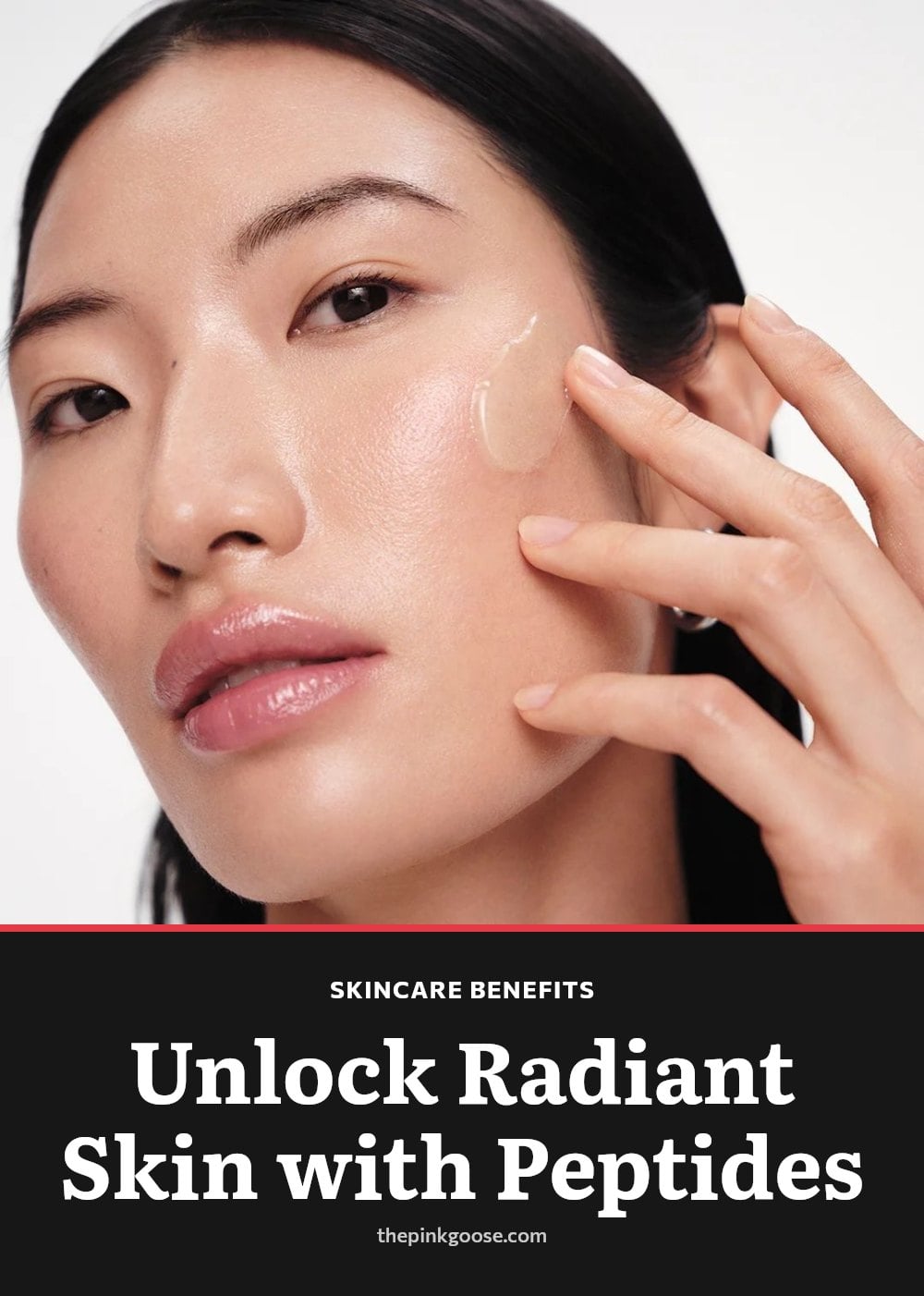
Peptides are short chains of amino acids, typically 2 to 50 amino acids long, and they act as the building blocks for proteins like collagen and elastin. Think of them as messengers: they signal your skin cells to perform specific functions, such as producing more collagen or reducing inflammation. This is why they’re so effective at improving firmness and elasticity over time.
Different peptides have different jobs:
- Signal peptides: tell skin to produce more collagen.
- Carrier peptides: deliver trace minerals needed for repair.
- Enzyme-inhibitor peptides: slow down collagen breakdown.
- Neurotransmitter-inhibitor peptides: relax facial muscles to soften expression lines.
The result is a smoother, firmer complexion with fewer fine lines, all without irritation.
Understanding How Retinol Transforms Your Skin
Understanding How Retinol Transforms Your Skin
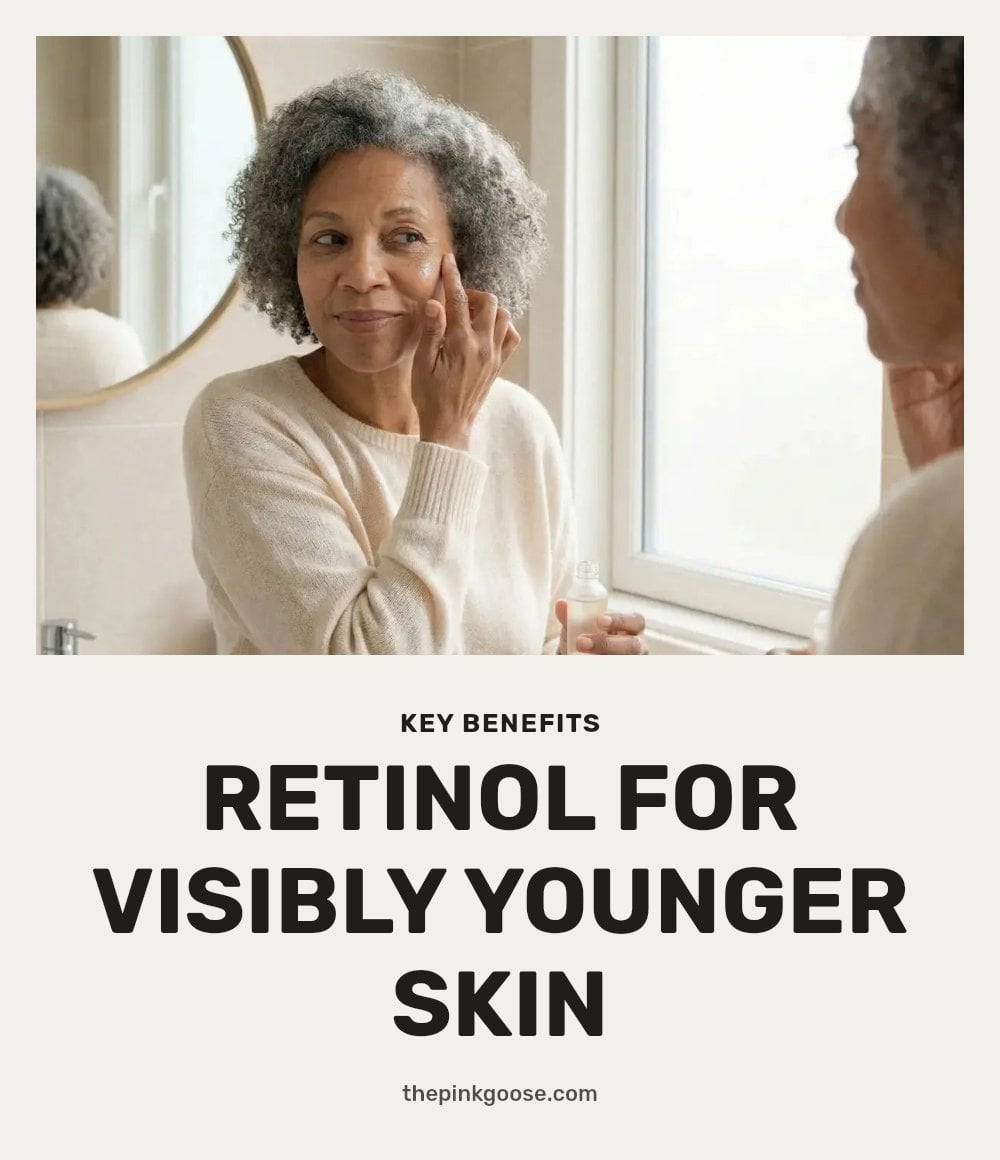
Retinol is a derivative of Vitamin A that works by accelerating cell turnover. It encourages the shedding of old, damaged skin cells and the growth of fresh new ones, which instantly improves texture and tone. It also stimulates collagen production in the deeper dermis layer, helping to plump the skin and reduce fine lines and wrinkles.
Beyond that, retinol can fade hyperpigmentation and even out skin tone, making it a heavy hitter for comprehensive anti-aging. But it comes with a catch: it can cause redness, dryness, and peeling, especially when you first start. That’s why it’s crucial to introduce it slowly and always pair it with a moisturizer and sunscreen.
Peptides vs. Retinol: A Side-by-Side Comparison
Here’s a quick breakdown to help you decide which ingredient fits your skin best.
| Aspect | Peptides | Retinol |
|---|---|---|
| Mechanism | Signal skin to build collagen | Speed up cell turnover |
| Benefits | Firmness, elasticity, mild anti-aging | Wrinkles, texture, tone, hyperpigmentation |
| Side Effects | Minimal, well-tolerated | Redness, dryness, peeling, sun sensitivity |
| Ideal Skin Types | All, including sensitive | Normal to oily, not for sensitive or reactive |
Peptides are the gentle everyday choice, while retinol is the more potent, results-driven option.
Top Tips for Incorporating Peptides and Retinol
Start retinol at a low concentration, like 0.25% or 0.3%, and apply it every third night for two weeks. Gradually increase frequency to every other night, then nightly if your skin tolerates it. Apply retinol only at night; sunlight degrades it and it increases sun sensitivity.
Tip: Layer peptides and retinol by applying a peptide serum first, then your retinol, then a moisturizer. The peptide serum is usually lighter and absorbs before the retinol. Always follow with a broad-spectrum sunscreen SPF 30 or higher every morning.
Moisturize generously on retinol nights. A rich moisturizer applied after retinol helps buffer dryness and peeling. Patch test any new retinol product on your jawline for three days before using it on your whole face.
Common Mistakes When Using Peptides and Retinol
Expecting peptides to resurface skin like retinol: Peptides build firmness and reduce fine lines gradually, but they don’t shed dead skin cells or smooth texture the way retinol does. Don’t judge them by the same standard.
Starting retinol too strong or too fast: A high concentration or daily use from the start often causes redness, peeling, and flaking that makes people quit. Build up slowly over weeks.
Skipping sunscreen: Retinol makes skin more vulnerable to UV damage. Inconsistent sunscreen use cancels out its benefits and risks hyperpigmentation.
Using more product for faster results: Applying extra retinol or using it multiple times a day leads to over-exfoliation, not faster improvement. Stick to a pea-sized amount once daily.
Judging results too early: Both ingredients need consistent use for 3 to 6 months to show noticeable changes. Give them time before switching products.
When to Consult a Dermatologist
See a dermatologist if you experience severe redness, burning, or swelling from any product. Discontinue use immediately if an allergic reaction occurs.
If you are pregnant, planning to become pregnant, or breastfeeding, do not use retinol without medical approval. A doctor can recommend safe alternatives.
Consult a professional if your skin concerns, such as deep wrinkles, stubborn hyperpigmentation, or acne, do not improve after several months of consistent over-the-counter use. They can guide you on prescription-strength retinoids or treatments for complex conditions.
Frequently Asked Questions
Can I use peptides and retinol together?
Yes, you can use both in the same routine. Apply peptides first if they are in a lightweight serum, then follow with retinol at night. This layering allows each ingredient to work without interfering, and many people find the combination gives great results for firmness and texture.
How long does it take to see results from peptides or retinol?
Both ingredients require consistent use over weeks to months. With peptides, you may notice subtle improvements in firmness and hydration after 4 to 6 weeks, with more significant changes around 3 to 6 months. Retinol often shows visible improvements in texture and fine lines within 8 to 12 weeks, but full results can take 3 to 6 months.
Are peptides safe for sensitive skin?
Yes, peptides are generally well-tolerated by most skin types, including sensitive skin. They do not increase sun sensitivity and rarely cause irritation, making them a good starting point if you are new to anti-aging ingredients or have a reactive complexion.
What’s the best age to start using peptides or retinol?
There is no single right age. Many people start peptides in their 20s or early 30s for prevention and gentle support. Retinol is often introduced in the late 20s or 30s when signs of aging become more noticeable, but it can be used earlier if you have specific concerns like acne or texture. Listen to your skin’s needs.
Do I need a prescription for retinol?
No, you do not need a prescription for standard retinol. It is available over the counter in various strengths, typically from 0.25% to 1%. Prescription-strength retinoids, such as tretinoin, are stronger and require a doctor’s approval. Always start with a low concentration if you are new to retinol.
Final Thoughts
If you want a gentle, long-term approach to maintaining firmness and preventing fine lines, peptides are a reliable choice. If you are ready to tackle existing wrinkles, uneven texture, or sun damage, retinol delivers more dramatic results but requires patience and careful introduction. For many people, using both in a routine (peptides in the morning, retinol at night) gives the best of both worlds. Stick with either ingredient for at least 3 months before judging the results.
This article is for informational purposes only and does not replace professional medical advice. Skincare products affect individuals differently, and results are not guaranteed. If you have a persistent skin condition, severe irritation, or are pregnant or breastfeeding, consult a dermatologist or healthcare provider before starting a new ingredient.
