

Do you ever feel like nothing you do is quite good enough, no matter how hard you try? That constant pressure to be flawless can leave you feeling exhausted, anxious, and stuck. The good news is that perfectionism isn’t a life sentence, and there are practical ways to ease the burden. In this article, we’ll walk through the signs of perfectionism, how it differs from healthy ambition, and simple strategies to help you find more balance and peace.

Key Takeaways
- Perfectionism is driven by fear of failure, not a healthy desire to excel.
- Recognize the three types: self-oriented, other-oriented, and socially prescribed.
- Set realistic goals and break them into small, manageable steps.
- Practice self-compassion and challenge harsh self-talk daily.
- Seek professional help if perfectionism leads to severe anxiety or depression.
What Exactly Is Perfectionism?
Perfectionism is a personality trait that drives you to strive for flawlessness and set excessively high standards, paired with harsh self-evaluation. It is not the same as healthy ambition. While ambition comes from a desire to excel, perfectionism is often fueled by a fear of failure or criticism. That difference matters because this trait frequently leads to distress, anxiety, depression, and burnout rather than genuine success.
1. Recognize the Types of Perfectionism
Perfectionism is not one-size-fits-all. Understanding the three main types helps you identify which pattern affects you most.
- Self-oriented: You set impossibly high standards for yourself. I have been there, always feeling like I needed to do more, no matter what I achieved.
- Other-oriented: You expect flawlessness from the people around you. This can strain relationships because no one can meet those standards.
- Socially prescribed: You believe others expect you to be perfect. That belief creates constant pressure and anxiety about external judgment.
Knowing which type resonates lets you tailor your approach to managing it.
2. Spot the Signs in Your Daily Life

Perfectionism often shows up in subtle ways you might not recognize at first. Common signs include procrastination, not because you are lazy, but because you fear not meeting your own impossibly high standards. You might find yourself excessively checking your work, struggling to delegate tasks, or being overly critical of yourself and others. Another big one I have noticed is a constant feeling of not being good enough, even after achieving something great. That relentless internal critic can be exhausting.
3. Set Realistic, Achievable Goals

One of the most impactful steps I have taken is learning to set goals that are actually within reach. Perfectionists often aim for the impossible, setting themselves up for disappointment. Instead, break down larger goals into smaller, manageable steps. Focus on making progress, even small steps, rather than waiting for the perfect time or outcome. My tip: Celebrate those small wins. It shifts your mindset from not good enough to I am making headway.
4. Practice Self-Compassion
Treating yourself with kindness when you make a mistake is crucial for perfectionists. Instead of beating yourself up, imagine what you would say to a friend in the same situation. Would you be as harsh? Probably not. Self-compassion means acknowledging your struggles and imperfections without judgment. It is about recognizing your shared humanity and being gentle with yourself, which directly counteracts the harsh inner critic that fuels perfectionism.
5. Challenge Negative Self-Talk
That inner voice telling you that you are not good enough or that everything has to be perfect needs to be challenged. Perfectionism is often fueled by catastrophic thinking and harsh self-talk. When you catch yourself thinking negatively, pause and question the thought. Is it truly accurate? What is the evidence for it? What is an alternative, more balanced perspective? Replacing ‘I must be perfect’ with ‘I will do my best’ can make a huge difference in reducing anxiety.
6. Learn to Tolerate Imperfection

Learning to be okay with ‘good enough’ is a key step in overcoming perfectionism. Start small. Send an email with a tiny typo you would normally obsess over, or leave a dish in the sink overnight. Gradually expose yourself to minor imperfections and observe that the world does not end. This practice helps you build resilience to uncertainty and reduces the anxiety associated with needing everything to be flawless.
7. Delegate and Trust Others
A common trait among perfectionists is the inability to delegate, believing no one else can do the task correctly. This leads to burnout fast. Learning to delegate tasks, both at work and home, means trusting others to do their best, even if their best is not exactly how you would have done it. My tip: Start with low-stakes tasks to build your comfort level. The goal is shared responsibility and reduced burden on yourself, not perfection.
8. Focus on Effort, Not Just Outcome
Perfectionists often tie their self-worth to the final result. True growth comes from the effort and the process, not just the outcome. Shift your focus from ‘Did I achieve perfection?’ to ‘Did I put in my best effort?’ and ‘What did I learn along the way?’ This mindset reduces the crushing pressure of needing a flawless result every time. It also turns ‘failure’ into a learning opportunity rather than a personal indictment.
9. Engage in Joyful Activities

Perfectionists often pursue only activities that lead to achievement or measurable success, making life feel like a constant to-do list. Make time for hobbies purely for enjoyment, with no pressure to be ‘good’ at them. Whether it’s painting, dancing, or reading for pleasure, let go of the need for an outcome. This reminds you that your worth isn’t tied solely to your achievements and can be a powerful antidote to burnout.
10. Avoid Constant Comparison
In our hyper-connected world, comparing yourself to others is easy, especially when scrolling through curated social media feeds. Everyone’s journey is unique, and what you see online is often just the highlight reel. Comparing your messy behind-the-scenes to someone else’s polished front-stage fuels perfectionism.
Tip: Focus on your own growth and progress, and limit exposure to content that triggers comparison.
11. Understand the Link to Burnout
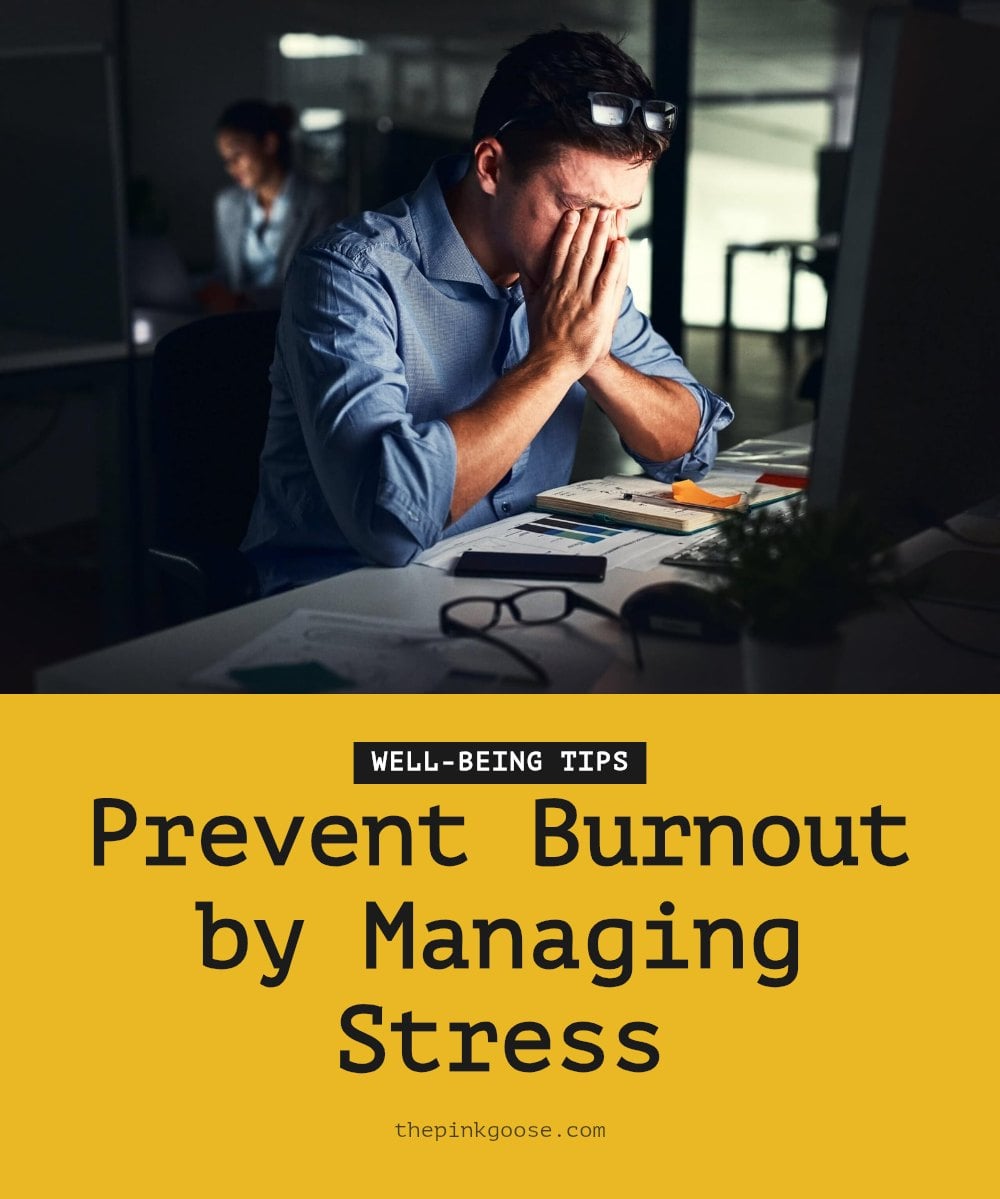
Perfectionism and burnout often go hand-in-hand. The constant striving for flawlessness, fear of not doing enough, and harsh self-criticism create immense mental and emotional strain. This chronic stress can lead to exhaustion, cynicism, and a reduced sense of personal accomplishment. Recognizing this link is crucial. It signals that your perfectionism isn’t serving you and that prioritizing your well-being over impossible standards is essential.
When to Seek Professional Help
These strategies can be incredibly helpful, but knowing when to seek professional support is just as important. If your perfectionism leads to severe anxiety, depression, thoughts of self-harm, or significantly impacts your daily functioning and relationships, please seek immediate professional psychological or medical help. Perfectionism can sometimes mask underlying mental health conditions like anxiety disorders, depression, or OCD, and a professional diagnosis is crucial for appropriate treatment. Cognitive Behavioral Therapy (CBT) is a common and effective therapeutic approach for maladaptive perfectionism. Don’t hesitate to reach out to a therapist or counselor if you feel overwhelmed.
Frequently Asked Questions
Is perfectionism always a bad thing?
Not necessarily. There is a difference between healthy striving for excellence and perfectionism. Healthy ambition can motivate you, but perfectionism is often driven by fear and leads to stress and burnout. It becomes a problem when it causes significant distress or interferes with your daily life.
Can perfectionism be a symptom of another condition?
Yes, perfectionism can be linked to underlying mental health conditions such as anxiety disorders, depression, eating disorders, or obsessive-compulsive disorder. If you suspect your perfectionism is tied to a deeper issue, it’s important to talk to a mental health professional for an accurate assessment.
How long does it take to manage perfectionism?
Managing perfectionism is a gradual process. With consistent effort and self-reflection, you may start to see changes in several weeks to months. Professional guidance, such as cognitive behavioral therapy, can speed up progress and provide structured support.
What is the difference between perfectionism and striving for excellence?
Striving for excellence is about healthy ambition and enjoying the process of improving. Perfectionism, on the other hand, is driven by a fear of failure and harsh self-criticism. While excellence allows for mistakes, perfectionism demands flawlessness, which can be exhausting and counterproductive.
Can I completely get rid of perfectionism?
Perfectionism is a personality trait, so you may not eliminate it entirely. However, you can learn to manage its negative effects and reduce its hold on your life. With practice, you can develop healthier habits and a more compassionate inner voice.
Final Thoughts
Start small. Pick one area where you can practice being ‘good enough’ this week, and notice how it feels. You don’t have to overhaul your entire mindset overnight; change comes gradually with consistent effort. Expect that it may take several weeks or months to see meaningful shifts, especially if you’re working with a therapist. Remember, your worth isn’t tied to perfection. You deserve kindness, and letting go of that impossible standard is a gift you can give yourself today.
This article is for general informational purposes only and is not a substitute for professional medical or psychological advice. If you are experiencing severe anxiety, depression, or thoughts of self-harm, please reach out to a qualified healthcare provider or a mental health professional for support.