

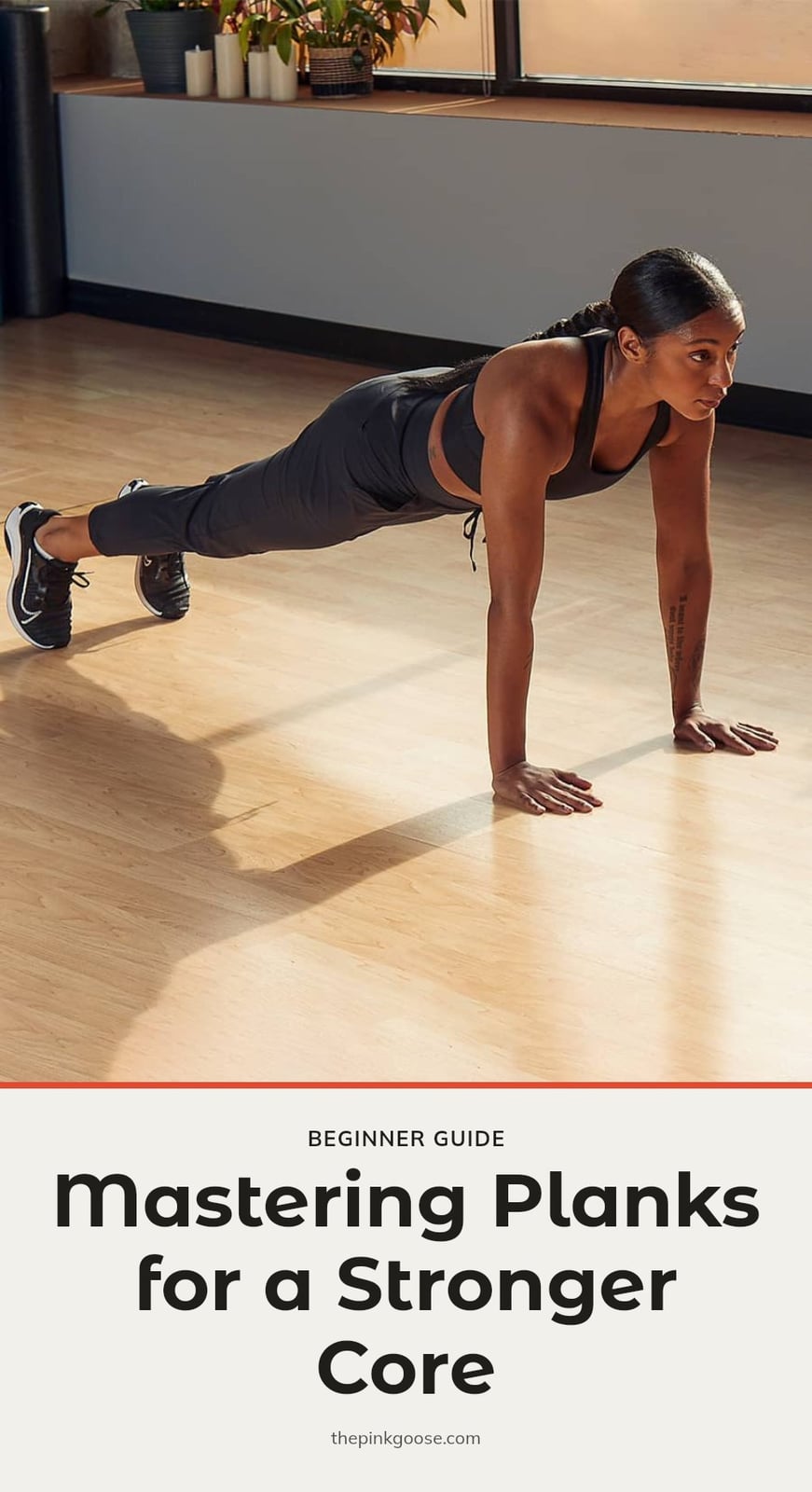
Starting a core workout can feel intimidating, but the plank is one of the most effective and beginner-friendly moves you can do. It strengthens your entire midsection, including your abs, obliques, and lower back, without needing any equipment. In this article, I’ll walk you through proper form, common mistakes to avoid, and simple variations so you can build a strong core safely.
Key Takeaways
- Keep your body in a straight line from head to heels, squeezing your glutes and core.
- Start with 20-30 second holds and gradually increase duration each week.
- Aim for 2-3 sets, 3-5 times per week, with at least one rest day between sessions.
- Use forearm planks if you have wrist pain; they are easier on the wrists than high planks.
- Stop immediately if you feel sharp pain in your back, shoulders, or wrists.
What Are Planks and Why Are They So Effective?
Planks are a foundational bodyweight exercise that strengthens your entire core, your abs, obliques, and lower back, by holding a static position. Unlike crunches that only work the front of your abdomen, planks engage multiple muscle groups at once, including your shoulders, glutes, and quadriceps as stabilizers. That full-body activation leads to better posture, improved balance, and can help reduce lower back pain. Proper form is everything: a straight line from head to heels maximizes the benefits and keeps your spine safe, especially when you’re just starting out.
Essential Tools for Your Plank Practice
You don’t need much to start planking, just these two things:
- Exercise mat or soft surface: A mat cushions your elbows or hands and prevents slipping on hard floors. A folded towel works too.
- Timer (optional): Tracking how long you hold each set helps you see progress. Your phone’s stopwatch or a kitchen timer is fine.
Step-by-Step: Mastering the Basic Forearm Plank
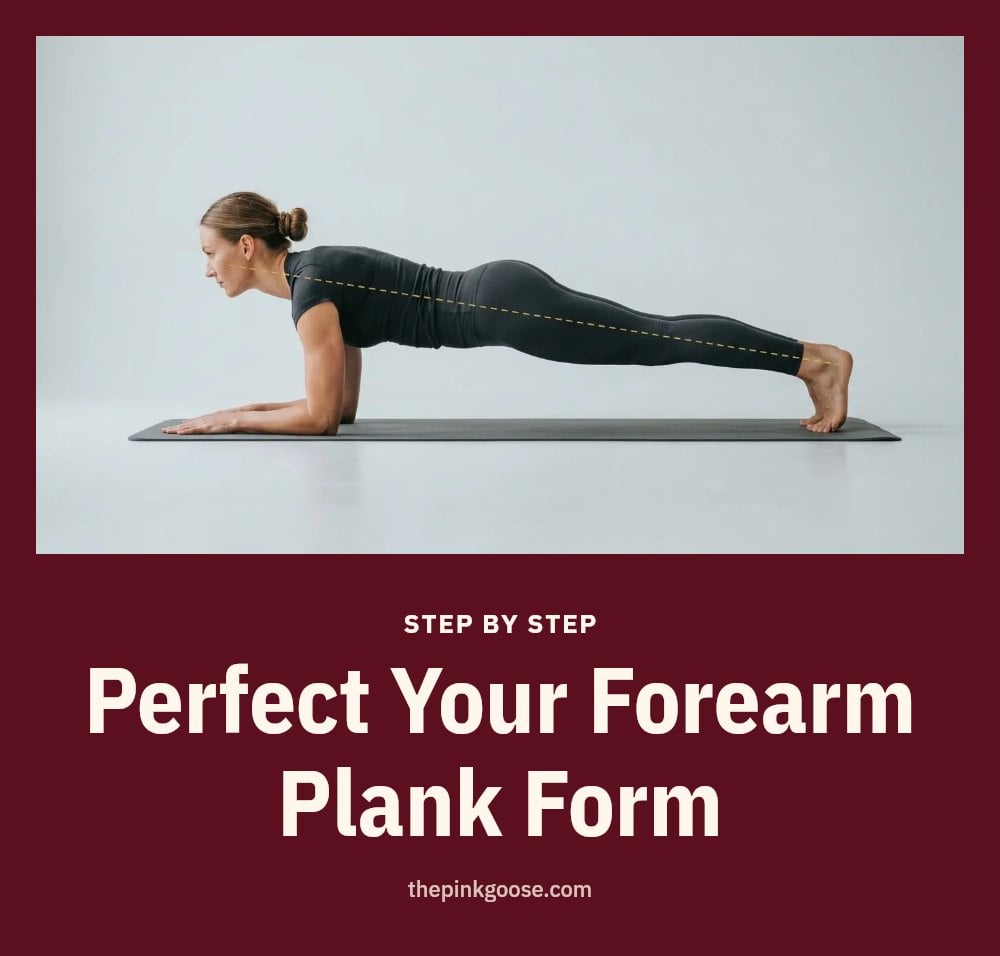
- Set up on your forearms: Start on your hands and knees, then lower onto your forearms. Make sure your elbows are directly under your shoulders, not too far forward or back. This alignment keeps your shoulders stable and reduces strain.
- Extend your legs: Step one foot back at a time until your legs are straight. Your body should form one straight line from your head to your heels. Squeeze your glutes to help lock your hips in place.
- Engage your core: Pull your belly button toward your spine as if you’re bracing for a light punch. This activates your deep abdominal muscles and protects your lower back. I like to imagine I’m pressing my navel into the floor.
- Check your neck: Keep your gaze down at the floor, about a foot in front of your hands. This keeps your neck in line with the rest of your spine. Looking up or forward can strain your neck over time.
- Breathe steadily: Take slow, deep breaths throughout the hold. Holding your breath can increase blood pressure and make the exercise harder than it needs to be. I count my breaths to stay focused: four seconds in, four seconds out.
Common Plank Mistakes and How to Fix Them
Even small form errors can reduce effectiveness or lead to discomfort. Here are the most common ones I see and how to fix them:
- Sagging Hips: Your hips drop toward the floor, putting pressure on your lower back. Fix: Squeeze your glutes and pull your belly button in to lift your hips until your body is straight.
- Raising Your Butt Too High: Creating an inverted V shape takes the work off your core. Fix: Lower your hips until your body forms a straight line from head to heels.
- Holding Your Breath: It spikes blood pressure and makes you tire faster. Fix: Breathe deeply and steadily, in and out through your nose or mouth.
- Straining Your Neck: Looking forward or up misaligns your spine. Fix: Keep your gaze down at the floor, about a foot ahead of your hands.
- Elbows Too Far Forward or Back: This shifts weight into your shoulders or wrists. Fix: Stack your elbows directly under your shoulders and keep them there.
Plank Variations for Every Fitness Level
Plank Variations for Every Fitness Level
Once you can hold a basic forearm plank with good form for 20-30 seconds, try these variations to target different muscles and keep progressing.
Wall Plank: Stand facing a wall, place your hands on it at shoulder height, and lean forward until your body is straight from head to heels. This is the easiest modification and a great starting point if you have wrist or back concerns.
Knee Plank: Start on your knees instead of your toes, keeping a straight line from head to knees. This reduces the load on your core by about 50 percent, making it ideal for building strength. Caution: Keep your hips in line with your shoulders; don’t let them drop.
High Plank (on Hands): Support yourself on your hands with wrists directly under shoulders, similar to the top of a push-up. It requires more wrist strength than a forearm plank. My tip: Spread your fingers wide and press through your palms to distribute pressure evenly.
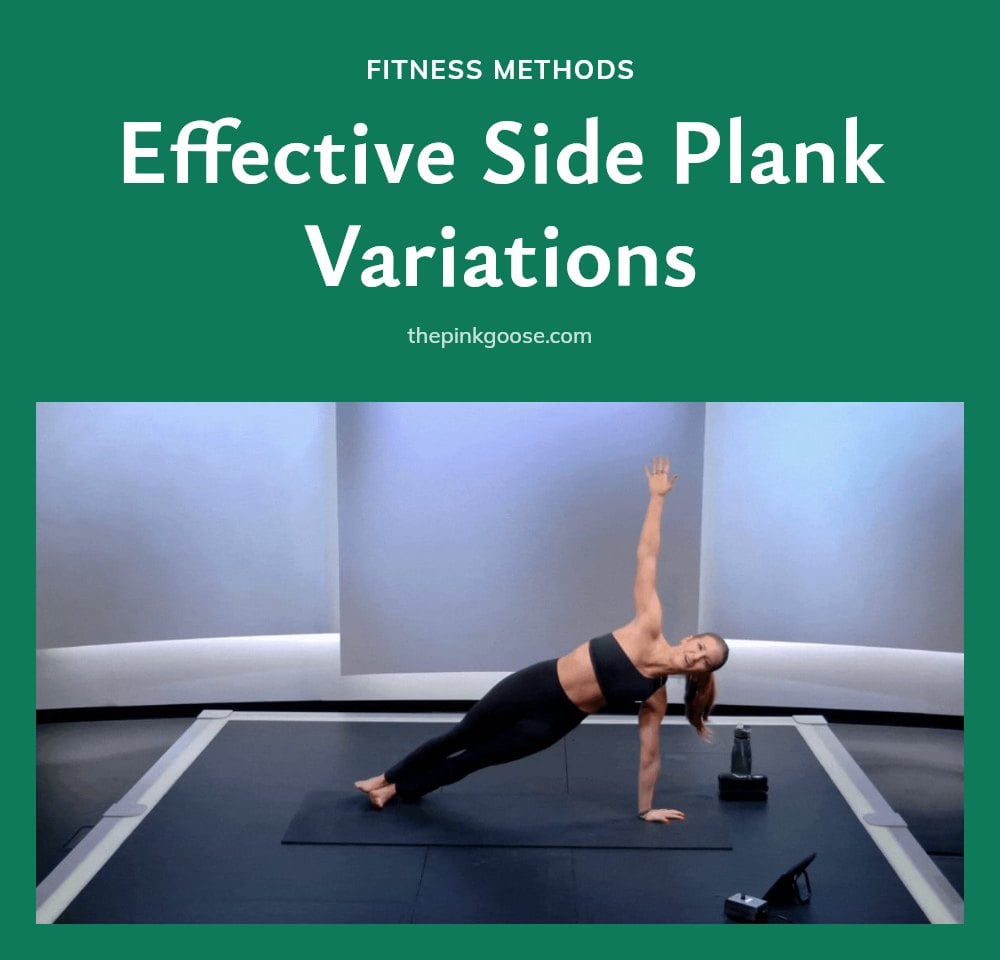
Side Plank: Lie on your side, stack your feet (or place one foot in front of the other for more stability), and lift your hips to form a straight line. Support yourself on one forearm or hand. This variation is excellent for your obliques and lateral core stability. Good to know: Hold for 15-20 seconds per side to start.
Top Tips for a Stronger Plank
Top Tips for a Stronger Plank
These small adjustments can make a big difference in your plank practice.
- Start Small and Build Up: Begin with holds of 20-30 seconds and add 5-10 seconds each week. Don’t rush to a full minute right away.
- Focus on Form Over Time: A 20-second plank with a straight line from head to heels is far more effective than a 60-second plank with sagging hips.
- Engage Your Whole Body: Squeeze your glutes and quadriceps actively. This stabilizes your entire body and increases the work your core has to do.
- Breathe Through It: I always remind myself to take deep, steady breaths. It helps me stay focused and keeps oxygen flowing to my muscles.
How Often to Plank and When to Expect Results
How Often to Plank and When to Expect Results
Consistency matters more than intensity. Aim for 2-3 sets of planks, 3-5 times per week, with at least one rest day between sessions. Beginners should start with 20-30 second holds per set and work up to 60 seconds as strength improves. With regular practice, you can expect to feel noticeable improvements in core strength and stability within a few weeks. Best of all, planks are completely free and require no special equipment beyond a comfortable surface.
When to Consult a Professional About Planks
When to Consult a Professional About Planks
Planks are generally safe, but there are times to stop and seek advice. Stop immediately and consult a doctor or physical therapist if you experience sharp pain in your back, shoulders, or wrists. If you have pre-existing back injuries, conditions, or chronic pain, always check with a professional before starting planks. Pregnant individuals should also consult their doctor before performing planks, especially as pregnancy progresses, to ensure safety and appropriate modifications.
Frequently Asked Questions
How long should a beginner hold a plank?
A good starting point for beginners is 20 to 30 seconds per set. Focus on maintaining proper form rather than holding longer. As your core strength improves, you can add 5 to 10 seconds each week, working up to 60 seconds per set.
Can planks help with lower back pain?
Planks can help strengthen the muscles that support your lower back, which may reduce discomfort for some people. However, if you already have lower back pain, it is important to consult a doctor or physical therapist before starting, as improper form can worsen the issue.
Are planks better than crunches for core strength?
Planks engage more muscles at once, including the transverse abdominis, obliques, and lower back, while crunches mainly target the rectus abdominis. For overall core stability and functional strength, many people find planks more effective than crunches alone.
What’s the difference between a high plank and a forearm plank?
In a high plank, you support your body on your hands with arms extended, similar to the top of a push-up. A forearm plank uses your forearms on the ground, with elbows under your shoulders. Forearm planks are often easier on the wrists and can be more accessible for beginners.
What is the correct way to do a plank?
Start on your forearms with elbows directly under your shoulders. Extend your legs behind you, keeping your body in a straight line from head to heels. Engage your core by pulling your belly button toward your spine, squeeze your glutes, and look down at the floor. Breathe steadily throughout the hold.
Final Thoughts
My tip for making planks a habit: start with just two 20-second holds, three times a week. Focus on form over duration, and you’ll see improvements in core stability and posture within a few weeks. Planks are a simple, powerful tool for a stronger core, so give them a try and listen to your body as you progress.
This article is for general informational purposes only and does not constitute medical or professional advice. Always consult a doctor, physical therapist, or qualified fitness professional before starting a new exercise routine, especially if you have pre-existing injuries or health conditions.
