

When life gets tough, it’s easy to feel like you have to put on a happy face and push through. But staying positive isn’t about ignoring pain or pretending everything is fine. It’s about building real resilience, being kind to yourself, and focusing on what you can actually control. This article covers what genuine positivity looks like, practical steps to practice it, common pitfalls to avoid, and when to seek professional support.

Key Takeaways
- Genuine positivity means acknowledging negative emotions, not suppressing them.
- Practice self-compassion daily by treating yourself with kindness, especially during setbacks.
- Focus on what you can control, like your reactions and small daily actions.
- Seek professional help if feelings of sadness or anxiety interfere with daily life.
What Staying Positive Really Means
Staying positive doesn’t mean slapping a smile on every tough moment. It means giving yourself permission to feel sad, angry, or frustrated while actively choosing to build resilience and self-compassion. The real work is about focusing on what you can control and doing things that genuinely lift you up, not faking a cheerful facade when you’re hurting inside.
Practical Steps to Cultivate a Positive Outlook

Building a positive outlook takes practice, but small shifts in your daily habits can make a real difference. Here are steps that have worked for me and many others.
- Acknowledge your emotions: Pause and name what you’re feeling without judging it. Say to yourself, “I’m feeling anxious right now,” and let that be okay. This simple act reduces the power of the emotion.
- Practice self-compassion: Talk to yourself the way you would a close friend. When you make a mistake or feel low, try saying, “This is hard, and I’m doing my best.” Kindness in those moments builds resilience.
- Challenge unhelpful thoughts: When you catch yourself thinking “I always mess up,” stop and look for evidence. Ask yourself, “Is that really true? What’s a more balanced way to see this?” Reframing helps you spot growth opportunities.
- Do something that brings joy: Schedule a small activity you genuinely enjoy, whether it’s listening to a podcast, gardening, or painting. Even 10 minutes can shift your mood and give you a sense of accomplishment.
- Connect with supportive people: Reach out to a friend or family member who listens without judgment. A quick chat or a shared walk can remind you that you’re not alone.
- Prioritize sleep and movement: Aim for 7-9 hours of sleep each night, as it directly affects your ability to regulate emotions. Add a 15-minute walk or stretch to your day, which can reduce stress and improve your mood.
- Set small, realistic goals: Break a big task into one or two tiny steps. Instead of “clean the whole house,” start with “clear the kitchen counter.” Completing small goals builds momentum and reduces overwhelm.
Tools and Resources for Your Positivity Journey
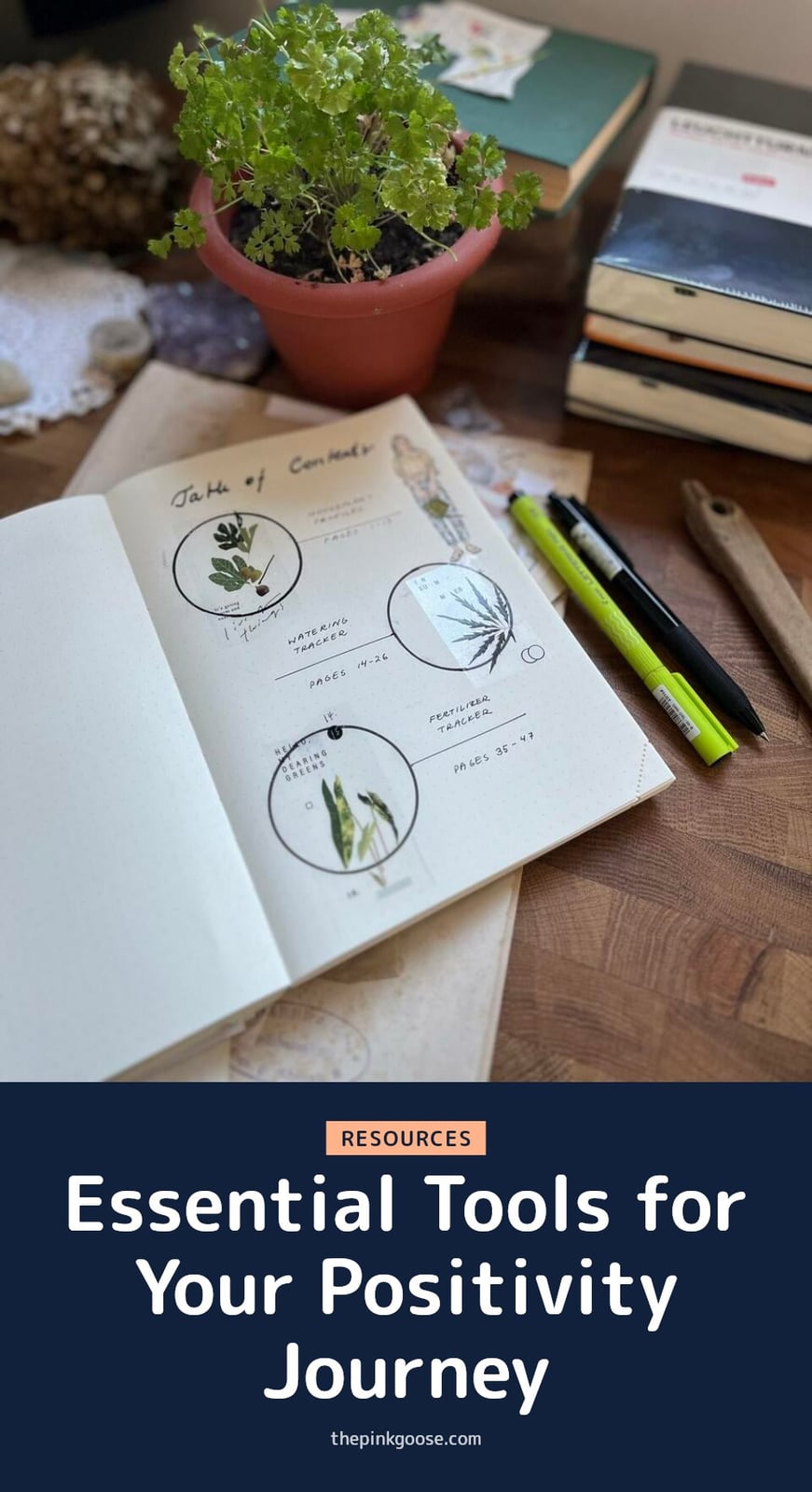
Having the right tools on hand makes practicing positivity easier. Here’s what I keep nearby.
- Journal or notebook: Use it for daily gratitude lists or to write through tough emotions. Getting thoughts on paper helps you process them.
- Meditation app or guide: Apps like Headspace or Calm offer short guided sessions that teach you to stay present and quiet negative rumination.
- Books on mindfulness or self-compassion: Titles by Kristin Neff or Thich Nhat Hanh can deepen your understanding of these practices.
- Support groups or therapy resources: Local or online groups provide community and accountability. For professional guidance, look for therapists who specialize in cognitive-behavioral therapy or mindfulness-based approaches.
Common Pitfalls When Trying to Stay Positive
Even with good intentions, it’s easy to fall into traps that undermine your progress. Watch out for these common pitfalls.
- Suppressing emotions: Believing you must never feel sad or angry leads to emotional invalidation. Instead, let yourself feel and then move through it.
- Forcing happiness: Pretending everything is fine when it’s not is inauthentic and unsustainable. It drains your energy and delays real healing.
- Toxic positivity: Dismissing your own or others’ struggles with phrases like “just be positive” minimizes genuine suffering. Acknowledge the pain first.
- Isolation: Withdrawing from your support system when you feel low can make negative feelings worse. Stay connected, even if it’s just a short call.
- Ignoring professional help: Hoping persistent sadness or anxiety will disappear on its own can delay recovery. If these feelings last for weeks or interfere with daily life, consult a mental health professional.
Building Long-Term Resilience and a Positive Mindset
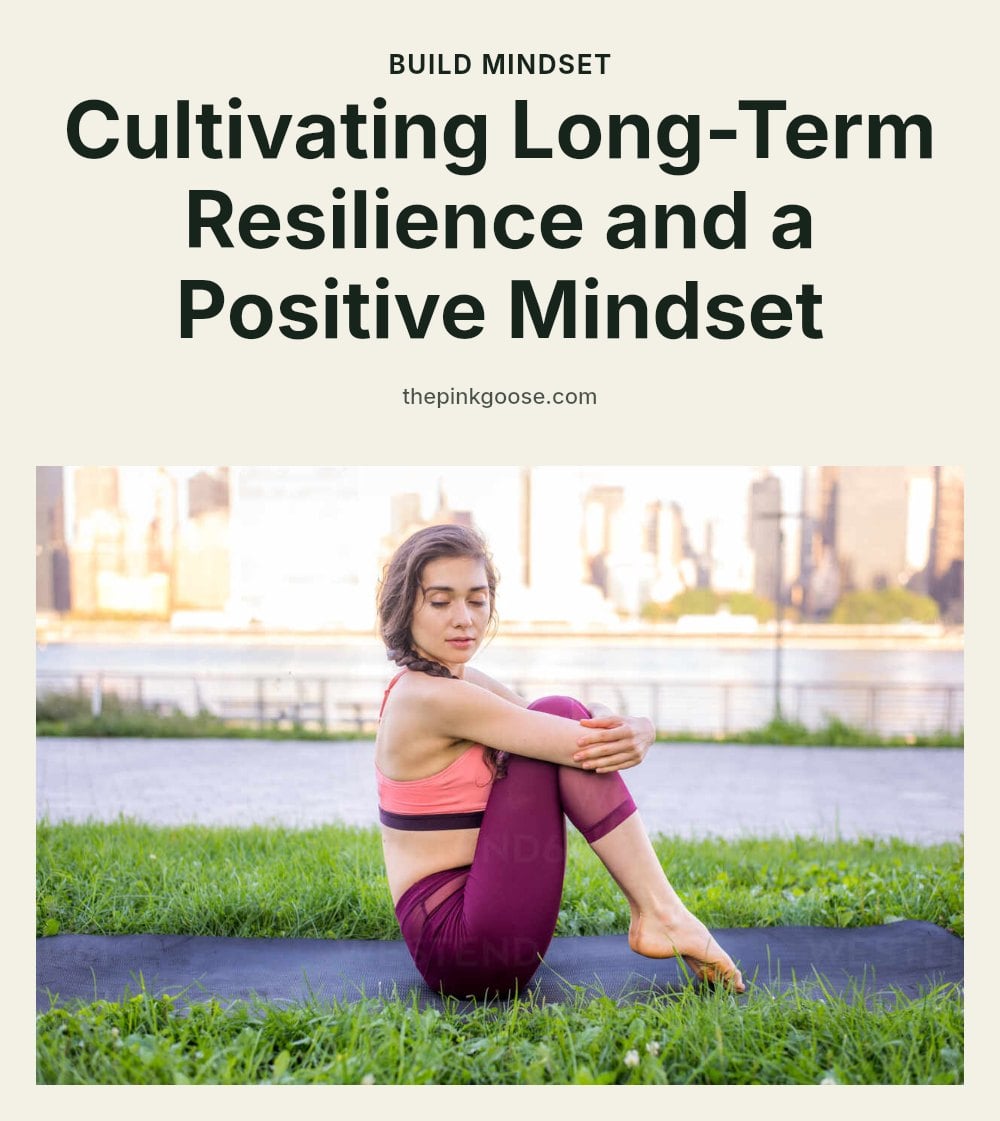
Set Healthy Boundaries: Protect your energy by limiting exposure to negative news, social media, or draining interactions. I usually schedule a social media break in the evening to wind down.
Practice Self-Compassion Daily: Make treating yourself with kindness a consistent habit, especially when facing setbacks. My tip: talk to yourself the way you would a close friend.
Cultivate Gratitude: Regularly acknowledge and appreciate the small, positive things in your life to shift perspective. A quick gratitude list each morning can set a calmer tone for the day.
Find Meaning and Purpose: Engage in activities or causes that resonate with your values, contributing to a deeper sense of fulfillment. Even volunteering once a month can help.
Focus on Controllables: Direct your energy towards aspects of a situation you can influence, rather than dwelling on what’s beyond your control. This reduces feelings of helplessness.
When to Seek Professional Support
Seek professional support if persistent feelings of sadness, hopelessness, or anxiety interfere with your daily life, work, or relationships. If you find yourself unable to cope with challenging emotions despite trying various strategies, a therapist can help.
Pay attention to changes in sleep patterns, appetite, or energy levels that persist for more than a few weeks. Caution: If you or someone you know is in crisis or experiencing thoughts of self-harm, seek immediate professional help or contact a crisis hotline.
Timeline for Cultivating a Positive Mindset
Initial Improvement: You might notice shifts in mood within days or weeks of consistently practicing new habits like gratitude or mindfulness. Even a short daily meditation can start to feel grounding.
Building Resilience: Developing a truly resilient and positive mindset is an ongoing process that requires consistent effort and practice over months and years. Be patient with yourself.
Cost: Many resources are free, such as journaling, meditation apps with free tiers, and supportive friends. Therapy costs vary widely by provider and insurance, but many options exist, including sliding scales or community mental health services.
Frequently Asked Questions
What is the difference between genuine positivity and toxic positivity?
Genuine positivity allows you to feel and process a full range of emotions, including sadness and anger, while still choosing to focus on what you can control. Toxic positivity, on the other hand, dismisses or invalidates negative feelings by insisting you should always be happy. It can be harmful in situations like grief or trauma because it denies real human experience.
How can I practice gratitude when I feel overwhelmed?
When you’re overwhelmed, start small. Try naming just one tiny thing you’re grateful for each day, like a warm cup of tea or a kind text from a friend. Writing it down in a journal can help shift your focus without forcing a big emotional change. Over time, this simple habit can help balance your perspective.
Can social media affect my ability to stay positive?
Yes, excessive exposure to negative news or curated highlight reels on social media can drain your energy and make you feel worse. Limiting your time on these platforms or taking scheduled breaks can protect your mental well-being. Many people find that reducing social media helps them stay more grounded and focused on their own life.
How long does it take to develop a more positive mindset?
You might notice small shifts in your mood within days or weeks of consistently practicing habits like gratitude or mindfulness. However, building a truly resilient and positive mindset is an ongoing process that takes months or longer. The key is to keep practicing, even on days when it feels hard.
Is it okay to feel sad or angry even when trying to be positive?
Absolutely. Feeling sad, angry, or frustrated is a normal and healthy part of being human. Trying to be positive doesn’t mean you have to suppress these emotions. In fact, acknowledging and processing them is a crucial step toward genuine emotional well-being and resilience. Let yourself feel, then move through it with self-compassion.
Final Thoughts
Building a positive outlook is a gradual process that takes consistent effort. Start small by acknowledging one feeling each day or writing down one thing you’re grateful for. You might notice small shifts in your mood within a few weeks, but lasting resilience builds over time. The goal isn’t to never feel down, but to learn how to move through tough moments with self-compassion and hope.
This article is for general informational purposes only and does not constitute medical or professional advice. If you are experiencing persistent feelings of sadness, hopelessness, or anxiety that interfere with your daily life, please consult a qualified mental health professional.