

You’re over 30, you’ve started noticing fine lines or uneven skin tone, and you’ve heard retinol is the gold standard for turning things around. But the thought of redness, peeling, and irritation might be holding you back. The good news is that with the right approach, you can ease into retinol without wrecking your skin barrier. This article covers exactly how to start, what to avoid, and what results to expect so you can feel confident adding it to your routine.

Key Takeaways
- Start with a low concentration of 0.25% or 0.3% retinol to minimize irritation.
- Apply retinol only 1-2 times per week initially, then gradually increase frequency.
- Always use a pea-sized amount for the entire face and apply to dry skin.
- Use a broad-spectrum sunscreen with at least SPF 30 every morning without fail.
- Expect initial irritation for 2-4 weeks and visible results after 8-12 weeks of consistent use.
What is Retinol and How Does It Work for Your Skin?
Retinol is a derivative of Vitamin A that works by speeding up your skin’s natural cell turnover and boosting collagen production. Over time, this helps soften fine lines, smooth wrinkles, and even out skin tone for a more youthful look. The key for anyone over 30 is to start with a low concentration (around 0.25% or 0.3%) and use it gradually so your skin can adjust without getting irritated.
Essential Products for Your Retinol Routine
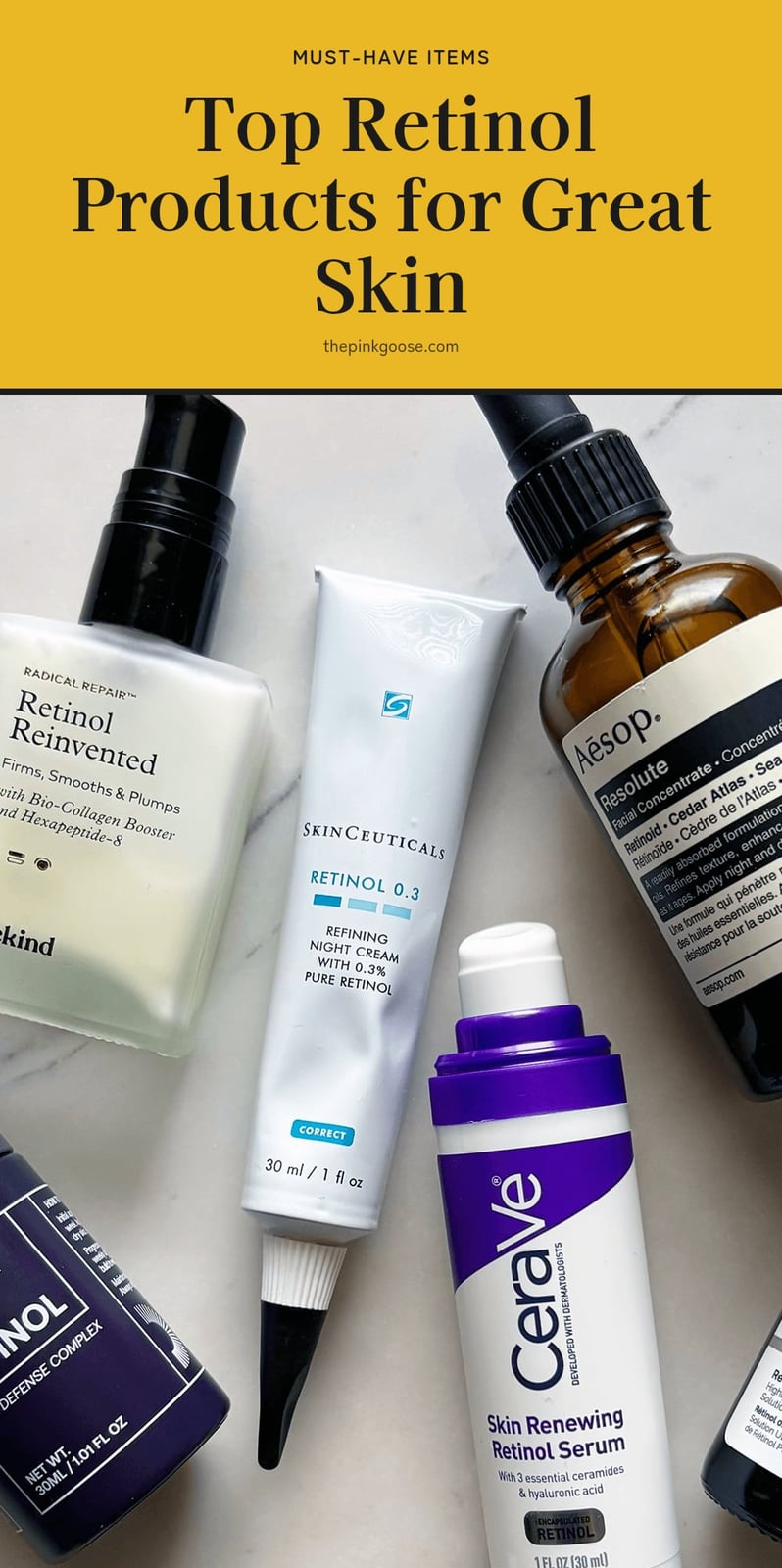
Before you start, gather these basics:
- Low-concentration retinol serum or cream: Look for 0.25% or 0.3% to begin.
- Gentle, hydrating cleanser: Avoid anything that strips your skin.
- Fragrance-free hydrating moisturizer: This will help buffer the retinol.
- Broad-spectrum sunscreen SPF 30+: Non-negotiable every morning because retinol increases sun sensitivity.
Step-by-Step: Introducing Retinol to Your Skincare Routine
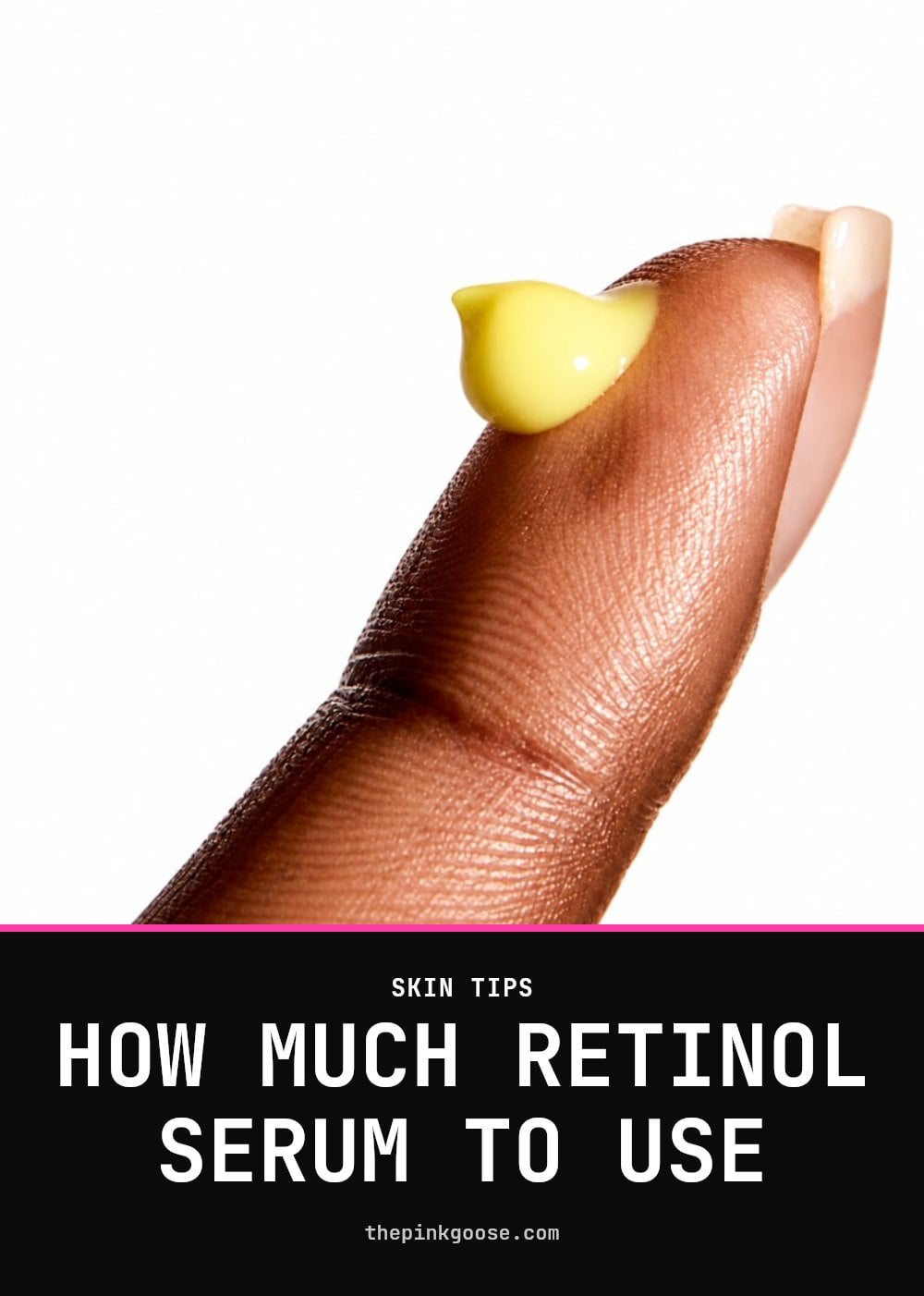
Cleanse and dry: Wash your face with your gentle cleanser, then pat it dry. Wait 20-30 minutes so your skin is completely dry, applying retinol to damp skin can cause irritation.
- Apply a pea-sized amount: Squeeze a pea-sized drop of retinol onto your fingertip. Dot it on your forehead, cheeks, chin, and neck, then spread it evenly. That small amount is enough for your whole face.
- Sandwich with moisturizer (if new): After the retinol has sunk in for a minute, apply a layer of your hydrating moisturizer. This buffers the retinol and reduces irritation.
- Start slow: Use retinol only 1-2 times per week for the first two weeks. If your skin stays calm, increase to every other night, then eventually nightly.
- Always at night: Retinol breaks down in sunlight and makes your skin more sensitive, so apply it only in your evening routine.
- Morning sunscreen: Every single day, apply a broad-spectrum SPF 30+ sunscreen. This protects the new skin cells retinol is revealing.
Common Retinol Mistakes to Avoid for Beginners
Using too much product: A pea-sized amount is all you need for your entire face. More won’t speed results and will just irritate your skin.
Applying too frequently too soon: Start with 1-2 nights per week. Jumping in every night is the fastest way to redness and peeling.
Skipping daily sunscreen: Retinol makes your skin more vulnerable to UV damage. Sunscreen every morning is non-negotiable.
Combining with other strong actives: Don’t layer AHAs, BHAs, or Vitamin C in the same routine when you’re new to retinol. Use them on alternate nights.
Applying to damp skin: Wet skin absorbs retinol much faster, which can lead to irritation. Always apply to dry skin.
Giving up too soon: Some initial dryness or flaking is normal. Stick with it for 8-12 weeks to see real improvements.
Expert Tips for a Smooth Retinol Journey
My tip: Listen to your skin. If redness or peeling feels severe, cut back to once a week until it calms down. Hydration is your best friend here. Use a rich, fragrance-free moisturizer morning and night to combat dryness. Be patient, visible results take weeks to months, not days.
The sandwich method helps beginners a lot: apply moisturizer, then retinol, then another layer of moisturizer to buffer it. Also, avoid sensitive areas like your eyes, nostrils, and mouth initially. Keep the product on your cheeks, forehead, and chin where it’s most needed.
What to Expect: Retinol Timeline and Results
Expect some irritation in the first 2-4 weeks. Redness, dryness, and peeling are common as your skin adjusts. A purging phase with temporary acne is possible for some people.
Noticeable results typically appear after 8-12 weeks of consistent use. Full benefits like significant reduction in fine lines and improved texture take several months. Retinol product costs vary widely, from drugstore to high-end brands, so you can find something that fits your budget.
When to Consult a Dermatologist About Retinol Use
Consult a dermatologist if you experience severe irritation, burning, or an allergic reaction. Also see one if irritation persists or worsens even after you adjust your usage.
If you have a pre-existing skin condition like eczema or rosacea, retinol might aggravate it. Avoid retinol entirely during pregnancy or breastfeeding. A doctor can guide you on safe alternatives.
Frequently Asked Questions
What is the best age to start using retinol?
There is no single best age, but many people begin incorporating retinol in their late 20s or early 30s as a preventive measure or to address early signs of aging. If you are over 30 and noticing fine lines or uneven tone, it can be a good time to start with a low concentration.
Can I use retinol every night when I start?
No, starting with nightly use is not recommended. Begin by applying retinol only 1-2 times per week to allow your skin to adapt. Gradually increase frequency over several weeks as your skin builds tolerance. Jumping in too fast is a common cause of irritation.
How long does it take for retinol to work?
Visible results typically appear after 8-12 weeks of consistent use. Some people notice improvements in skin texture and fine lines within that timeframe, while full benefits like significant reduction in wrinkles may take several months. Patience and consistency are key.
Can I use Vitamin C and retinol together?
It is generally best not to combine retinol with other strong active ingredients like Vitamin C, AHAs, or BHAs in the same routine, especially when you are just starting. Using them together can increase irritation. Instead, use retinol at night and Vitamin C in the morning, or alternate nights.
What are the signs of too much retinol?
Signs of overuse include persistent redness, peeling, burning, stinging, or extreme dryness that does not improve after adjusting your routine. If you experience these symptoms, cut back to once a week and focus on hydration. If irritation continues or worsens, consult a dermatologist.
Final Thoughts
My tip: stick with a low concentration and a slow schedule, even if you feel tempted to speed things up. Realistic expectation is that you’ll see noticeable improvements in skin texture and fine lines after about 8-12 weeks of consistent use. Retinol is a long game, but with patience and daily sunscreen, it can become a reliable part of your routine.
This article is for informational purposes only and does not constitute medical or professional advice. Retinol can cause skin reactions, and individual results vary. Consult a dermatologist or healthcare provider before starting any new skincare product, especially if you have a pre-existing skin condition, are pregnant, or are breastfeeding.
